




Antique Campaign Chair
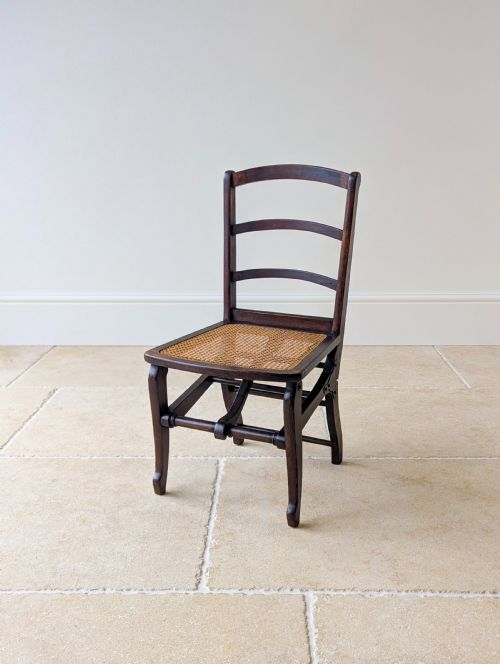
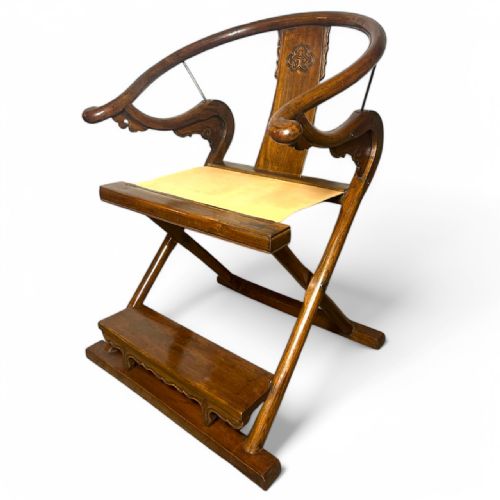
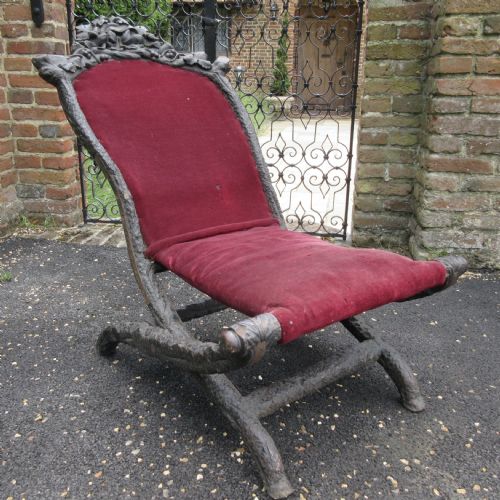
An antique campaign chair offers portable folding comfort designed for travel, combining rigid frame mechanics with effortless packability.
What an antique campaign chair is
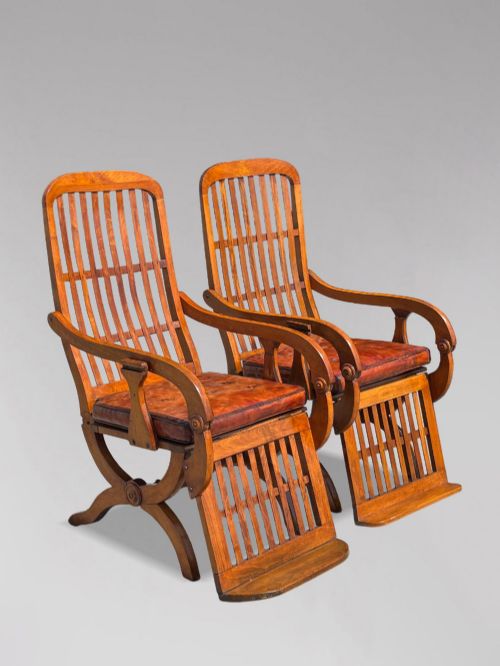
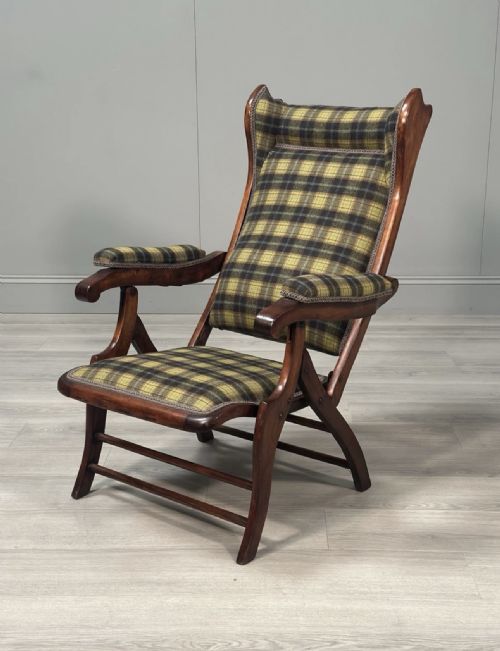
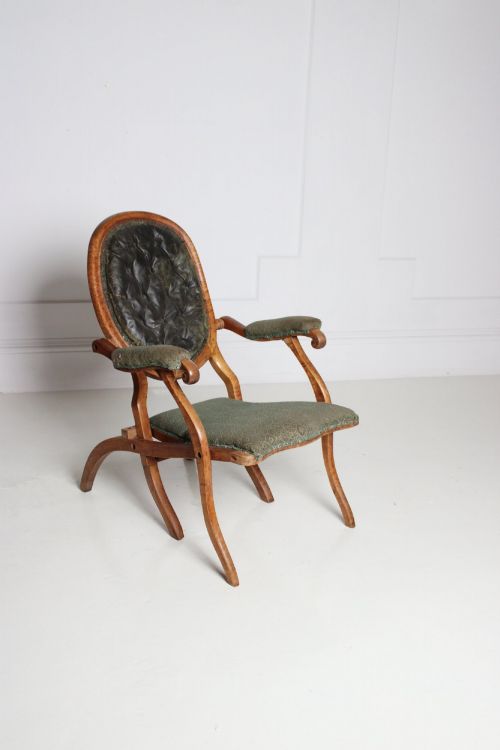
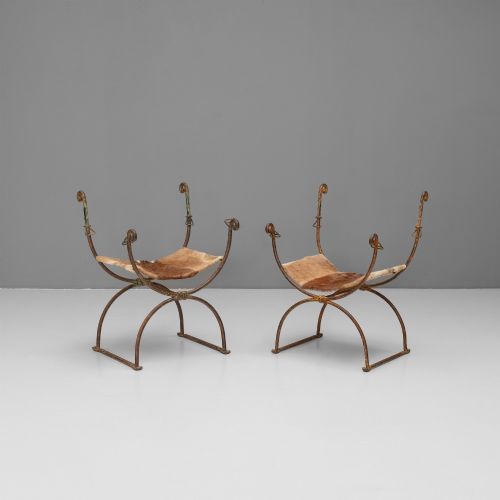
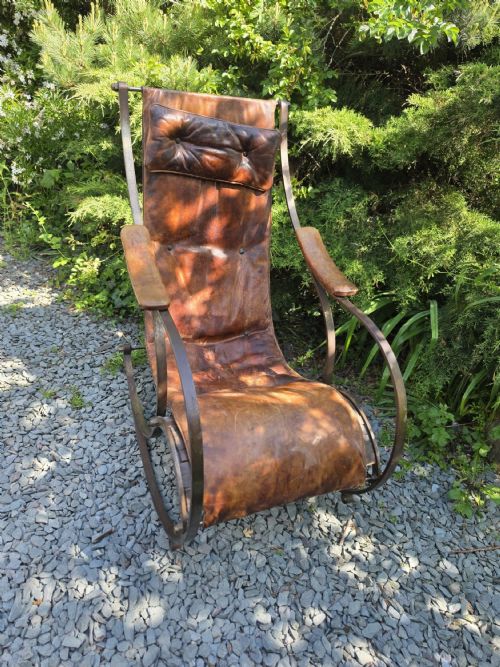
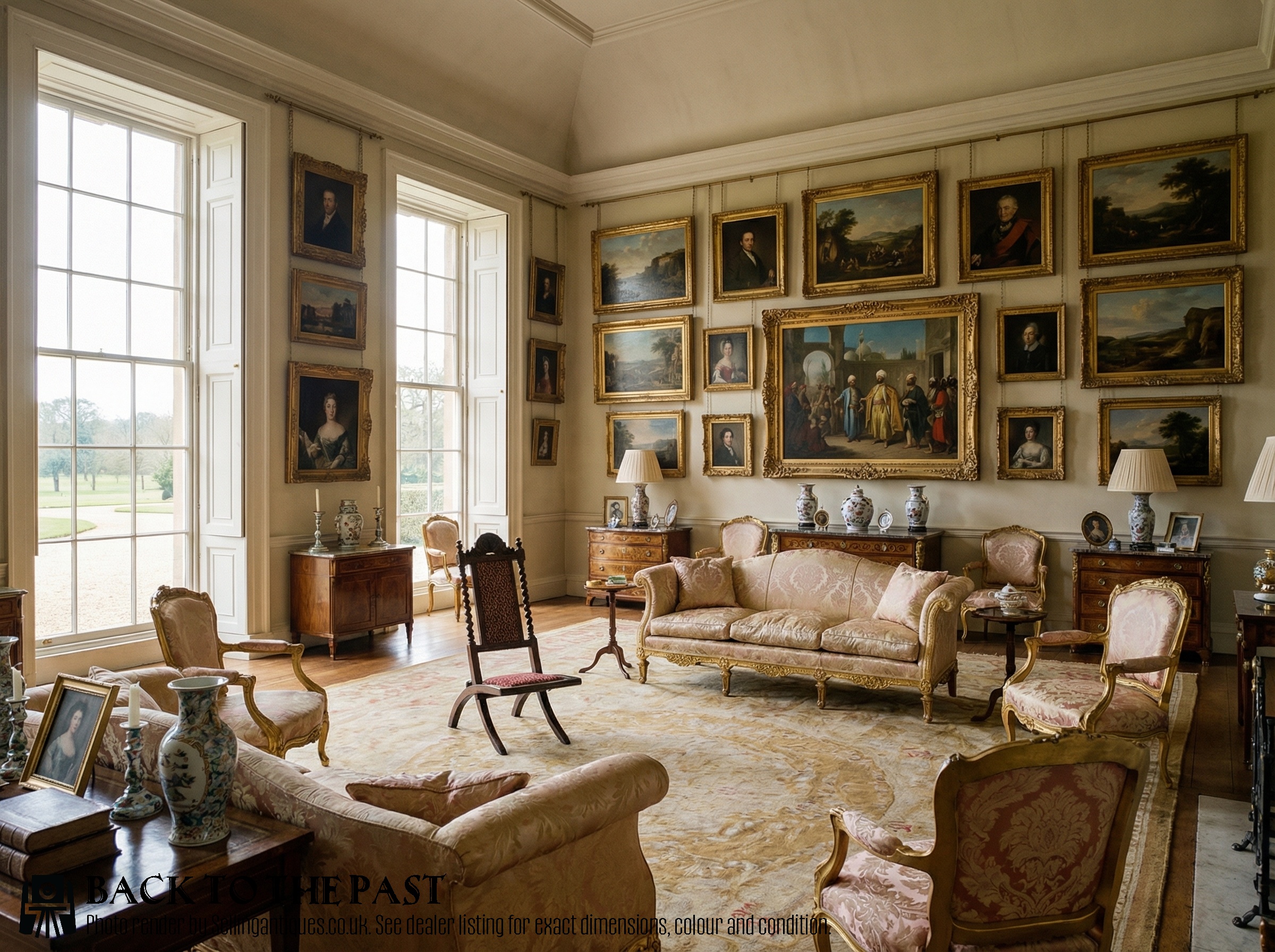
An antique campaign chair encompasses folding armchairs, lounge chairs, accent chairs, and occasional chairs designed for portable use. The primary forms found across these listings include nineteenth-century and Victorian folding chairs, steamer chairs, and colonial variants.
Makers and designers produced these pieces to fold down easily for travel and military deployment while maintaining rigid seating support. Buyers frequently encounter nineteenth-century examples alongside specific regional interpretations such as Anglo-Burmese colonial pieces.
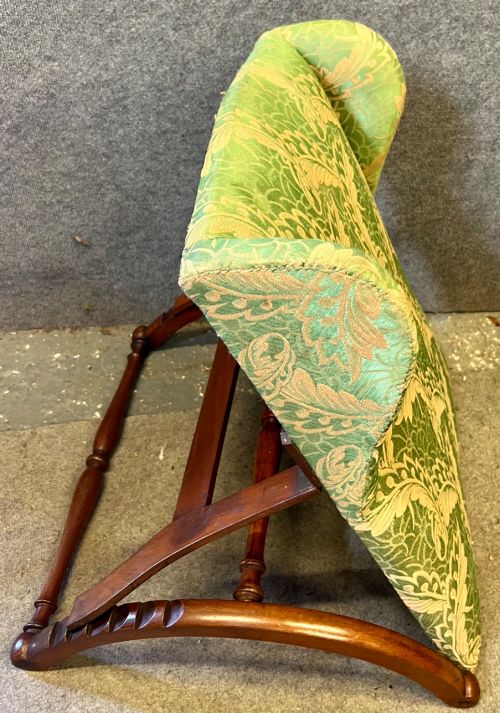
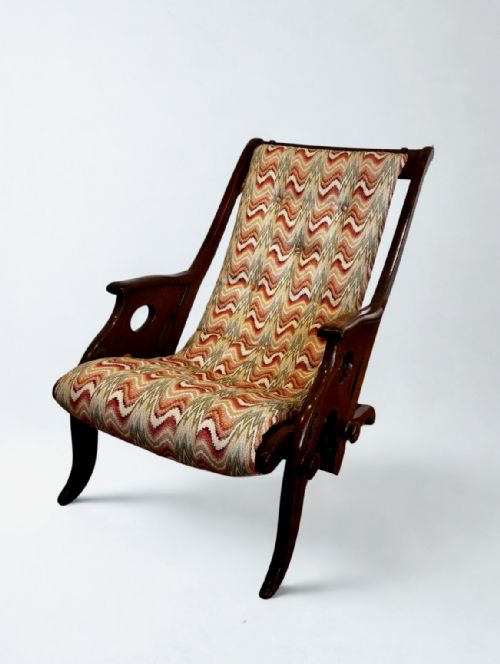
The aesthetic ranges from plain folding wooden frames to carved walnut with bone button decorations and pierced crest rails. Upholstered versions feature fabric, leather, and textile coverings tailored to specific periods from the Regency era through to the late Victorian period.
Materials and construction
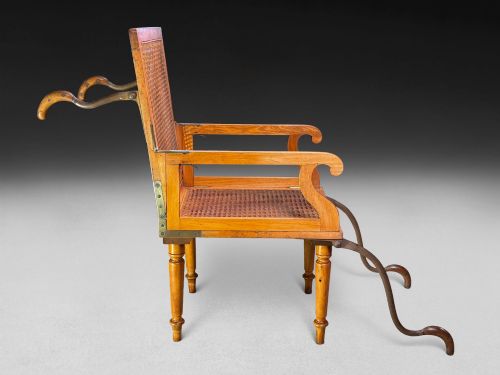
Carpenters utilised dense hardwoods including mahogany, walnut, teak, and birds eye maple to construct the folding frames. Metal and brass components provided structural joints, hinges, and folding mechanisms that allowed the seats to collapse.
Seating surfaces incorporated leather, fabric, textile, cane, and bergere woven panels secured to the wooden frameworks. Decorative details involved bone button decorations, fluting, and carved crest rails on select walnut and mahogany models.
Retail Price Guide 2026
Typical UK retail prices for campaign chair, calculated from the Sellingantiques database of over a million retail prices indexed since 2003. This retail price guide relies exclusively on Sellingantiques data; no external sources or auction records are used, so the figures do not describe the wider market.
Object forms on record include armchairs, lounge seats, steamer chairs, and occasional folding chairs.
Judging quality in folding seating
The hierarchy of quality rests upon the complexity of the folding mechanism and the rigidity of the frame when extended. Superior examples combine smooth folding action with solid joinery that eliminates excessive wobble during use.
Material selection dictates the upper tier of the range, with figured woods like birds eye maple and richly carved walnut separating standard utility models from decorative drawing-room variants. The integrity of original cane work, leather upholstery, and brass fittings further defines the standard of survival.
The Antique Campaign Chair Glossary
- Bergere
- A type of enclosed upholstered armchair with a wooden frame where the sides and back often feature cane work. This French-inspired form appears on steamer and campaign lounge seats.
- Campaign chair
- A portable folding chair engineered for easy transport by military officers and travellers during the nineteenth century. These seats collapse using hinged wooden or metal frames.
- Steamer chair
- An extended lounge chair designed for travel and shipboard use, featuring a folding timber frame and adjustable positioning. Examples often incorporate cane or upholstered surfaces.
- Louis Philippe
- A mid-nineteenth-century French style characterised by restrained curves and comfort, influencing ladies campaign folding chairs of the period.
Frequently Asked Questions
How do you fold a campaign chair?
Folding mechanisms vary by design, but most rely on pivoting X-frames or articulated brass hinges. Users gently lift or slide the wooden framework to unlock the braces.
Care must be taken with older joints and original brass hardware to ensure smooth movement without straining the timber.
Were campaign chairs used outdoors?
Many campaign chairs were built for travel, military campaigns, and verandah use in colonial climates. Their collapsible nature suited life on the move.
While some feature fine upholstery suitable for drawing rooms, others utilised robust teak, cane, and leather suited to rougher field conditions.
How to date an antique campaign chair?
Dating relies on timber choice, construction methods, and stylistic markers tied to periods like Regency, Louis Philippe, and Victorian. Mahogany and teak typify earlier pieces, while birds eye maple and walnut appear frequently in mid-to-late nineteenth-century examples.
Carving styles, brass fittings, and upholstery materials further help narrow down the decade of manufacture.