
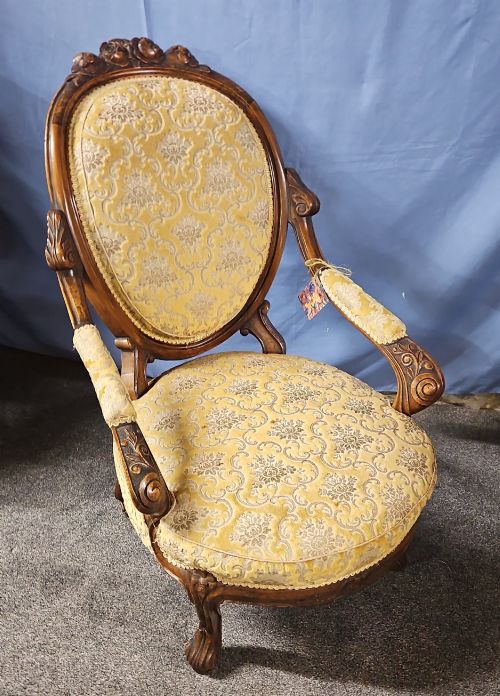
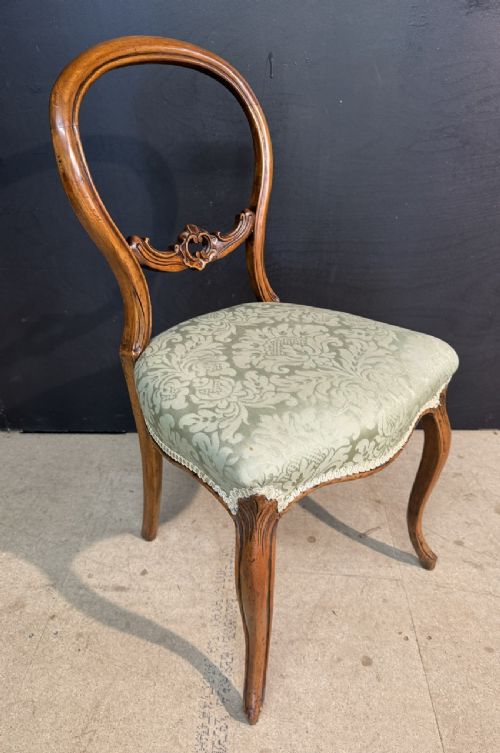
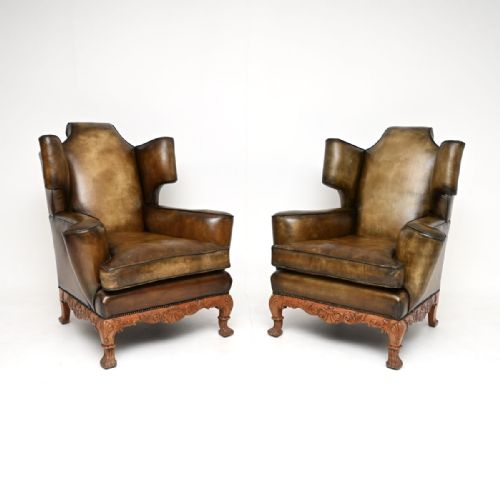
Carved X Frame Chair
These carved x frame chair pieces combine intersecting structural supports with ornate woodwork, offering a striking seat rooted in historical revival styles.
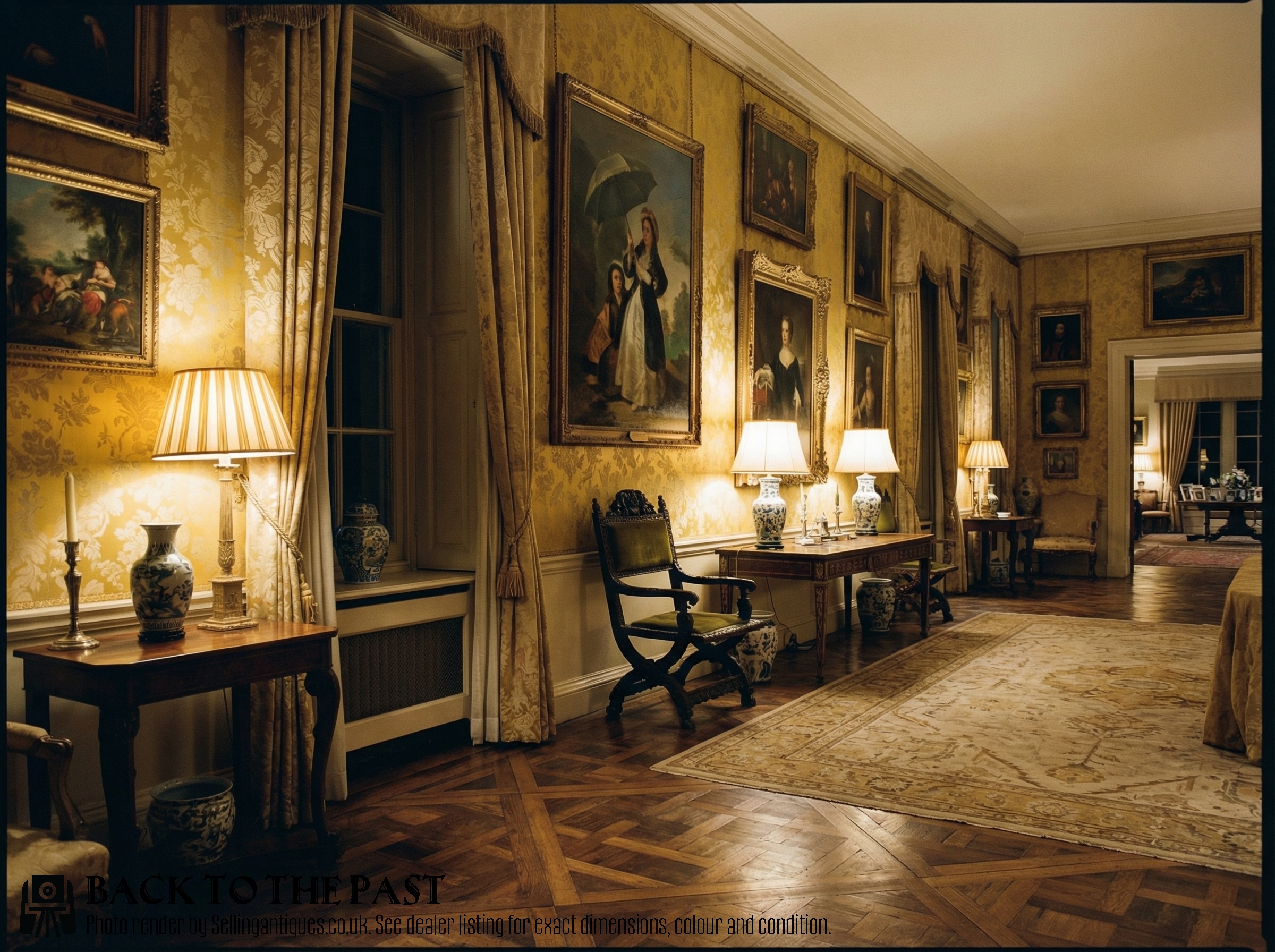
Carved X Frame Chair
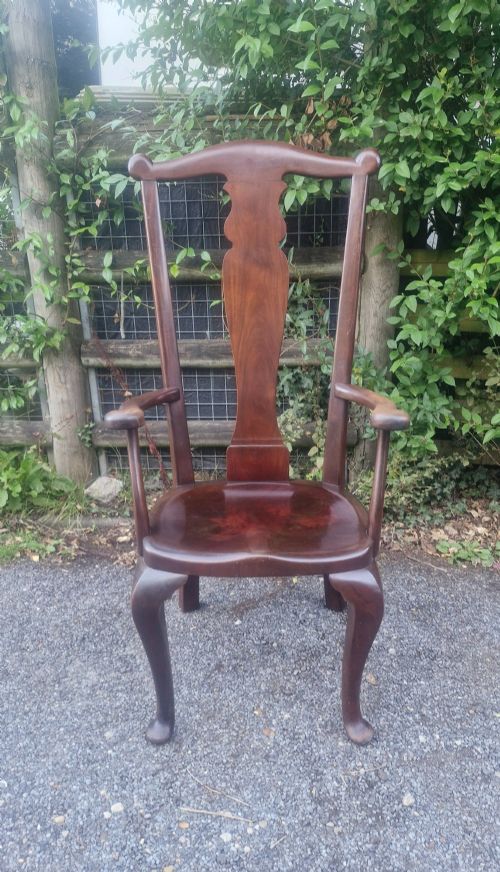
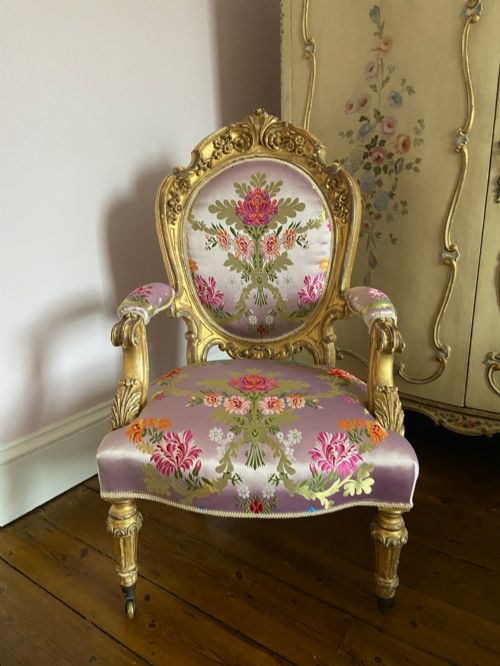
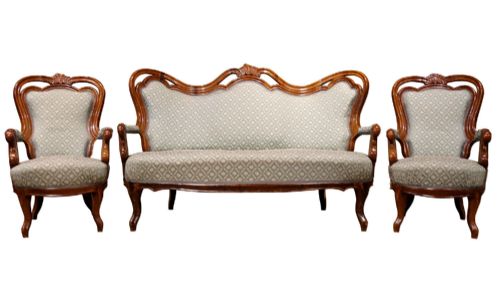
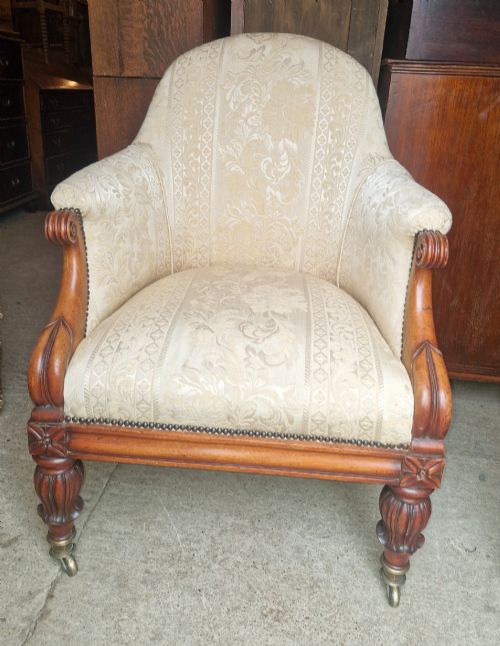
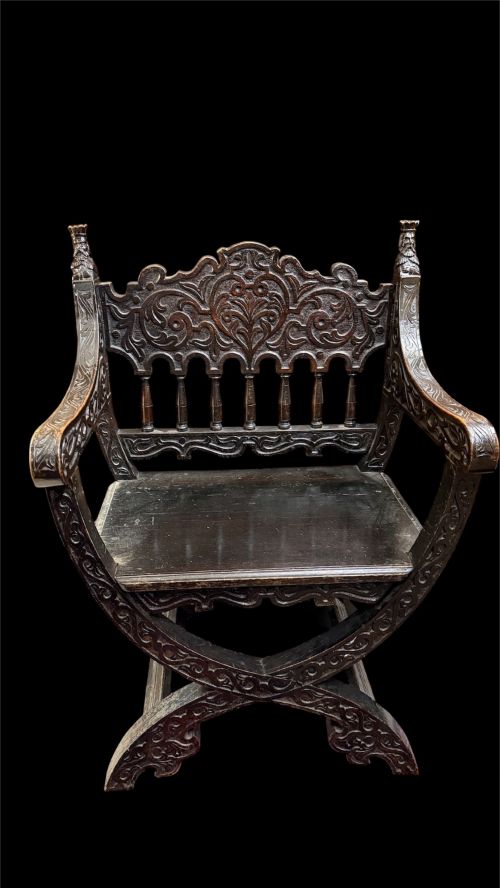
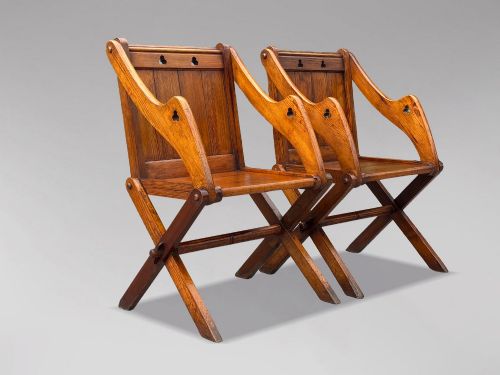
When you search for a carved x frame chair, you encounter seating built around intersecting diagonal structural timbers that form a distinctive folding or rigid cross shape beneath the seat. The examples appearing here span various periods from the nineteenth century into the early twentieth century, showing influences from Gothic Revival, Renaissance Revival, and Tuscan aesthetics.
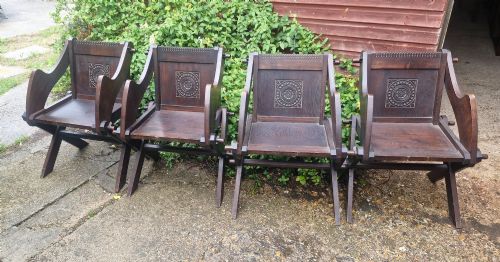
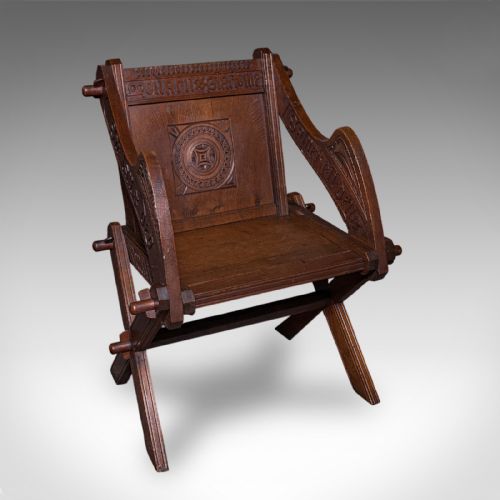
The most common interpretations on this page include robust oak Gothic variants often termed Glastonbury chairs alongside walnut Italian or Spanish folding forms. These pieces function primarily as statement armchairs or occasional seating, bringing architectural presence into a room through deep relief carving and X-shaped bracing.
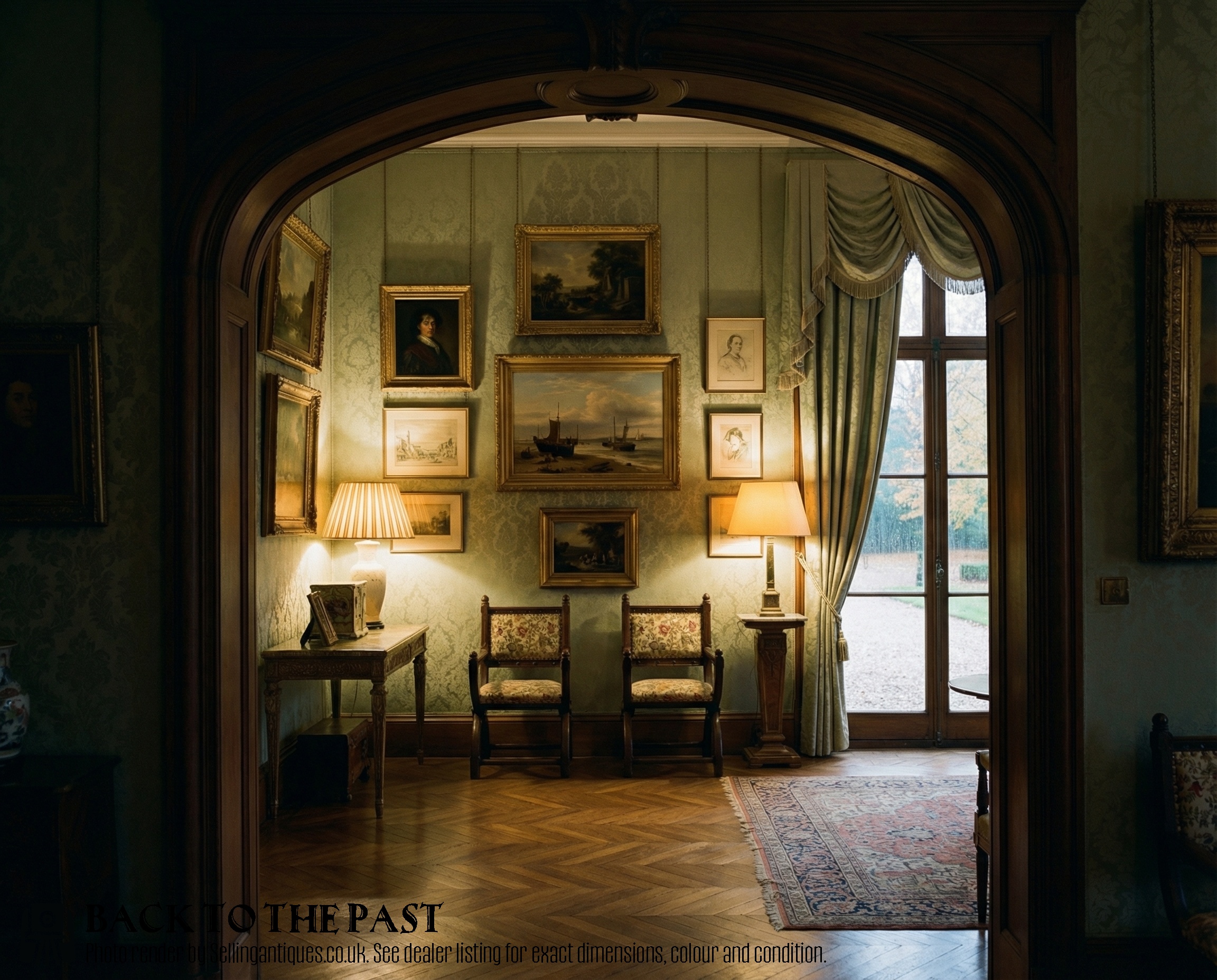
How they were made
Solid timbers such as oak, walnut, and mahogany form the foundational structure of these chairs, shaped by hand-tooling and joinery techniques suited to load-bearing intersecting members. Carvers applied detailed chip carving, linenfold panels, or figural beast feet directly onto the primary wood frames.
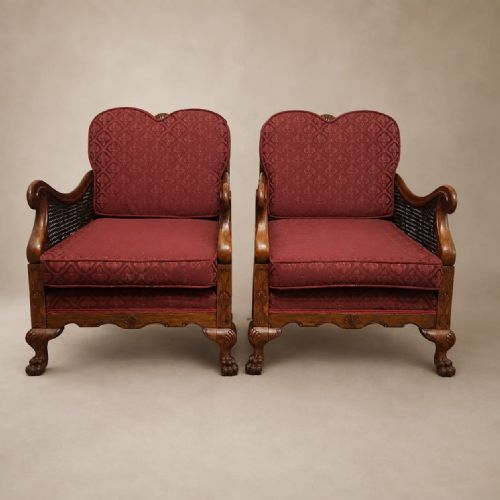
Upholstery methods utilised traditional materials including horsehair stuffing, webbed bases, and coverings of leather, velvet, or needlework textiles secured with decorative brass tacks. Where cane work appears, split cane is woven directly into shaped wooden channels to form supportive backs and seats.
Carved X Frame Chair Retail Price Guide 2026
Typical asking prices for carved x frame chair among the pieces listed under this phrase on Sellingantiques today, from the lower quarter to the upper quarter. They describe what is for sale here now, not the wider market.
Listings demonstrate a strong preference for oak and walnut constructions spanning the nineteenth century.
What varies in quality
The standard of a carved x frame chair depends largely on the crispness of the wood carving and the integrity of the intersecting joints that bear the weight of the sitter. Superior examples display deeply undercut mouldings and tightly fitted halving joints where the cross members meet.
Material selection also dictates overall grade, with dense grain walnut or quarter-sawn oak representing higher workshops compared to softer secondary timbers. The survival of original surface finishes, such as early polish or paint, distinguishes untouched pieces from those subjected to heavy later intervention.
Gillows·Howard And Sons
The Carved X Frame Chair Glossary
- X-frame
- A chair construction method utilising two diagonal members crossing to form an X shape that supports the seat and links the front and back supports. This ancient form reappeared frequently during nineteenth-century Gothic and Renaissance revival movements.
- Glastonbury chair
- A traditional type of wooden armchair featuring intersecting X-form legs, sloping arms, and a panel back often inscribed with religious or historical texts. These were frequently constructed in oak during the Victorian era.
- Bergère
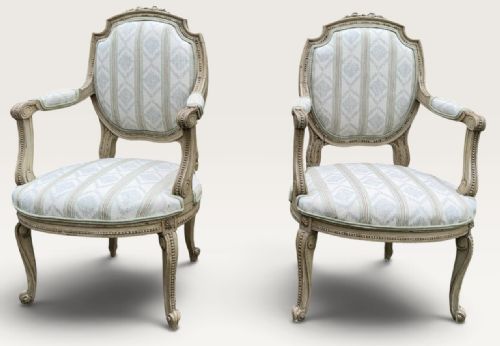
- An enclosed upholstered armchair with wooden framing exposed around the sides and back, frequently incorporating cane work panels. This French seating form gained popularity across eighteenth-century design and later revival periods.
- Renaissance Revival
- A nineteenth-century design movement drawing inspiration from fifteenth and sixteenth-century Italian and French architecture and furniture. Pieces from this style utilise heavy walnut, bold strapwork, and prominent carved details.
- Gothic Revival
- An architectural and decorative style mimicking medieval aesthetics through pointed arches, trefoil motifs, and heavy carved woodwork. Furniture in this taste often employs dark oak and ecclesiastical forms.
Carved X Frame Chair: Frequently Asked Questions
Are carved x frame chairs comfortable to sit in?
Many examples provide a supportive upright posture, particularly those fitted with upholstered pads or sloping armrests designed for library use.
Heavily carved wooden variants without squab cushions function better as decorative occasional seating or hallway pieces rather than lounge chairs.
How do I identify a Gothic Revival x frame chair?
Look for architectural motifs such as trefoils, pointed arches, and heavy oak timbers characteristic of nineteenth-century ecclesiastical interpretations.
These pieces frequently display rigid panel backs and robust cross-braced bases modelled on medieval throne chairs.
Can these chairs be taken apart?
Certain historic examples follow true folding mechanisms where the central X pivot allows the entire frame to collapse flat for transport.
Most decorative iterations on this page utilise fixed glued and pegged joints designed for permanent stability rather than daily folding.
What woods were commonly used for these chairs?
Oak and walnut dominate the surviving evidence, chosen for their strength in supporting the stressed intersecting frame members.
Mahogany and softer secondary woods also appear in later nineteenth-century interpretations influenced by French and Spanish cabinet-making traditions.