


Dark Oak Chair
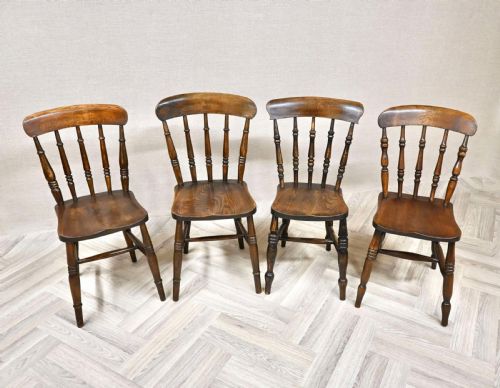
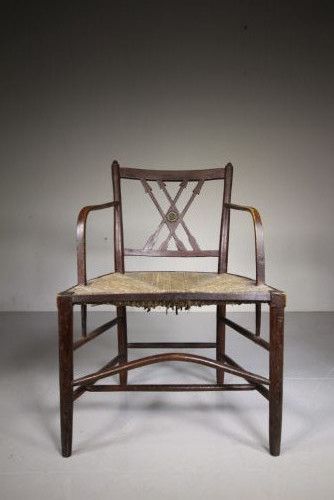
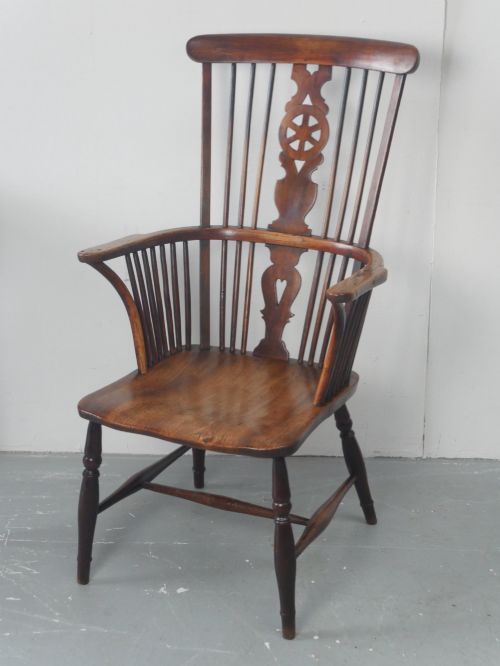
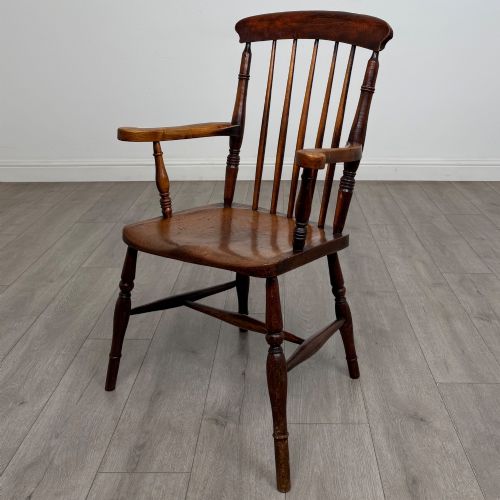
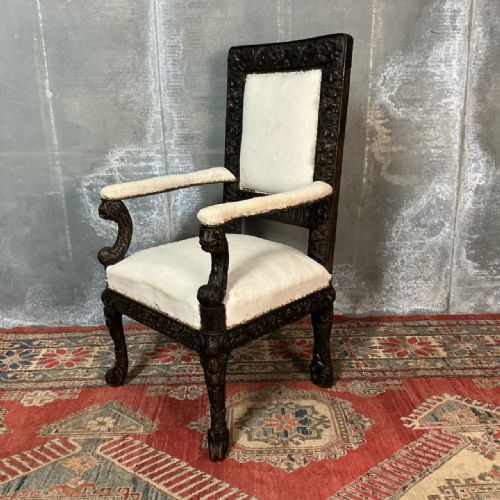
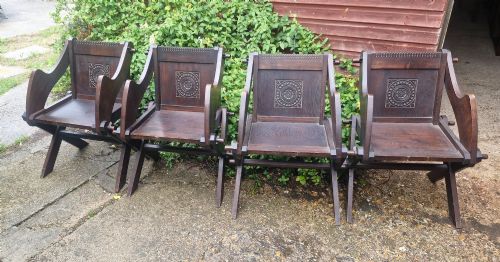
These dark oak chair pieces range from sturdy seventeenth-century wainscot armchairs to heavy Victorian hall chairs, offering deep patination and solid timber construction for daily use.
What a dark oak chair is
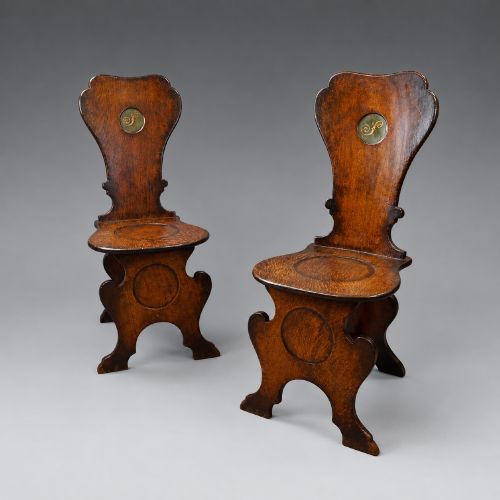
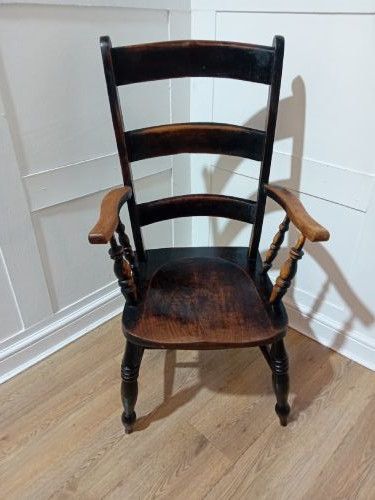
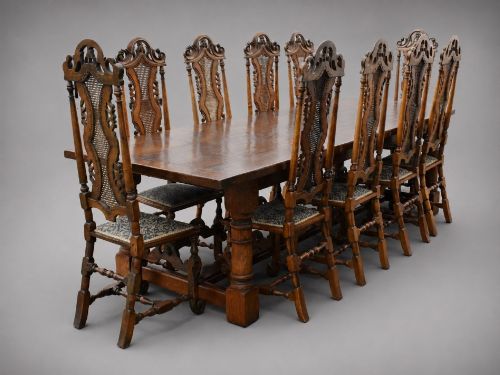
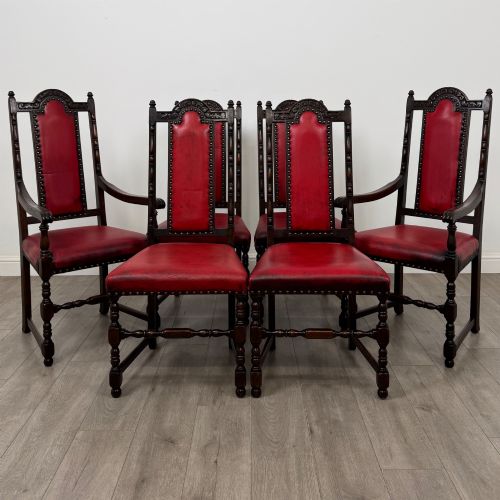
A dark oak chair encompasses centuries of British seating, spanning seventeenth-century wainscot forms, eighteenth-century shield back hall chairs, and heavily carved Victorian dining sets. Buyers searching for a dark oak chair often encounter utilitarian hall seats, turned armchairs, and high-backed panelled designs.
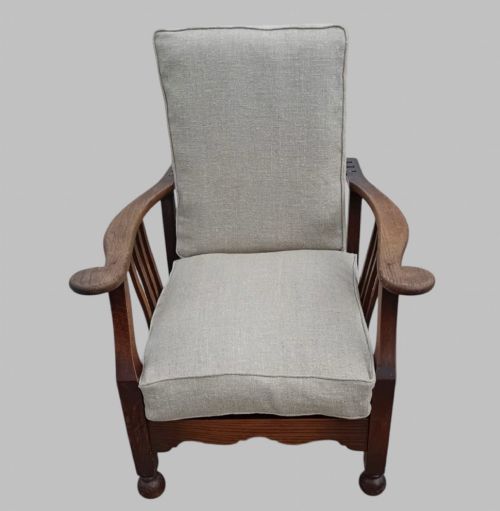
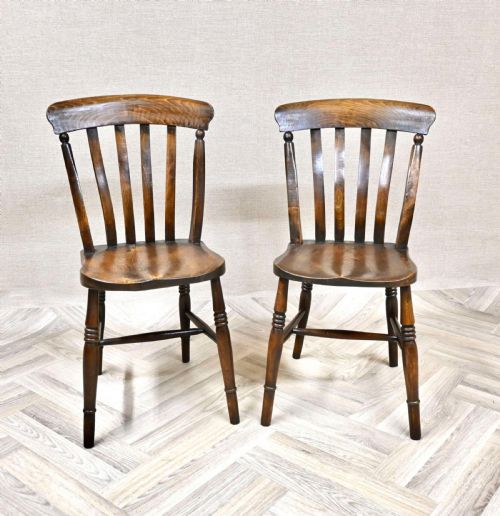
The material unifies the selection, showing deep brown tones acquired through age and finishing rather than uniform factory staining. These pieces range from country side chairs and child's chairs to grand armchairs featuring cane seats, leather pads, or exposed wooden frames.
How they were made
Craftsmen built these seats using solid oak timber, often shaped with hand tools and joined by mortise and tenon techniques. Many examples incorporate intricate surface carving on the back panels, while others utilise turned supports like barley twists.
Upholstery and decoration varied by period, employing brass studs, dark brown leather, paint, and woven fabric or cane for seating surfaces. The structure relied on the natural strength of the wood, supplemented by metal fixings in later nineteenth-century adaptations.
Retail Price Guide 2026
Typical UK retail prices for dark oak chair, calculated from the Sellingantiques database of over a million retail prices indexed since 2003. This retail price guide relies exclusively on Sellingantiques data; no external sources or auction records are used, so the figures do not describe the wider market.
One child's chair snuck in among the heavy hall seats and massive nineteenth-century dining sets, proving small Victorians sat in dark oak too.
What varies in quality
The distinction between ordinary and exceptional examples rests in the depth of the carving and the integrity of the original timber. Early pieces display crisp hand-carved detailing and period joinery, whereas lesser or later versions might show repetitive machine carving or replaced elements.
Surface patination and structural survival dictate the standing of a piece. Original finish, undisturbed timber surfaces, and intact structural frames command greater interest than heavily restored or structurally compromised examples.
john Taylor of Edinburgh
The Dark Oak Chair Glossary
- Wainscot
- An early wooden armchair with a solid panelled back and box seat construction, typical of the seventeenth century.
- Barley twist
- A type of turned furniture leg or support resembling a twisted rope, common in seventeenth-century and revival pieces.
- Shield back
- A chair back shaped like a heraldic shield, frequently found on eighteenth-century dining and hall seats.
- Patina
- The deep surface sheen and colour developed by aged wood through handling, waxing, and exposure to light over many years.
- Cane
- Woven rattan material used to form light, flexible seats and back panels on nineteenth-century bedroom chairs.
Frequently Asked Questions
How do I date a dark oak chair?
Dating relies on examining the construction methods, joinery, and style of the carving. Seventeenth-century examples typically feature peg joints and panelled backs, while Victorian pieces often display heavier machine-assisted relief carving and applied turnings.
Materials also offer clues, as early pieces rely entirely on solid timber construction, whereas later nineteenth-century versions sometimes incorporate brass studs, leather pads, or newer upholstery techniques.
Are these chairs suitable for daily use?
Many solid oak chairs remain robust enough for regular seating, provided the structural joints are sound and stable. Sturdy nineteenth-century dining chairs and hall seats handle everyday domestic environments well.
Earlier seventeenth and eighteenth-century examples require more careful placement to protect their historic timber and patinated surfaces from excessive wear or moisture.
What is a wainscot chair?
A wainscot chair is a heavy, formal wooden armchair originating in the seventeenth century, constructed with a solid panelled back. These pieces often feature carved details and a box-like seat structure.
They represent some of the earliest and most substantial forms found within traditional oak seating.
How should I clean dark oak furniture?
Maintenance involves dusting with a soft, dry cloth to prevent dirt accumulation on the carved surfaces. Avoid harsh chemical cleaners or modern polishes that can damage the historic surface sheen.
Applying a traditional beeswax periodically helps nourish the timber and preserve the natural colour of the wood.