

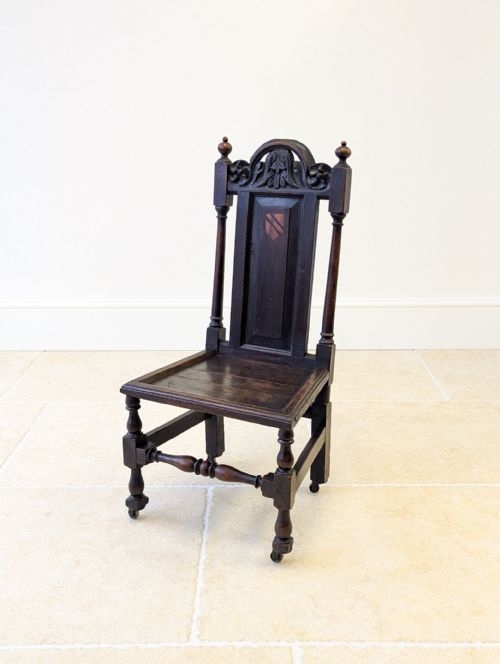
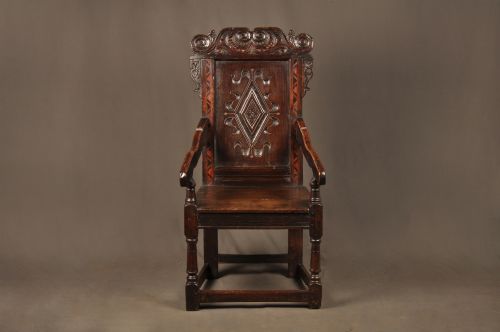
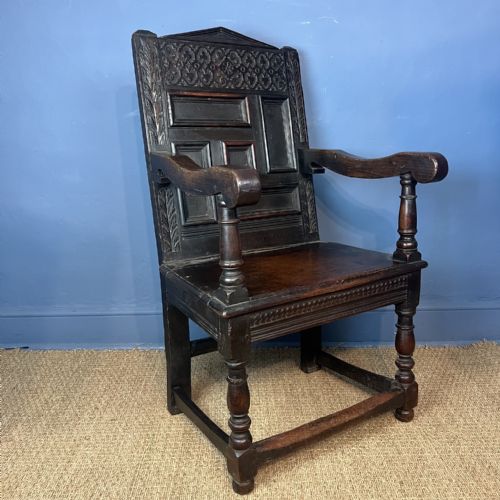
Carved Panel Chair
A carved panel chair is a sturdy piece of seventeenth-century seating built from oak, prized by collectors for its architectural woodwork and historic presence.
Understanding Carved Panel Chairs
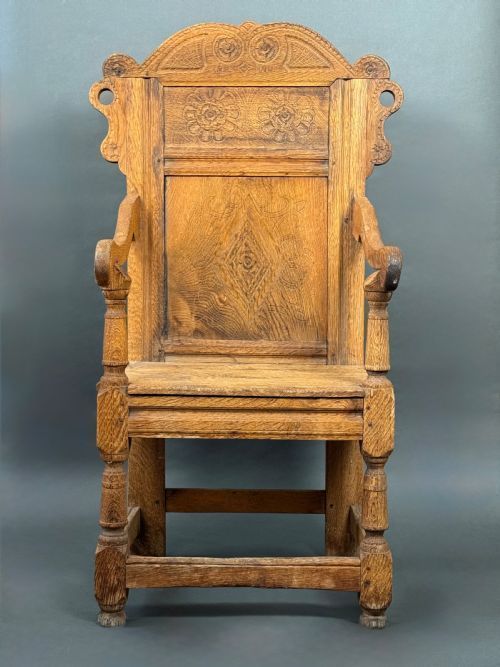
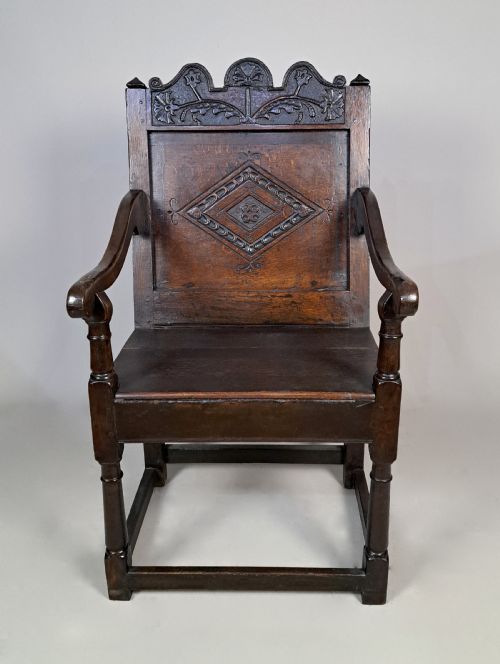
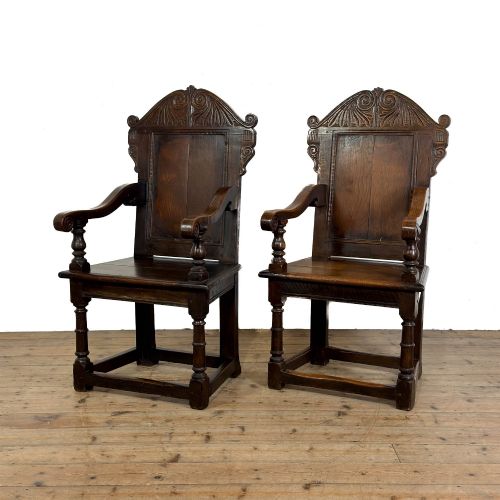
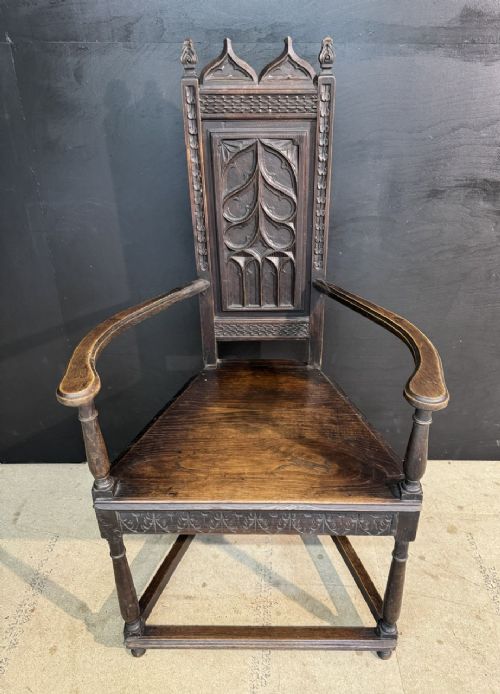
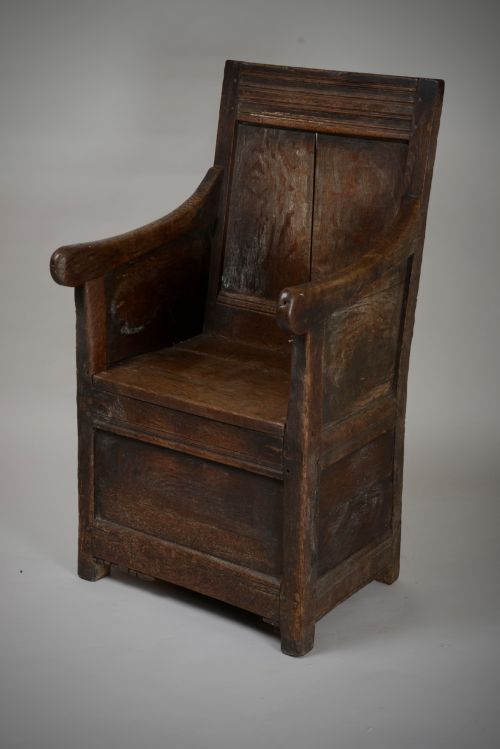
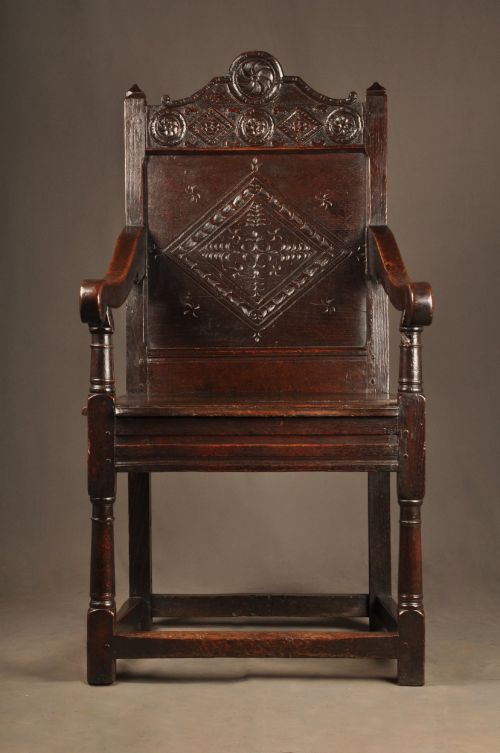
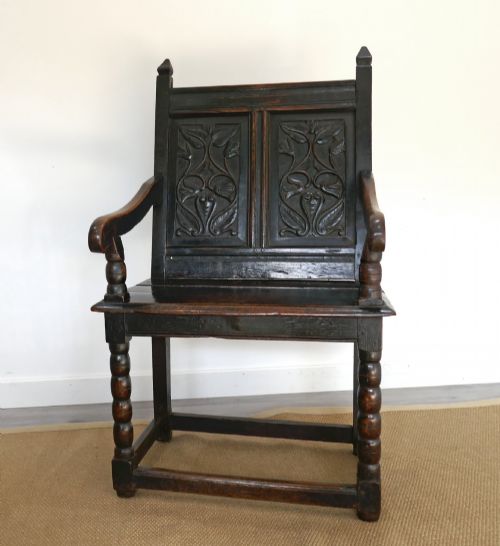
A carved panel chair typically presents itself as a wainscot armchair originating from the seventeenth century, built during the Jacobean or Charles I periods. These heavy armchairs feature solid timber construction with prominent back panels decorated in low relief.
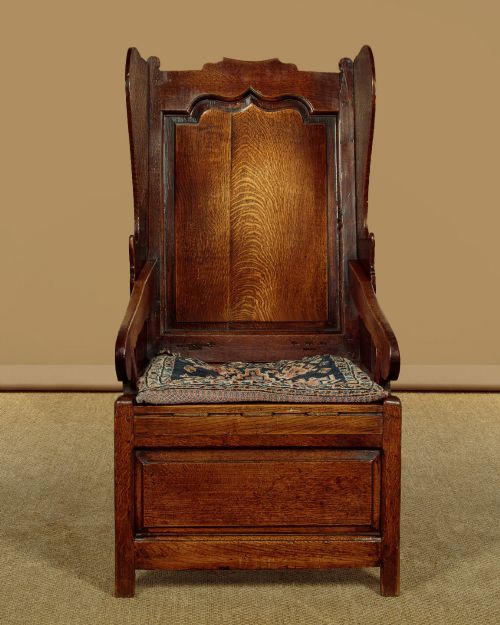
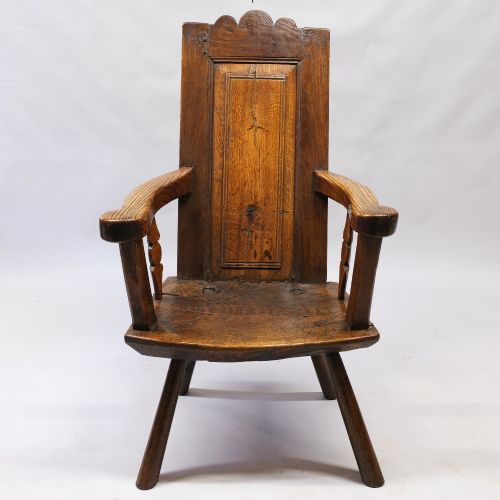
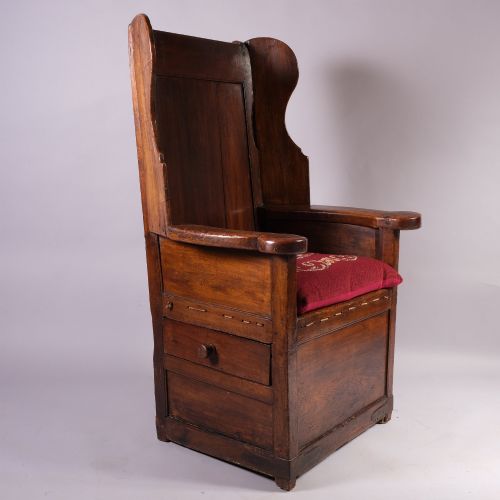
The evidence shows forms ranging from standard proportions to miniature country oak panelled examples, alongside related pieces such as panelled back stools. Regional variations like the seventeenth-century Yorkshire wainscot chair appear alongside later reinterpretations and nineteenth-century decorative panels.
Buyers encounter heavy armchairs designed for seventeenth-century interiors, where the carved back panel forms the visual centrepiece. The surviving examples demonstrate the enduring appeal of heavy oak joinery in domestic seating.
Construction and Materials
Makers built these pieces using solid oak, employing traditional joinery techniques suited to heavy timber. The primary material provides structural strength and a dense surface that takes crisp carving well.
Surface details include carved panel detailing executed directly into the timber of the backrest. Supplementary materials such as velvet and leather appear in some specifications, complementing the dark oak framework.
Retail Price Guide 2026
Typical UK retail prices for carved panel chair, calculated from the Sellingantiques database of over a million retail prices indexed since 2003. This retail price guide relies exclusively on Sellingantiques data; no external sources or auction records are used, so the figures do not describe the wider market.
The site's listings combine seventeenth-century oak wainscot armchairs with nineteenth-century pieces featuring carved panel detailing.
Judging Quality
Quality rests in the depth and crispness of the carved panel work, distinguishing confident seventeenth-century execution from later work. The sharpness of the motifs carved into the oak reveals the hand of the original joiner.
Proportion and scale also separate standard domestic seating from exceptional examples, such as miniature country pieces or robust throne chairs. The integrity of the original oak frame dictates the piece's standing among surviving examples.
The Carved Panel Chair Glossary
- Wainscot chair
- A heavy wooden armchair of the sixteenth and seventeenth centuries, constructed with panelled timber backs and solid armrests. This form represents the primary type found within seventeenth-century oak seating.
- Jacobean
- The period of English design spanning the reign of James I, characterised by sturdy proportions and geometric or strapwork carving. Pieces from this era display distinct architectural influences.
- Charles I
- The reign spanning the second quarter of the seventeenth century, associated with dark oak furniture featuring carved panel backs. Chairs from this period show deep relief carving.
- Carolean
- The period covering the reign of Charles II, sometimes referenced in relation to seventeenth-century panelled back chairs and stools. It follows the earlier Jacobean and Charles I phases.
- Black Forest manner
- A regional style of nineteenth-century woodcarving known for naturalistic animal motifs and deep relief work. This aesthetic appears in continental interpretations of panelled seating.
Frequently Asked Questions
What is a wainscot chair?
A wainscot chair is a heavy wooden armchair built primarily from oak during the seventeenth century. These pieces feature solid timber panel backs and sturdy armrests.
The term originally denoted panelling used on walls before transferring to this specific form of seating. They served as principal chairs in early domestic interiors.
How old are these chairs?
The pieces seen here date from the seventeenth century, encompassing the Jacobean and Charles I periods. This era of English furniture production relies on heavy oak joinery.
Some later nineteenth-century examples and revivals also appear in the record. These later pieces incorporate earlier panel detailing or stylistic revivals.
What wood was used?
Makers constructed these chairs using solid oak, which provides the necessary strength for heavy joinery. The timber develops a dark patina over centuries of exposure and handling.
Secondary materials like leather and velvet occasionally supplement the wooden structure. Oak remains the defining material across the surviving seventeenth-century examples.
Where were they placed?
In seventeenth-century interiors, a heavy oak armchair served as a seat of authority for the head of the household. Their solid construction suited the main rooms of substantial dwellings.
Today, collectors place them in traditional studies, hallways or living spaces where their architectural woodwork stands out. They function as both historical objects and structural seating.