

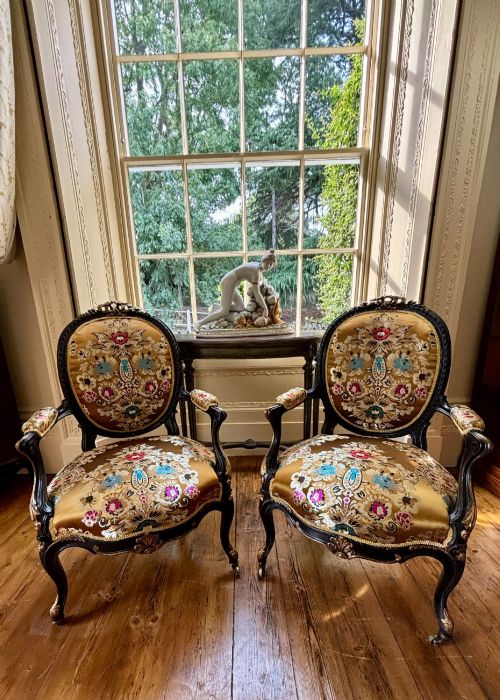
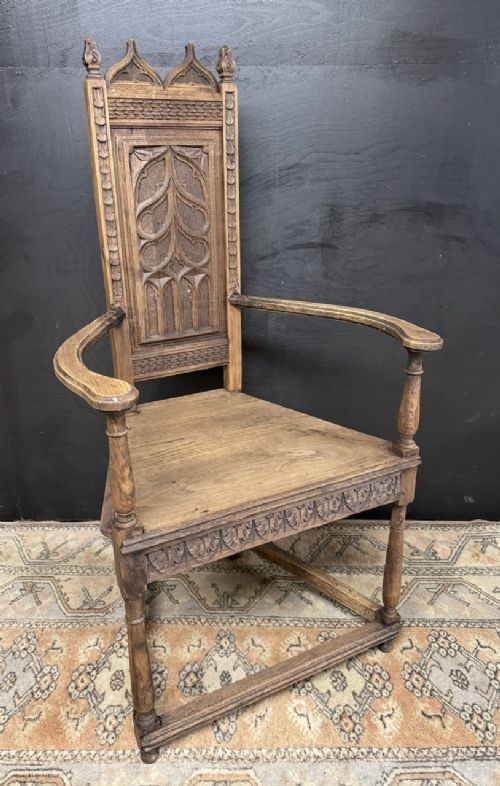
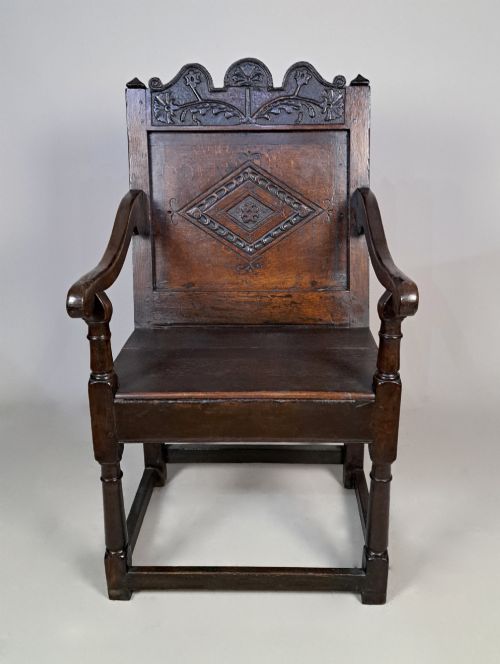
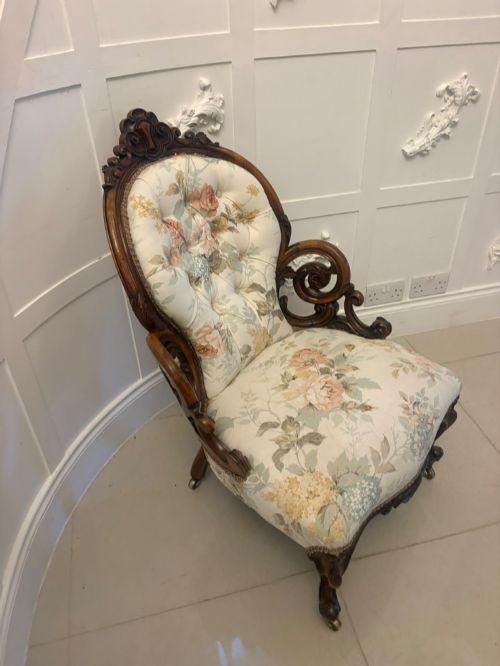
Carved Back Armchair
When you choose a carved back armchair, you acquire a seating piece defined by sculptural woodwork that spans centuries of domestic design.
Carved Back Armchair
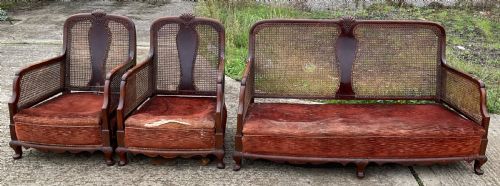
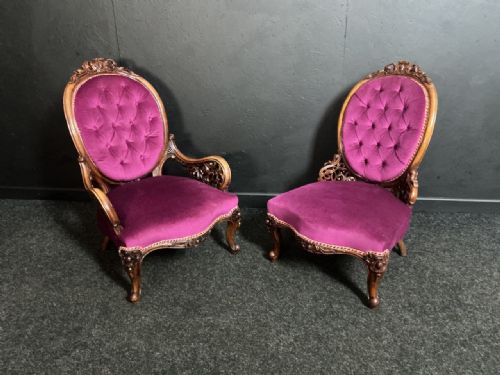
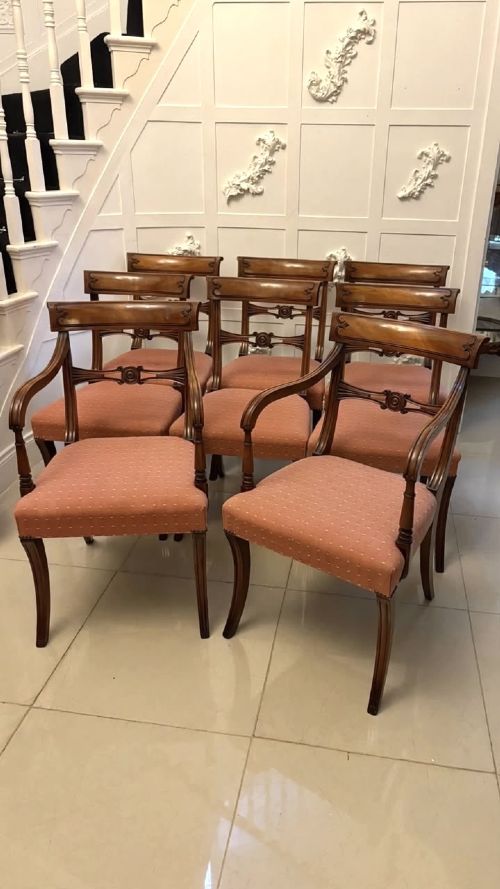
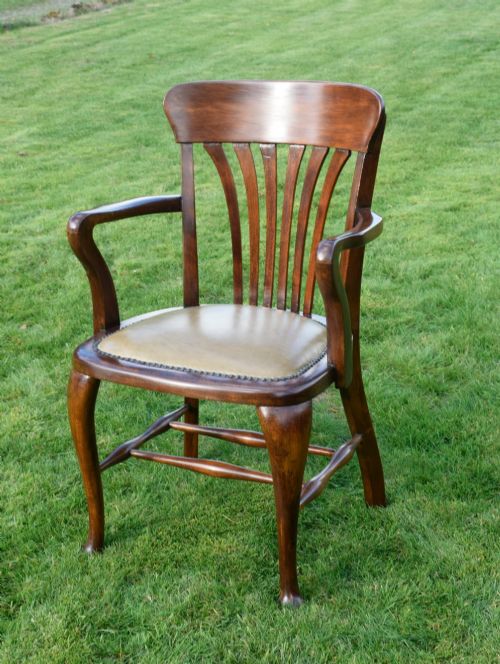
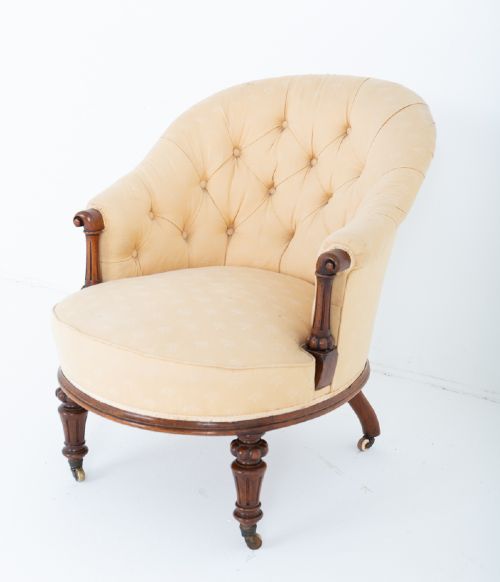
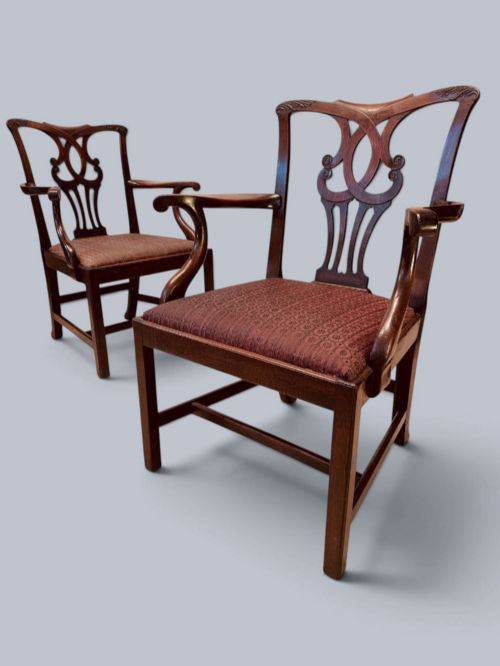
A carved back armchair encompasses seating designed with sculptural wooden splats, frames, or crest rails, ranging from formal dining carvers to library and fireside seats. The most frequently encountered versions on this page date from the Victorian period through the Edwardian era, constructed primarily in mahogany or walnut.
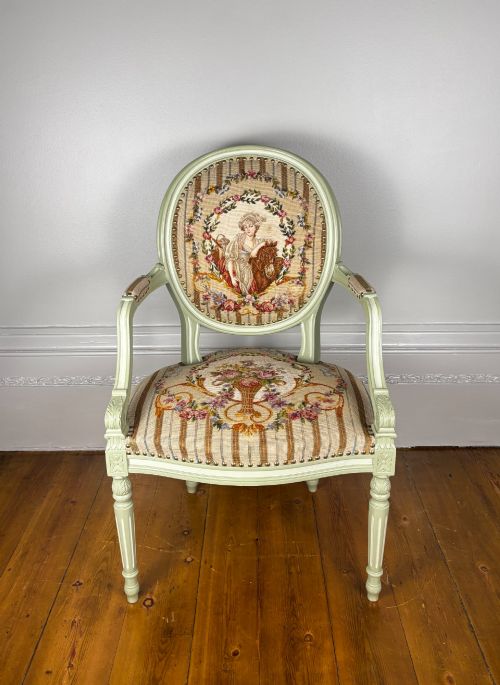
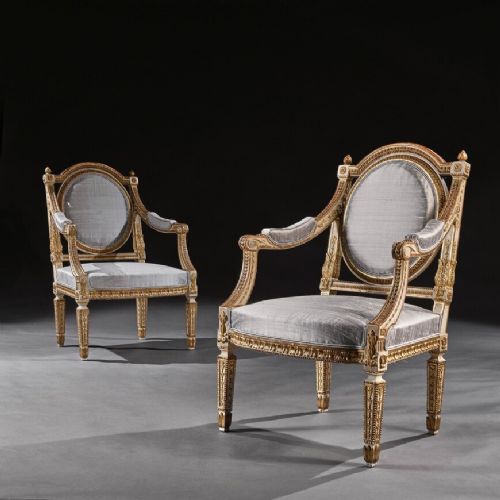
Buyers also encounter earlier examples spanning the eighteenth and seventeenth centuries, featuring regional idioms such as Scottish George III frames or Italian Baroque parcel-gilt details. Forms extend across open armchairs, wingbacks, desk chairs, and rocking chairs, each displaying distinct regional joinery.
The phrase frequently describes dining sets that include matching carvers alongside side chairs, as well as standalone library and salon chairs intended for prominent domestic spaces. Proportions vary from compact spoon backs to high-backed throne chairs designed for upright posture.
Materials and Construction
Cabinetmakers utilised dense hardwoods such as mahogany, walnut, and oak to provide the structural integrity required for deeply carved splats and load-bearing arms. Joinery relies on traditional mortise and tenon connections, ensuring frames remain rigid despite centuries of use.
Upholstered elements incorporate horsehair stuffing, coil springs in later iterations, and webbing secured to wooden rails beneath leather, velvet, or fabric coverings. Surface treatments range from hand-rubbed wax finishes on mahogany to parcel-gilt and painted applications on continental salon chairs.
Carved Back Armchair Retail Price Guide 2026
Typical asking prices for carved back armchair among the pieces listed under this phrase on Sellingantiques today, from the lower quarter to the upper quarter. They describe what is for sale here now, not the wider market.
Some nineteenth-century rocking chairs feature concealed mechanical castors beneath wooden rocker feet for indoor mobility.
Craftsmanship and Proportion
Quality rests in the crispness and depth of the timber carving, where superior examples exhibit hand-chiseled details with sharp undercutting rather than soft, mechanical moulding. The selection of timber grain, particularly in figured walnut or dense mahogany, dictates the visual weight and elegance of the frame.
Structural harmony distinguishes masterworks from standard production, evident in the fluid sweep of the arms and the balanced rake of the back legs. Original joinery intact without excessive reinforcement separates enduring pieces from heavily restored domestic seating.
Howard and Sons·Maple and Co·Alfred Allen of Birmingham·Gillows
The Carved Back Armchair Glossary
- Carver
- An armchair designed to match a set of dining chairs, typically featuring open arms and a wider seat. These were traditionally reserved for the head of the table.
- Spoon Back
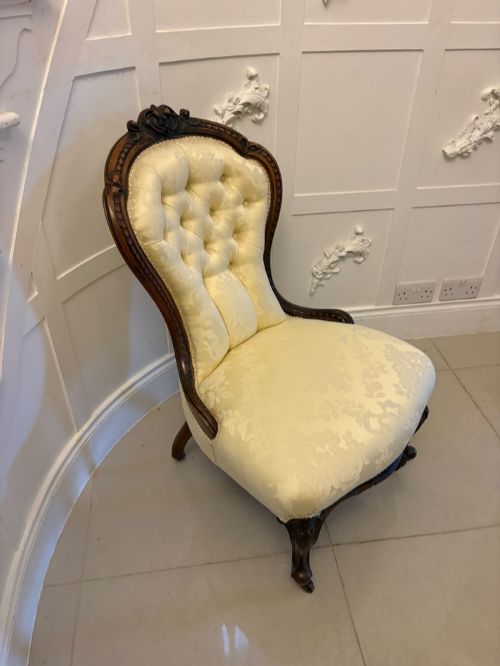
- An upholstered Victorian chair back shaped in a concave oval resembling the bowl of a spoon, designed to fit the human spine. This form appears frequently in walnut show-wood frames.
- Shield Back
- A chair back designed in the outline of a heraldic shield, popularised during the Georgian period by makers like Hepplewhite. The internal splat often incorporates carved wheat ears or drapery.
- Splati
- The vertical central strip of wood within a chair back connecting the seat to the top rail. Carved variations define the stylistic period of the seating.
- Show Wood
- Exposed polished timber frame surrounding upholstered sections of an armchair. Victorian makers utilised this technique to display carved walnut or mahogany margins.
Carved Back Armchair: Frequently Asked Questions
How do I identify a Victorian carved back armchair?
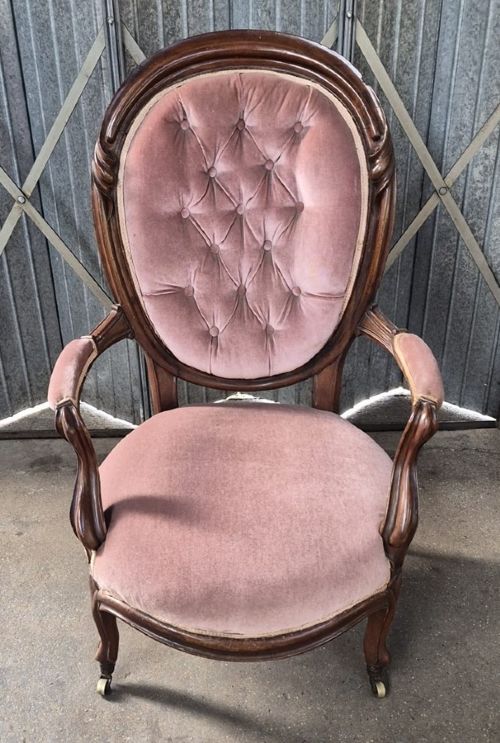
Victorian examples frequently utilise dark mahogany or walnut with prominent scroll carvings, spoon backs, and button upholstery. These pieces often feature heavier proportions compared to lighter eighteenth-century designs.
Examine the turning on the forelegs and the depth of the show-wood frame to confirm nineteenth-century production methods and materials.
Were carver chairs used only at dining tables?
While many carvers originate from dining sets, numerous examples function as desk chairs, library seating, or occasional chairs for drawing rooms. Their sturdy armrests and supportive backs suited various domestic tasks.
Single armchairs often served as fireside or reading seats rather than components of large dining sets.
How should I care for antique leather and wood?
Maintain timber frames by applying natural beeswax sparingly to nourish the grain without building up heavy residue. Keep leather supple using appropriate conservation balms suited to historic hides.
Position chairs away from direct heat sources and strong sunlight to prevent timber splitting and leather degradation.