


Traditional Accent Chair
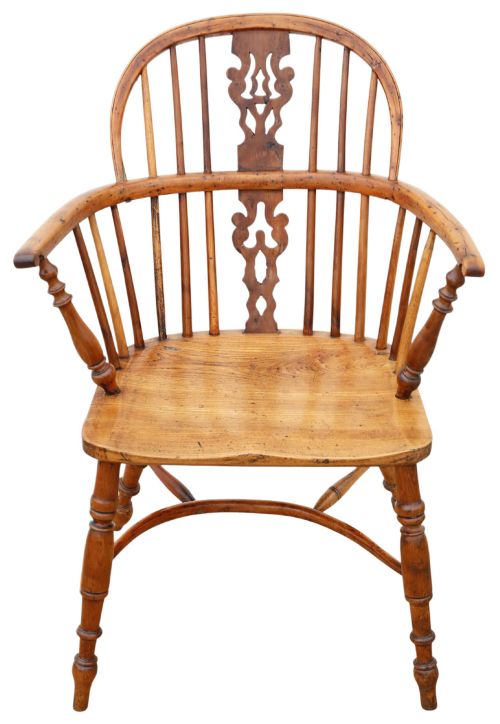
When you search for traditional accent chair, you meet centuries of seating, from sturdy Windsor armchairs to elegant Regency library chairs.
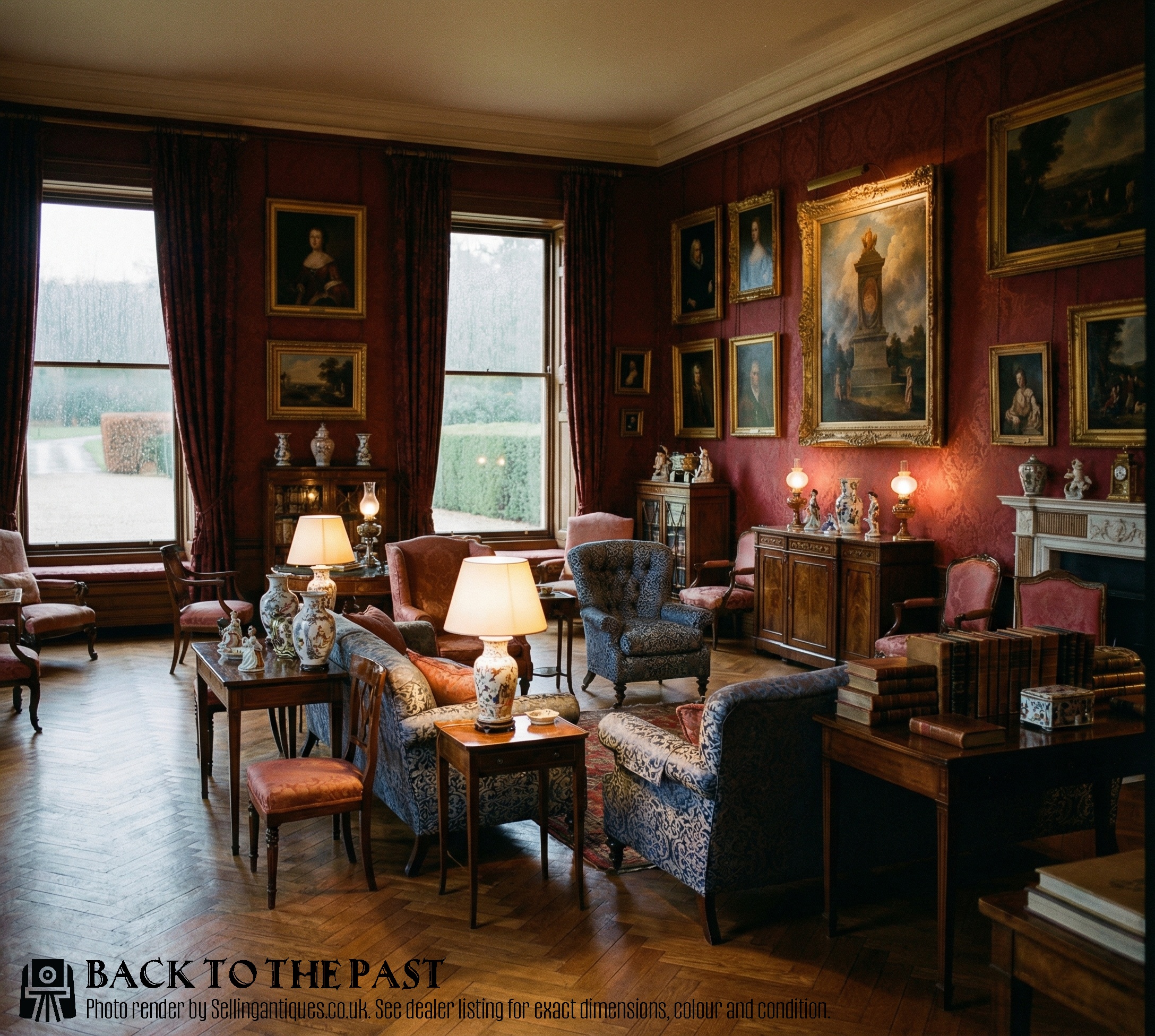
Traditional Accent Chair
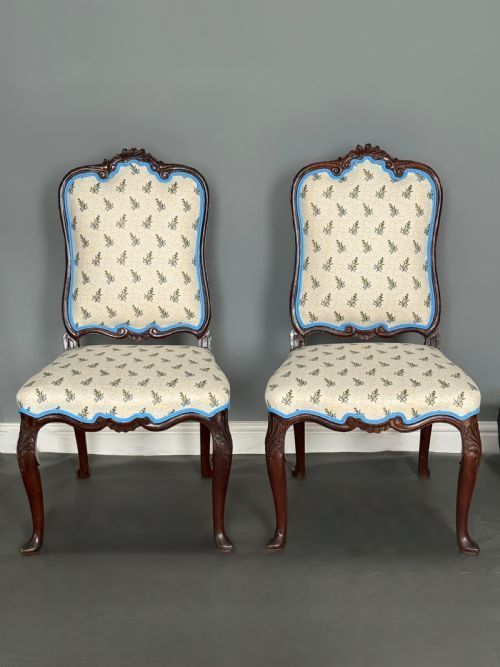
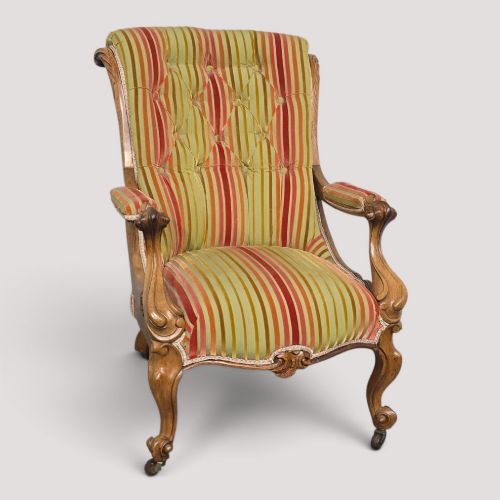
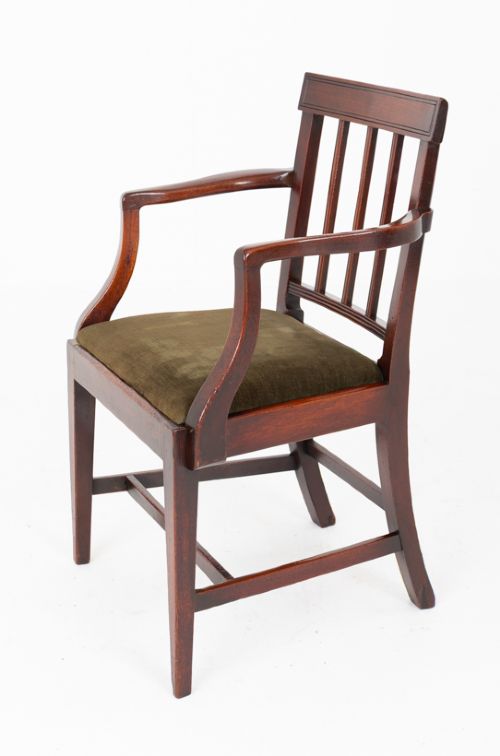
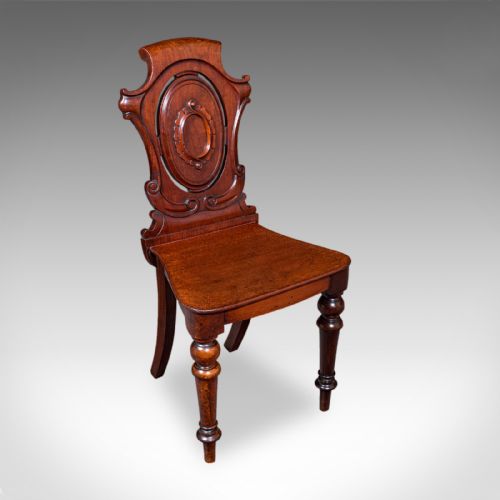
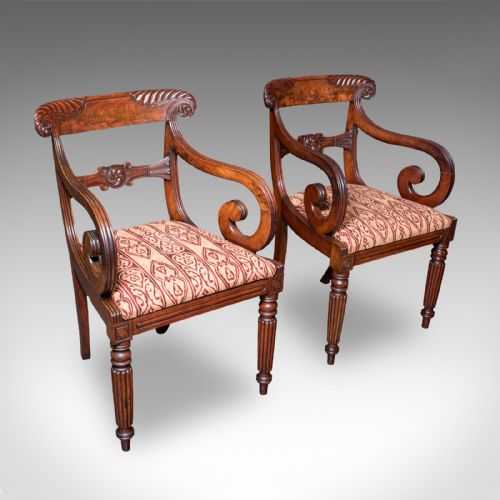
A traditional accent chair provides a functional yet decorative seat that punctuates a room's design. When searching for a traditional accent chair, buyers encounter diverse forms ranging from library armchairs and nursing chairs to hall chairs and side chairs.
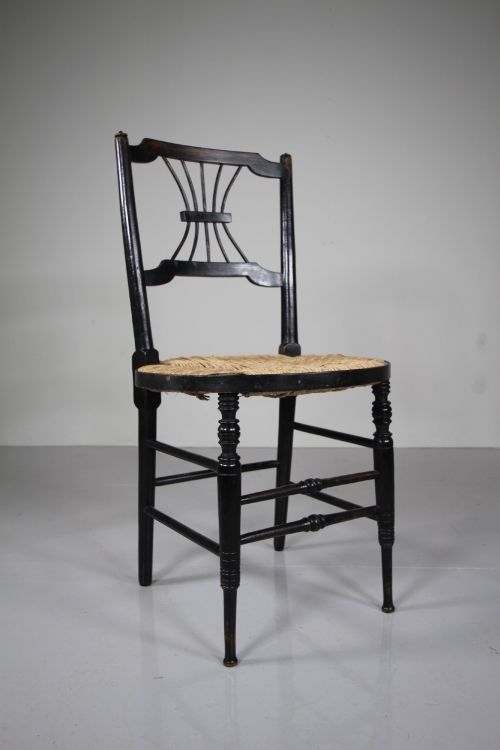
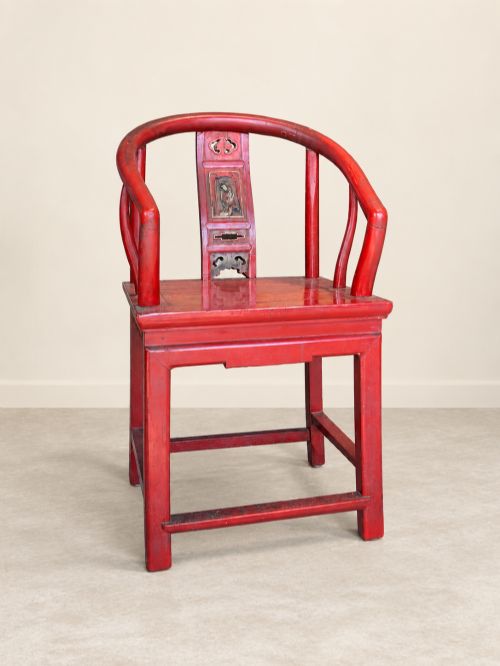
The selections span multiple eras, notably the Victorian period, the eighteenth century, and the Regency era. English country house pieces, Arts and Crafts designs, and Chinese Chippendale styles appear regularly among the offerings.
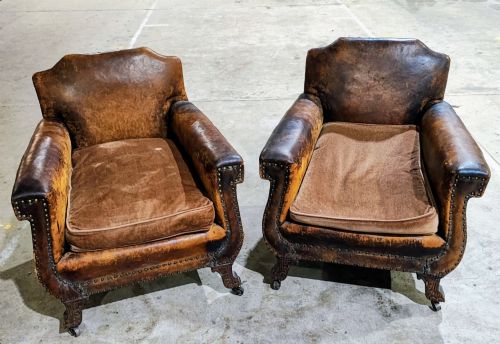
Materials shape these forms significantly, with woods such as mahogany, oak, elm, and beech providing the structural framework. Upholstered varieties utilise velvet, leather, and various fabrics, alongside split cane and wood panels.
How they were made
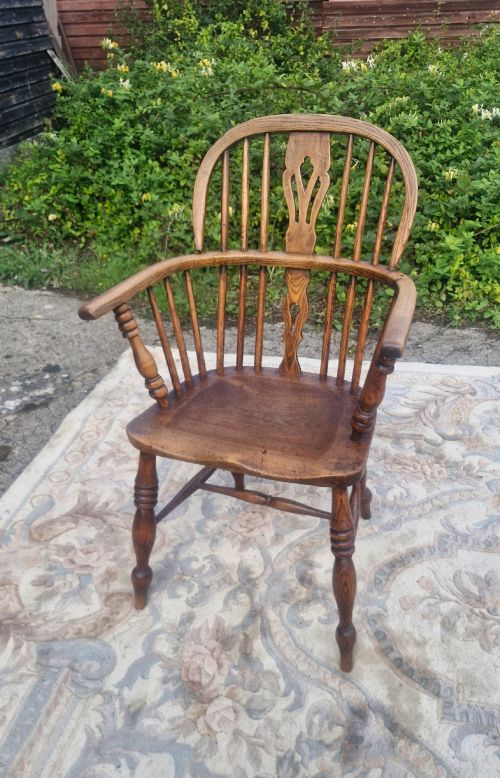
Cabinet makers and bodgers utilised solid hardwoods like mahogany, oak, and walnut for frames, employing traditional joinery such as mortise and tenon. Windsor and turners chairs relied on elm, beech, and ash, often combining turned spindles with solid contoured seats.
Surface ornamentation involved intricate hand-carving, bobbin turning, and painted finishes. Upholstered pieces integrated stuffing materials secured beneath leather, velvet, or woven fabrics, whilst bergere chairs incorporated split cane panels.
Traditional Accent Chair Retail Price Guide 2026
Typical asking prices for traditional accent chair among the pieces listed under this phrase on Sellingantiques today, from the lower quarter to the upper quarter. They describe what is for sale here now, not the wider market.
An Indian wedding chair arrives adorned with carved rams heads and gleaming silver metalwork.
What varies in quality
The grade of timber and the precision of the joinery set the baseline for each piece. Fine examples display carefully selected grain patterns in mahogany or walnut, alongside crisp, deep hand-carving that remains sharp across structural components.
Originality of elements such as brass castors, cane work, and upholstery webbing dictates the character of the piece. Chairs retaining their period surfaces and uncompromised structural frames demonstrate superior provenance and enduring construction.
William Morris·Howard and Sons·Charles Tozer
The Traditional Accent Chair Glossary
- Windsor armchair
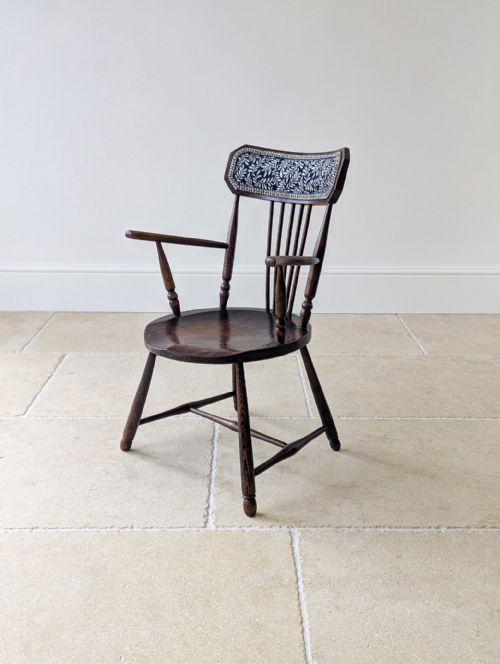
- A wooden chair featuring a solid carved wooden seat into which the legs and back spindles are wedged directly. These country pieces often combine elm seats with ash or beech bends.
- Bergere
- An enclosed upholstered armchair with a wooden frame, frequently featuring cane work panels on the back and sides. This French-inspired form gained popularity during the early twentieth century.
- Carver
- An armchair designed to match a set of dining chairs, traditionally placed at the head of the table. They share stylistic motifs with their smaller side chair counterparts.
- Sgabello
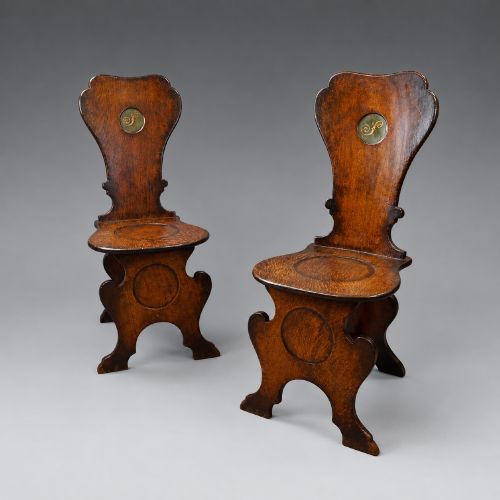
- A lightweight wooden hall chair characterised by a high back and a base formed of solid boards rather than four legs. These decorative seats stood in hallways during historical periods.
- Turners chair
- A heavy armchair constructed entirely from turned wooden members intersecting in geometric patterns. Also known as roundel chairs, they date back to early vernacular traditions.
Traditional Accent Chair: Frequently Asked Questions
What is a traditional accent chair?
A traditional accent chair is a standalone seat that introduces historical character and colour to a room. These pieces encompass diverse forms like library armchairs, hall chairs, and low-back nursing seats.
Originating from periods spanning the eighteenth to the early twentieth centuries, they utilise materials such as mahogany, oak, leather, and velvet. Each style reflects the craftsmanship of its specific era.
Where should I place an accent chair?
Traditional accent chairs fit well in corners, reception spaces, bedrooms, and beside fireplaces. Low-back nursing chairs and barrel backs suit intimate seating areas.
Larger library armchairs anchor studies or living rooms, whilst narrow hall chairs occupy corridors and entranceways effectively.
How do I identify Victorian chairs?
Victorian chairs often feature dark woods like mahogany or walnut, accompanied by button-backed upholstery, velvet, or elaborate turned legs. These pieces reflect eclectic revivals of earlier historical styles.
Makers during this era also produced Windsor chairs in elm and beech, alongside low bedroom and nursing seats designed for domestic comfort.
Are Windsor chairs comfortable?
Windsor chairs provide supportive seating through their sculpted wooden seats and steam-bent back bows. Their ergonomic designs were shaped by traditional country woodworkers.
Adding a loose squab cushion enhances comfort for extended sitting while preserving the visible timber grain and spindle structure.