




Charles I Chair
A charles i chair brings solid seventeenth-century oak craftsmanship and panelled comfort into a room.
Charles I Chair
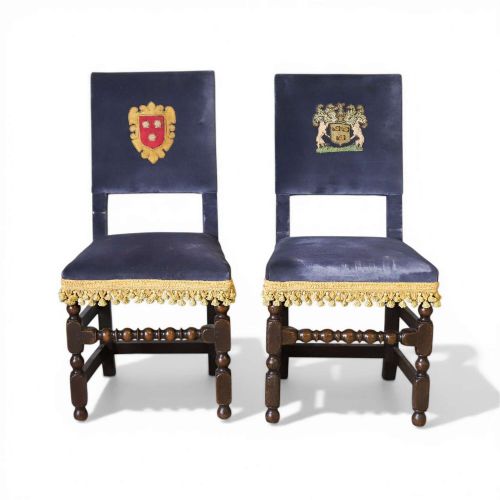
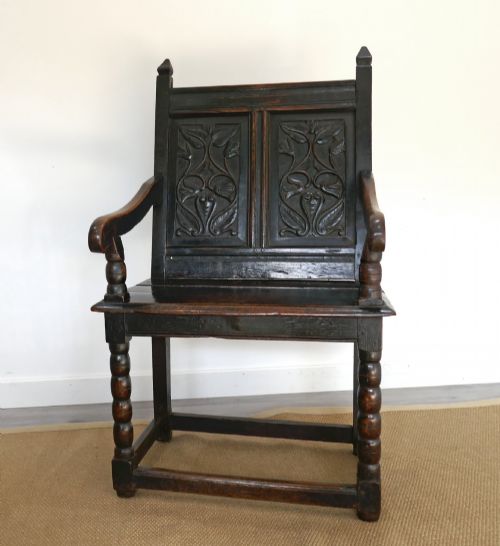
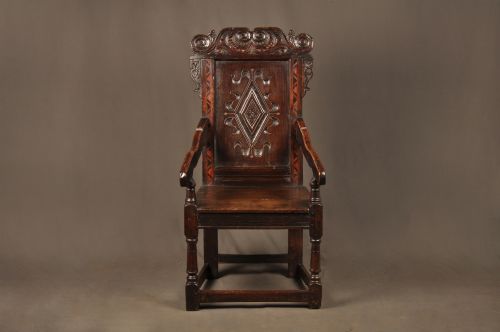
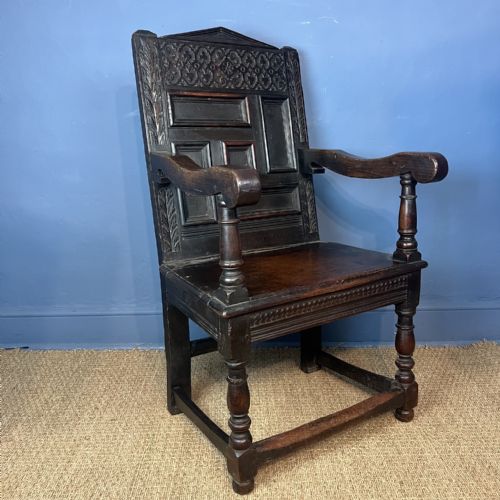
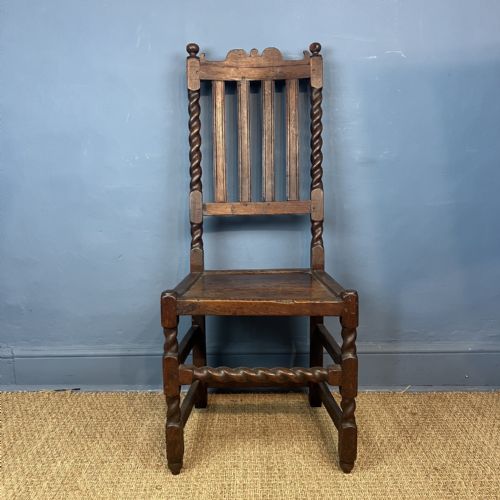
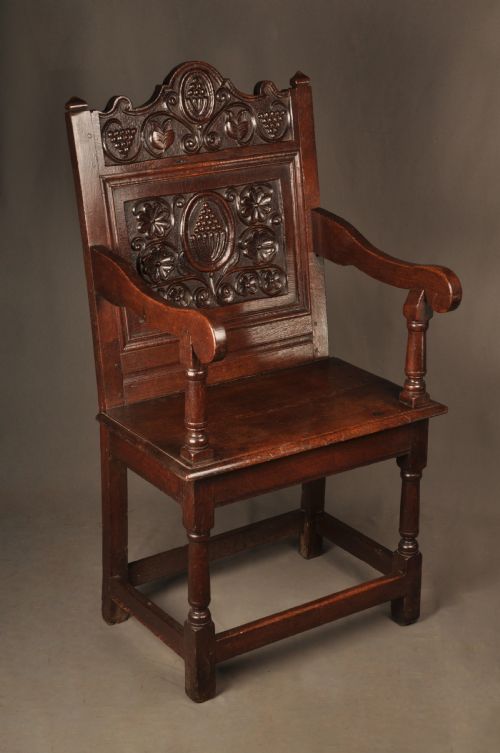
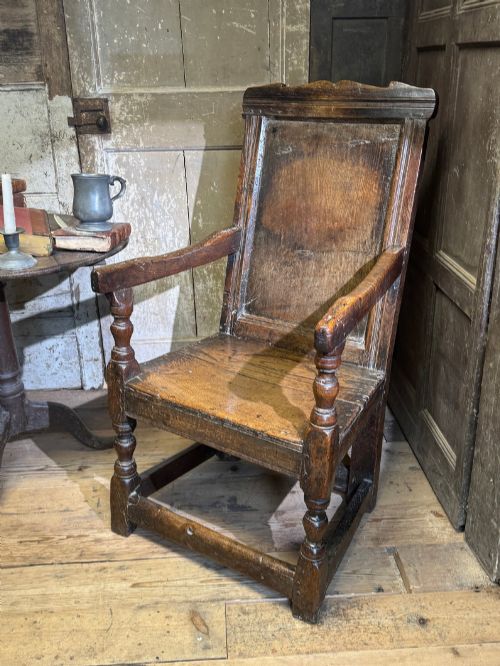
A buyer seeking a charles i chair encounters robust wainscot chairs, joined backstools, and armchairs primarily rooted in the seventeenth century, alongside later nineteenth-century revivals.
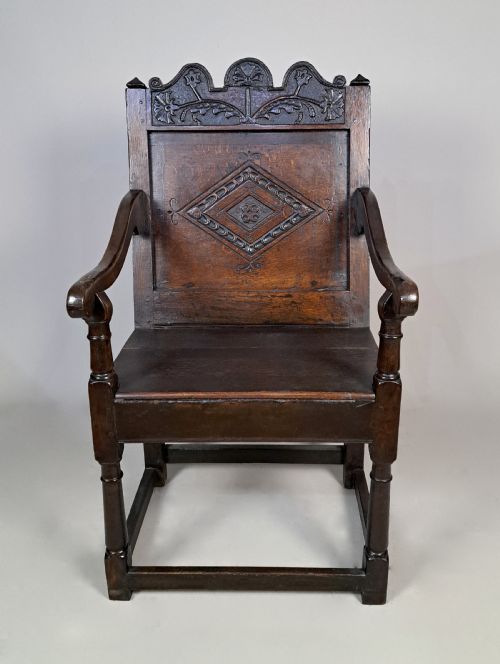
These seating forms typically feature sturdy panelled timber backs, solid wooden seats, and strong turned legs reflecting early English regional joinery from Lancashire, Yorkshire, and the West Country.
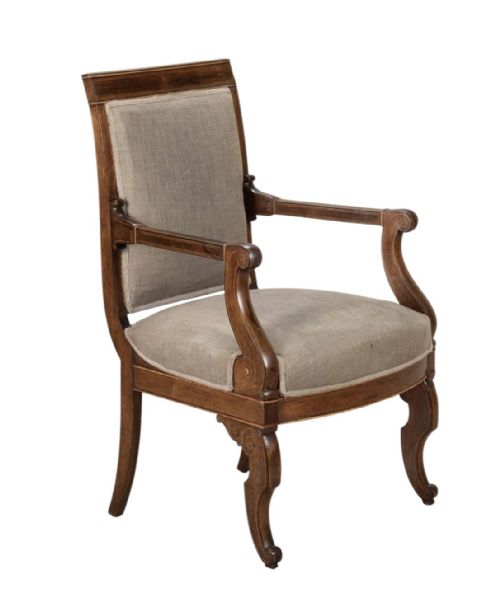
Original seventeenth-century pieces appear alongside Victorian revival examples influenced by Carolean styles and later historical interpretations.
Materials and Construction
Makers utilised native English timber, predominantly solid oak and walnut, joined using traditional mortise and tenon joints secured with wooden pegs.
Decoration relied on hand-carved panelling, heraldic motifs, geometric patterns, and linear mouldings worked directly into the structural wood.
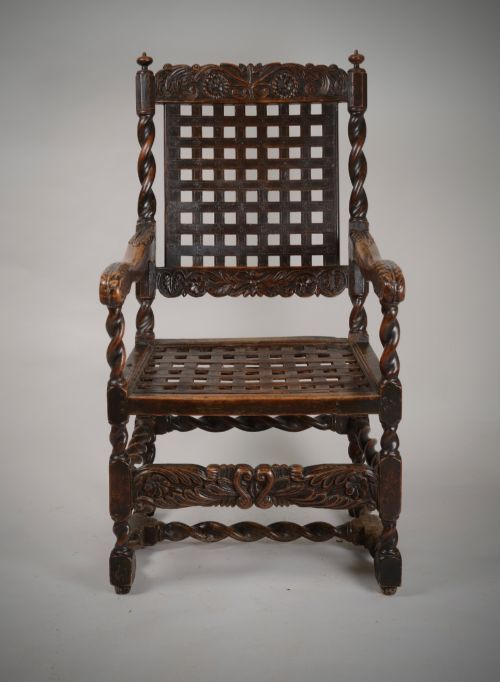
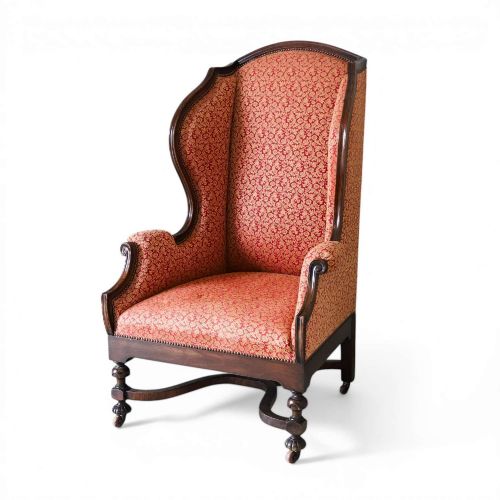
Some variants incorporate woven cane, brass details, and textile elements such as velvet, damask, or tapestry upholstery.
Listings feature regional English oak wainscot chairs alongside French Rosewood and mahogany armchairs from the nineteenth century.
Markers of Quality
Quality rests in the extent of original timber preservation, the crispness and depth of the hand-carving on the back panels, and the structural integrity of the joints.
Examples retaining their early surface colour and minimal structural replacement command greater appreciation than those heavily restored in later centuries.
Charles Tozer·Charles Dudouyt·Charles Hindley & Sons·Charles Robert Ashbee·Charles Bevan·James Lamb·Charles Walker of Harrogate·Charles François Normand
The Charles I Chair Glossary
- Wainscot chair
- A heavy wooden armchair constructed with panelled backboards, popular in the seventeenth century. This form represents the primary seating style of the period.
- Backstool
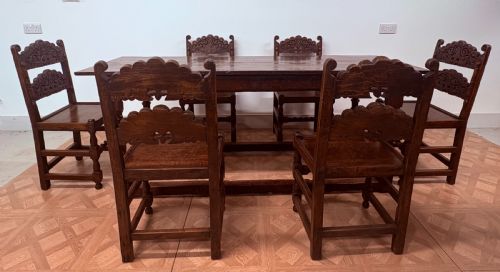
- An early term for a upholstered or wooden side chair without arms. These pieces match larger armchairs within period dining sets.
- Carolean
- Pertaining to the reign of King Charles II, frequently associated with heavily carved walnut framing and cane panels. The style experienced revivals during the Victorian era.
- Joint stool
- A low wooden seat built with pegged mortise and tenon joinery rather than turned legs alone. Carpenters utilised these versatile items throughout domestic spaces.
- Cane
- Woven rattan material used for chair backrests and seats during the later seventeenth century. It provides a lighter alternative to solid wood panels.
Charles I Chair: Frequently Asked Questions
How do I identify a true seventeenth century chair?
Authentic pieces display period tool marks, pegged timber joinery, and natural patination accumulated through centuries of domestic use. Examining the underside and the wear patterns on the wooden seat reveals the age of the construction.
Revival pieces from the nineteenth century often feature machine-cut elements and softer wood grains that differ significantly from early oak or walnut frames.
Were these chairs used for dining?
Seventeenth-century households placed wainscot armchairs at the head of the dining table for the head of the house. Side chairs and backstools accompanied refectory tables in sets for other family members and guests.
Later Victorian dining sets adopted these historical forms purely for formal dining rooms rather than everyday domestic seating.
How should I care for antique oak furniture?
Maintain stable indoor humidity levels and keep wooden seating away from direct heat sources to prevent the timber from splitting. Regular dusting with a dry cloth preserves the natural finish without damaging the grain.
Avoid applying modern silicone polishes, as traditional oak surfaces respond best to occasional applications of appropriate wax.
What is the difference between wainscot and Carolean styles?
Wainscot pieces feature solid panelled wooden backs, heavy frames, and architectural carvings typical of the early seventeenth century. They emphasise structural joinery and plain timber surfaces.
Carolean designs from later in the century introduce lighter walnut frames, open scrollwork, cane inserts, and elaborate crest rails reflecting continental Baroque influences.