


Early Oak Furniture
Early oak furniture brings centuries of solid domestic history into a room through honest joinery and rich timber.
Early Oak Furniture
Early oak furniture encompasses utilitarian and formal domestic items spanning from the sixteenth century through the early twentieth century, including revival pieces and country variants. Surviving examples range from heavy seating and panelled coffers to drawer chests, dressers, and gateleg tables originating from English, Welsh, and continental workshops.
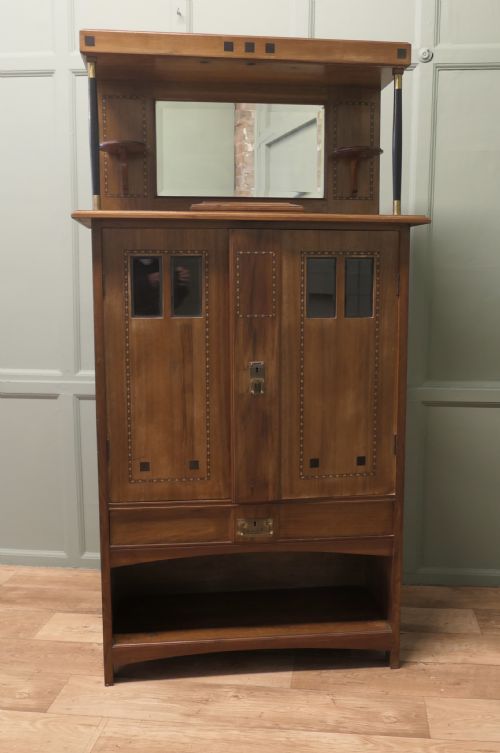
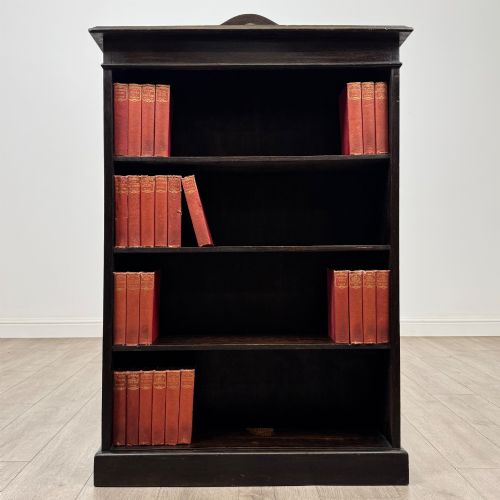
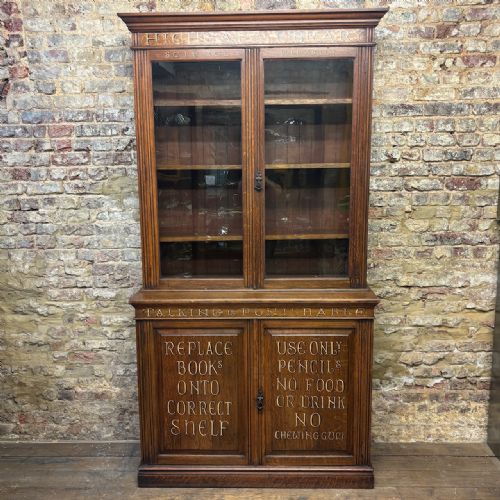
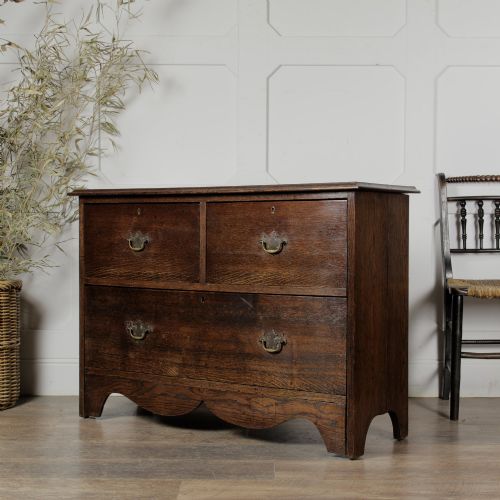
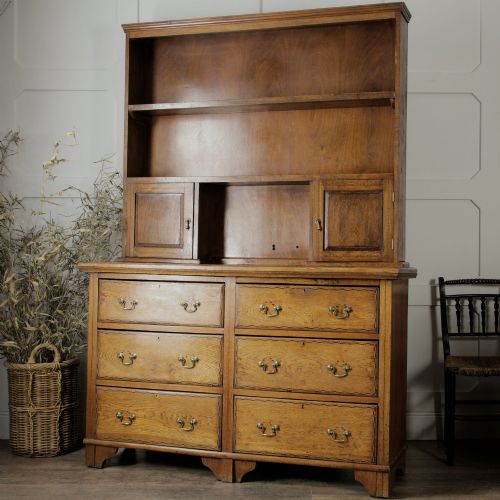
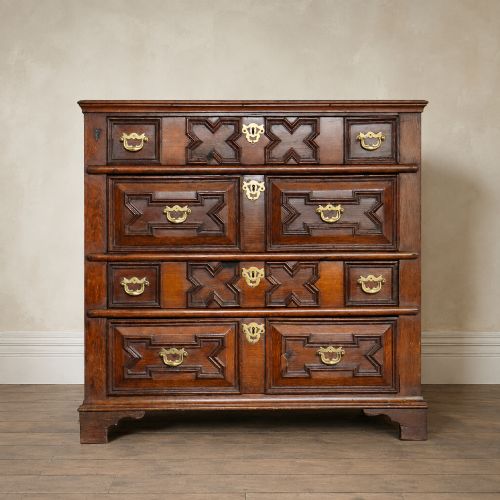
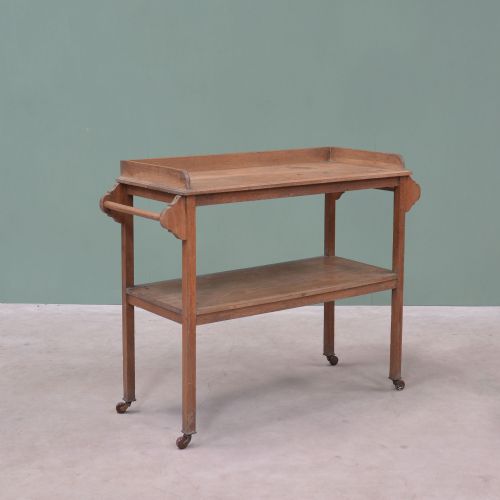
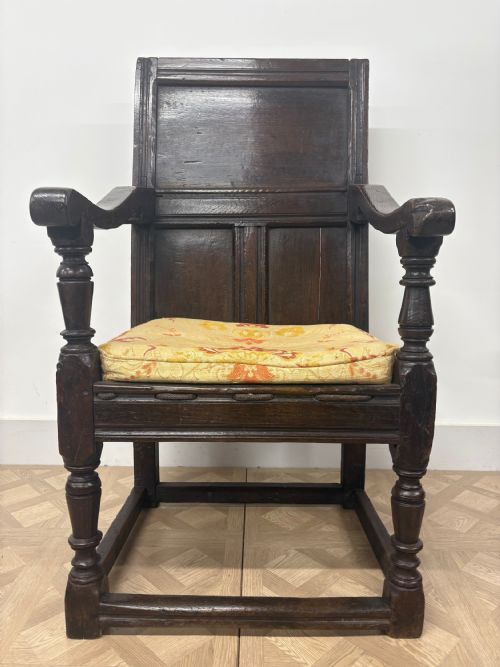
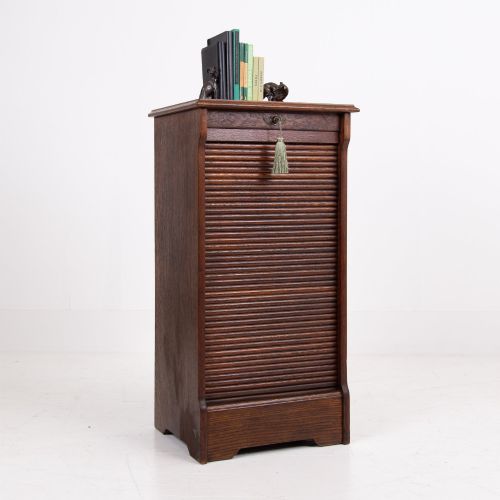
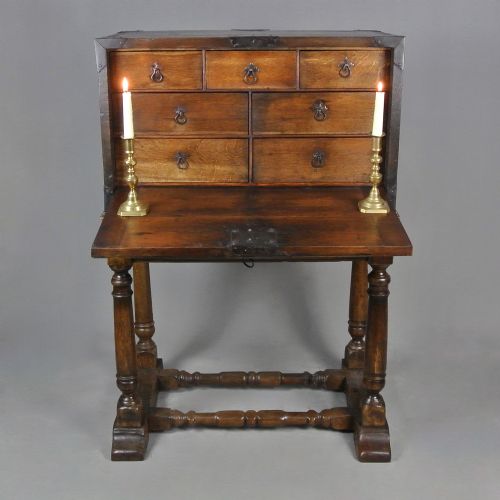
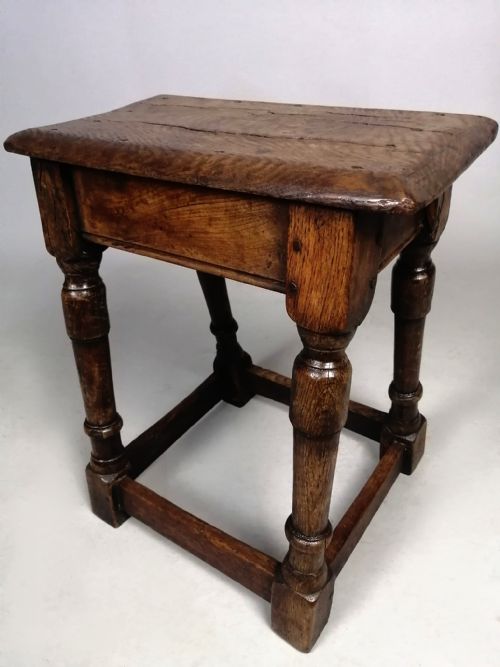
The pieces on this page heavily feature seventeenth-century joined items such as wainscot armchairs and joint stools alongside eighteenth-century geometric chests and dressers. Later nineteenth- and early twentieth-century interpretations, including Jacobean revival side tables and school bookcases, also appear frequently.
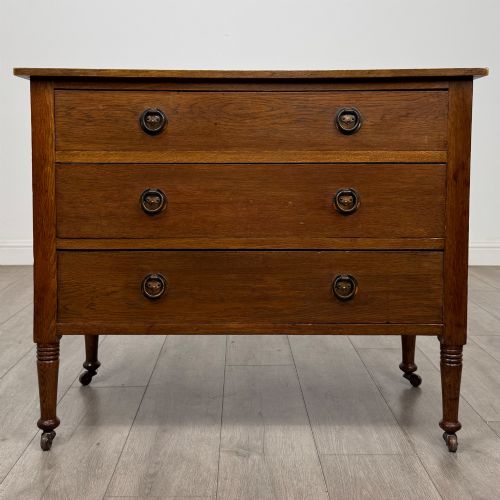
Forms vary from robust church and farmhouse storage to refined Queen Anne and Georgian case furniture. Buyers find everything from lowboys and writing slopes to tallboys and tridarns reflecting distinct regional construction habits.
Materials and Construction
Makers relied primarily on native British oak, complemented by secondary timbers like elm, fruitwood, and pine for drawer linings and internal panels. Joinery depended heavily on mortise and tenon joints secured with wooden pegs rather than metal nails, allowing the timber to expand and contract naturally.
Surface decoration frequently involved hand-carving, geometric mouldings, and panelled construction, utilising simple drawknives, chisels, and pit-sawn boards. Secondary materials such as brass drop handles, iron hinges, and occasionally glass or fabric appear on later or adapted pieces.
Materials recorded across the inventory include oak, elm, fruitwood, brass, iron, glass, and fabric.
Assessing Quality
Quality rests upon the integrity of the original timber and the survival of surface patination built up through centuries of handling and wax polishing. Untouched structural framing with minimal timber replacement commands higher regard than pieces suffering from extensive board shrinkage or unsympathetic modern repairs.
The crispness of hand-cut joinery and carved details distinguishes superior workshop production from cruder vernacular output. Proportion, original hardware, and the depth of colour in the grain ultimately determine the standing of an individual piece.
Heals·U Phone of Leeds
The Early Oak Furniture Glossary
- Wainscot
- A heavy wooden armchair featuring panelled backrests and solid wooden seats, typical of seventeenth-century domestic interiors. These chairs were status items in a household before lighter seating became common.
- Coffer
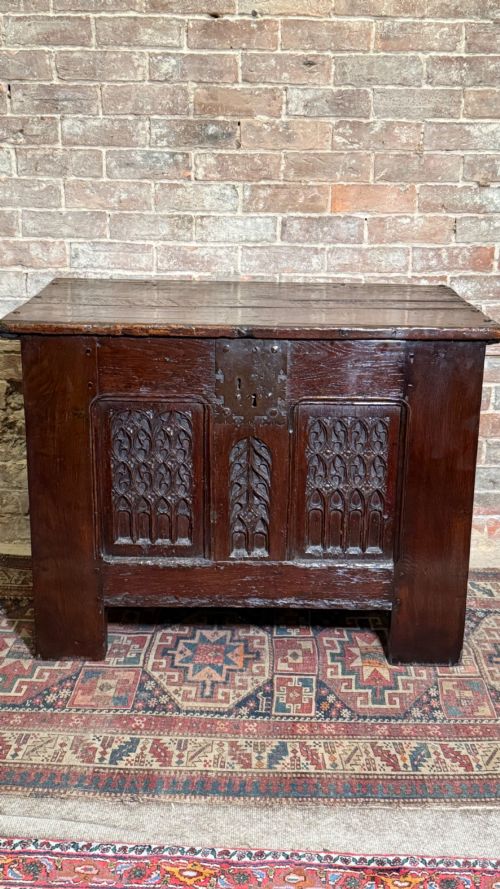
- A large rectangular chest used for storing valuables, textiles, or documents, often constructed with heavy stiles and rails. Early versions rely entirely on pegged frame-and-panel assembly.
- Joint Stool
- A sturdy four-legged wooden stool joined with pegged mortise and tenon framing rather than turned legs driven into a seat. They served multiple seating and utility roles in early homes.
- Tridarn
- A large three-tier Welsh cupboard used for displaying and storing plate and provisions. It represents a pinnacle of regional vernacular joinery.
- Lowboy
- A small side table with drawers, raised on slender legs, commonly produced during the late seventeenth and eighteenth centuries. They typically functioned as dressing or writing tables.
Early Oak Furniture: Frequently Asked Questions
How do I date an early oak piece?
Dating relies on observing construction methods, tool marks, and timber shrinkage. Pegged joints, hand-sawn board edges, and regional styling cues help place a piece within a specific century.
Secondary woods and hardware changes also offer clues, though timber patination and wear patterns remain the most reliable guides for experienced buyers.
Can I use these items daily?
Most early oak pieces were built for rigorous daily use and easily withstand modern domestic living. Tables, chairs, and chests remain structurally sound if kept away from excessive heat and moisture.
Routine maintenance involves simple waxing to nourish the dry timber and protect the historic surface finish from everyday wear.
Why is oak furniture often dark?
The deep colour develops naturally as bare oak ages and reacts with light, air, and centuries of wax applications. Tannins within the wood darken progressively over generations of handling.
Many pieces also acquired deeper tones from smoke exposure in early homes before modern heating and lighting became standard.
What is the difference between joined and boarded furniture?
Joined furniture uses a skeletal framework of stiles and rails fitted together with mortise and tenon joints to hold floating panels. This allows the wood to move seasonally without cracking.
Boarded furniture simply pins or nails wide planks together directly, representing an older and simpler method of construction prone to splitting over time.