

Antique Cane Chair
An antique cane chair brings woven texture and lightness to a room, offering both historic character and enduring support.
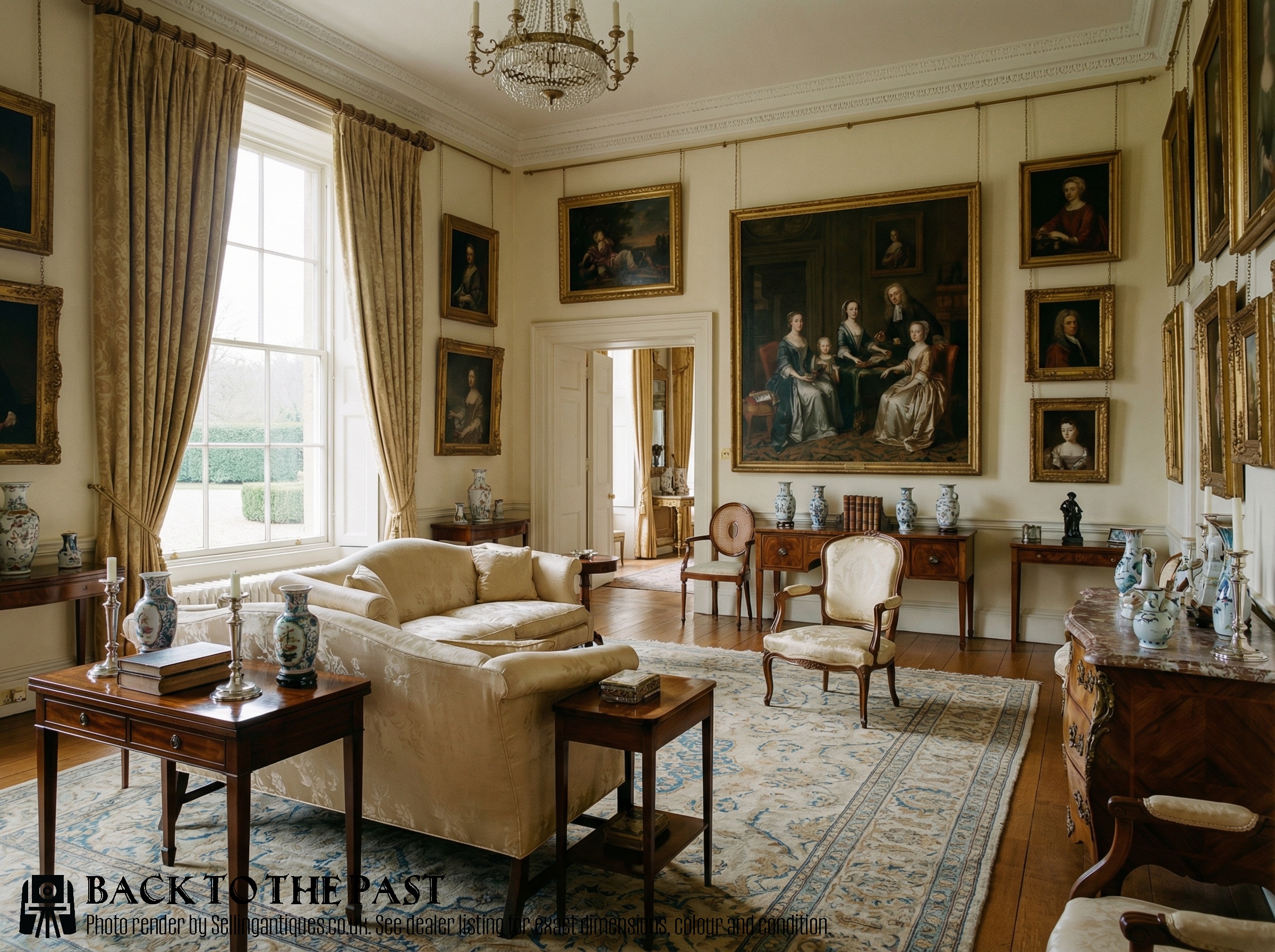
Antique Cane Chair
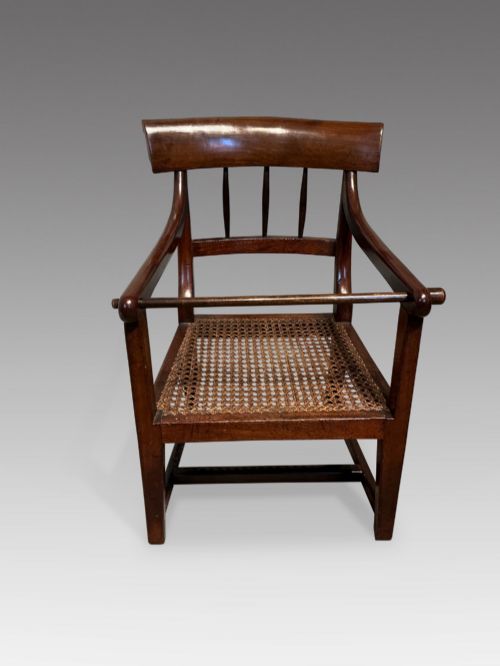
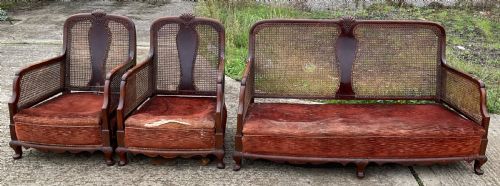
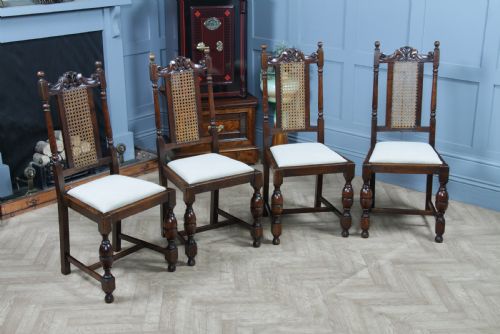
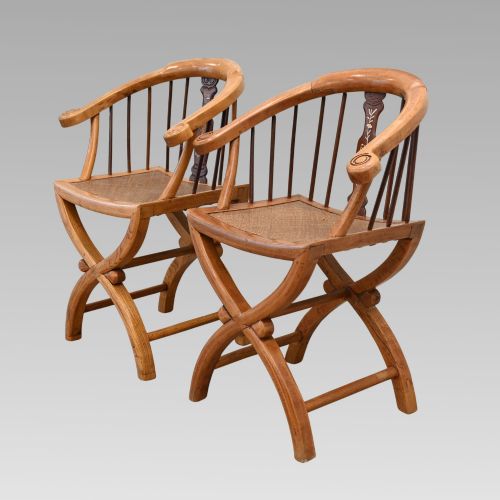
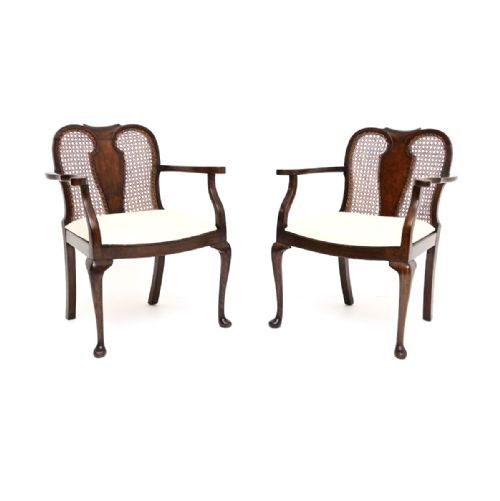
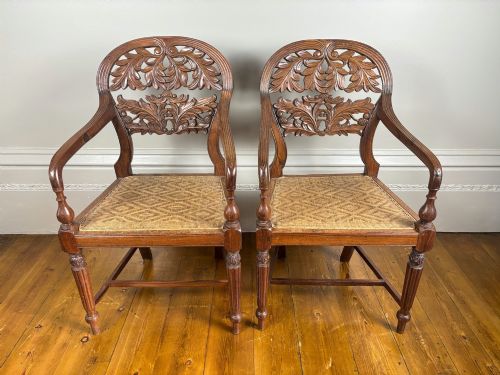
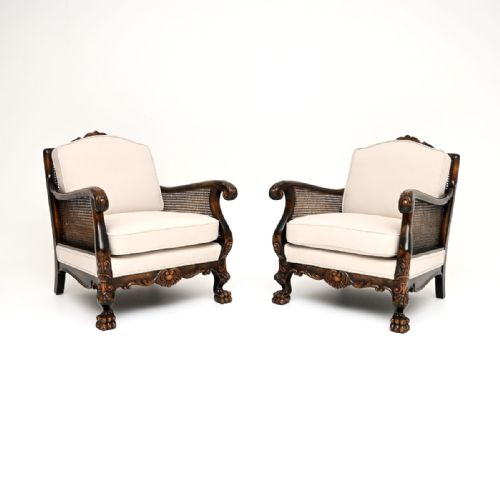
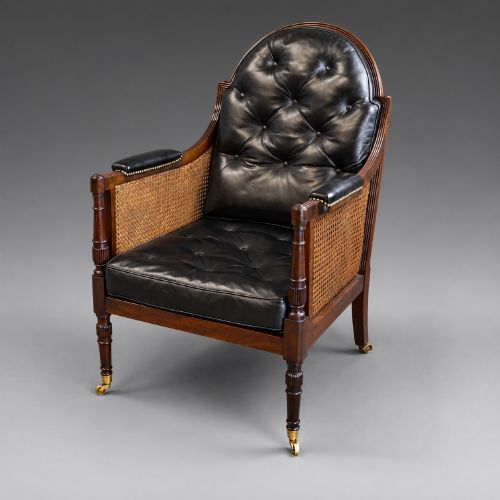
An antique cane chair encompasses forms ranging from modest bedroom seats to substantial dining sets and library armchairs. Buyers exploring this category will frequently encounter dining chairs, armchairs, and tub chairs originating from the Regency period through the Edwardian era.
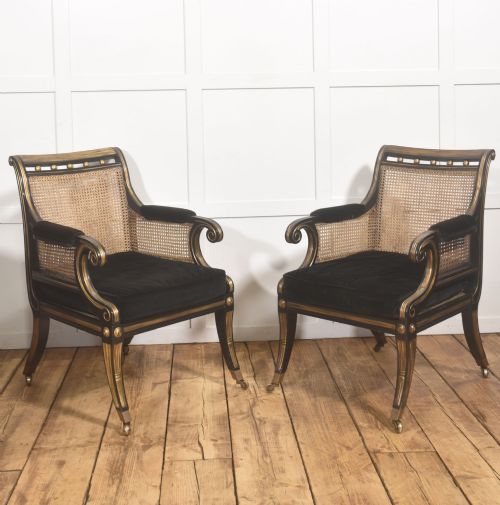
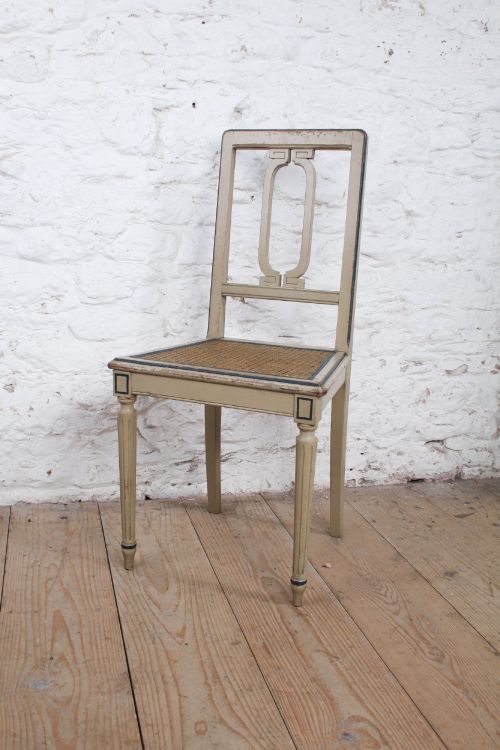
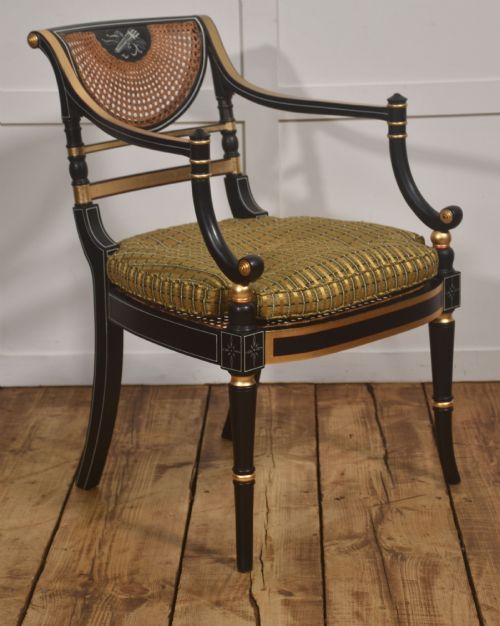
The selection includes diverse regional interpretations, from French Louis XV style walnut frames to Anglo-Indian ebony seating and Regency painted finishes. These pieces served varied domestic functions, functioning equally as formal dining furniture and relaxed library seating.
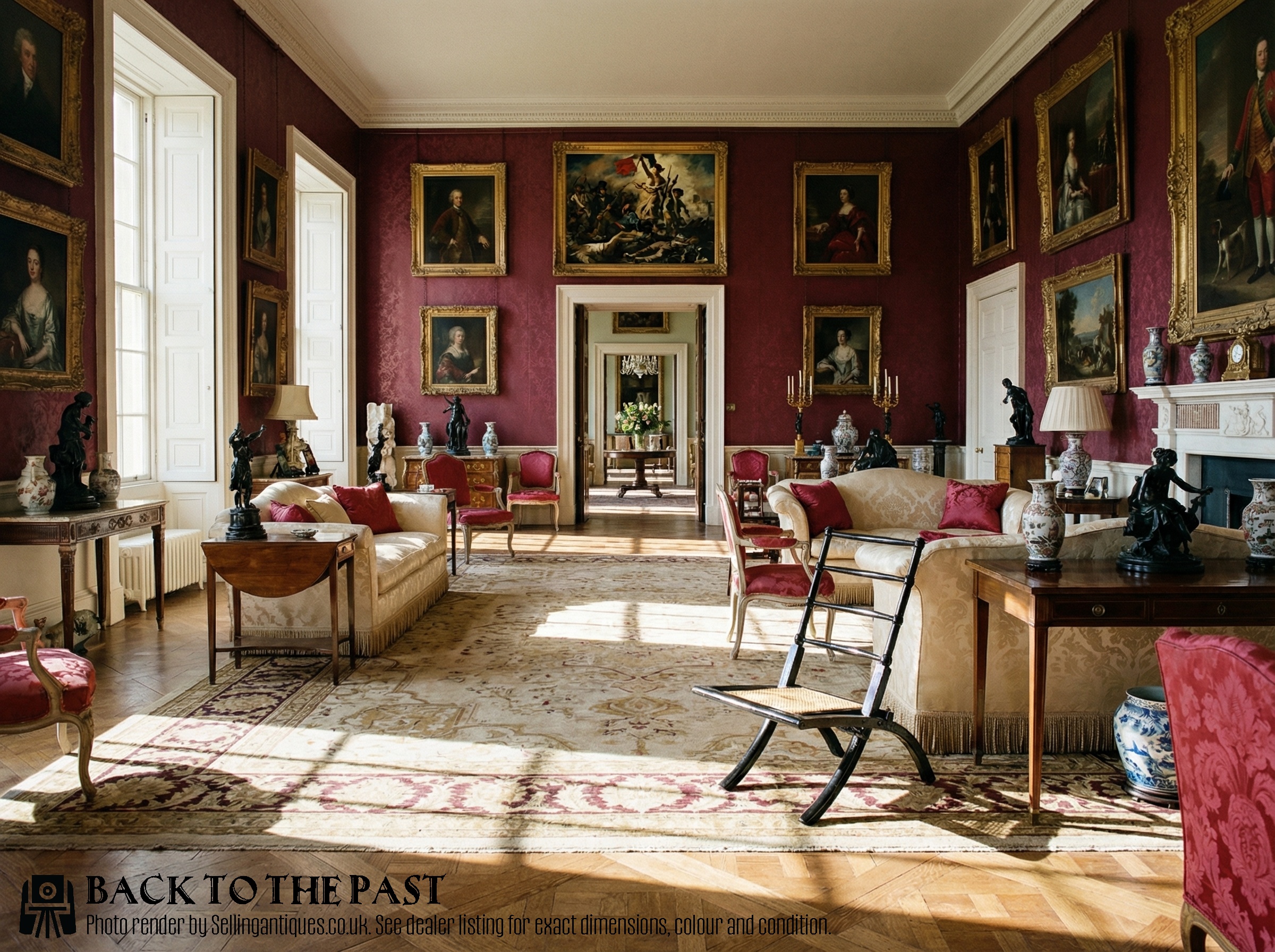
How they were made
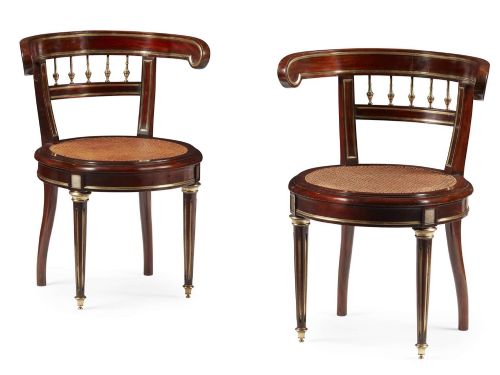
Frames rely on traditional timbers such as mahogany, oak, walnut, and ebony, shaped through joinery and carving to support the woven sections. Selected pieces incorporate brass inlay, paint, gilding, or mother of pearl to enrich the primary wood structure.
Seating areas and backs utilise natural cane woven through drilled holes or channelled frames to create a resilient, flexible surface. This plant-derived material provides structural tension while maintaining a light visual profile.
Antique Cane Chair Retail Price Guide 2026
Typical asking prices for cane chair among the pieces listed under this phrase on Sellingantiques today, from the lower quarter to the upper quarter. They describe what is for sale here now, not the wider market.
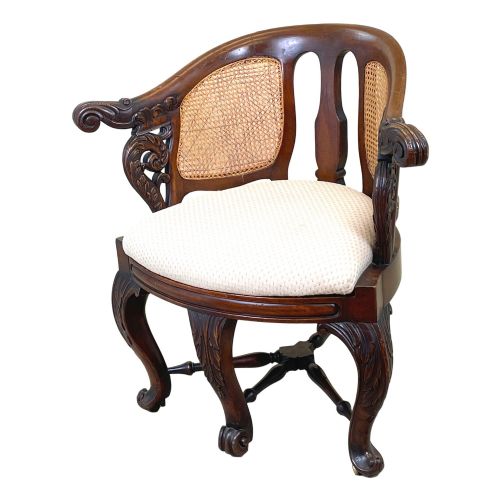
Several armchairs incorporate swivel mechanisms, proving that nineteenth-century desk occupants appreciated office mobility just as much as modern workers do.
What varies in quality
The sophistication of the timber carving and the precision of the frame joinery distinguish standard utilitarian seating from finer salon and library pieces. Richer grain selection in mahogany, walnut, or exotic hardwoods elevates the visual weight of the furniture.
The tightness and regularity of the cane weaving indicate the level of craftsmanship invested in the piece during its construction. Subtle details such as parcel gilding, brass inlay, or painted decoration demonstrate higher workshop ambition.
The Antique Cane Chair Glossary
- Bergere
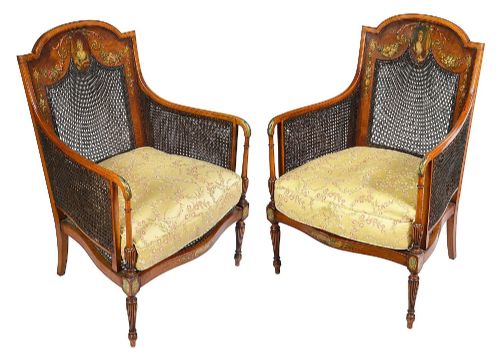
- An enclosed upholstered armchair, frequently featuring cane panels on the back and sides. These seats often accommodate loose down cushions for added comfort.
- Carver
- An armchair designed with armrests, typically manufactured as part of a larger set of dining chairs for the head of the table. They match the simpler side chairs in style and timber.
- Caning
- A technique of weaving plant material through frame apertures to form supportive panels for seats and backs. This method offers flexibility and breathability.
- Tub chair
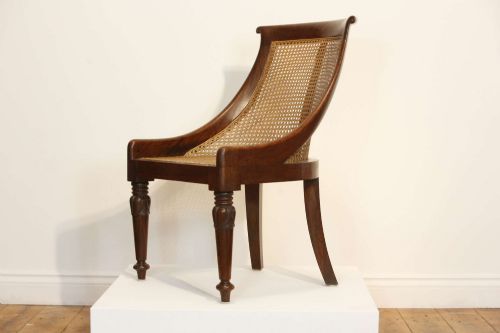
- A seating form characterised by a continuous curved back and armrest rail enclosing the sitter. They appear frequently in walnut, mahogany, and painted finishes.
- Trafalgar
- A Regency style of chair featuring saber legs and characteristic top rails, often associated with ebonised finishes. They reflect early nineteenth-century neoclassical design trends.
Antique Cane Chair: Frequently Asked Questions
How do I clean cane furniture?
Dust the woven panels regularly with a soft brush to prevent dirt accumulation within the strands. Applying a damp sponge occasionally helps maintain the moisture of the natural material.
Avoid soaking the seating surface, and keep the furniture away from direct heat sources to prevent the organic fibres from becoming brittle.
Are these chairs suitable for daily use?
Many sturdy examples in oak, mahogany, and walnut function reliably for everyday seating in dining rooms and studies. Selecting pieces with solid frame construction ensures proper structural support.
Lighter salon chairs and decorative painted pieces require more gentle handling compared to robust dining sets or library armchairs.
What is the difference between a side chair and an armchair?
Side chairs are built without armrests, designed primarily to slide neatly beneath dining tables or stand against room perimeters. Armchairs include structural supports for the arms, offering a more enclosed seating experience.
Dining sets often combine several side chairs with one or two matching armchairs for the table ends.