

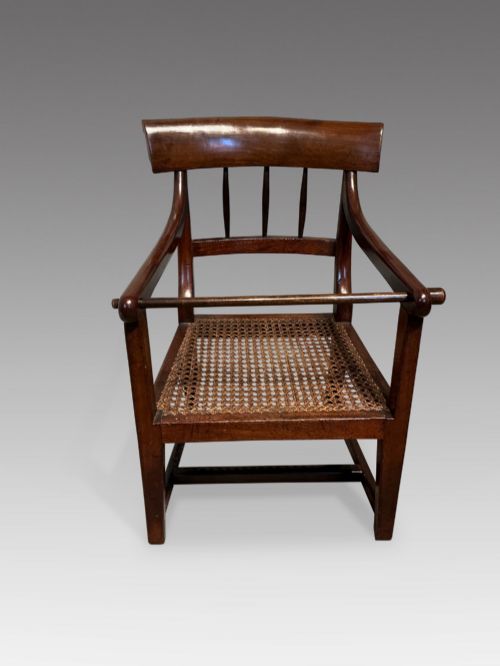
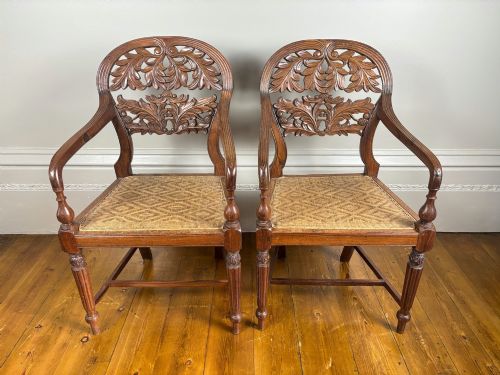
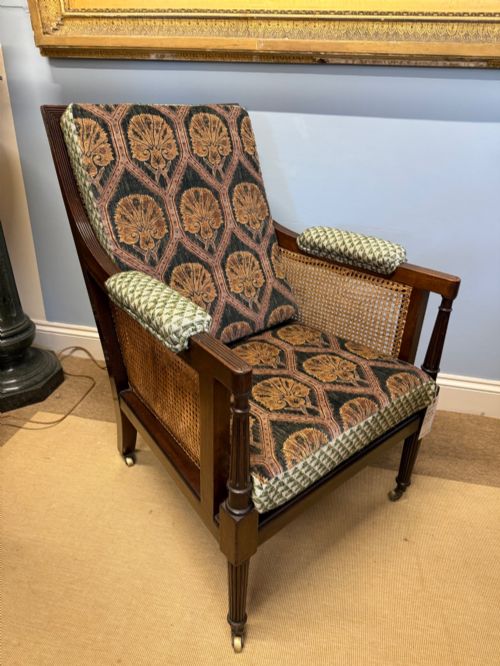
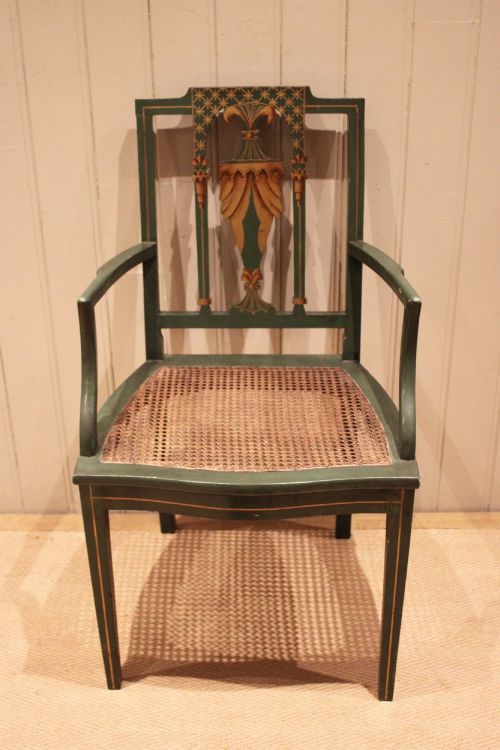

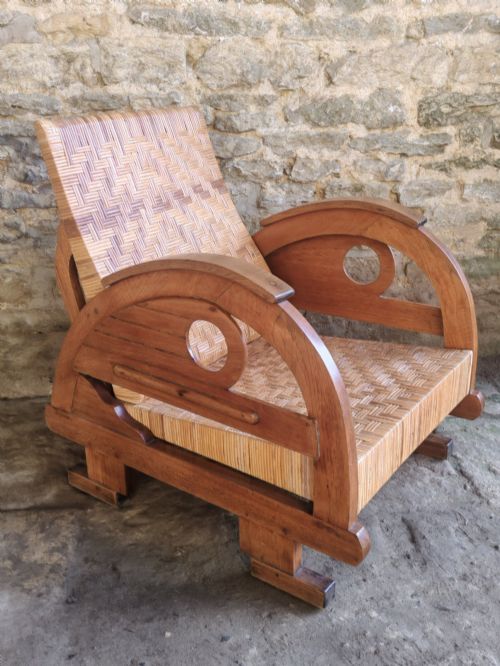
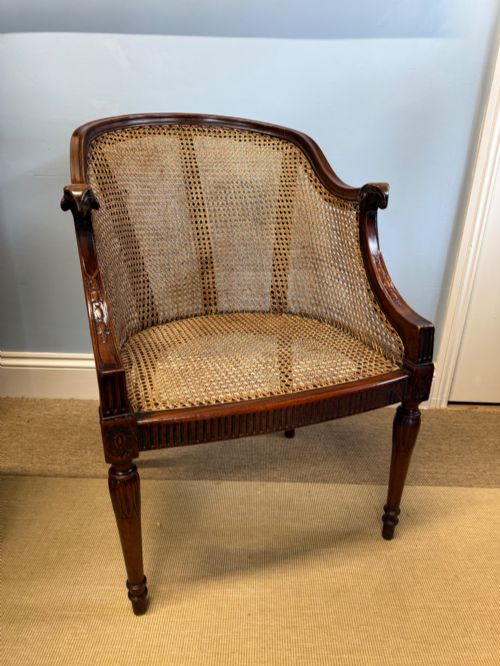
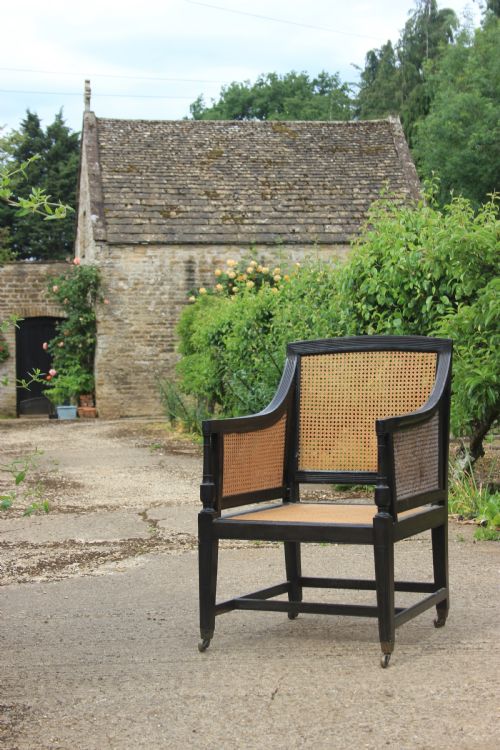
Woven Cane Armchair
A woven cane armchair brings tactile warmth and lightness into a room, spanning periods from Regency elegance to Arts and Crafts practicality.
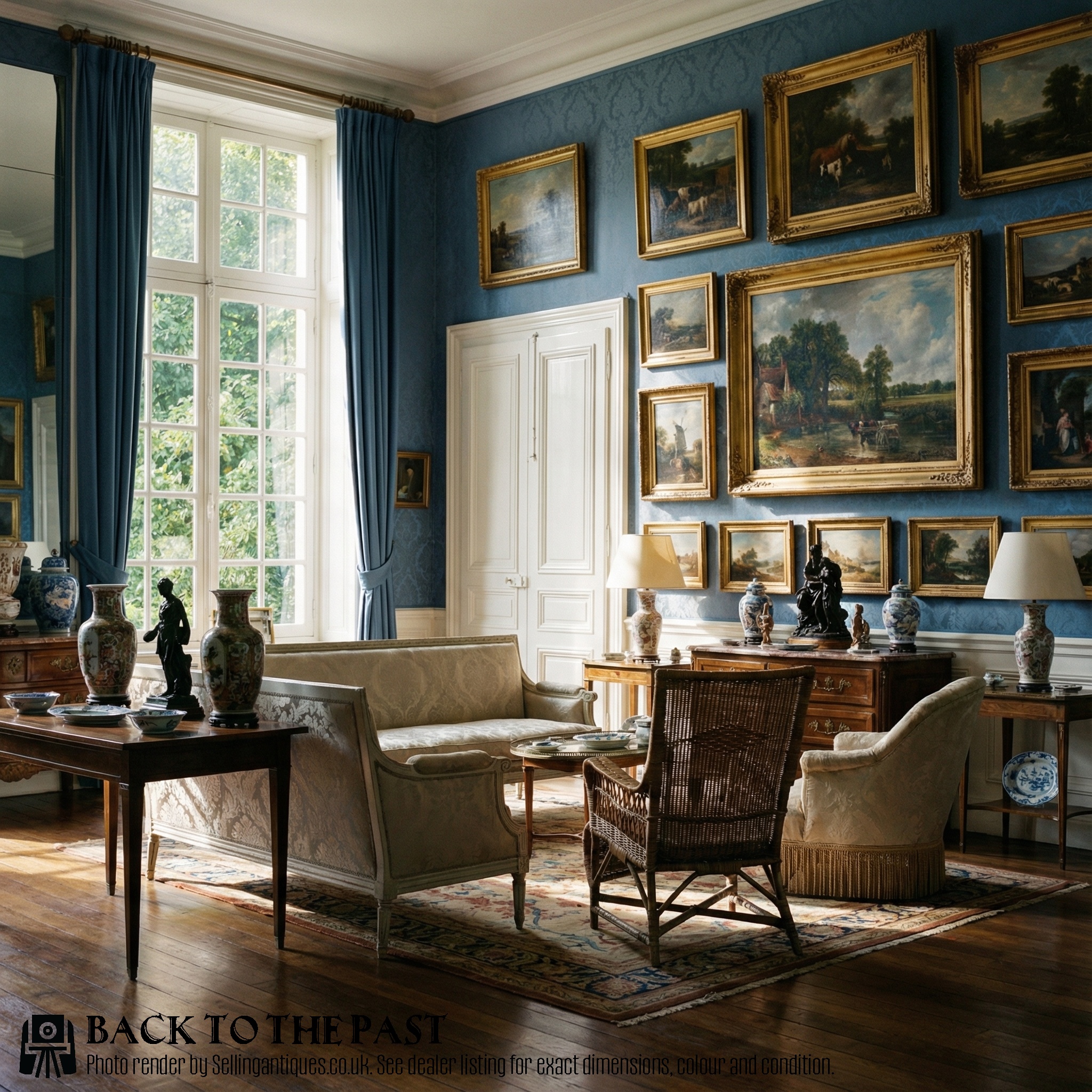
Woven Cane Armchair
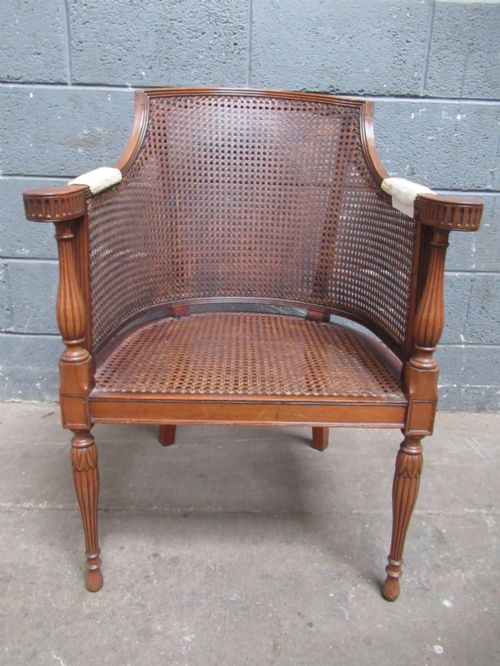
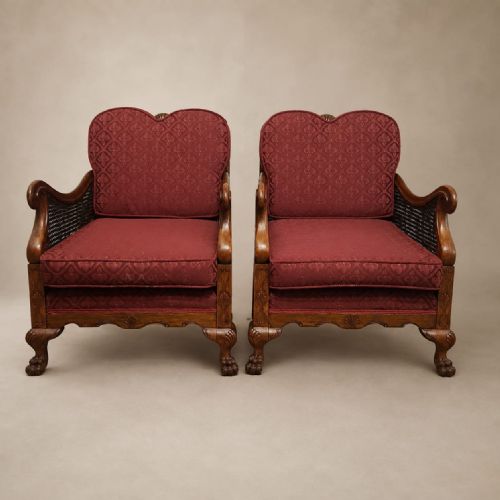
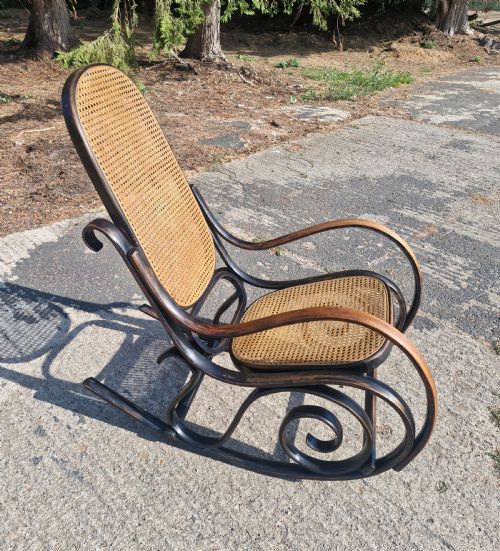
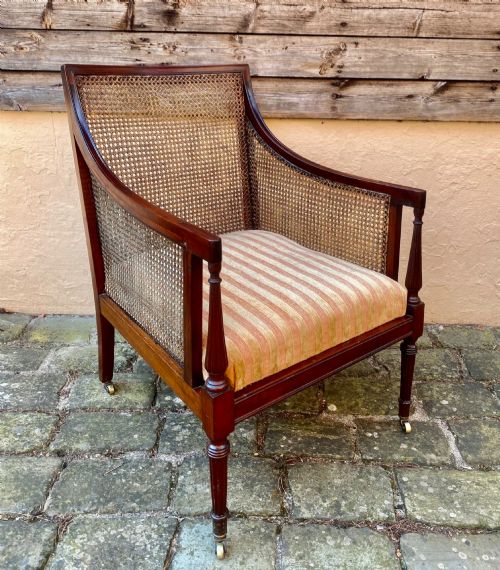
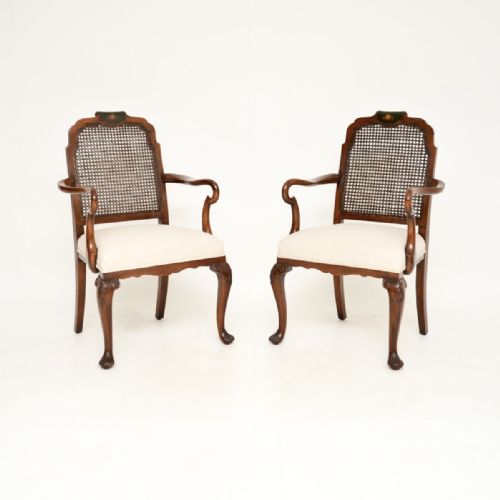
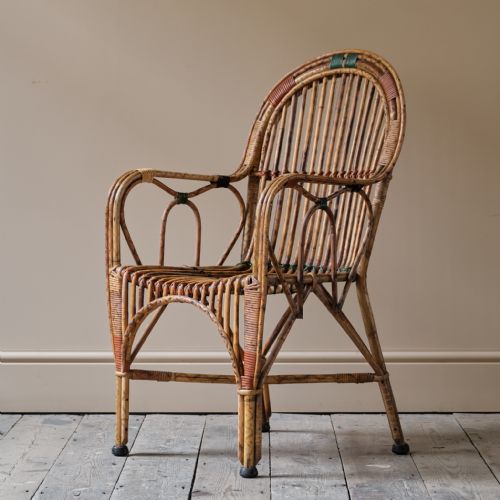
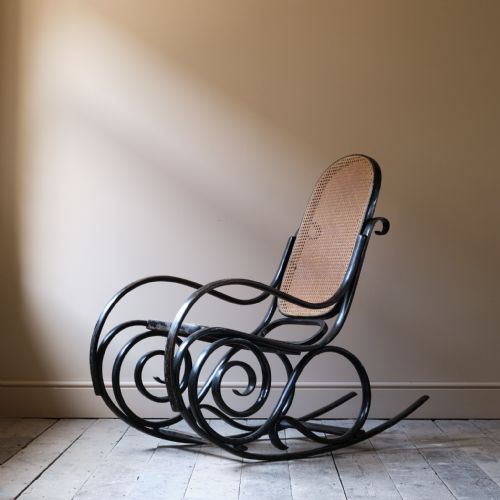
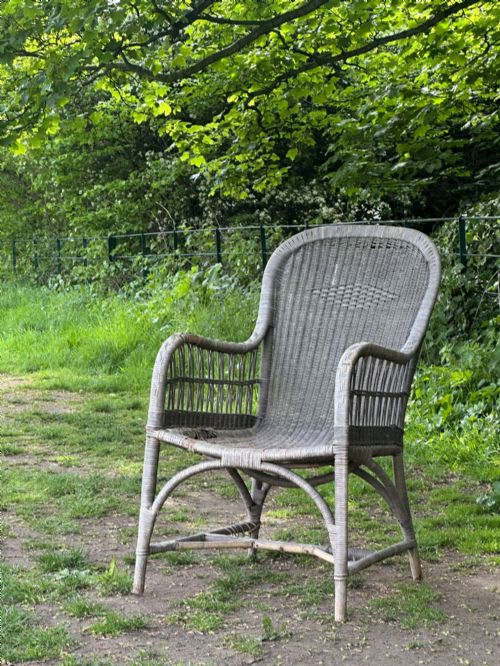
A woven cane armchair combines a rigid timber frame with woven plant materials forming the seat, back, or panels. When exploring this selection, buyers encounter diverse forms ranging from solid mahogany bergères to bentwood rocking chairs and reclining garden seats.
The materials span traditional British timbers such as oak, walnut, and mahogany alongside exotic woods like teak and ebony, partnered with rattan and cane. Pieces emerge from historical eras including the Victorian and Edwardian decades, stretching into early twentieth century Art Deco and Arts and Crafts movements.
Domestic seating dominates the selection, though variations include child variants, steamer loungers, and Anglo-Indian colonial chairs. Each version utilises woven plant fibres to create breathable, supportive seating that functions across bedrooms, sitting rooms, and parlours.
Construction and materials
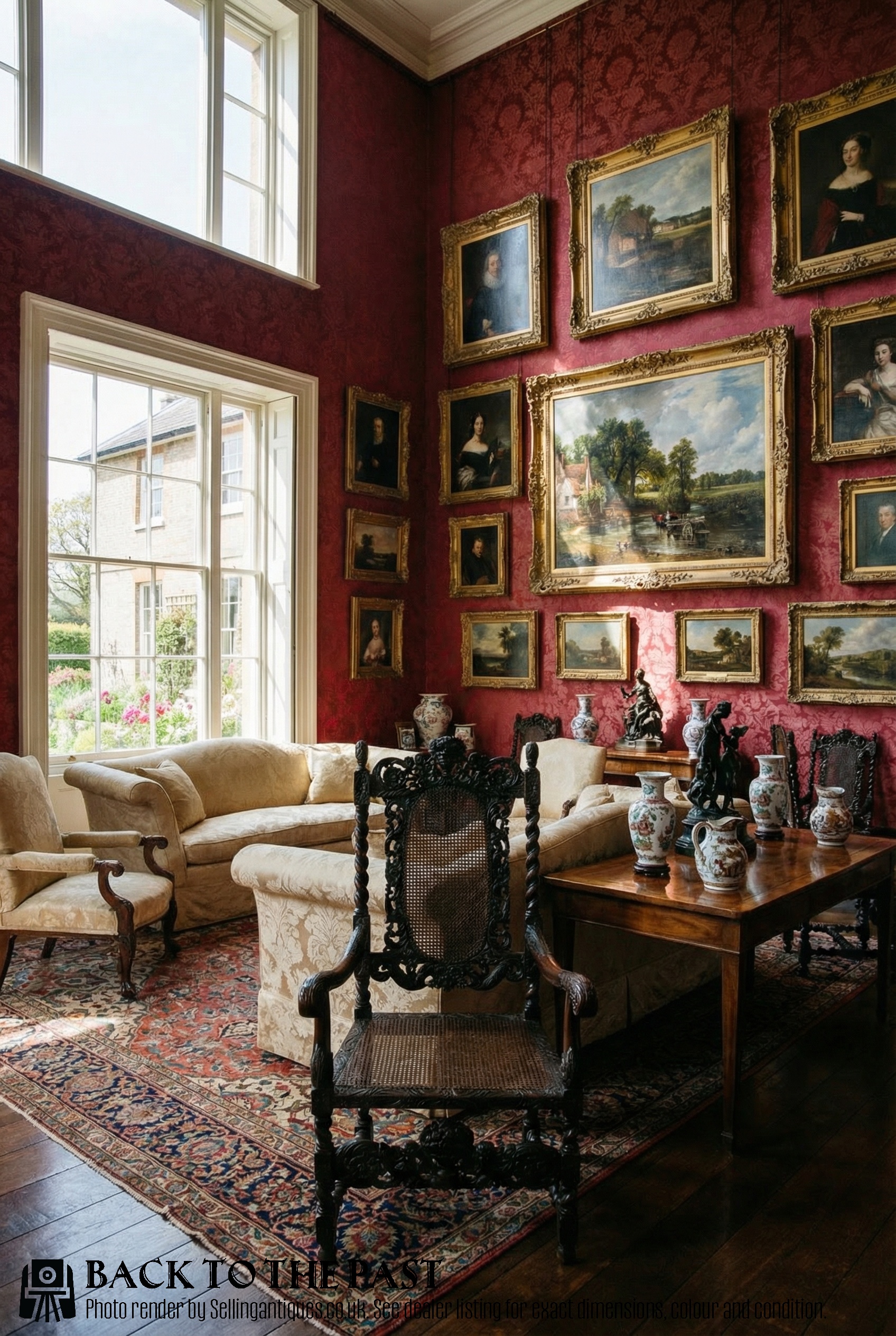
Frames rely on sturdy timbers including mahogany, walnut, oak, and teak, shaped through joinery or steam bending as seen in bentwood rocking chairs. Craftsmen carved detailed ornamentation into these structures, producing styles from Regency faux bamboo to heavily carved Carolean and Jacobean revivals.
Cane, split cane, and rattan are woven through holes pierced in the wooden frames or secured within channels to form tight, resilient mesh panels. This flexible weave distributes weight evenly while maintaining an open structure that allows air circulation through the seat and back.
Woven Cane Armchair Retail Price Guide 2026
Typical asking prices for woven cane armchair among the pieces listed under this phrase on Sellingantiques today, from the lower quarter to the upper quarter. They describe what is for sale here now, not the wider market.
Some colonial plantation chairs feature clever pull-out footrests designed for supreme afternoon lounging in warmer climates.
Distinctions in quality
Quality rests upon the integrity of the timber frame and the precision of the woven panels. Finer examples display crisp carving, well-chosen hardwoods like solid mahogany or walnut, and tight, uniform cane work that shows minimal sagging.
The distinction between standard domestic seating and exceptional pieces often lies in the harmony between frame design and woven elements. Maker attribution, such as work originating from established workshops, further elevates a piece through superior structural balance and refined decorative details.
Dryad of Leicester·Heals of London·Angraves of Leicester
The Woven Cane Armchair Glossary
- Bergere
- An enclosed upholstered or caned armchair with wooden framing, popular in French and English furniture design. These chairs often feature rounded backs and cane panels on the sides.
- Cane
- Strips of material derived from the outer bark of the rattan palm, utilised for weaving chair seats and backs. It provides a durable and flexible surface.
- Rattan
- A climbing palm native to tropical regions, providing flexible stems used whole for structural framing or split for weaving. It underpins the construction of many lightweight armchairs.
- Bentwood
- Wood rendered pliable via steam application and bent into curved structural forms. This technique creates continuous lines for frames and rocking chairs.
- Split cane
- Cane material split down its thickness to create flat strips for weaving intricate patterns. It offers a smooth surface texture across chair backs.
Woven Cane Armchair: Frequently Asked Questions
How do I care for a woven cane armchair?
Keep cane seating away from direct heat sources and radiators to prevent the plant fibres from drying out and snapping. Light dusting and occasional damp wiping maintain the flexibility of the rattan.
Avoid placing excessive heavy weight suddenly onto the woven panels. Using a sheepskin or loose cushion helps distribute pressure evenly across older cane seats.
Are these armchairs suitable for daily sitting?
Most antique cane armchairs are built with sturdy hardwood frames that easily support everyday use. The woven cane yields slightly to body weight, creating a surprisingly supportive seat.
For heavy daily service, inspect the tightness of the cane mesh. Many surviving pieces feature renewed seats that handle regular sitting without strain.
How can I date my armchair?
Dating relies on combining timber types, framing styles, and the method of cane attachment. For instance, Regency pieces often show classical lines or faux bamboo, while Edwardian examples favour polished mahogany frames.
Twentieth-century designs introduce bentwood structures and distinct Art Deco geometry. Comparing the joinery and overall silhouette against documented period examples clarifies the age.
What is the difference between cane and wicker?
Cane specifically refers to thin strips peeled from the outer skin of the rattan palm, woven into precise flat patterns for seats and backs. Wicker describes a wider technique of weaving pliable plant materials, including whole reeds and willow.
Wicker chairs often utilise thicker organic stems for heavier frames and garden furniture. Cane appears more frequently in refined indoor seating such as bergere armchairs.