


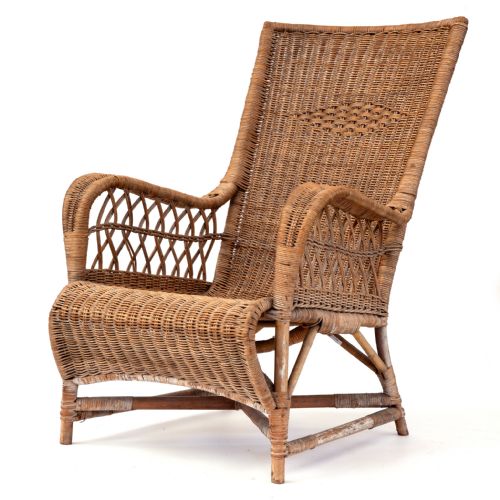
Antique Wicker Armchair
An antique wicker armchair brings tactile warmth and natural texture to a room, offering enduring comfort through woven construction.
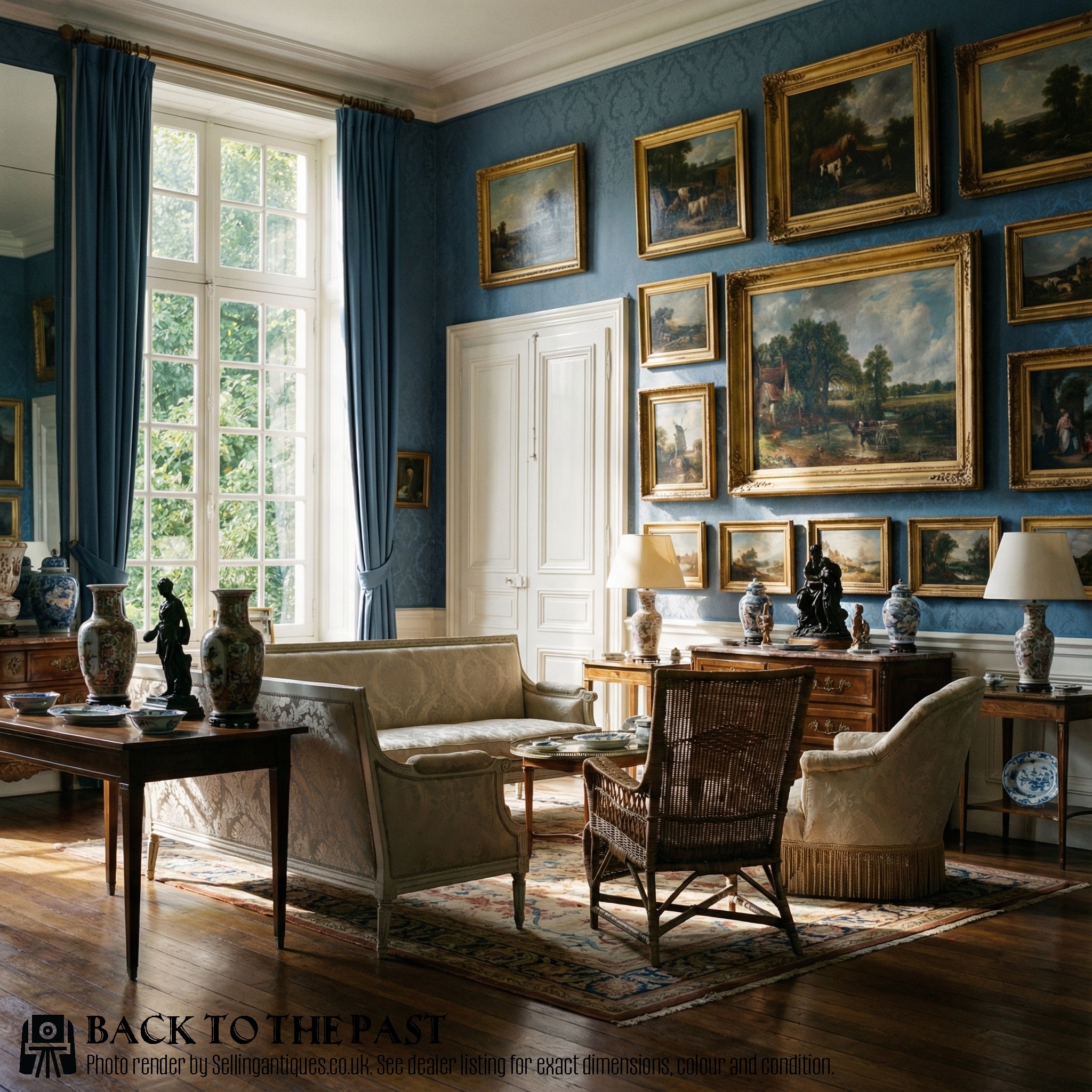
Antique Wicker Armchair
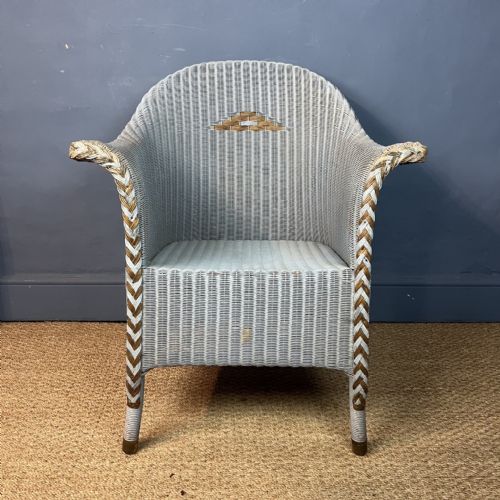
When you search for an antique wicker armchair, you encounter seating constructed from flexible plant materials shaped into supportive seats with armrests. These pieces span from the nineteenth century through the Edwardian period and into the 1920s, 1930s, and 1940s.
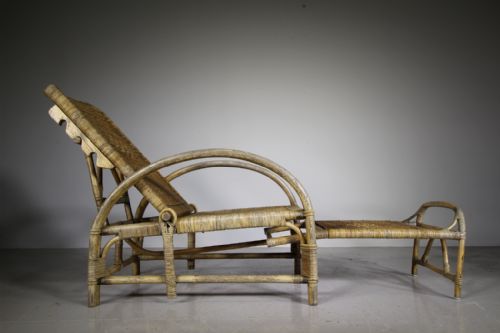
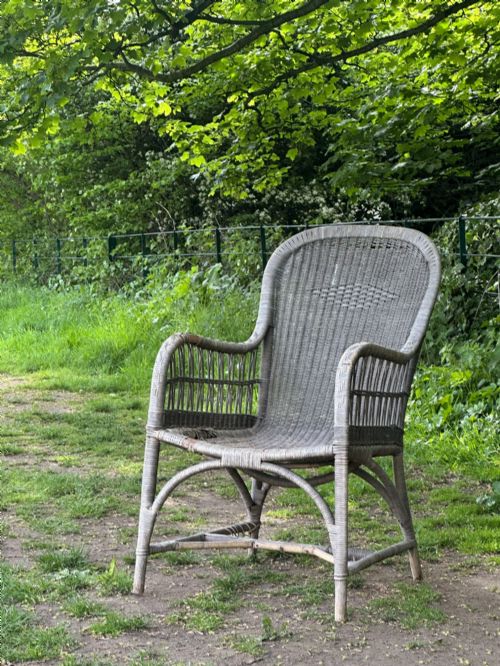
The versions you are most likely to meet on this page include traditional lounge chairs, garden armchairs, rocking chairs, and reclining models. Makers such as Dryad of Leicester and Angraves of Leicester produced notable examples during the early twentieth century.
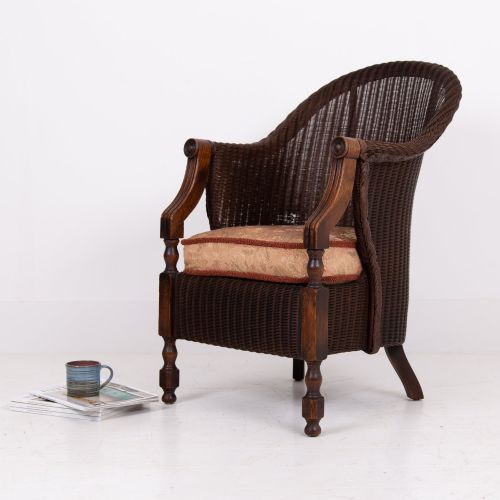
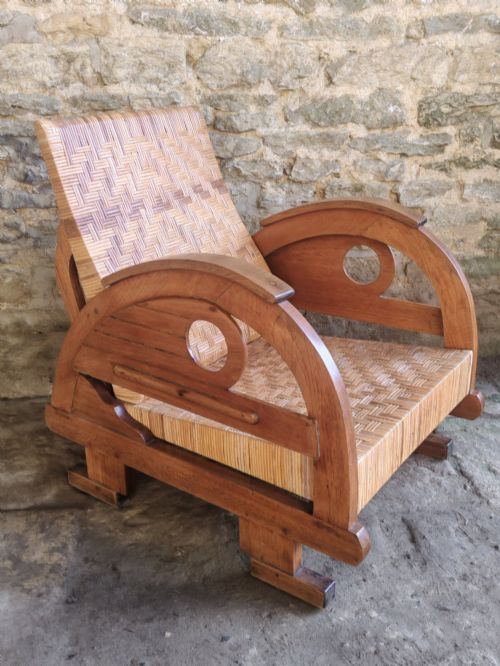
Styles range across Arts and Crafts, Edwardian, Art Deco, Mid-Century Rustic, Regency, Anglo-Indian, and Chinoiserie aesthetics. Many pieces incorporate supportive frames of mahogany, oak, or bentwood alongside woven elements.
How they were made
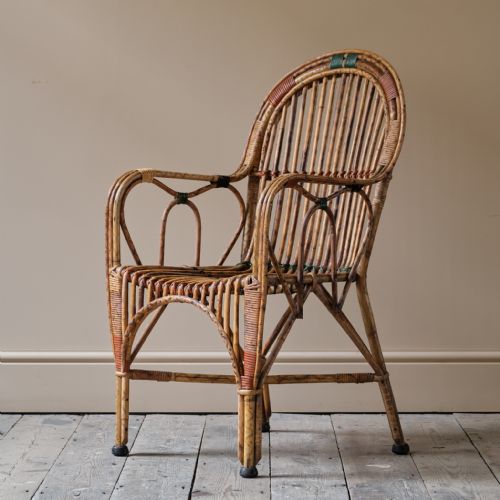
Craftsmen utilised natural materials including wicker, cane, rattan, bamboo, willow, and canework to build these chairs. Plant fibres were soaked or steamed to gain flexibility before being handwoven around rigid structural cores.
Wooden frames of mahogany, oak, or bentwood frequently provided foundational strength for the woven seats, backs, and armrests. Certain pieces also integrated leather elements for added durability and contrast.
Even sun-bleached lounge chairs retain their original charm, having spent decades absorbing gentle light in vintage sunrooms.
What varies in quality
The calibre of an antique wicker armchair depends upon the tightness and regularity of the handweaving across the frame. Tightly bound plant fibres maintain structural integrity better over decades of use.
Quality also rests in the complexity of the design, such as decorative framework, integrated reclining mechanisms, or distinguished maker attribution. Pieces bearing identifiable workshop provenance often demonstrate superior joinery and finishing.
Dryad of Leicester·Angraves of Leicester
The Antique Wicker Armchair Glossary
- Wicker
- A method of weaving plant materials into sturdy items like baskets and furniture. It describes the technique rather than a specific plant material.
- Cane
- Strips derived from the outer bark of rattan palms used for tightly woven seating surfaces. This material offers both flexibility and tensile strength.
- Rattan
- A climbing palm with strong, pliable stems utilised extensively in furniture manufacturing. The core and outer skin serve different structural and decorative purposes.
- Bergère
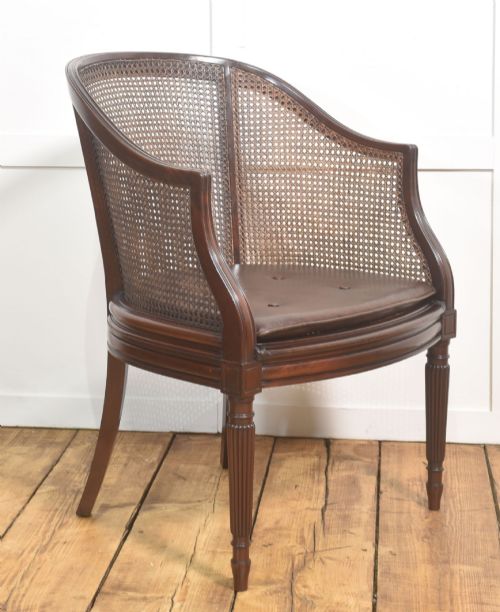
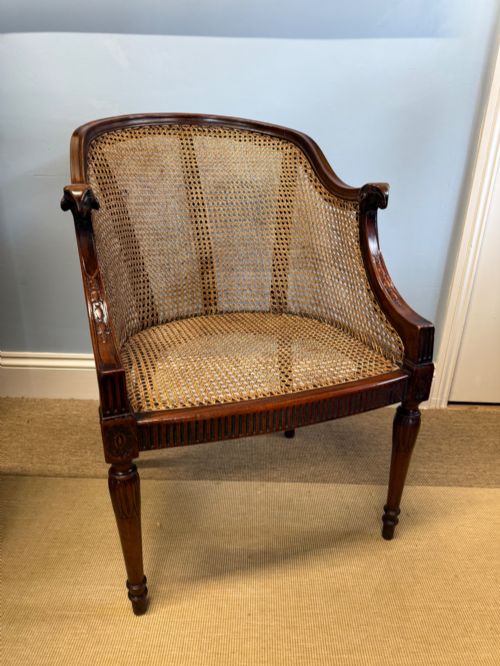
- An enclosed upholstered armchair with an exposed wooden frame and woven cane back and sides. This French style influenced British variants throughout the Edwardian era.
- Bentwood
- Wood heated with steam and bent into curved structural components. This technique created smooth, rounded arms and frames for seating.
Antique Wicker Armchair: Frequently Asked Questions
How do I date an antique wicker armchair?
Dating relies upon stylistic markers, construction techniques, and materials recorded in the piece. Edwardian and 1920s examples often reflect Arts and Crafts or early modernist influences.
Later pieces from the 1930s and 1940s introduce Art Deco geometries or utilitarian forms. Maker labels, where present, provide the most precise indication of origin.
Can I use an antique wicker armchair outdoors?
Most antique wicker armchairs were designed for indoor or sheltered garden use. Exposure to moisture and direct sunlight degrades natural plant fibres over time.
Garden variants built by makers like Angraves handled sheltered outdoor settings better, but historic pieces generally require indoor placement today.
What is the difference between wicker and rattan?
Wicker refers to the weaving technique employed to construct the furniture rather than the material itself. Rattan is a specific climbing palm utilised as one of those weaving materials.
Other materials such as cane, bamboo, and willow also form wicker furniture.
How do I care for antique cane furniture?
Maintaining cane and wicker involves gentle dusting with a soft brush to prevent debris buildup within the weave. Keeping the material away from intense heat sources prevents the plant fibres from drying out and snapping.
Occasional light moisture can help maintain the flexibility of natural cane.