

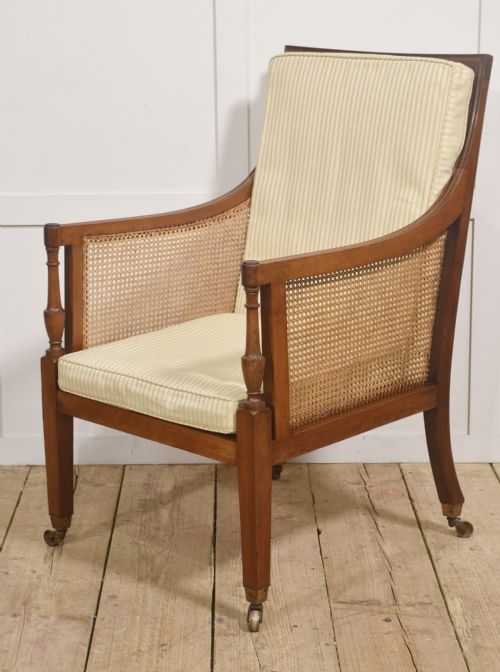


Regency Cane Armchair
A regency cane armchair brings distinct classical proportions and woven seating to a room, offering the elegance of the early nineteenth century.
Regency Cane Armchair
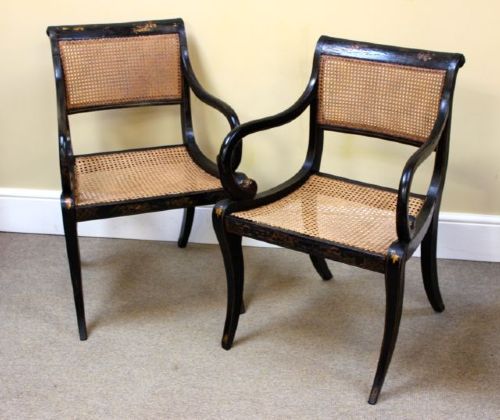
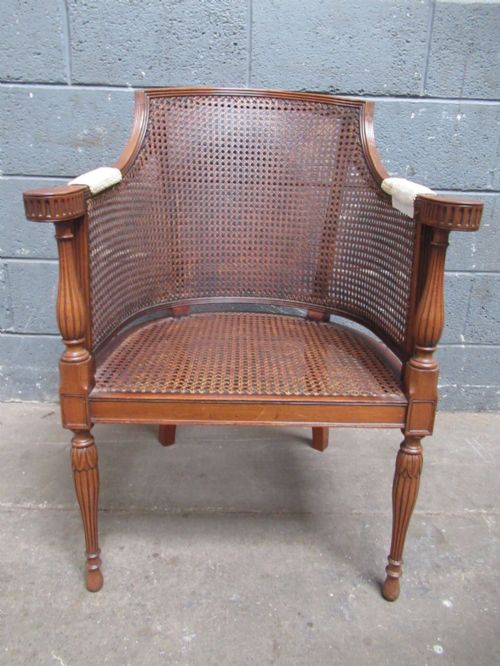
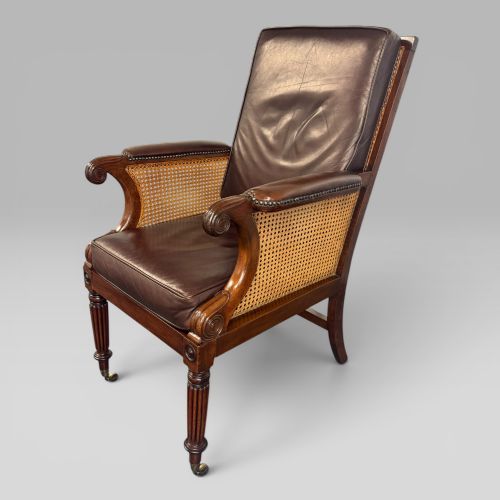
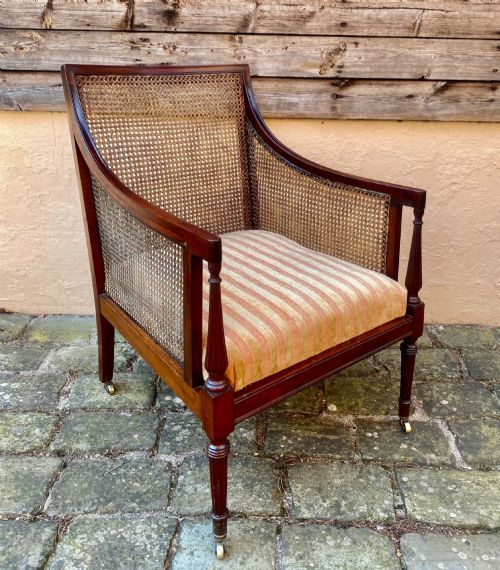
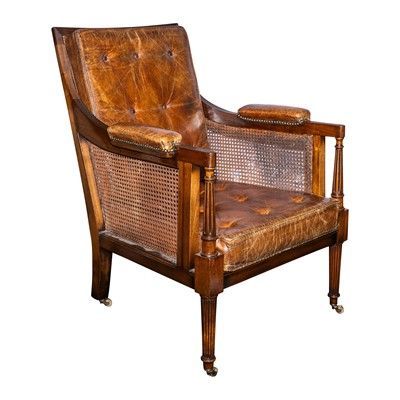
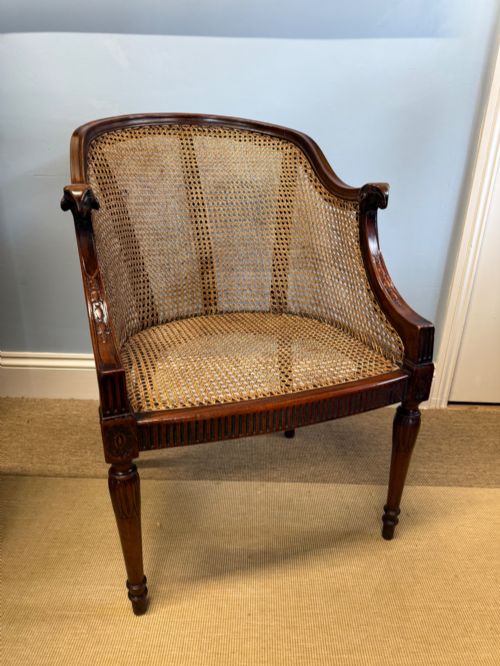
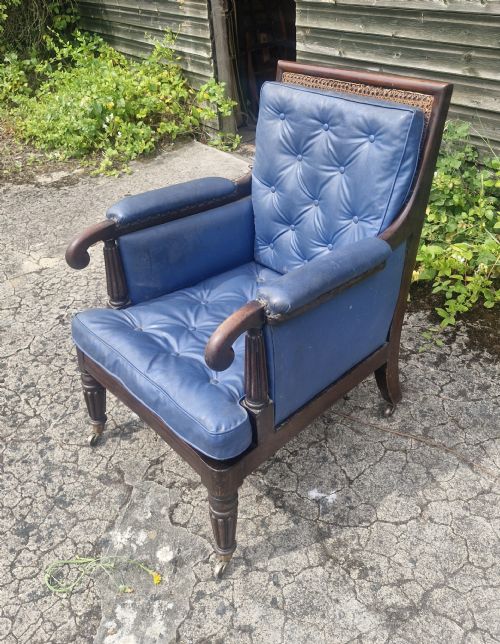
When you search for a regency cane armchair, you encounter seating designed for parlours, libraries, and dining rooms during the early nineteenth century and later revival periods. The most common form on this page is the library bergere, characterised by a deep, enclosed seat and woven cane panels.
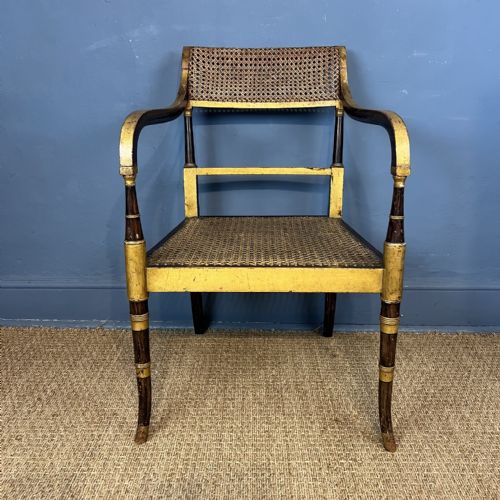
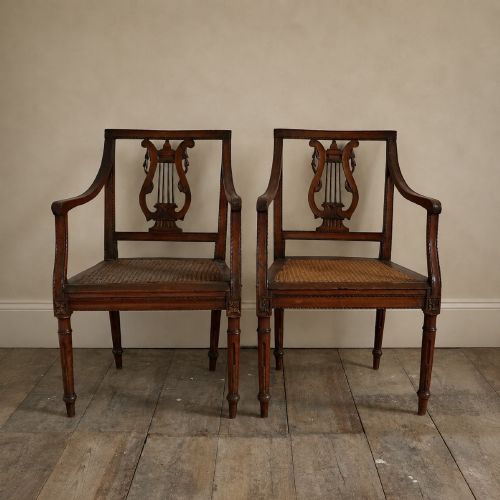
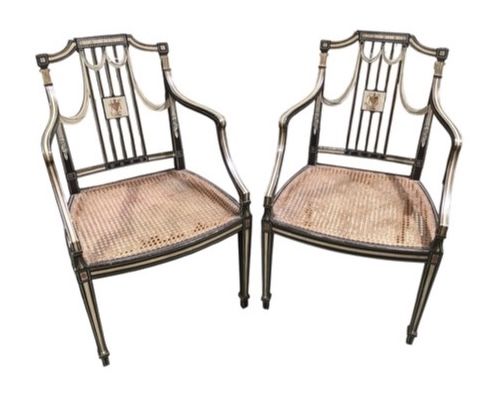
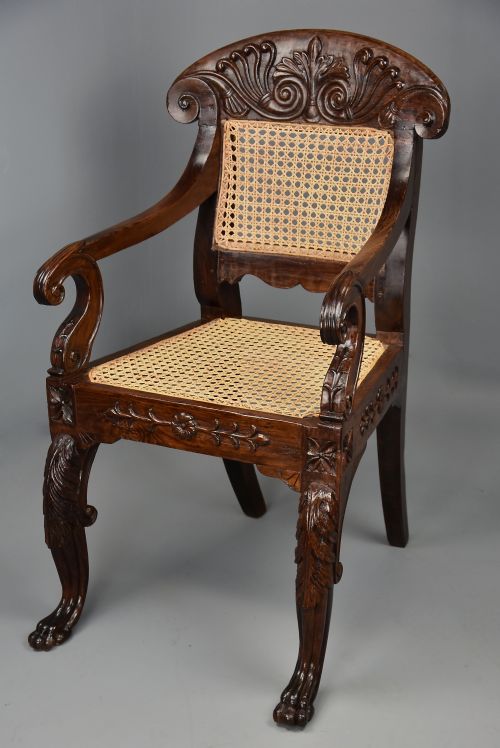
The materials and styles span authentic Regency production, William IV pieces, and Anglo-Indian variants alongside later twentieth-century revivals. Forms range from simple dining elbow chairs to metamorphic library steps and low childs armchairs.
Makers utilised dark timbers, painted surfaces, and clever mechanics to create seats intended for comfort and display. A buyer meets everything from single reading chairs to matched sets of dining armchairs.
How they were made
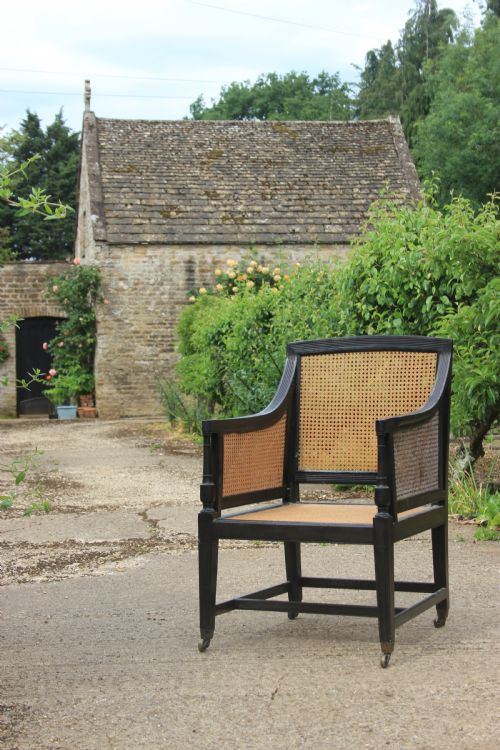
Cabinetmakers constructed the frames primarily from mahogany, rosewood, ebony, and padouk, occasionally applying paint, ebonising, or faux rosewood finishes to mimic costlier exotic timbers. Artisans also incorporated parcel gilding and brass details to accent the structural lines of the wood.
Caning and rattan cane were woven tightly into the seat frames and back panels to provide a resilient, breathable support for the sitter. Leather and fabric squab cushions were frequently added to the seats of deeper library armchairs for extra comfort.
Regency Cane Armchair Retail Price Guide 2026
Typical asking prices for regency cane armchair among the pieces listed under this phrase on Sellingantiques today, from the lower quarter to the upper quarter. They describe what is for sale here now, not the wider market.
Some library armchairs double as wooden steps, proving that nineteenth-century scholars enjoyed a practical party trick.
What varies in quality
Quality rests in the crispness of the turning, the depth of the timber carving, and the tightness of the joinery. Superior examples display refined proportions and deliberate choice of grain, whereas revival pieces can sometimes present heavier frames and simpler woodworking.
The preservation and fineness of the woven cane panels also distinguish the tier of a piece. Original woven work that remains taut and undamaged sits above later replacements, while sophisticated additions like metamorphic steps elevate the complexity of the design.
Gillows
The Regency Cane Armchair Glossary
- Bergere
- A closed armchair with upholstered or caned sides and back, designed for relaxation in libraries and drawing rooms. These seats often accommodate loose cushions.
- Caning
- A woven lattice made from rattan peel, providing a durable and flexible surface for chair seats and backs. This technique allows air to circulate around the sitter.
- Ebonised
- Wood treated with a dark stain or finish to imitate ebony, a fashionable technique during the Regency period. It creates a sleek, high-contrast appearance.
- Faux rosewood
- A painted surface treatment mimicking the variegated grain of genuine rosewood through decorative brushwork. Cabinetmakers used native timbers as a cheaper substitute.
- Metamorphic
- Furniture engineered to transform into another functional object, such as an armchair converting into library steps. These clever designs suit compact spaces.
Regency Cane Armchair: Frequently Asked Questions
How do I date a regency armchair?
Dating relies on identifying timber choices, turning styles, and structural markers that align with early nineteenth-century cabinetmaking practice. Genuine period pieces show specific joinery techniques and patination accumulated over generations.
Revival pieces made in the twentieth century often use harder, machine-sawn timbers and lack the wear patterns of authentic Regency items. Comparing the secondary woods helps confirm the era of manufacture.
Where should I place a cane armchair?
These armchairs suit studies, drawing rooms, and bedrooms where their architectural frames and woven panels add texture. They function well as reading seats paired with a small side table.
Keep them away from direct heat sources and strong sunlight to protect the fragile cane and polished wood finishes from drying out. Adequate clearance lets the profile of the arms remain visible.
Are cane seats strong enough for daily use?
Traditional hand-woven cane is surprisingly resilient and distributes weight evenly across the open frame. It bends slightly under pressure without snapping.
Adding a padded squab cushion reduces direct wear on the woven surface during long periods of sitting. Gentle use ensures the historical cane remains intact for years.