


Art Deco Club Chair
An art deco club chair offers deep, enveloping comfort through robust frames and generous upholstery designed for heavy daily use.
Art Deco Club Chair
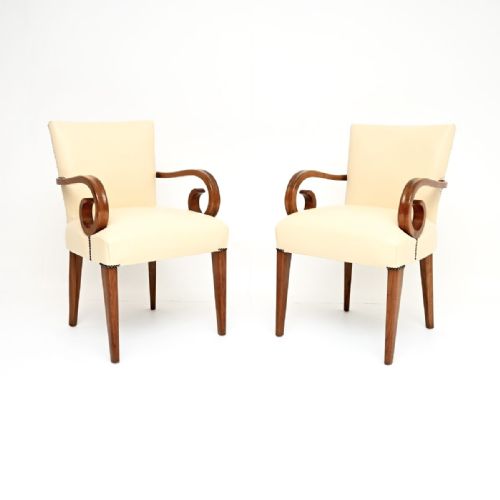
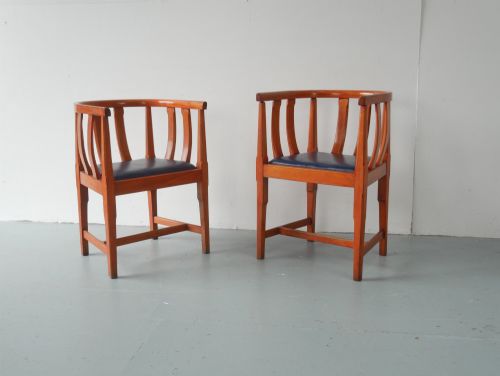
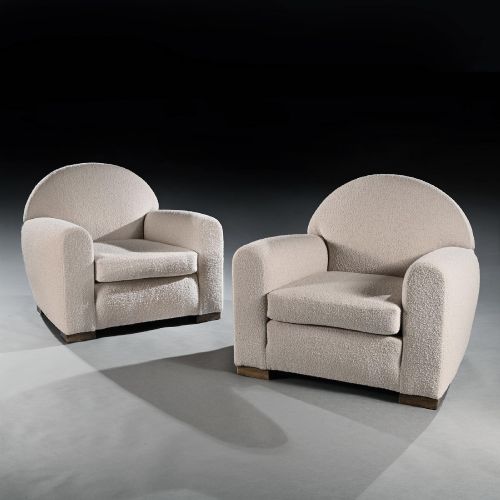
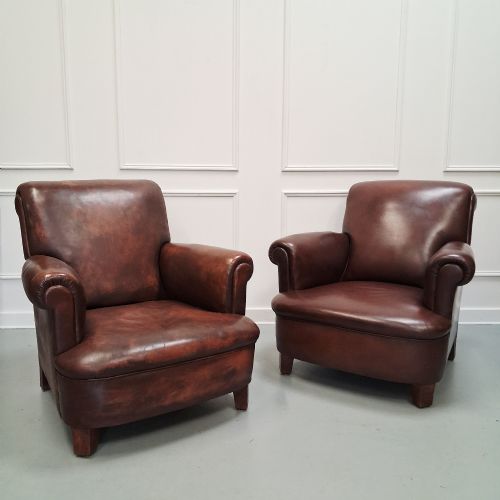
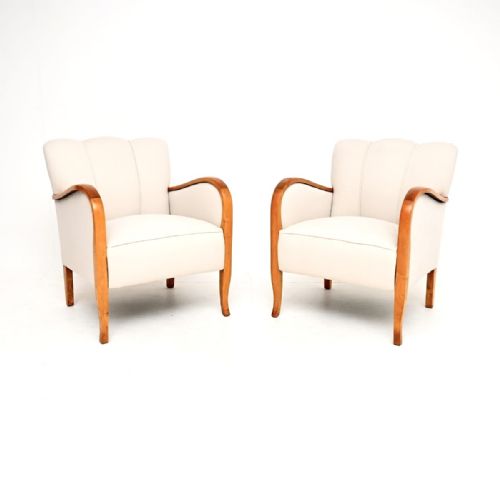
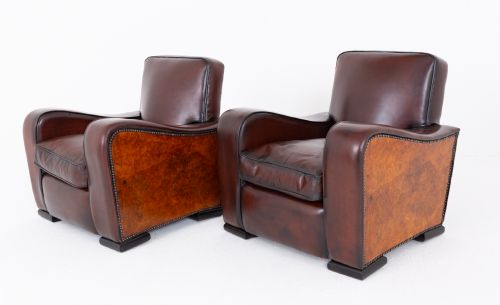
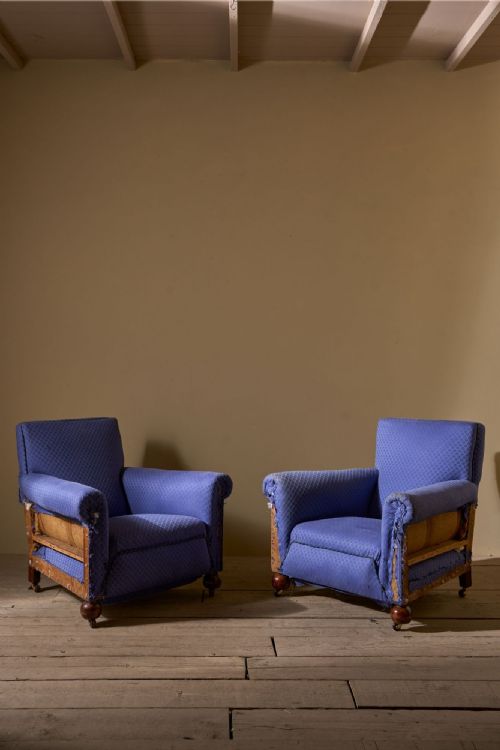
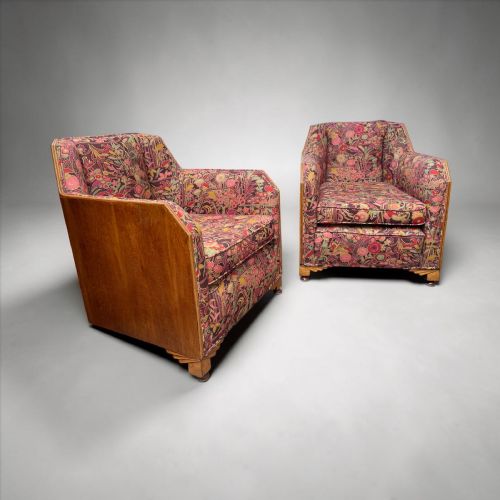
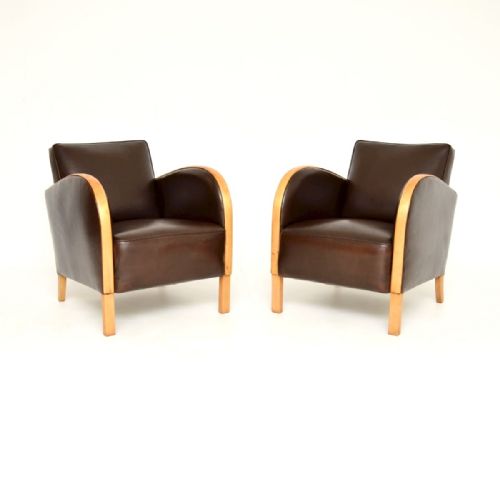
The art deco club chair category spans low, supportive seating designed primarily for lounges and studies during the interwar years. You will frequently encounter heavy armchairs paired in matching sets or upholstered in rich hides.
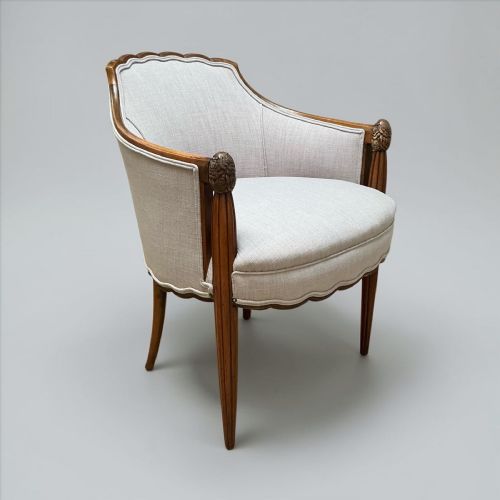
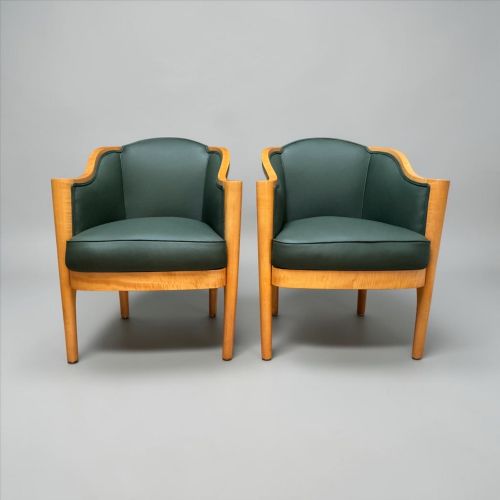
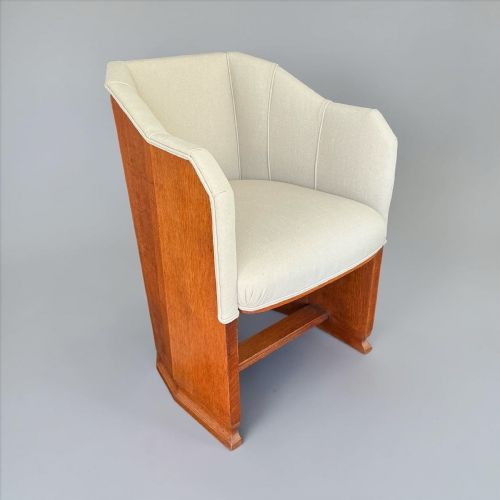
Most examples originate from the 1930s, though pieces span from the Edwardian era through to the mid-century. Forms range from barrel-backed occasional seats to substantial French and English lounge chairs.
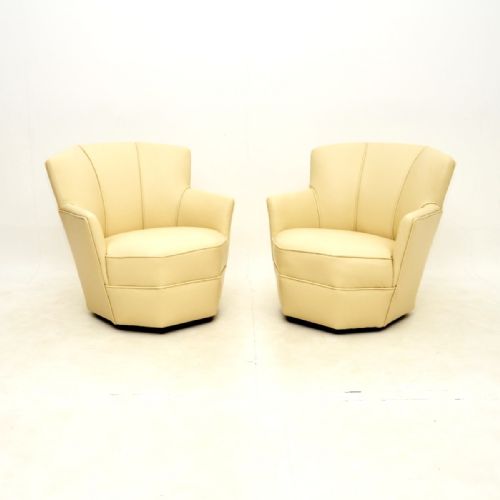
Makers such as Hille and Harry and Lou Epstein produced distinctive cloud suites and occasional pieces. Variations also appear in Swedish satin birch and walnut timbers alongside traditional leather.
Materials and construction
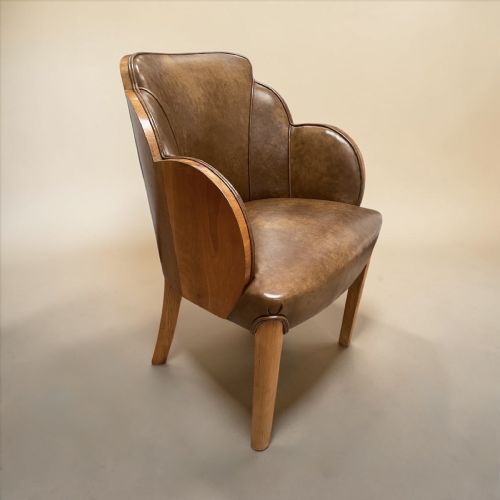
Frames rely on robust hardwoods including walnut, oak, and satin birch to support heavy springing and thick cushioning. Timber components often feature polished surfaces that highlight natural grain patterns.
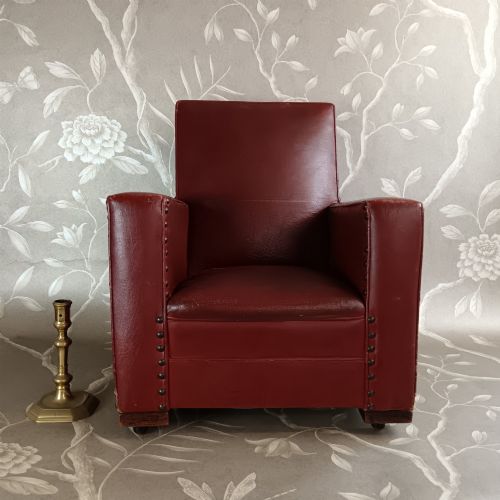
Upholstery combines traditional webbing and horsehair stuffing with durable leather, sheep's hide, calf suede, and velvet. Brass studs frequently secure the hide edges to the wooden frame in French and English examples.
Art Deco Club Chair Retail Price Guide 2026
Typical asking prices for art deco club chair among the pieces listed under this phrase on Sellingantiques today, from the lower quarter to the upper quarter. They describe what is for sale here now, not the wider market.
One miniature child's club chair proves that toddlers required serious interwar lounging ergonomics just as much as adults.
Assessing quality in construction
Superior examples demonstrate careful timber selection, such as figured walnut or distinct satin birch veneers matched symmetrically across the arms and back. The weight and suppleness of the leather or sheep's hide also dictate the standard of the piece.
Internal joinery and the resilience of the sprung upholstery separate standard commercial production from workshop pieces by notable makers. Structural integrity in heavy club frames ensures the chair maintains its intended silhouette over decades of use.
Hille·Harry and Lou Epstein
The Art Deco Club Chair Glossary
- Satin Birch
- A pale, lustrous hardwood often utilised in Swedish furniture making. It provides a striking contrast to darker trims and leather upholstery.
- Sheep's Hide
- A soft, durable leather traditionally used on French club seating. This material develops a rich patina over time.
- Cloud Suite
- An upholstered lounge grouping defined by rounded, billowing forms. The Epstein workshop is particularly noted for this voluptuous style.
- Button-Back
- An upholstery technique where indentations are created using secured buttons. This method pulls the fabric tight and adds texture to the backrest.
Art Deco Club Chair: Frequently Asked Questions
How do I identify a French club chair?
French examples often display rounded, generous proportions with visible brass studding along the leather borders. They frequently utilise supple sheep's hide and low-slung frames designed for relaxed lounging.
English variants tend to feature firmer padding and more restrained lines in walnut or oak. Comparing the woodwork and hide texture helps distinguish between the two regional traditions.
Are these chairs comfortable for daily use?
These seats were engineered for heavy daily lounging with deep springing and thick padding. Their robust construction supports extended periods of sitting.
Original webbing and springs offer a supportive yet yielding sit. Pairing them with matching footstools enhances their utility in modern living spaces.
How do I care for leather upholstery?
Maintaining vintage leather involves regular dusting and occasional treatment with appropriate conditioning balms. Keeping the hide moisturised prevents drying and cracking over time.
Avoid placing these chairs in direct sunlight or near heat sources to protect the natural material. Gentle cleaning preserves the historic patina developed across decades of use.