



Brown Leather Club Chair
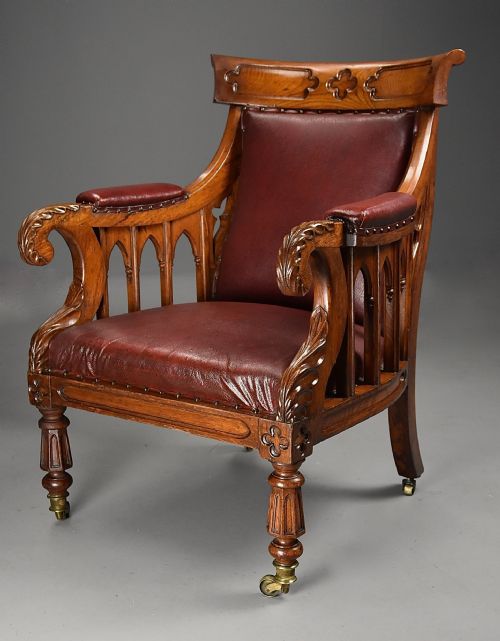
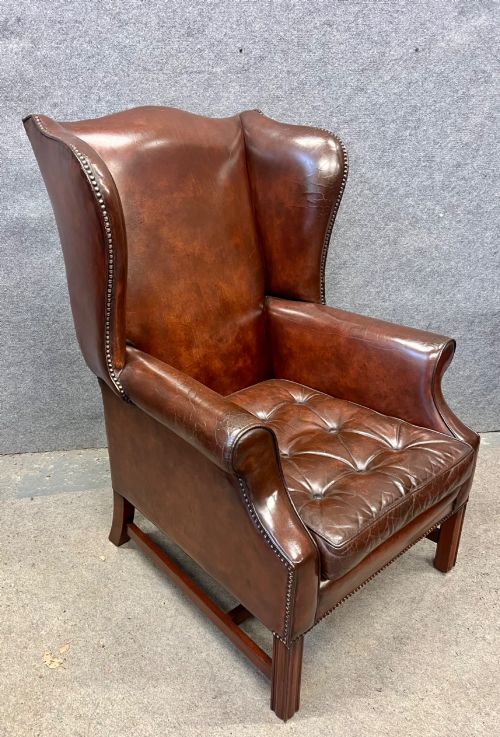
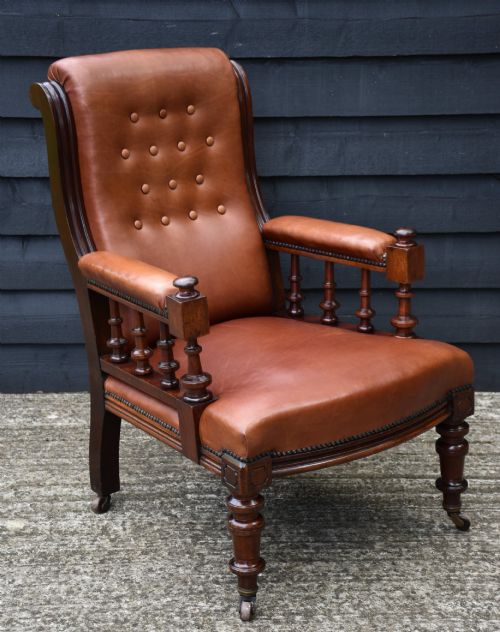
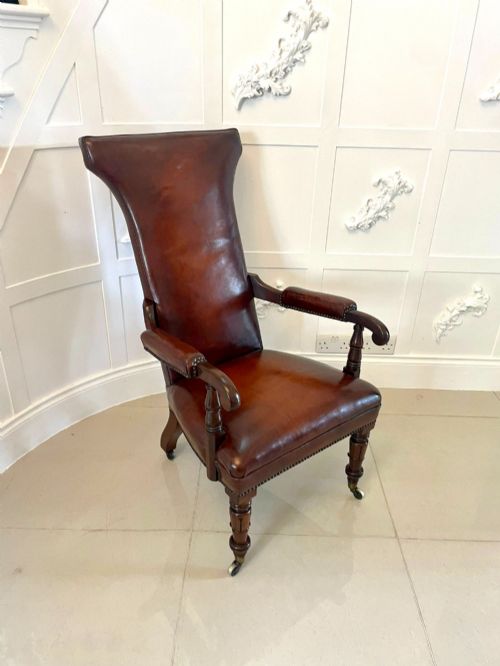
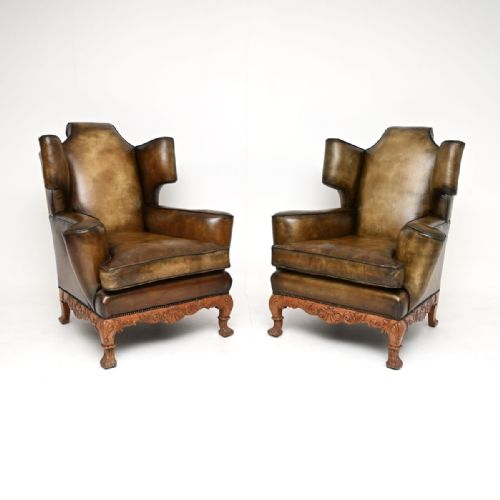
A brown leather club chair offers deep seating and heavy hide upholstery, bringing heavy comfort and sturdy presence to a library or study.
Brown Leather Club Chair
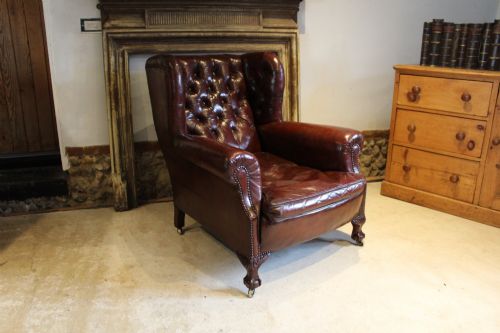
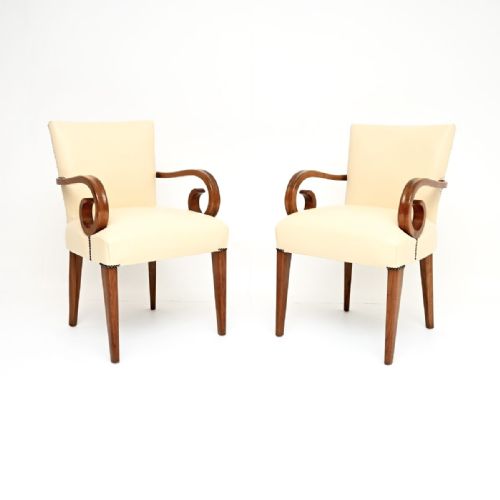
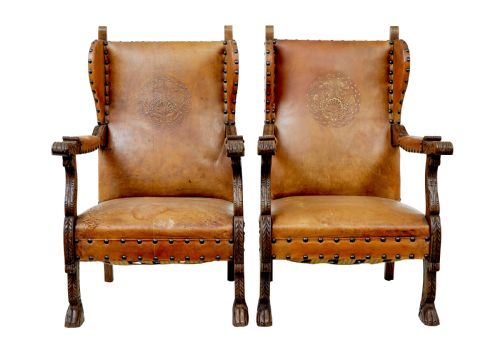
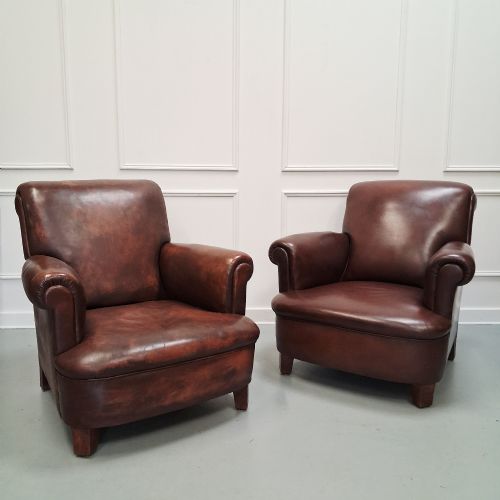
When you search for a brown leather club chair, you encounter a wide selection of large armchairs designed for comfort and durability. The examples found here span from nineteenth-century Victorian library seats to 1930s French Art Deco models.
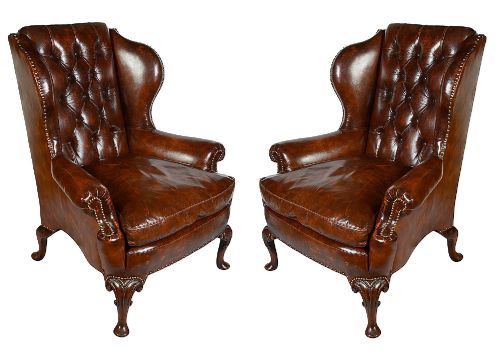
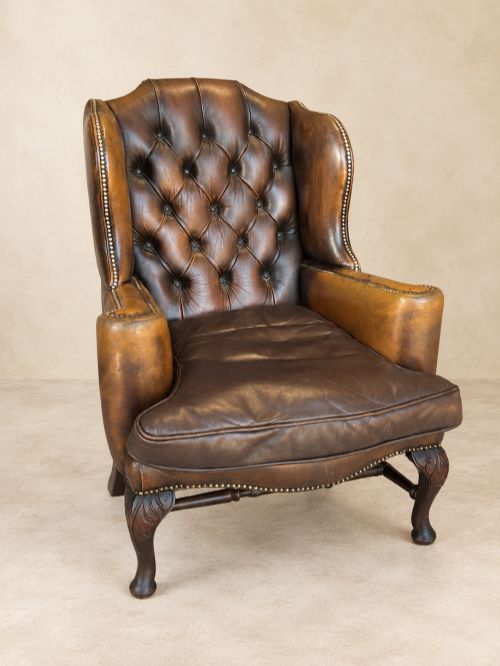
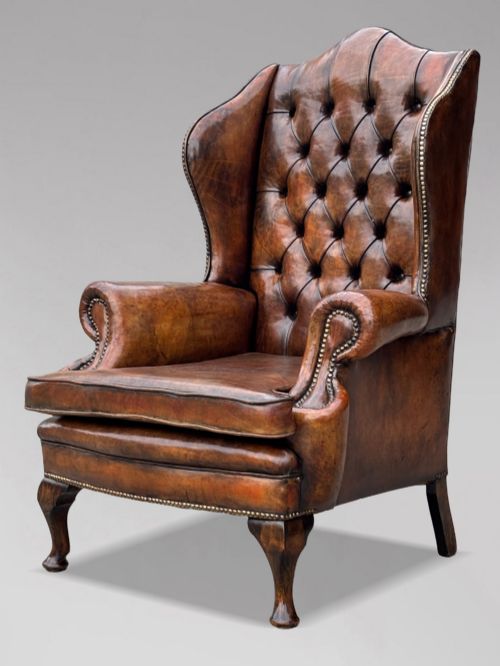
Most pieces date from the Victorian, Edwardian, and 1930s periods, taking the form of deep armchairs, wing backs, and fireside seats. These low, wide chairs were built for reading rooms, offices, and drawing rooms, often appearing in pairs.
Origins range across English, French, and Swedish workshops, utilising robust frames that support heavy leather upholstery. Buyers select these chairs for their generous proportions and the tactile qualities of aged hide.
How They Were Made
Makers built the structural frames using hardwoods such as mahogany, oak, walnut, and timber, ensuring stability for heavy daily use. Upholsterers then applied thick leather hides over supportive padding, occasionally adding brass studs to secure the edges.
Nineteenth-century pieces often relied on hand-tufting and buttoning to shape the leather and keep internal stuffing distributed evenly. Later twentieth-century versions streamlined these contours while maintaining a heavy wooden or cane sub-structure.
Brown Leather Club Chair Retail Price Guide 2026
Typical asking prices for brown leather club chair among the pieces listed under this phrase on Sellingantiques today, from the lower quarter to the upper quarter. They describe what is for sale here now, not the wider market.
Listings feature oak, mahogany, walnut, and timber frames paired with brass and metal detailing across Victorian and Art Deco styles.
What Varies in Quality
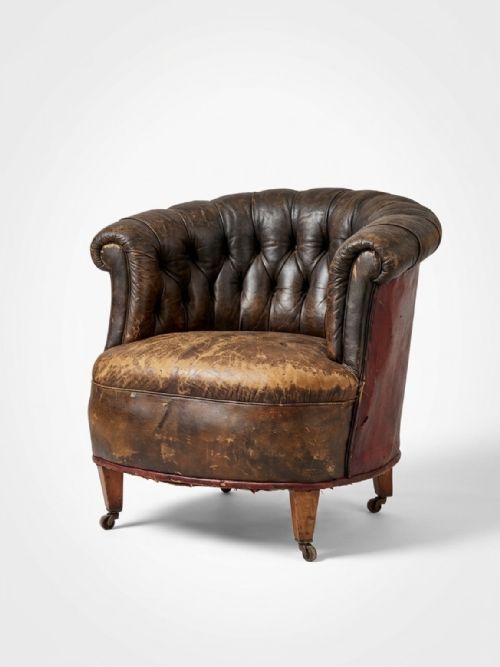
The character of the leather sets the visual tier of each chair, from uniform hand-dyed finishes to heavily patinated hides showing deep creases. Grain texture and suppleness distinguish fine workshop output from standard utility seating.
Frame construction and timber selection also divide the range, with solid carved mahogany or walnut frames holding higher status than simpler pine or oak carcases. Original upholstery materials and intact buttoning elevate the integrity of surviving pieces.
Harry and Lou Epstein
The Brown Leather Club Chair Glossary
- Button-back
- An upholstery method where deep indentations are formed by pulling strings or twine through the padding to secure buttons in a geometric grid. This technique keeps internal stuffing from shifting during use.
- Wing back
- An armchair style featuring protective side panels attached to the armrests, originally designed to shield the sitter from draughts. These high-backed seats frequently appear in nineteenth-century library settings.
- Tub chair
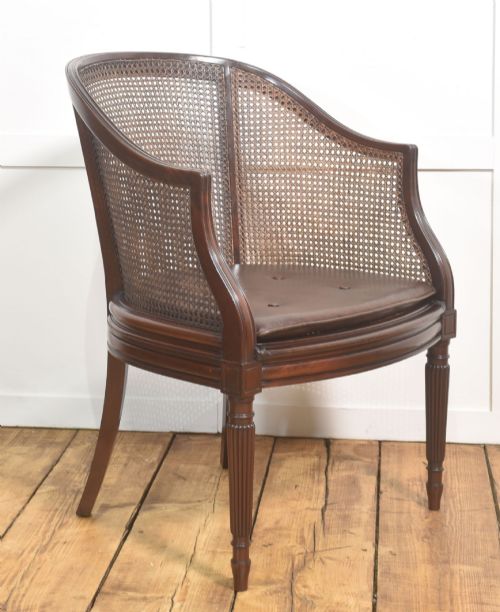
- A curved seating form where the back and arms merge into a continuous semicircular enclosure. Such compact chairs often incorporate cane work alongside leather panels.
- Library chair
- A sturdy armchair built for prolonged reading, typically upholstered in dark leather and framed in heavy oak or mahogany. These pieces often accompanied partners desks in nineteenth-century offices.
Brown Leather Club Chair: Frequently Asked Questions
What is a brown leather club chair?
A brown leather club chair is a deep, low-slung armchair upholstered in heavy hide, designed for relaxed sitting in studies and libraries.
These seats emerged in various forms across the nineteenth and twentieth centuries, combining robust wooden frames with durable leather coverings.
How do I date an old leather chair?
Dating relies on examining the framing timbers, upholstery techniques, and stylistic cues present in the woodwork and leather. Victorian pieces often feature carved mahogany and buttoned backs, whereas 1930s examples display smoother Art Deco contours.
Records and period markers on the listings help anchor each piece to eras such as the Edwardian period or the 1920s.
Where were these armchairs used?
These armchairs served primarily in private libraries, offices, smoking rooms, and drawing rooms where comfortable seating was required for reading or conversation.
Pairs frequently sat beside fireplaces or flanking large mahogany desks in nineteenth-century homes.
How do I care for antique leather?
Antique leather benefits from gentle cleaning and occasional conditioning to maintain the suppleness of the aged hide. Keeping the material away from direct heat sources prevents the leather from drying out and cracking.
Allowing the natural patina to develop preserves the historical character of the piece.