
Tan Leather Club Chair
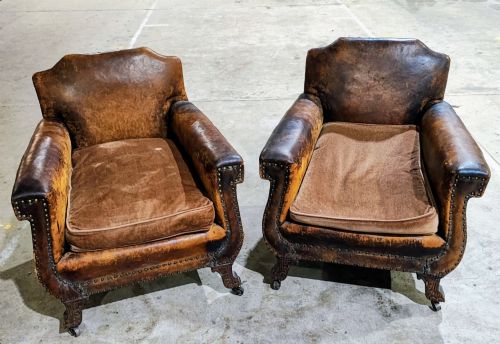
A tan leather club chair provides deep, enveloping seating that develops a rich patina through decades of daily use.
Tan Leather Club Chair
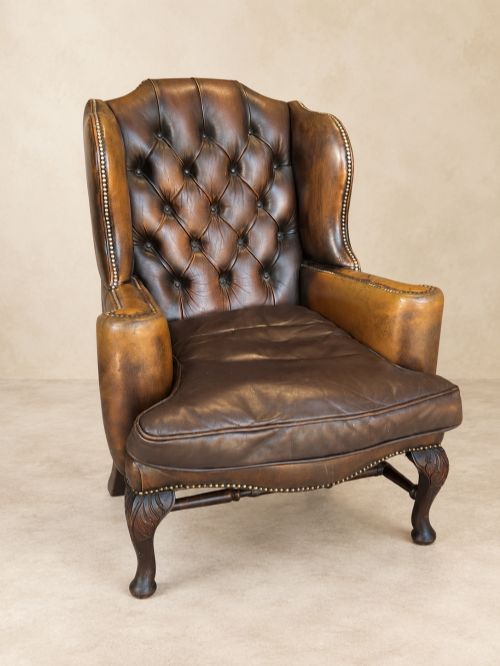
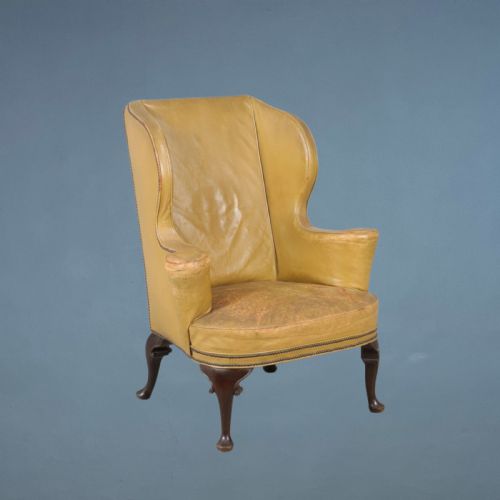
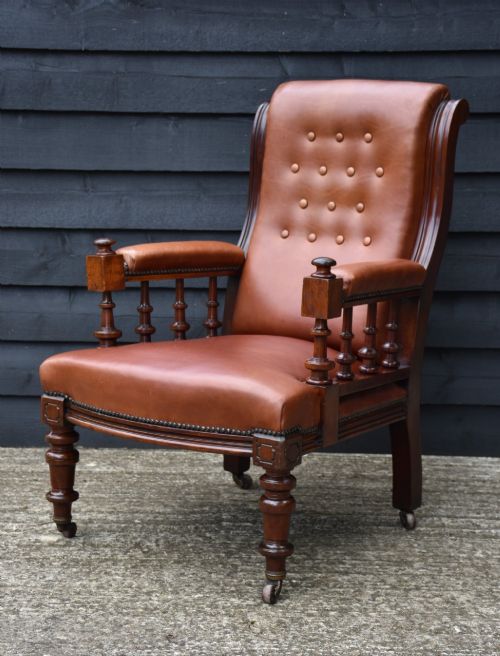
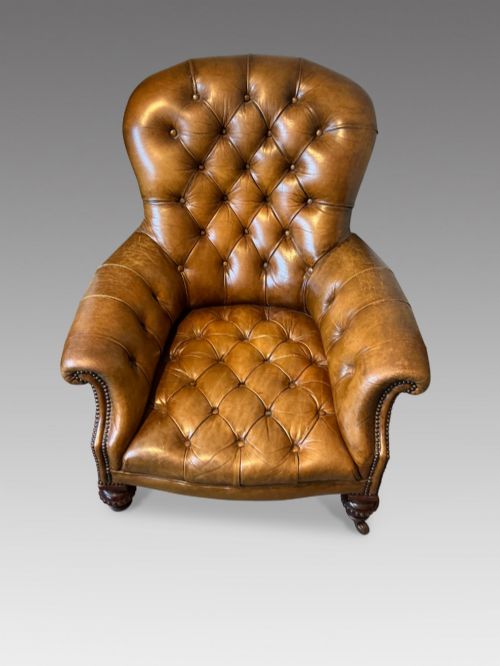
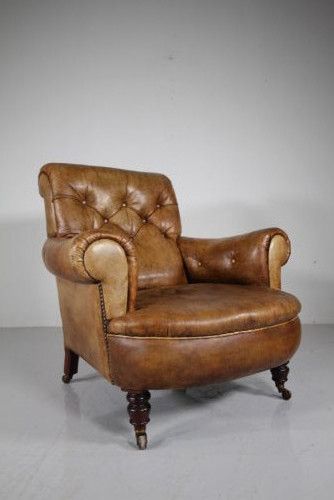
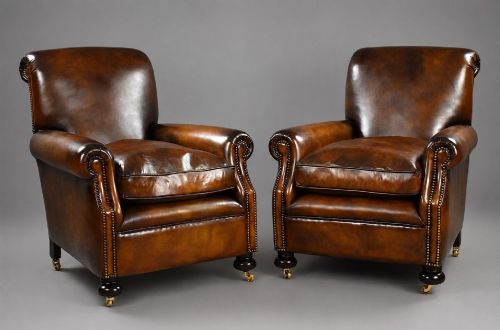
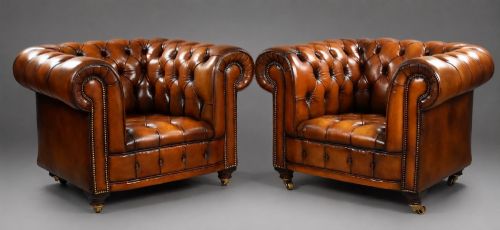
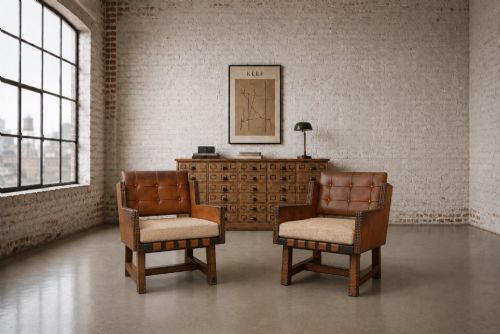
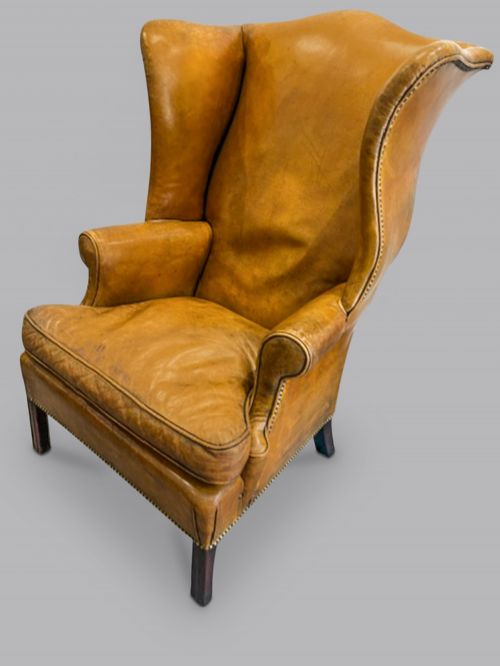
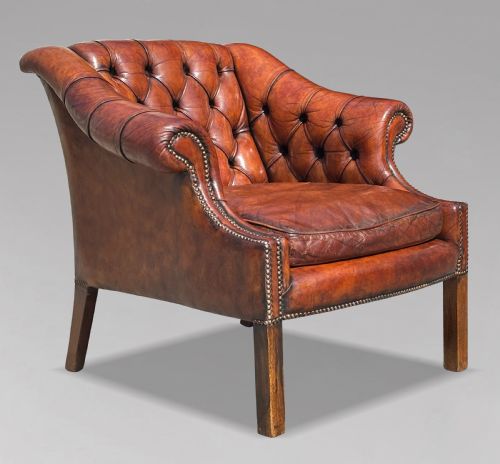
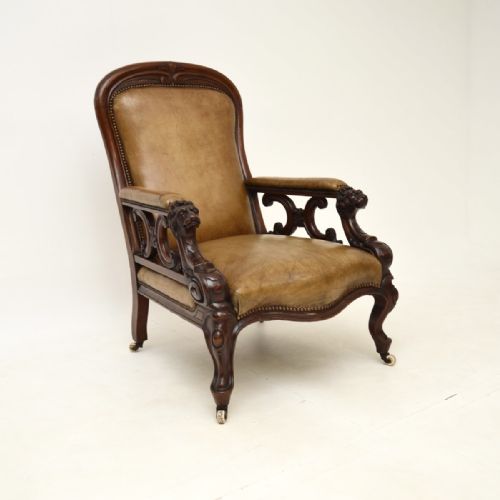
A tan leather club chair is a deep, low-slung armchair built for comfort, frequently appearing in the records from the nineteenth century through the Art Deco period. When searching this phrase, buyers encounter various formats including library chairs, wingbacks, and Chesterfield styles.
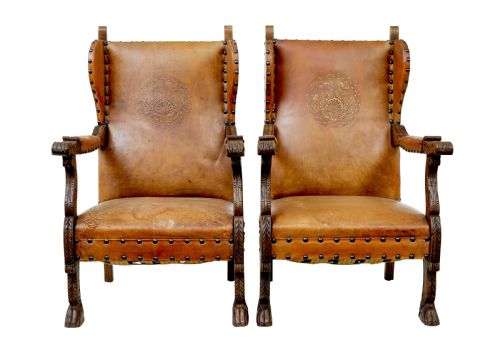
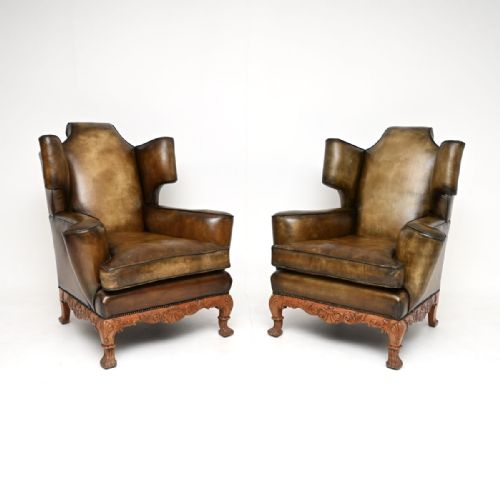
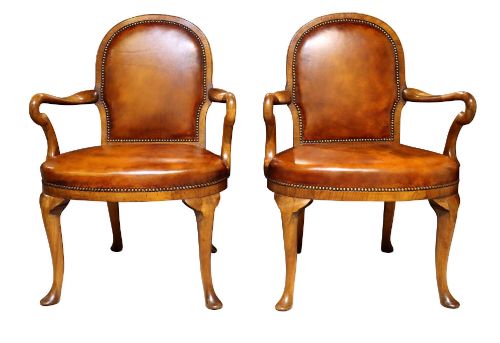
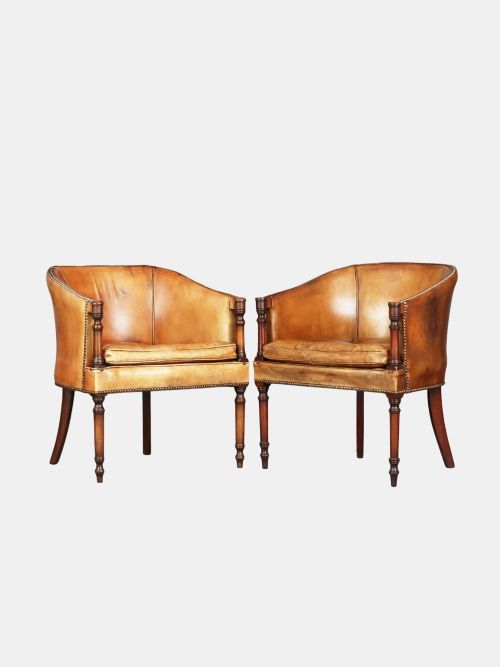
The version most commonly met on this page is the early twentieth century or Art Deco club chair upholstered in soft brown or caramel hide. These pieces often arrive as pairs or single armchairs originating from English country houses and French salons.
The underlying structure typically combines generous proportions with sprung seats designed for relaxation. Makers historically utilised sturdy timber frames of mahogany, oak, walnut, or hardwood to support heavy leather upholstery.
Materials and construction
Frames rely on solid hardwoods such as mahogany, oak, walnut, and general timber to provide a rigid structural skeleton. These wooden chassis support heavy coil springs and traditional stuffings that maintain the chair's shape.
Upholstery centres on durable leather, frequently hand-dyed or finished in shades of brown, tan, and caramel, sometimes complemented by sheep's hide. Brass details such as nailheads often secure the edges of the hide to the wooden frame.
Tan Leather Club Chair Retail Price Guide 2026
Typical asking prices for tan leather club chair among the pieces listed under this phrase on Sellingantiques today, from the lower quarter to the upper quarter. They describe what is for sale here now, not the wider market.
One listed armchair once kept watch over putts at the Royal and Ancient Golf Club in St Andrews.
Quality variations
The distinction between ordinary and superior examples lies in the integrity of the timber frame and the depth of the leather. Finer pieces demonstrate substantial scale, substantial framing in oak or mahogany, and hides that age with a supple texture.
Construction methods determine longevity, particularly the hand-tying of interior springs and the quality of the padding. Chairs retaining original hand-dyed leather and authentic period frames command greater attention from collectors.
Howard & Sons
The Tan Leather Club Chair Glossary
- Club chair
- A deep, comfortable armchair with upholstered armrests designed for relaxation. These seats traditionally feature low backs and generous proportions.
- Wingback
- An armchair with side panels mounted to the back frame to shield the sitter from draughts. This traditional form dates back centuries.
- Chesterfield
- A style of upholstered seating characterised by deep button tufting and rolled arms. The design appears across various nineteenth and twentieth-century armchairs.
- Patina
- The surface sheen and softening developed by leather and wood through age and handling. This gradual change marks genuine period pieces.
Tan Leather Club Chair: Frequently Asked Questions
What is a club chair?
A club chair is a heavily upholstered, deep-seated armchair designed primarily for comfort and relaxation. Originating in private clubs and libraries, it provides a low profile and supportive armrests.
These pieces traditionally utilise sturdy wooden frames enveloped in thick leather or fabric. Their generous proportions distinguish them from standard dining or occasional chairs.
How do I date a leather armchair?
Dating a leather armchair involves examining the framing timbers, upholstery techniques, and overall styling. Pieces from the Victorian era often feature carved mahogany or walnut frames, while Art Deco examples display cleaner lines and caramel tones.
Secondary indicators include the method of tanning, the presence of brass nailheads, and wear patterns on the hide. Comparing construction details with documented period pieces helps clarify the timeline.
Where were these chairs used?
These armchairs typically resided in gentlemen's clubs, libraries, studies, and country house drawing rooms. Their robust construction suited spaces dedicated to reading and daily leisure.
Over time, they transitioned into domestic living spaces and reception rooms. Their durable leather finish made them practical choices for heavy daily use.
How do I care for antique leather?
Maintaining antique leather requires keeping the material nourished with appropriate balms or waxes to prevent drying and cracking. Avoiding direct sunlight and excessive heat preserves the natural oils in the hide.
Gentle dusting with a soft cloth prevents abrasive particles from settling into the grain. Preserving the existing patina maintains both the appearance and the historical integrity of the piece.