

Victorian High Chair
When you search for a victorian high chair, you uncover tall-backed seating designed to elevate children or provide grand posture during the nineteenth century.
Victorian High Chair
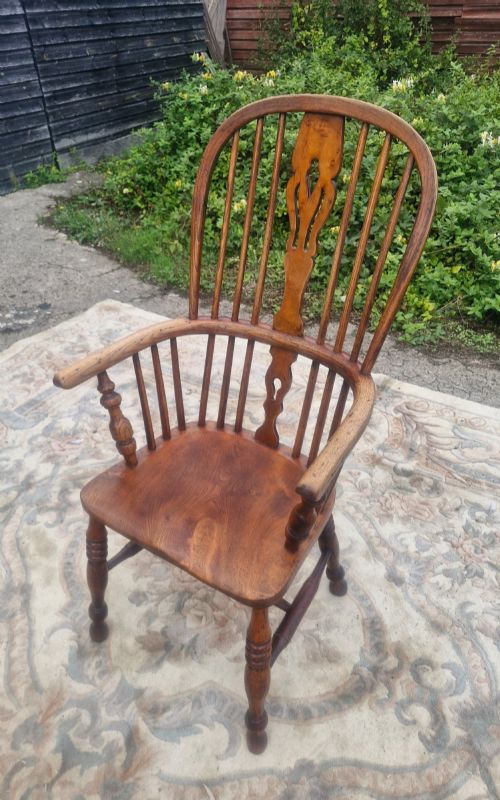
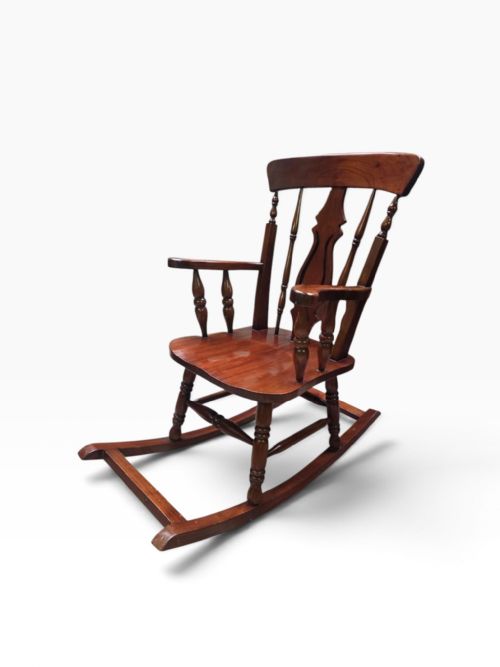
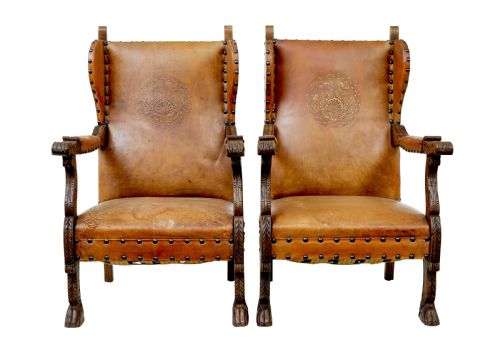
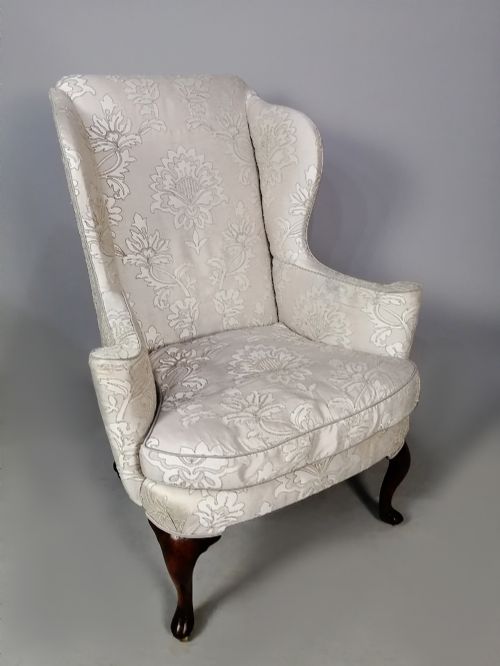
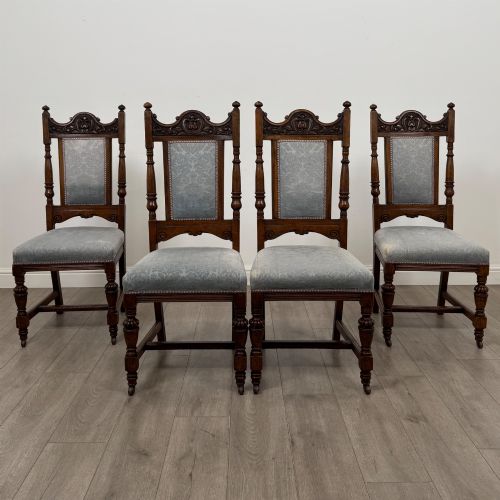
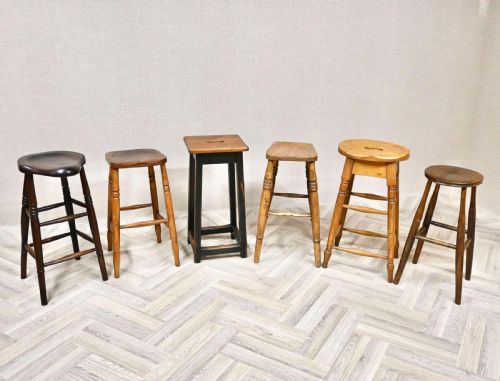
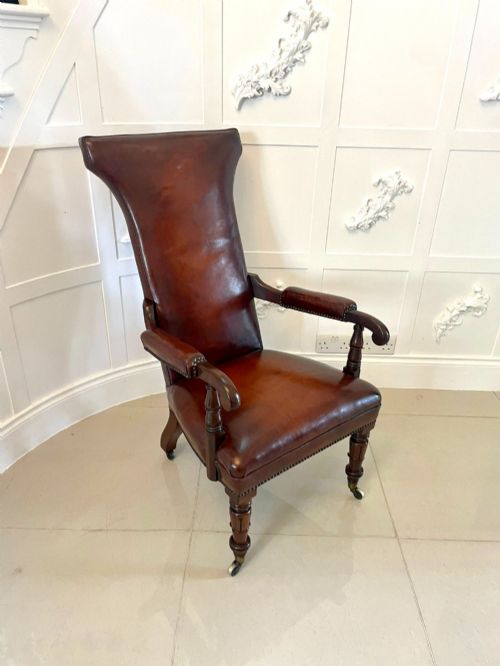
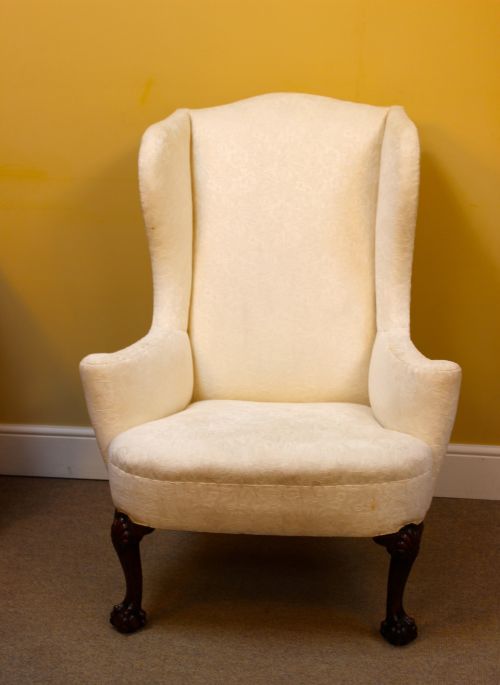
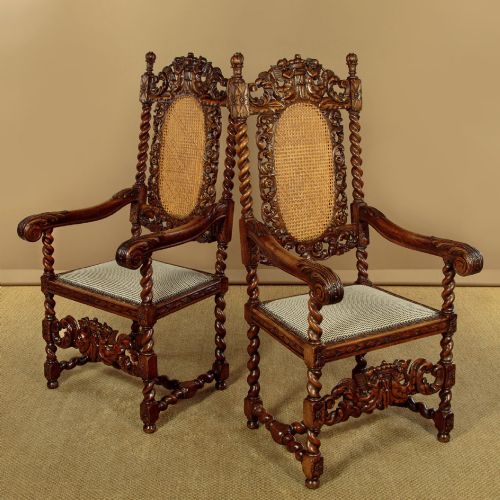
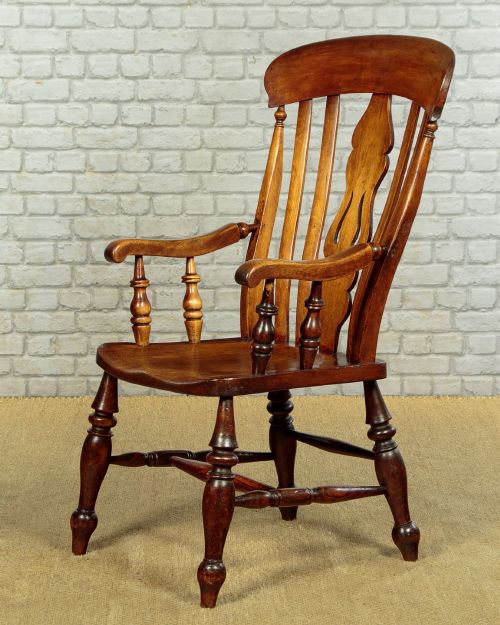
The search for a victorian high chair leads to an array of elevated seating, ranging from sturdy children's feeding chairs to commanding adult high-back armchairs. You will frequently encounter country windsor variations alongside more formal parlour pieces from this period.
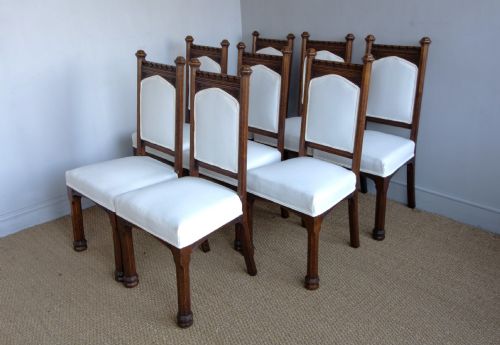
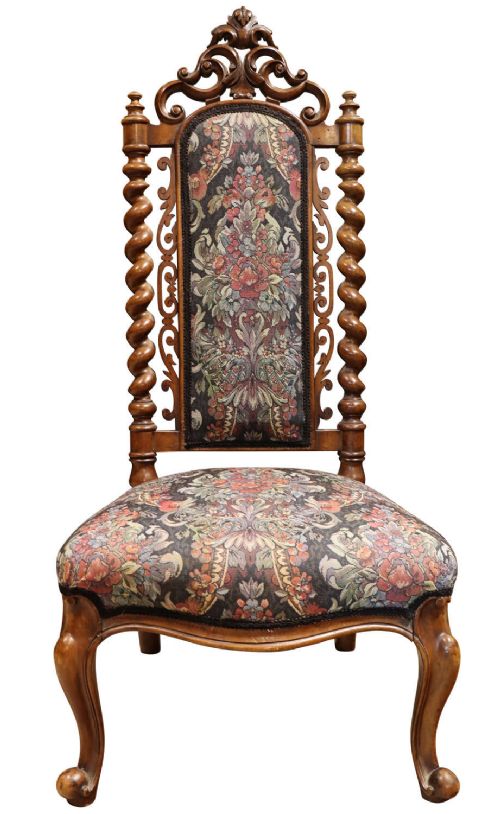
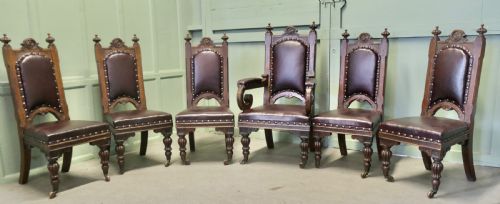
Makers utilised various regional styles, producing rustic elm models in the countryside and polished mahogany or walnut designs for formal interiors. The selection spans straightforward utilitarian furniture as well as ornate Gothic and Jacobean revival seating.
How they were made
Cabinet makers and local joiners combined native timbers such as ash, elm, beech, and oak, often turning spindles on a lathe and bending wood with steam. Upholstered variants utilised horsehair, wool, and needlework fixed to sturdy hardwood frames.
Construction relied on traditional joinery techniques, including mortise and tenon joints and wedged spindles, ensuring structural endurance for daily use.
Victorian High Chair Retail Price Guide 2026
Typical asking prices for victorian high chair among the pieces listed under this phrase on Sellingantiques today, from the lower quarter to the upper quarter. They describe what is for sale here now, not the wider market.
Listings feature nineteen-century timbers including elm, oak, ash, walnut, and mahogany, reflecting diverse regional British furniture production.
What varies in quality
The distinction between standard utility items and the finest examples lies in the selection of timbers, the crispness of carved details, and the integrity of the original framing. Superior pieces exhibit thoughtful proportions and harmonious grain patterns across the wood.
Finer workshops employed skilled turners and carvers, resulting in balanced structures that retain their stability and stylistic harmony after generations of use.
Glenister High Wycombe·Sopwith·Norwich Maker
The Victorian High Chair Glossary
- Windsor
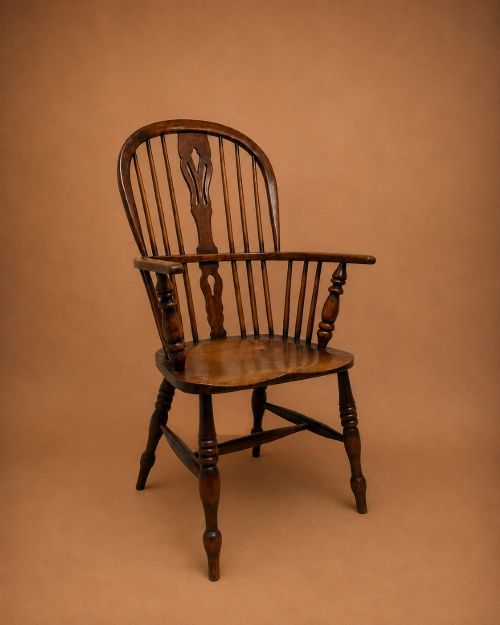
- A traditional wooden chair featuring a solid saddle-shaped seat into which the legs and back spindles are directly wedged.
- Barley twist
- A type of decorative woodwork turned on a lathe to resemble a spiral rope or column.
- Comb back
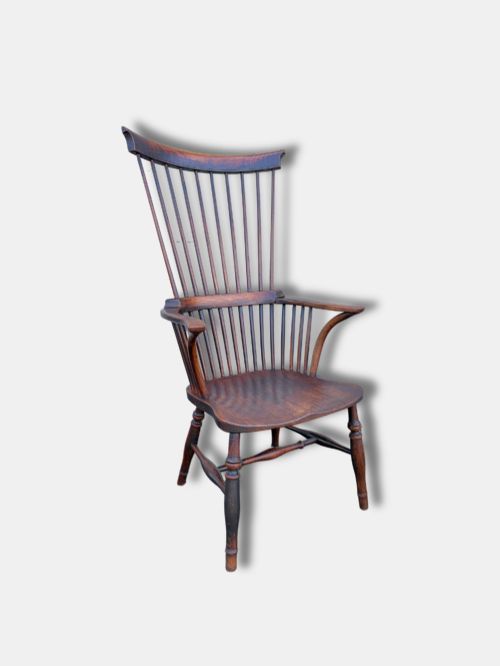
- A Windsor chair design where the central vertical spindles extend upward to support a horizontal top rail resembling a hair comb.
- Gothic Revival
- An architectural and decorative style drawing inspiration from medieval forms, characterised by pointed arches and heavy carved tracery.
- Settle
- A wooden wooden bench with high backs and arms, often incorporating storage compartments beneath the seat.
Victorian High Chair: Frequently Asked Questions
What is a victorian high chair?
A victorian high chair refers to nineteenth-century seating built with an elevated seat for children or an extended high back for adults.
These pieces reflect the domestic habits and craftsmanship of the period, utilising local timbers and popular revival styles.
How were child high chairs used?
Child high chairs were utilised at dining tables to keep young children safely elevated and seated alongside the family during meals.
Many included integrated footrests and detachable trays or protective front bars for practical everyday nursery use.
Where were these chairs made?
Seating was produced across regional English workshops, from major manufacturing hubs like High Wycombe to local provincial joiners.
Rural makers relied on readily available woods like elm and ash, while urban cabinet makers favoured mahogany and walnut.
How do I care for antique wood?
Preserving these surfaces involves keeping them away from direct heat sources and sudden humidity changes that cause timber to split.
Applying occasional natural wax helps maintain the lustre of the polished wood without building up heavy chemical residues.