



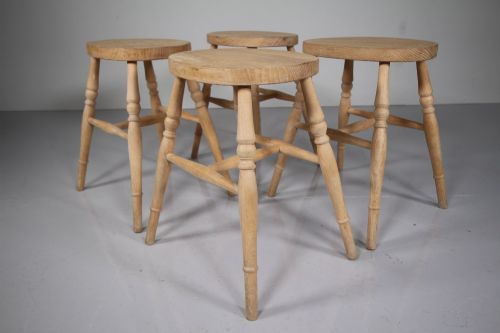
Traditional Country Seating
Traditional country seating comprises sturdy benches, settles, and windsor chairs shaped by utility and vernacular craft.
Traditional Country Seating
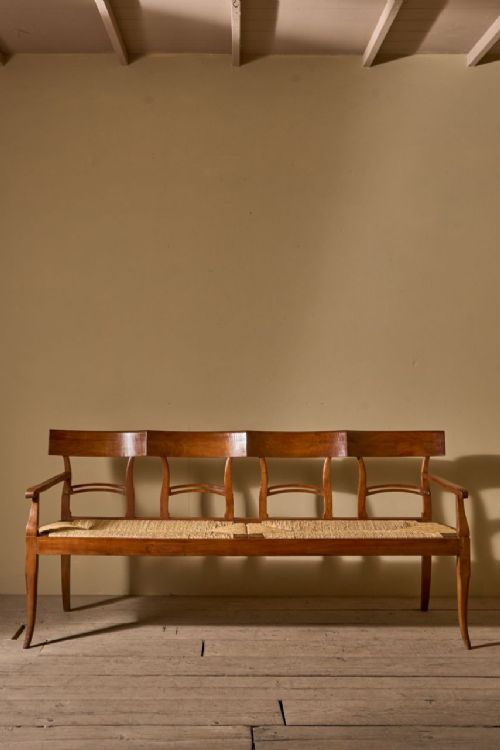
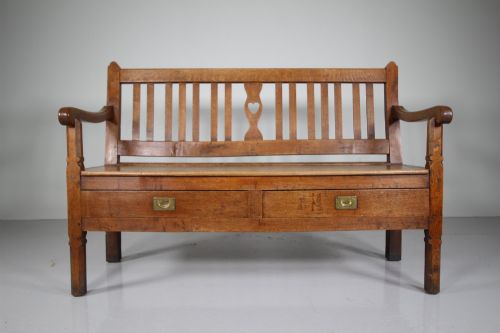
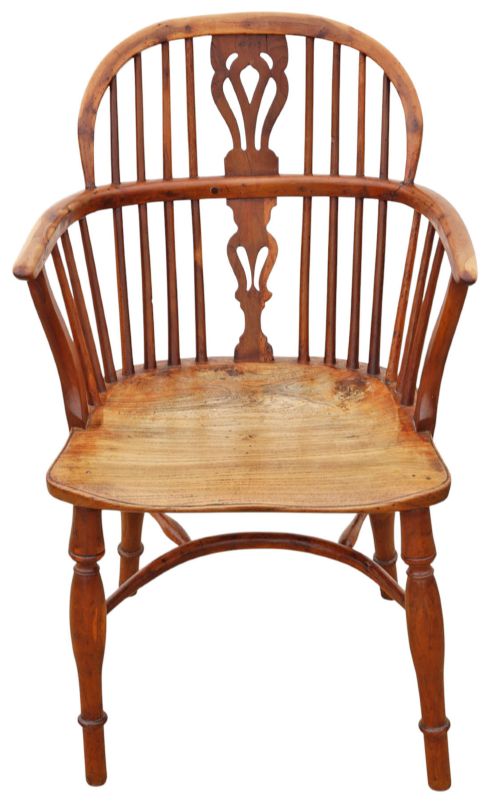
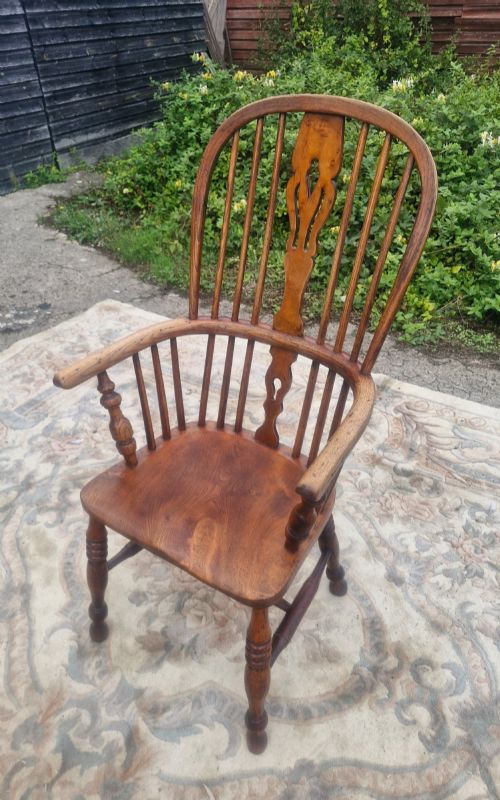
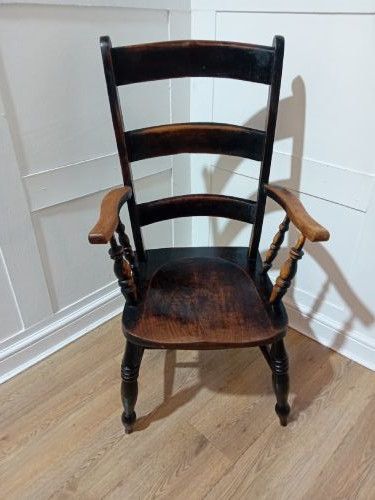
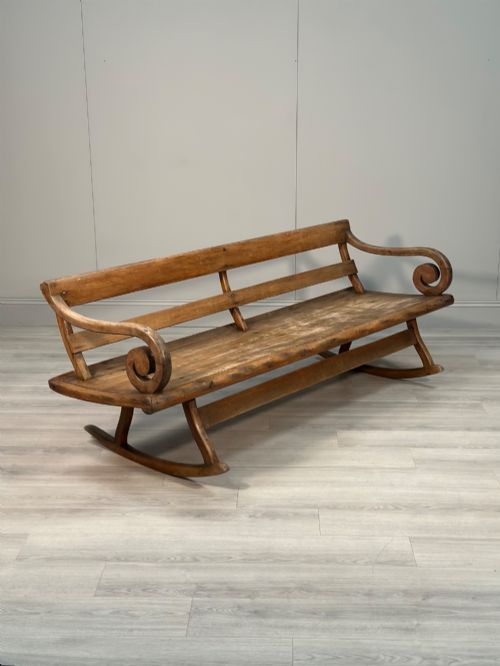
Traditional country seating encompasses practical furnishings designed for domestic interiors, taverns, and farmhouses. Buyers searching for traditional country seating encounter an array of forms, including robust settles, refectory benches, tavern stools, and windsor armchairs. These pieces span periods from the eighteenth century through the Edwardian era and the early twentieth century.
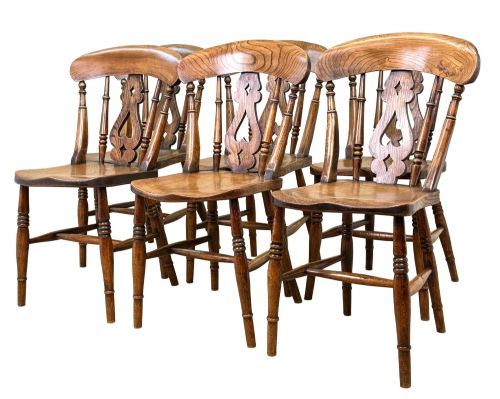
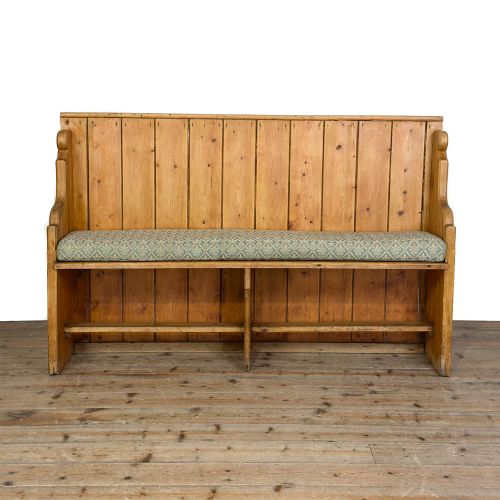
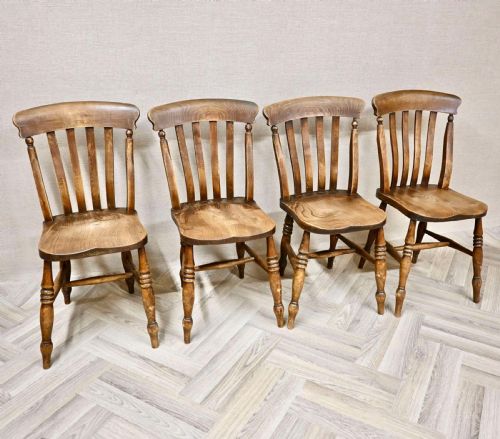
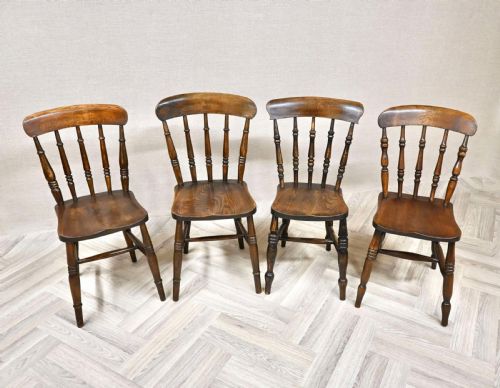
The most common examples on this page are windsor chairs and elm seated kitchen chairs originating in the nineteenth century. Alongside these, buyers find oak and pine hallway benches, lathe back chairs, and occasional dining stools. Regional variations like the Thames Valley Oxford chair and the Orkney chair also appear within the selection.
Materials and construction
Constructed primarily from indigenous timbers, traditional country seating relies on the distinct properties of elm, ash, beech, oak, and pine. Elm provides tough, interlocking grain suitable for shaped seats, while ash and beech offer flexible strength for spindles and bentwood components. Pine and oak serve in larger structural forms such as settles and refectory benches.
Joinery methods reflect straightforward vernacular traditions, employing pegged joints, turned legs socketed directly into solid seats, and steam-bent elements. Many pieces retain original finishes, patinated surfaces, and traditional upholstery where fabric or calico linen is specified.
Listings feature eighteenth-century oak settles alongside nineteenth-century elm windsor chairs and Edwardian dining stools.
Judging quality in country chairs and benches
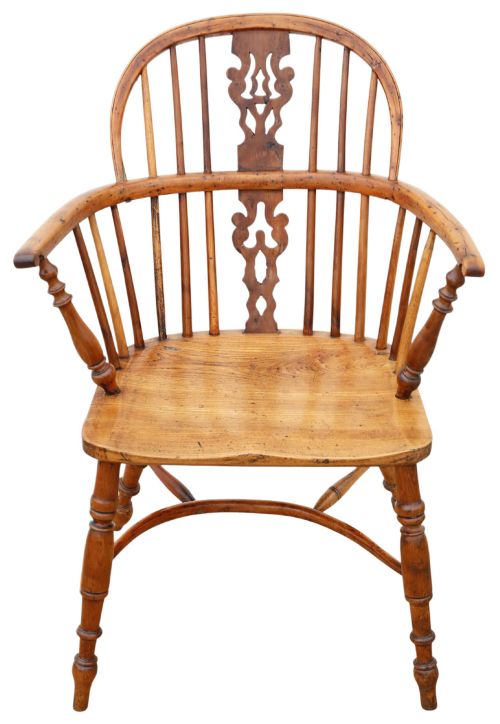
Quality in traditional country seating depends upon the integrity of the timber and the honesty of the construction. Superior examples display well-matched woods, such as figured yew and elm combinations in windsor armchairs, alongside substantial stock thickness in legs and arms.
The degree of original surface preservation and patina distinguishes finer examples from heavily restored ones. Proportions, comfort in the rake of a high back, and the crispness of turning on spindles and legs separate standard utility pieces from exceptional vernacular works.
Howard and Sons
The Traditional Country Seating Glossary
- Windsor chair
- A wooden chair built with a solid sculpted seat into which the legs and back spindles are driven directly.
- Settle
- A high-backed wooden bench with solid arms and a storage box base designed to block draughts in vernacular rooms.
- Patina
- The deep surface sheen and colour developed on wood through decades of handling, cleaning, and light exposure.
- Carver
- An armchair, frequently designed with elbow rests, traditionally used at the head of a dining table.
- Joint stool
- A low wooden stool constructed with mortise and tenon joints, common before the widespread use of chairs.
Traditional Country Seating: Frequently Asked Questions
What is a windsor chair?
A windsor chair is a timber seat characterised by individual spindles socketed into a thick, solid wooden base rather than a framed skeletal structure. These chairs developed regional variations across England, including distinct Thames Valley and lathe back styles.
They served as durable everyday seating in farmhouses, kitchens, and taverns, prized for their ergonomic comfort and robust construction.
How do I care for antique elm furniture?
Antique elm requires stable indoor humidity and protection from direct heat sources to prevent timber splitting or warping. Dusting with a dry cloth and applying natural wax occasionally preserves the surface finish and historic patina.
Avoid using modern silicone-based polishes, which can penetrate open wood grains and damage the original timber character over time.
Where were settles used?
Settles were placed near hearths in farmhouses, cottages, and taverns to provide communal seating shielded from cold draughts. Many incorporate a hinged lid above a box base, serving double duty as storage for blankets or household provisions.
Their high backs and solid panel construction helped retain warmth in large, unheated rooms.