








Victorian Elm Milking Stool
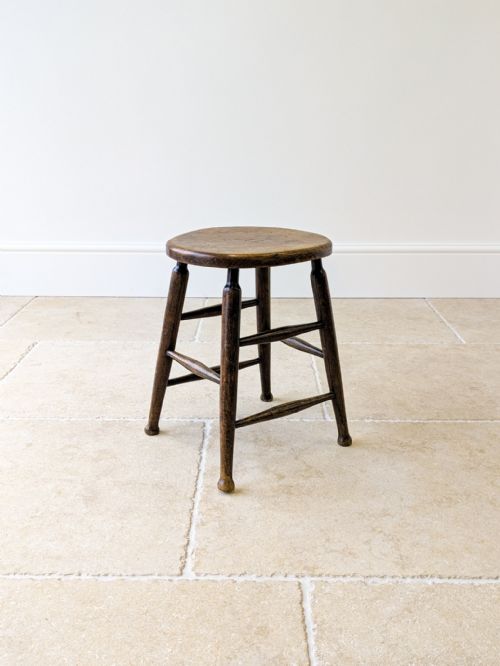
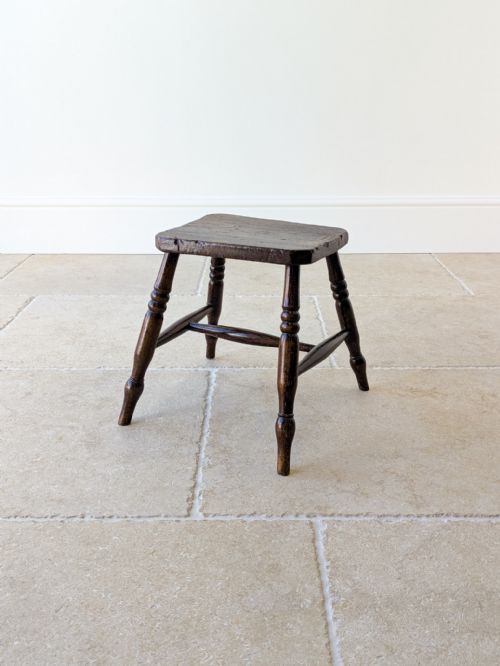
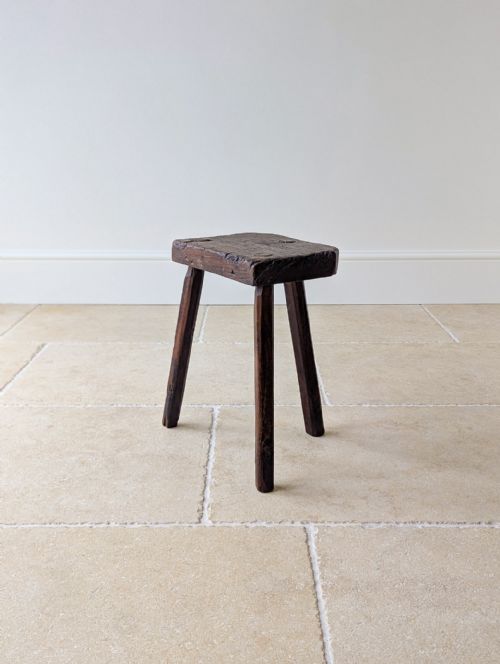
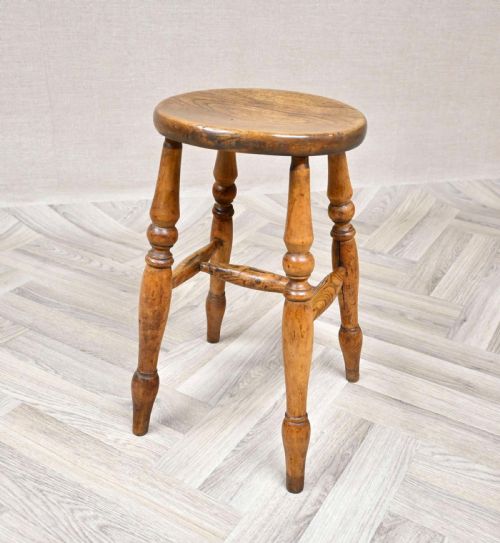
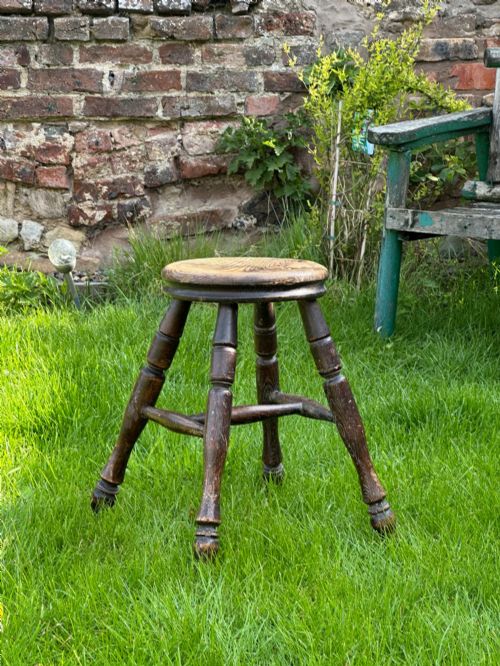
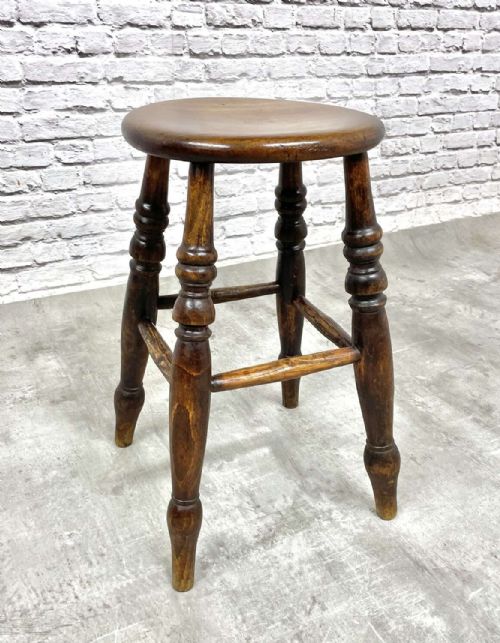
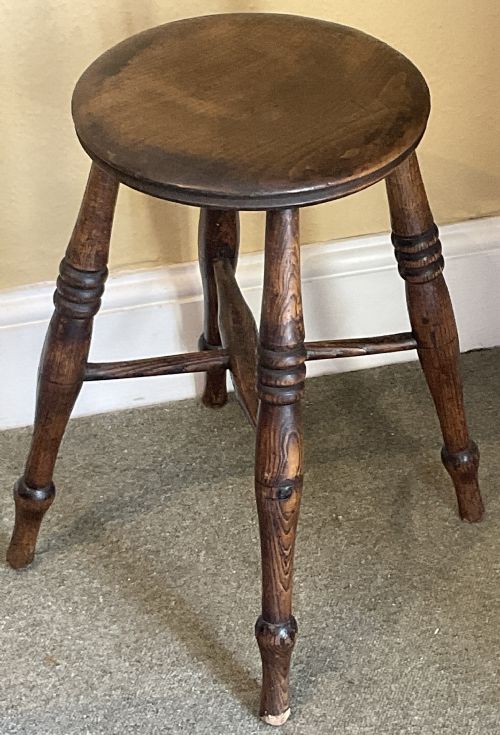
A victorian elm milking stool brings honest utility to a room, offering simple timber construction shaped by daily domestic work.
Victorian Elm Milking Stool
When you search for a victorian elm milking stool, you find utilitarian seating born from nineteenth century rural life. These pieces include dairy stools, Windsor variations, and workshop seating used by jewellers and cutlers.
Materials and Making
Maker construction relies on native hardwoods, combining elm for seats with beech, ash, or oak for legs and supports. Carpenters shaped these timbers using traditional vernacular techniques suited to robust daily use.
Surfaces appear in bare wood or retain historical paint, showing the honest wear of dairy and workshop environments. Simple joinery like wedged tenons kept the legs secure under heavy loads.
Victorian Elm Milking Stool Retail Price Guide 2026
Typical asking prices for victorian elm milking stool among the pieces listed under this phrase on Sellingantiques today, from the lower quarter to the upper quarter. They describe what is for sale here now, not the wider market.
Several specialist variations appear here alongside dairy seats, including stools made specifically for Birmingham jewellers and cutlers.
Judging Quality
Quality rests in the character of the timber and the integrity of the original construction rather than decorative ornamentation. Elm seats with strong grain patterns and pleasing natural patination stand above plain examples.
The balance between the seat and the supporting legs determines the success of the form. Stools with well-turned legs and solid historical joints command greater respect than clumsy replacements.
The Victorian Elm Milking Stool Glossary
- Elm
- A durable hardwood with an interlocking grain that resists splitting, frequently used for traditional seat boards. It gives nineteenth century country furniture its characteristic rugged strength.
- Vernacular
- Architecture and objects built by local craftspeople using regional materials for specific practical functions. These pieces lack academic styling but possess high functional honesty.
- Windsor
- A chair or stool construction method where legs and spindles are wedged directly into a thick solid wooden seat. This method creates a rigid frame without traditional box framing.
- Patina
- The surface texture and colour developed by wood through age, handling, and wear over decades. It signals genuine antiquity and years of domestic service.
Victorian Elm Milking Stool: Frequently Asked Questions
What is a Victorian elm milking stool?
A nineteenth century seat made for practical tasks in dairies and rural workshops, constructed primarily from native elm and other hardwoods.
These pieces reflect traditional vernacular design where utility dictated every aspect of the form.
How were these stools used originally?
Workers used them for milking cows in dairies or seated tasks in trades such as jewellery and cutler workshops.
Their compact size allowed workers to move them easily around farmyards and crowded workrooms.
Are painted finishes original on them?
Some nineteenth century examples retain early or original paint applied to protect the wood or identify workshop property.
Traces of old paint contribute to the historical character appreciated by collectors today.
How do I date a country stool?
Dating relies on timber characteristics, tool marks, construction methods, and signs of long-term wear.
Nineteenth century pieces typically show hand-shaping techniques and distinct patination not found in later reproductions.