
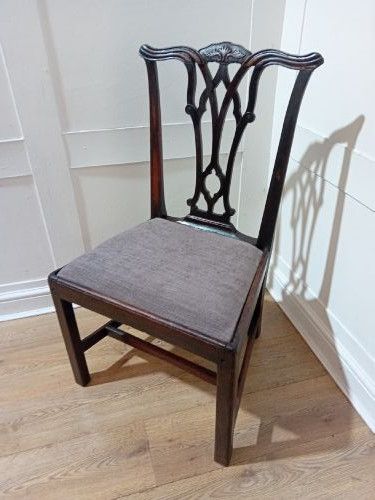
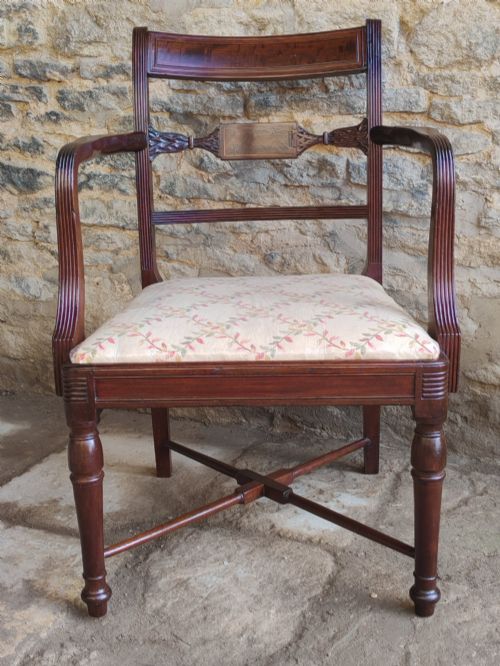


Georgian Wood Chairs
Georgian wood chairs combine enduring carpentry with domestic history, offering buyers practical seating rooted in eighteenth and nineteenth-century design.
Georgian Wood Chairs
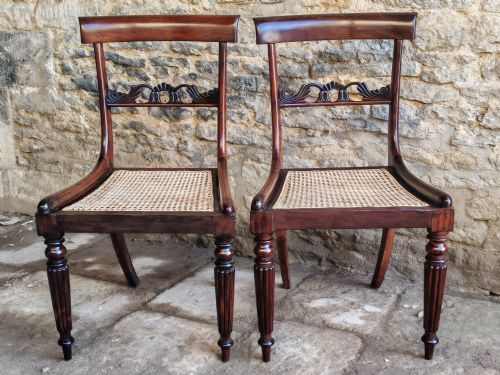
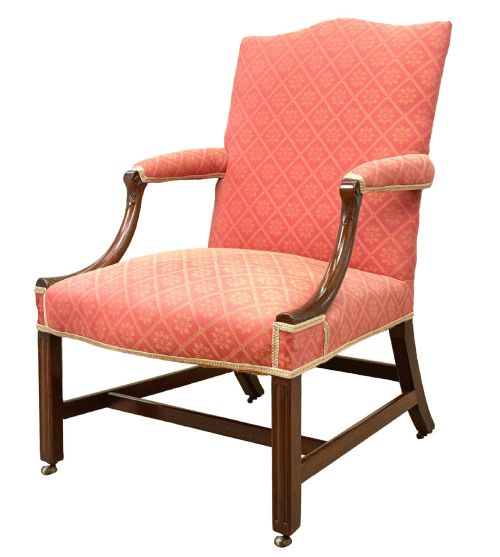
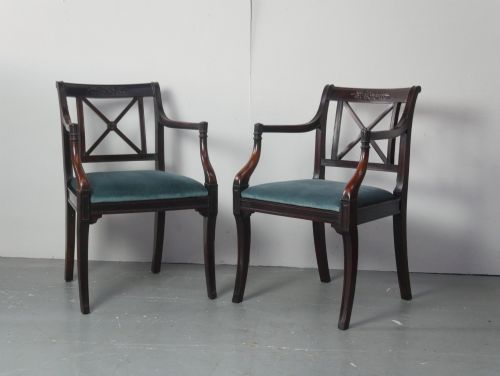
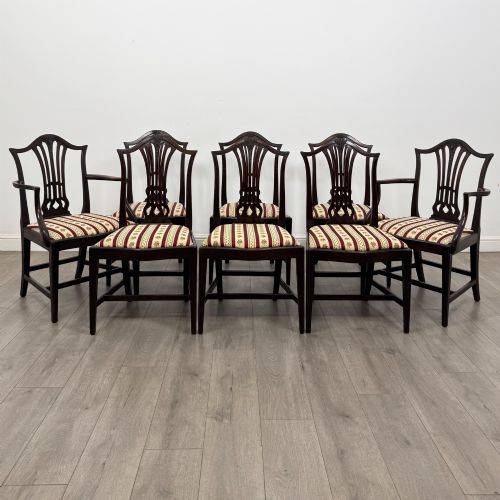
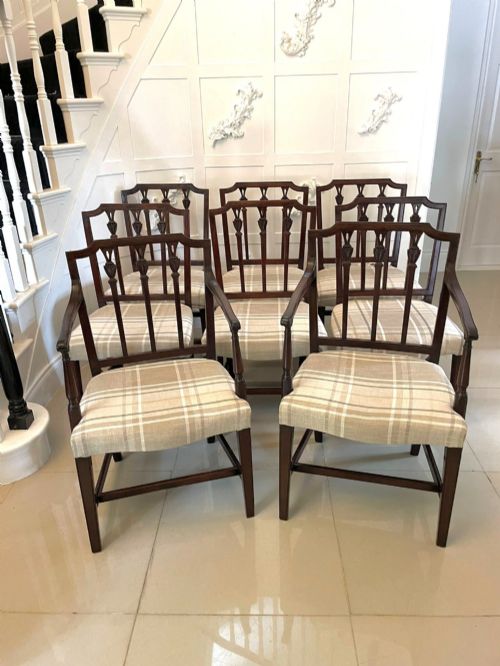
When you search for georgian wood chairs, you encounter a diverse range of seating encompassing formal dining sets, library armchairs, country Windsors, and hall chairs. The pieces span the eighteenth century, the Regency period, and later revivals, reflecting both urban cabinet-making and rural vernacular traditions.
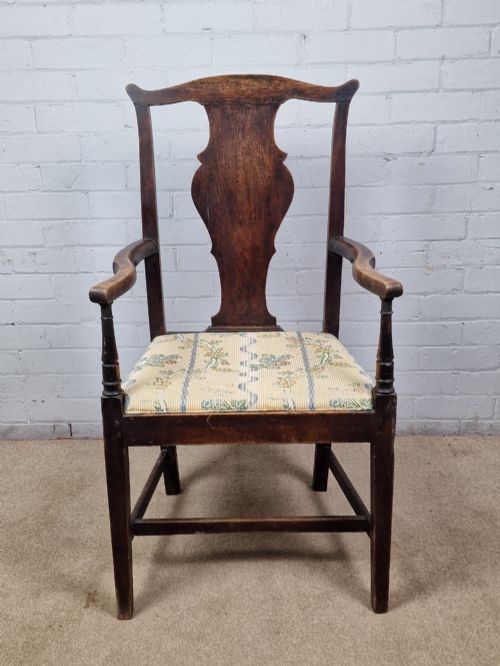
You are most likely to meet mahogany dining chairs from the George III period, alongside ash, elm, and fruitwood country armchairs. Sets of dining chairs frequently appear alongside individual carvers, side chairs, and occasional desk armchairs.
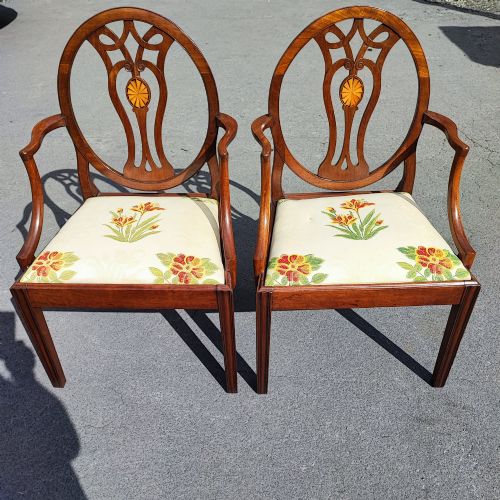
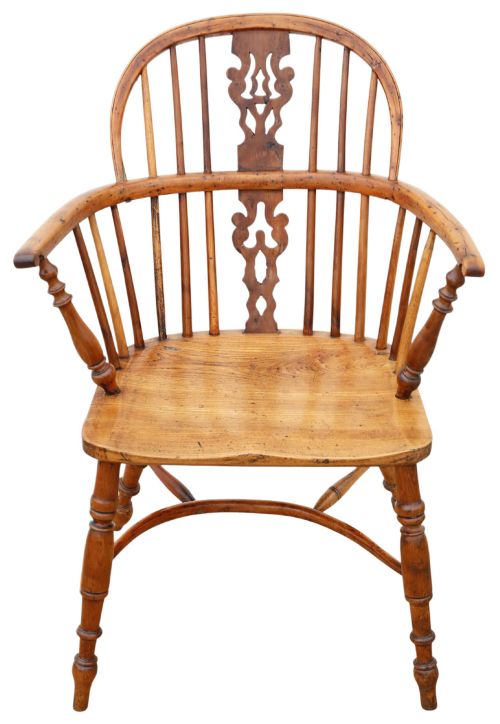
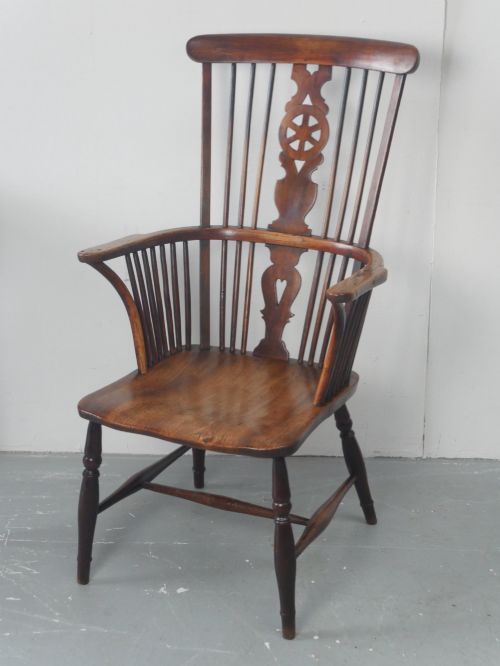
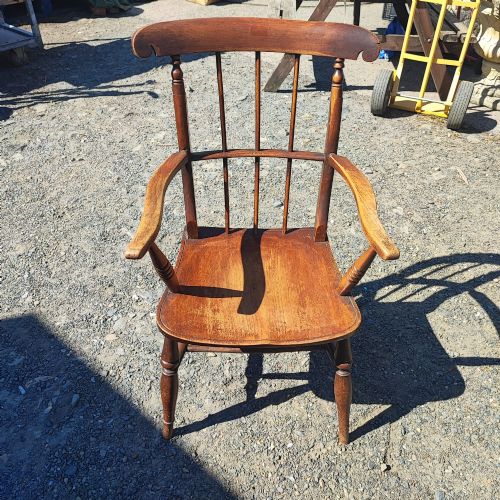
The selection ranges from precise mahogany shield-back designs to robust spindle-back farmhouse chairs and decorative inlaid parlor seating. Each type serves a distinct domestic function, whether positioned around a dining table or placed in a hallway.
How they were made
Makers utilised native and imported hardwoods including mahogany, oak, yew, ash, elm, and fruitwood, often combining timbers for structural strength and surface contrast. Seat frames and legs relied on traditional joinery techniques such as mortise and tenon joints, doweling, and steam-bending for curved components like Windsor bows.
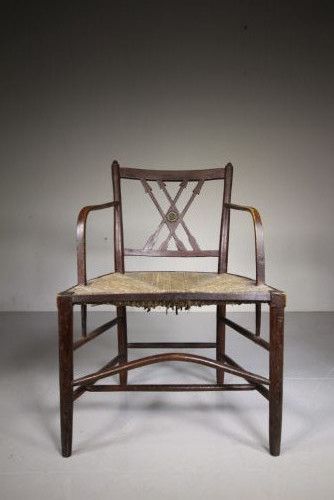
Surfaces were finished with hand-applied polish, wax, or occasionally paint, developing a deep patina over centuries of use. Details such as carved splats, pierced backs, bobbin turnings, and cane or fabric upholstery demonstrated the specific skill of the cabinet-maker or regional chair bodger.
Listings feature mahogany, oak, yew, ash, elm, and fruitwood across dining sets, armchairs, and Windsor forms.
What varies in quality
The quality of georgian wood chairs depends heavily on the crispness of hand-carving, the selection of timber grain, and the integrity of the underlying joinery. Superior examples retain their original structural timber without excessive replacement parts, displaying balanced proportions and fine detailing in splats and arm supports.
Lower-tier or heavily restored pieces often suffer from loose joints, replaced legs, or sanded-away carving definition that diminishes the character of the wood. The presence of a rich, undisturbed surface patina elevates a piece far above one with a stripped or overly harsh modern finish.
Gillows
The Georgian Wood Chairs Glossary
- Carver
- An armchair, typically designed to match a set of single dining chairs and often placed at the head of the table.
- Windsor
- A traditional wooden chair featuring a solid sculpted wooden seat into which the legs and back spindles are wedged directly.
- Splat
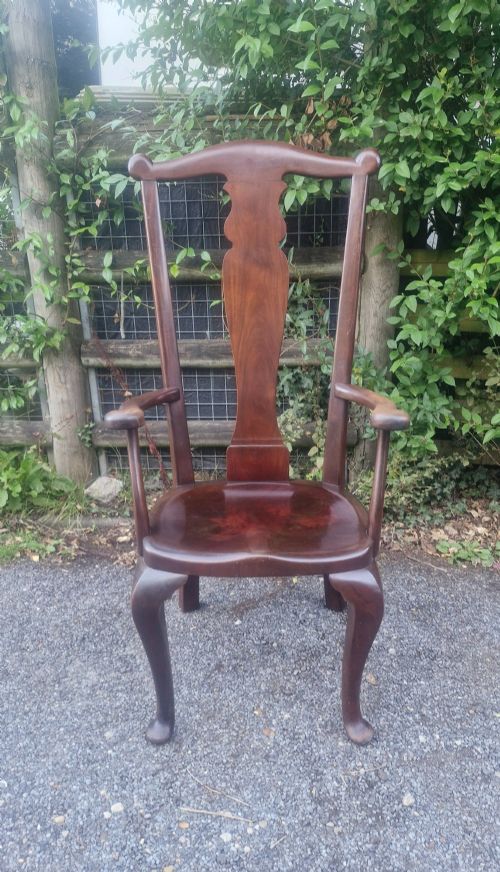
- The vertical wooden strip down the centre of a chair back, frequently pierced or carved in styles like Chippendale or Hepplewhite.
- Shield-back
- A chair back shaped like a heraldic shield, popularised during the late eighteenth century by designers such as Hepplewhite.
- Patina
- The surface sheen and deep colour acquired by wood over decades of handling, exposure, and polishing.
- Bar back
- A horizontal curved wooden slat across the upper back of a chair, common in Regency dining designs.
Georgian Wood Chairs: Frequently Asked Questions
How do I identify a true Georgian chair?
Examine the timber quality, construction methods, and design characteristics such as hand-cut mortise and tenon joints. Genuine pieces often display age-appropriate wear and native or imported hardwoods typical of the period.
Look closely at the style of the splat, leg geometry, and how the seat frame is assembled beneath. True examples usually show subtle irregularities from hand-tooling rather than mass-produced uniformity.
Can I use antique dining chairs daily?
Many sturdy mahogany or elm chairs remain entirely suitable for everyday dining use if their joints are secure. Regular gentle waxing helps protect the wood from domestic temperature fluctuations.
Avoid placing antique seating in excessively dry environments or direct sunlight to prevent timber shrinkage. Periodic checks by a professional restorer will keep the frame joints tight.
Are country chairs as valuable as formal ones?
Country chairs made from regional timbers like ash, elm, and fruitwood possess a distinct collecting appeal focused on vernacular craftsmanship. While formal mahogany Chippendale designs often command higher prices, fine Windsor and spindle-back chairs are prized for their honest construction and rustic patina.
Value is determined by survival of original surface, timber choice, and structural integrity rather than urban fashion alone. Regional pieces offer a direct connection to rural woodworking traditions.