



Fruitwood Desk Chair
A fruitwood desk chair brings warmth and tactile grain to a study, offering sturdy regional character alongside the refinement of formal periods.
Fruitwood Desk Chair
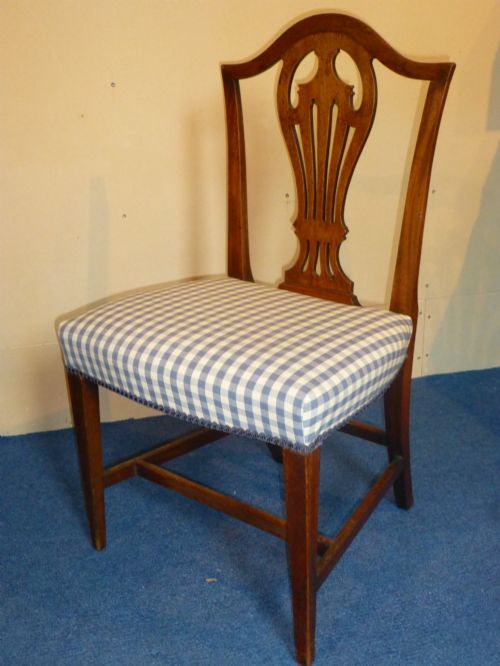
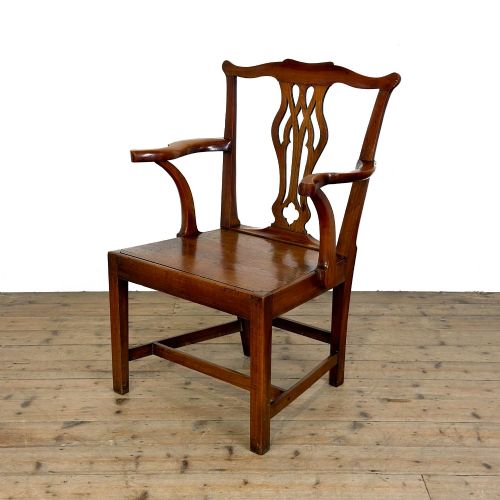
A fruitwood desk chair encompasses a variety of seating forms designed for working and writing, spanning the eighteenth and nineteenth centuries. Buyers searching for a fruitwood desk chair encounter forms ranging from Georgian side chairs and Chippendale style armchairs to regional Windsors and French open armchairs.
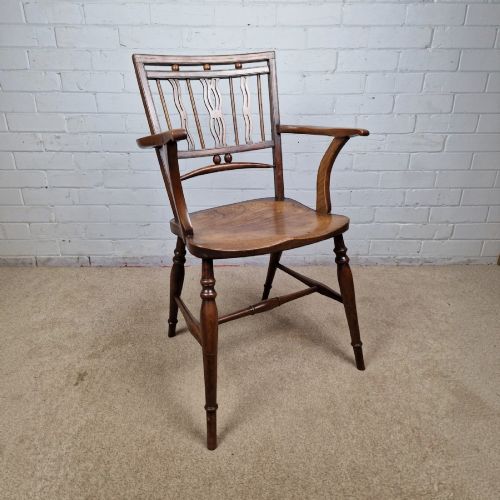
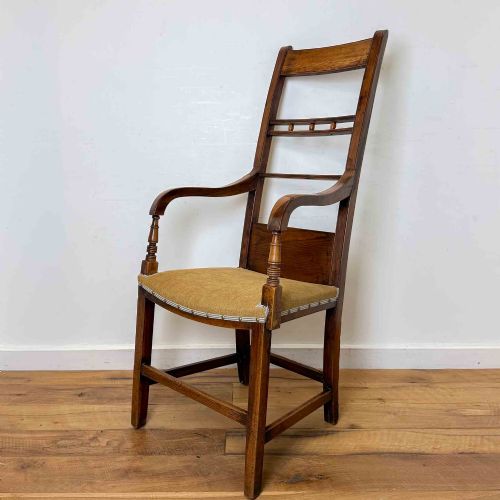
Mendlesham chairs and Thames Valley Windsor chairs represent specific regional outputs within this category, prized for their local timber combinations and vernacular design. Dating spans the eighteenth century through to the early twentieth century, taking in Arts & Crafts interpretations and Victorian country pieces.
How they were made
Makers utilised dense native hardwoods, pairing fruitwood bodies with elm seats and oak stretchers to ensure structural longevity under daily use. Turning, steam-bending, and traditional joinery allowed craftsmen to shape robust Windsor frames and high-backed elbow chairs.
Surface finishing relied on natural waxing and polishing, which built up deep patination over generations of handling. Brass fixings and occasional fabric or textile upholstery appear on select models, though bare timber frames remain prominent.
Listings feature pieces spanning the eighteenth century to nineteen-ten, recording materials including fruitwood, elm, yew, cherrywood, oak, fabric, textile, and brass.
What varies in quality
Quality rests in the depth of natural patination and the clarity of grain on the fruitwood surfaces, distinguishing rich examples from dull or heavily stripped timber. Original timber combinations, such as elm seats paired with fruitwood spindles, command greater regard than later replacements or composite repairs.
Refinement of carving and proportion separates standard regional production from masterworks like Thames Valley Windsors or formal Chippendale style pieces. Structural integrity, including untouched joinery and minimal timber shrinkage, underpins the lasting merit of each chair.
The Fruitwood Desk Chair Glossary
- Fruitwood
- Timber sourced from fruit-bearing trees such as pear, apple, or cherry, known for a smooth texture and warm tone. It develops a rich patina with handling.
- Windsor chair
- A chair built with a solid wooden seat into which the legs and back spindles are separately inserted. Regional variants often mix fruitwood with elm and ash.
- Mendlesham chair
- A distinctive type of regional Windsor chair originating from Suffolk, typically featuring a pierced splat and arm supports. They are celebrated examples of English country cabinet-making.
- Patination
- The surface alteration of timber caused by age, use, and exposure to light and wax. Good patination reveals depth and warmth in the grain.
- Elm
- A tough, interlocking timber frequently utilised for chair seats in combination with fruitwood frames. Its resistance to splitting made it ideal for heavy use.
Fruitwood Desk Chair: Frequently Asked Questions
What is a Mendlesham chair?
A Mendlesham chair is a distinctive regional Windsor chair originating from Suffolk, featuring a solid wooden seat and a decorative pierced splat. These pieces often combine fruitwood with elm and other native timbers.
Cabinet-makers in the region developed this specific vernacular form during the eighteenth and nineteenth centuries. They remain sought-after examples of English country furniture.
Are these chairs comfortable for daily desk work?
Many of these pieces were built for writing and administrative tasks, offering supportive high backs and robust armrests. Solid wood seats provide firm support rather than padded comfort.
Using a cushion can improve ergonomics for modern desk use without altering the historic frame. The sturdy construction ensures they handle regular sitting well.
How do I care for fruitwood timber?
Fruitwood responds best to occasional applications of beeswax and gentle buffing with a soft cloth to maintain its lustre. Avoid placing timber furniture near direct heat sources or strong sunlight.
Proper humidity levels prevent the wood from drying out and cracking over time. Natural cleaning methods preserve the historic surface patination.
How can I tell a regional chair from a formal one?
Regional chairs often employ mixed timbers like fruitwood, elm, and oak within a single frame, following vernacular building traditions. They focus on local construction methods rather than strict adherence to London fashion.
Formal pieces, such as Chippendale style armchairs, display precise mahogany-derived carving translated into fruitwood. Regional designs prioritise sturdy utilitarian function and local character.