

Brown Wood Carver
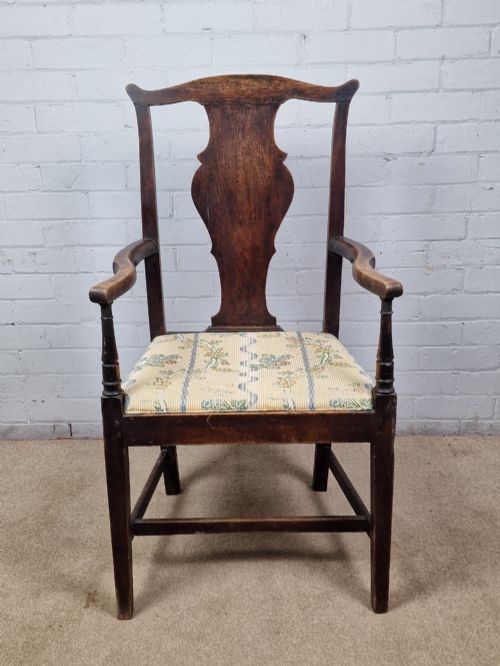
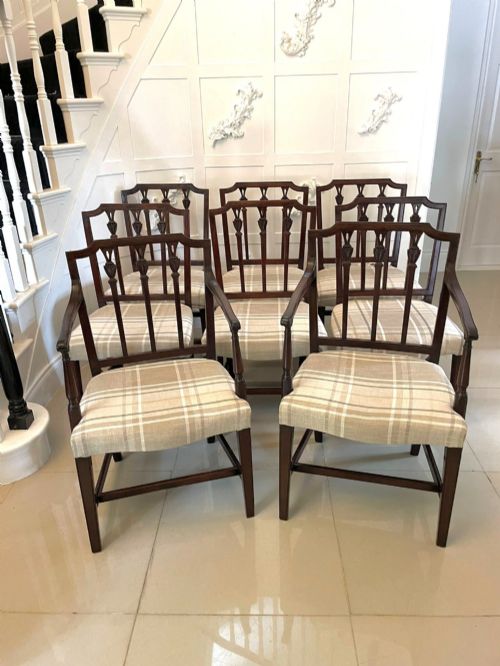
These brown wood carver chairs are sturdy timber armchairs designed for the heads of dining tables or domestic studies.
Brown Wood Carver
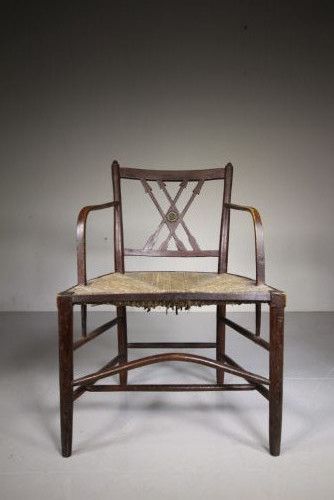
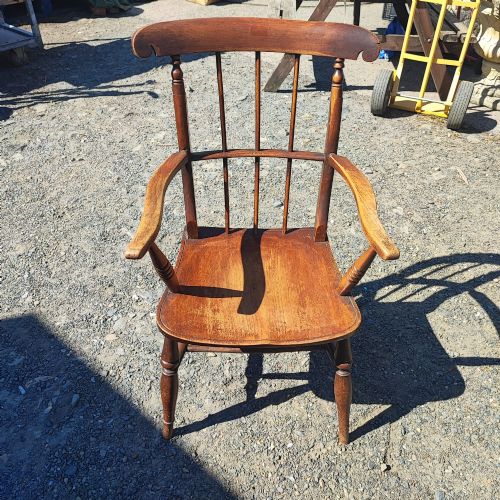
A brown wood carver functions as an open armchair with integrated armrests, historically positioned at the head of a dining table or utilised as an occasional seat. These pieces span formal parlour seating and robust country armchairs.
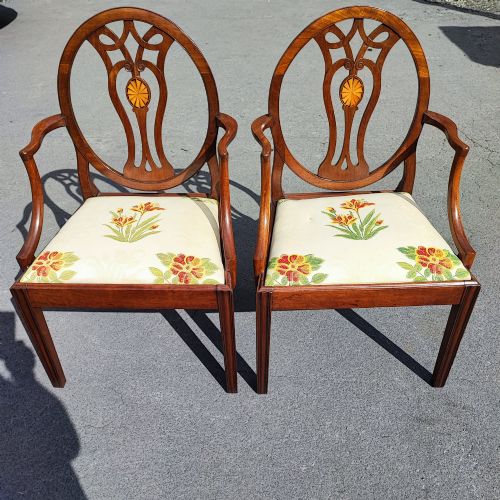
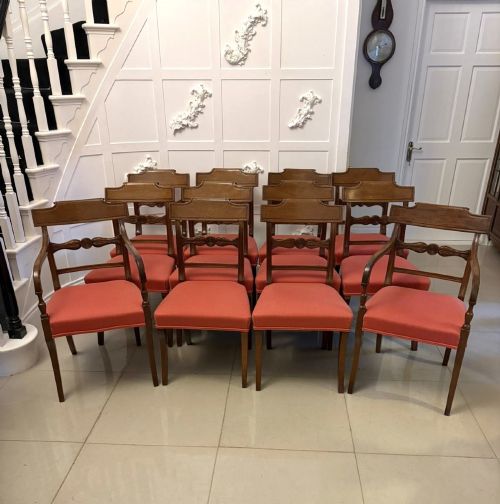
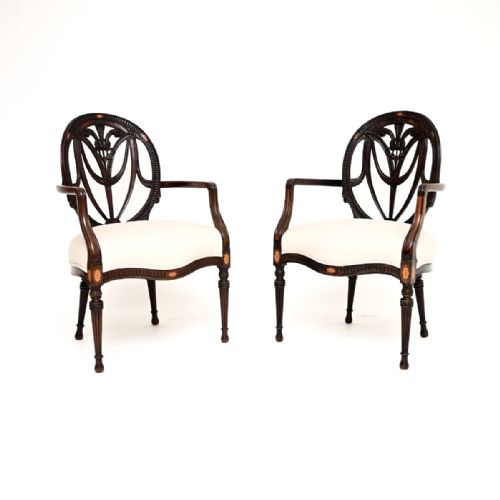
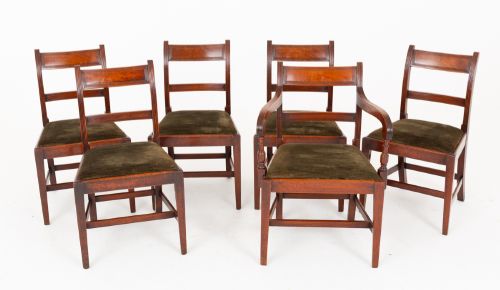
Makers drew upon English country vernacular traditions as well as refined cabinet-making styles including Chippendale, Sheraton, and Hepplewhite. Dining sets often incorporate a pair of carvers alongside matching single chairs.
Materials and construction methods
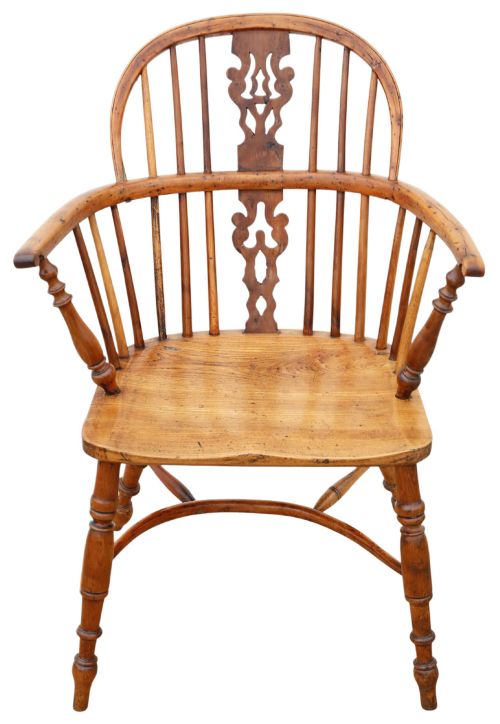
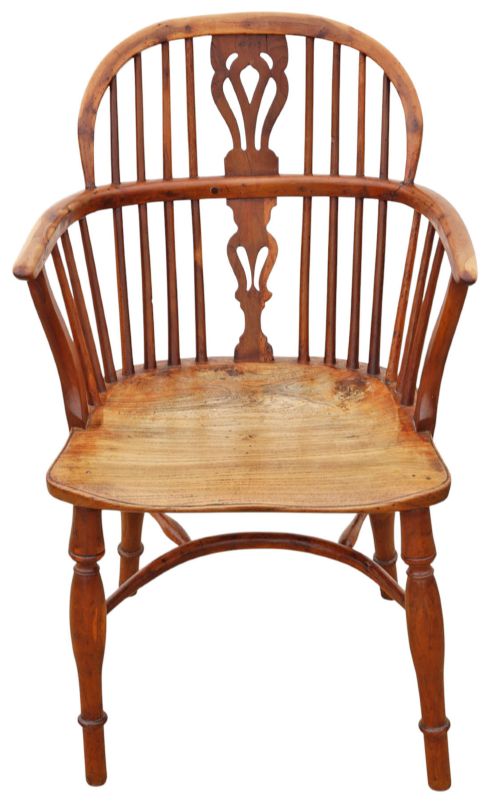
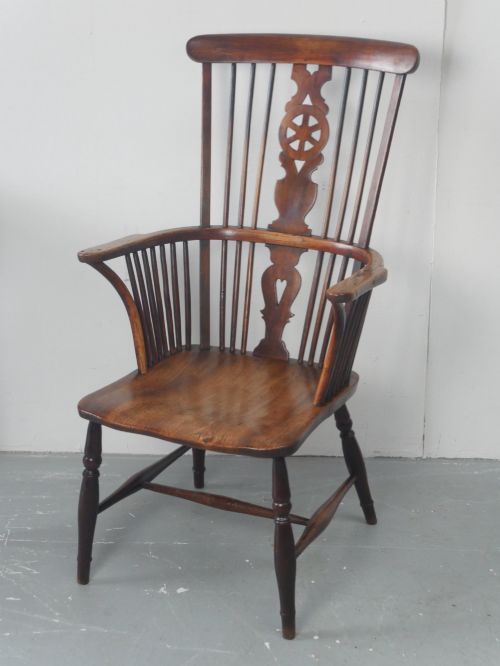
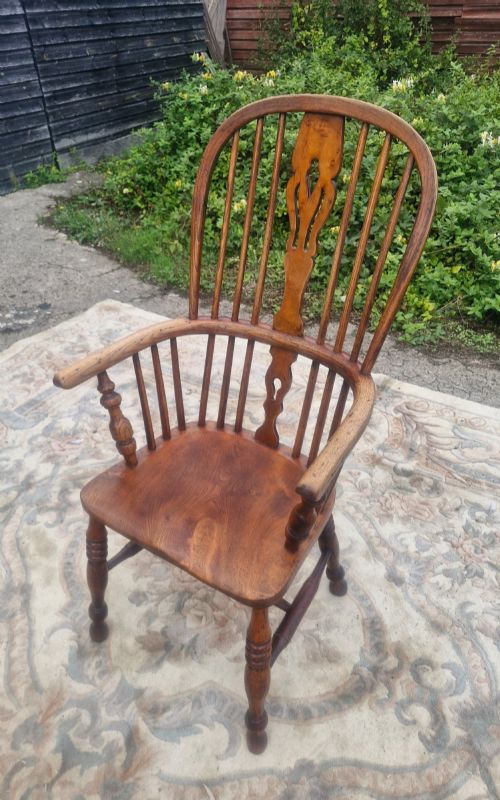
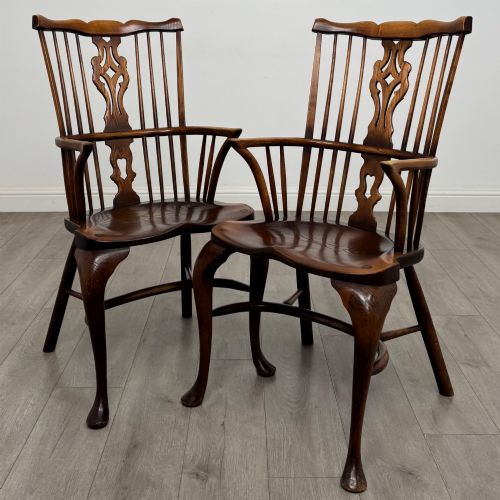
Makers utilised native hardwoods such as elm, ash, yew, oak, beech, laburnum, and fruitwood for country vernacular seating, often combining timbers within a single Windsor armchair. Seat saddles were typically carved from solid elm planks, with bent ash or yew forming the hooped backs.
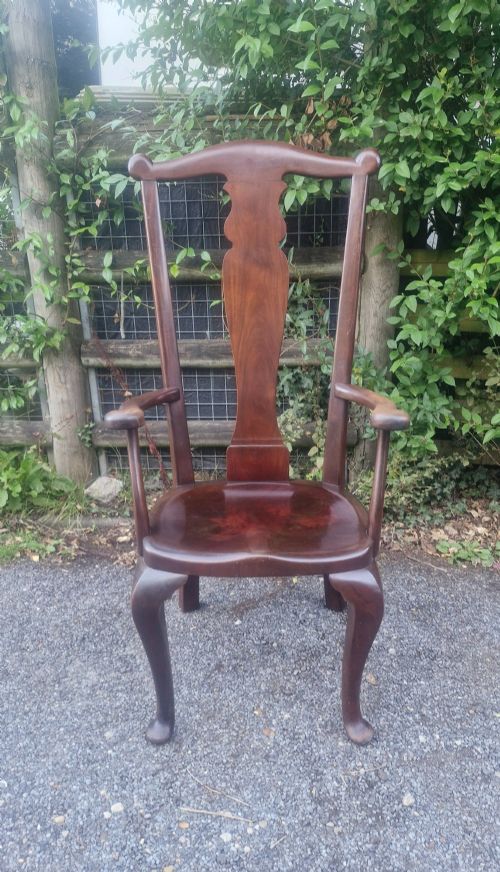
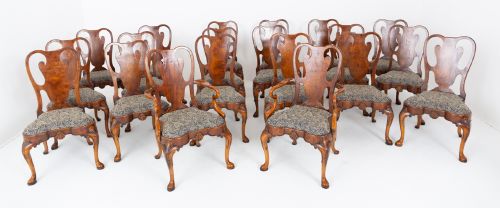
Formal dining carvers and library armchairs relied predominantly on mahogany and walnut, shaped through mortise and tenon joinery. Back splats received detailed piercing and carving, whilst seats accommodated drop-in pads upholstered in fabric, leather, or velvet.
The listings span several centuries of woodworking, featuring solid mahogany, yew wood, elm, and ash across both formal dining sets and country vernacular seating.
Factors determining quality
The integrity of timber selection and the retention of original surface patination distinguish superior carvers from standard examples. Grain movement in yew and elm Windsor chairs contributes significantly to visual depth.
Structural refinement shows in the crispness of carved details on mahogany splats and arm terminals, as well as the tightness of historical joints. Matched sets with surviving carvers demonstrate greater coherence than assembled groupings.
The Brown Wood Carver Glossary
- Carver
- An armchair designed to match a set of dining chairs, typically placed at the table ends. These chairs feature open arms to accommodate formal dress.
- Windsor chair
- A wooden chair constructed with an undercarriage and legs fitted directly into a solid sculpted seat plank. The back incorporates steam-bent spindles and a hooped toprail.
- Splat
- The vertical wooden strip positioned in the centre of a chair back. Formal dining chairs often feature pierced and carved splats derived from Chippendale or Hepplewhite designs.
- Vernacular
- Objects built by regional craftsmen following local traditions rather than metropolitan academic designs. These pieces emphasise utility and regional timber availability.
- Elbow chair
- A traditional term for an armchair with low armrests, frequently used in 18th and 19th century households for sitting at a desk or by a hearth.
Brown Wood Carver: Frequently Asked Questions
What is a carver chair?
A carver chair is an armchair built in the style of a set of dining chairs. It traditionally sits at the head of the dining table.
Cabinet-makers designed these chairs with open arms so individuals wearing formal garments could sit comfortably without restriction.
Where were brown wood carvers used?
These armchairs served multiple domestic functions across dining rooms, libraries, morning rooms, and farmhouse kitchens. Formal mahogany versions complemented dining tables.
Sturdier vernacular examples provided seating near hearths or within domestic workspaces.
How do I care for antique wooden armchairs?
Maintain stable indoor humidity levels to prevent timber from drying out or splitting. Keep wooden carvers away from direct heat sources and strong sunlight.
Apply traditional wax polish sparingly to nourish the wood surface and preserve the historic finish.