
18th Century Style Chair
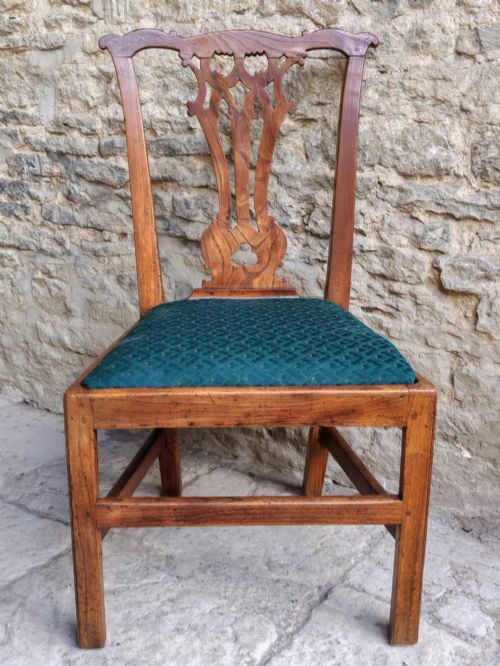
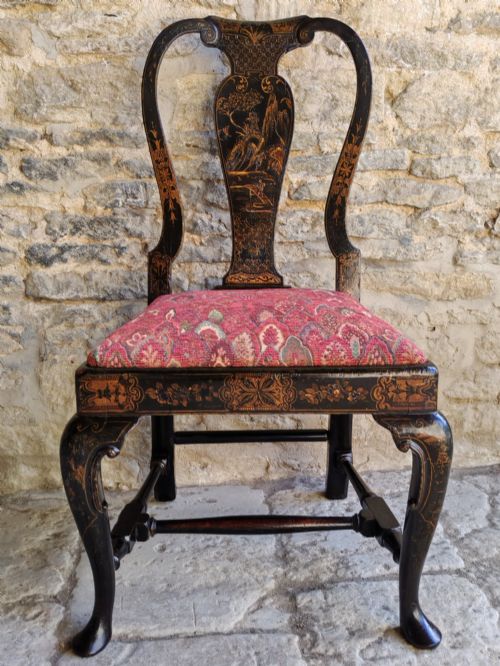
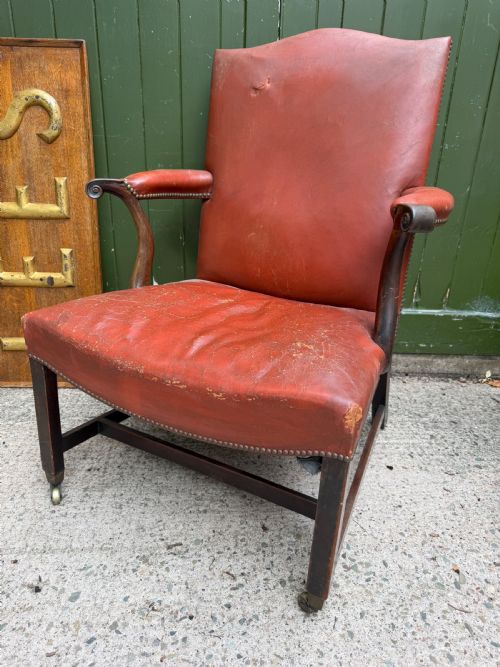
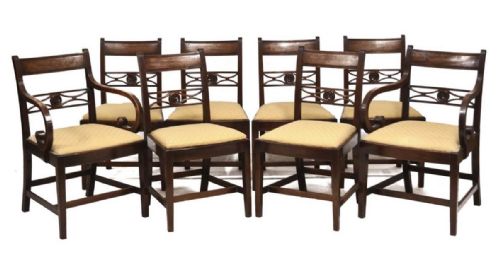
When you search for an 18th century style chair, you are looking for later interpretations of earlier seating forms that bring period character to a room.
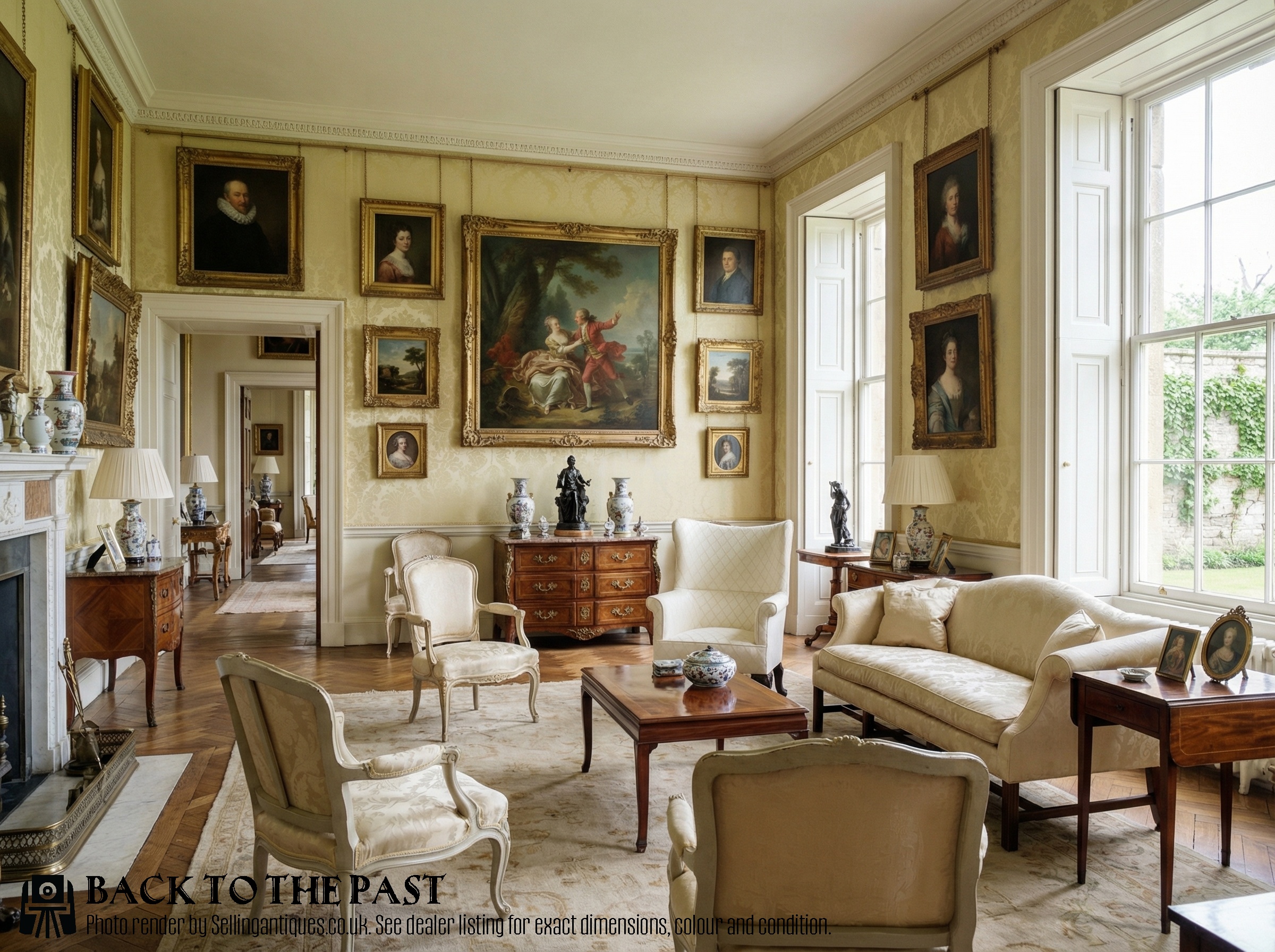
What 18th Century Style Chairs Are
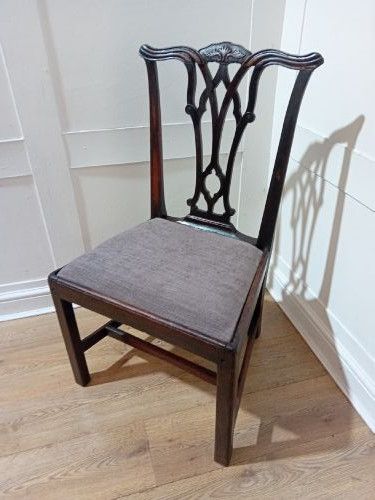
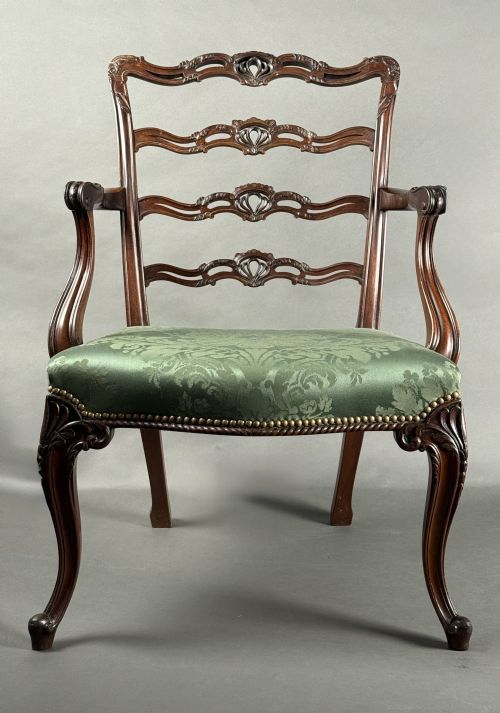
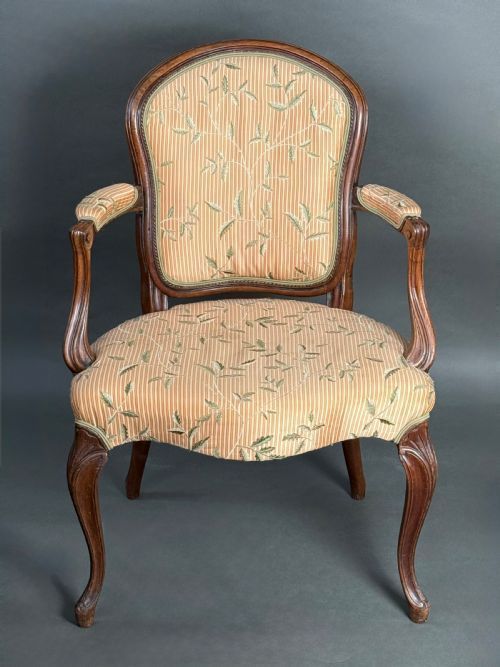
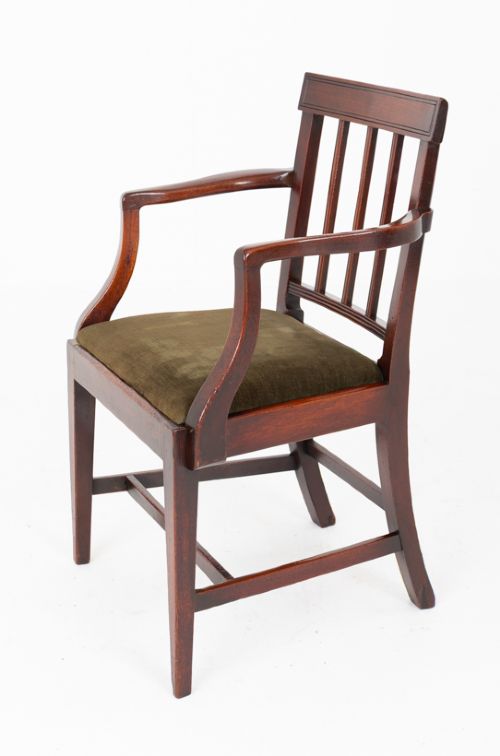
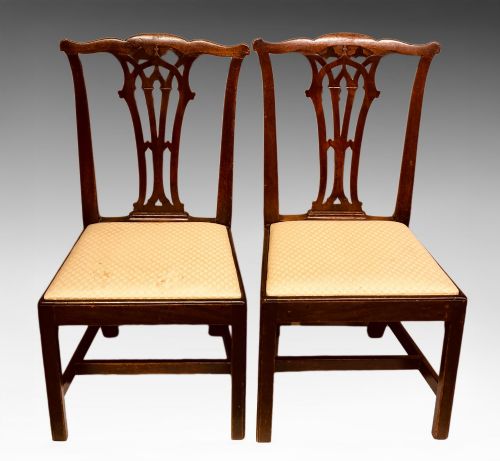
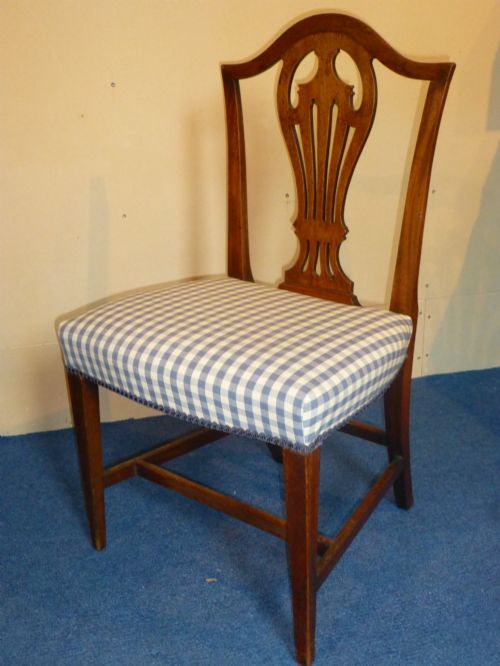
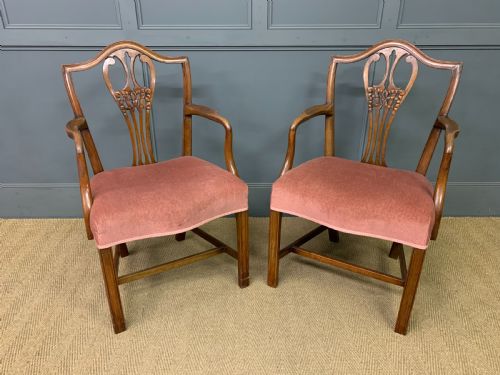
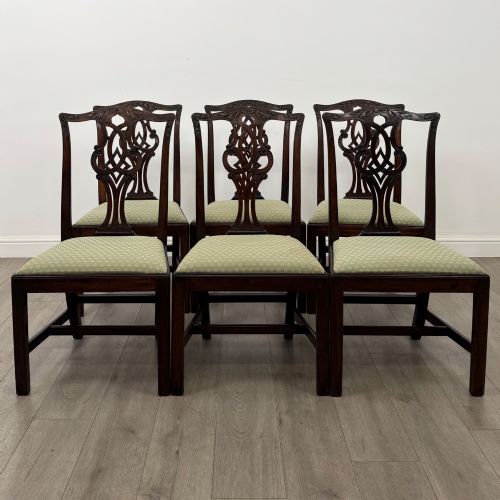
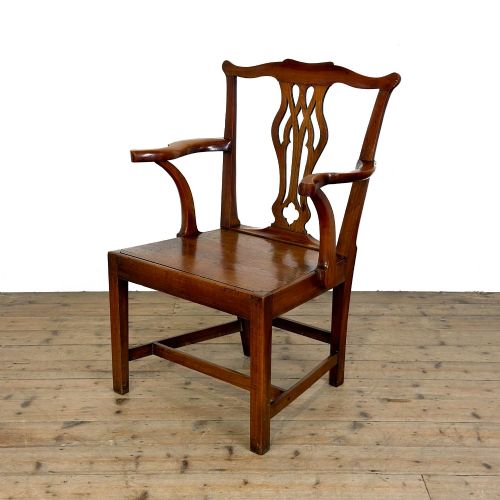
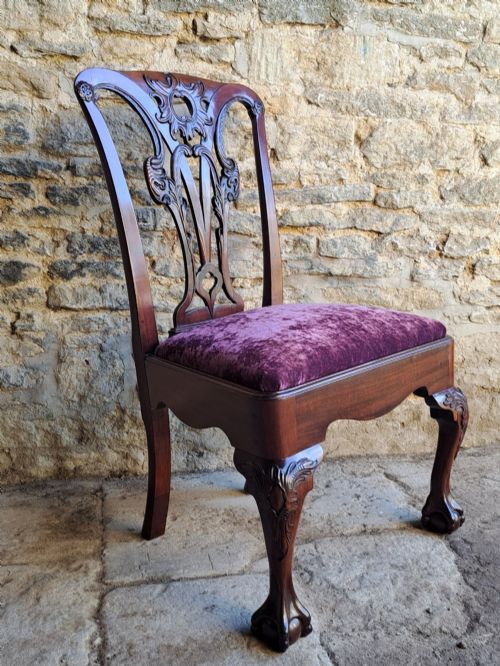
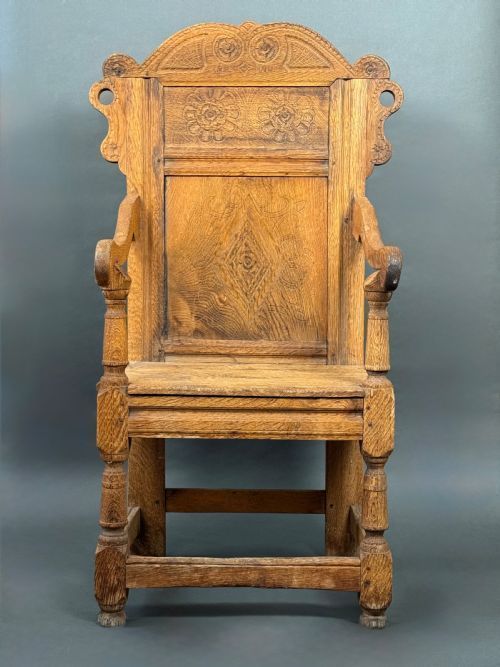
An 18th century style chair encompasses a range of seating forms built during later periods, drawing on Georgian, Queen Anne, George II, and Chippendale designs. These pieces include armchairs, carver chairs, corner chairs, side chairs, and wingback armchairs made to emulate earlier aesthetics.
The versions most commonly met combine forms originating from the Georgian era with construction methods and timbers from subsequent decades like the Victorian period, 1890, and 1920. They serve as practical seating that replicates historical silhouettes without requiring the acquisition of fragile original antiques.
Makers adapted classical proportions to suit the domestic requirements of later eras, producing bedroom chairs, hall chairs, and drawing room elbow chairs. Each example reflects the taste of its actual period of manufacture while adopting the vocabulary of eighteenth-century design.
Materials and Techniques
The primary timbers recorded in these pieces are walnut, mahogany, oak, elm, and ash, chosen for structural stability and surface finish. Joinery techniques connect these woods to form robust frames capable of supporting daily use.
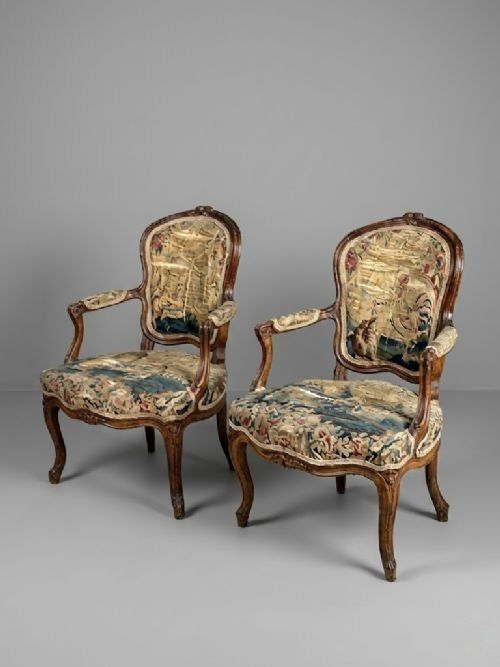
Upholstery materials include leather, fabric, textile, tapestry, damask fabric, silk, and printed cotton, secured over padding. Details such as brass tacks and carved wooden elements provide decorative enrichment to the framework.
Retail Price Guide 2026
Typical UK retail prices for 18th century style chair, calculated from the Sellingantiques database of over a million retail prices indexed since 2003. This retail price guide relies exclusively on Sellingantiques data; no external sources or auction records are used, so the figures do not describe the wider market.
Upholstered elements recorded on these pieces incorporate leather, tapestry, damask fabric, silk, and printed cotton.
Assessing Quality
The distinction between tiers rests upon the execution of the timber carving and the precision of the joinery within the frame. Superior examples display crisp detail in walnut or mahogany and tight, enduring joints.
Upholstery execution and the selection of covering materials such as silk, tapestry, or quality leather determine the finish of the piece. Consideration extends to the fidelity with which the historical style, whether George II or Chippendale, is interpreted in the silhouette.
Gillow
The 18th Century Style Chair Glossary
- Carver chair
- A term for an armchair, typically used at the head of a dining table or as a single fireside seat. These chairs often feature open arms and sturdy wooden frames.
- Corner chair
- A seating form designed to fit into the corner of a room, possessing a diagonal front leg and a curved back rail supported by multiple posts. They provide compact seating arrangements.
- Wingback armchair
- An upholstered seat featuring projecting side panels designed to shield the occupant from drafts. These chairs frequently stand on cabriole or straight wooden legs.
- Barley twist
- A decorative turning technique resembling a twisted rope, carved into the wooden supports or legs of chairs. This detail appears frequently on seventeenth and eighteenth century revival pieces.
- Cabriole leg
- A furniture leg that curves outward at the knee and tapers inward at the ankle, often terminating in a pad or claw foot. This form derives from classical furniture design.
Frequently Asked Questions
How do I date an 18th century style chair?
Dating relies on examining the characteristics of the timber, the secondary woods used in the frame, and the wear patterns on the finish. Stylistic clues often point to the actual period of manufacture, such as the late nineteenth century or the early twentieth century.
Constructive details like screw types, glue residue, and upholstery webbing methods help distinguish a revival piece from an actual eighteenth-century artefact. Consulting the specific materials recorded for each item clarifies its true age.
Where should I place a carver chair?
A carver chair functions well as an occasional seat in a drawing room, bedroom, or hallway where its specific design can be appreciated. Its open arms require slightly more space than a standard side chair.
These chairs also serve effectively paired at either end of a dining table when matching the general period or timber tone of the room.
Are these chairs suitable for daily use?
Most revival pieces from the Victorian era onward were constructed for practical domestic utility and remain robust enough for regular sitting. The strength depends on the soundness of the internal frame and the quality of the timber.
Maintaining the upholstery and keeping the wooden joints secure ensures these chairs continue to function reliably in a modern home.
What is the difference between a side chair and an armchair?
A side chair is built without arms, making it compact and easily tucked around a table or placed against a wall. An armchair includes armrests to provide additional support and comfort for the user.
Armchairs generally occupy a more prominent position in a room arrangement, such as beside a fireplace or serving as a desk chair.