


Carved Walnut Seat
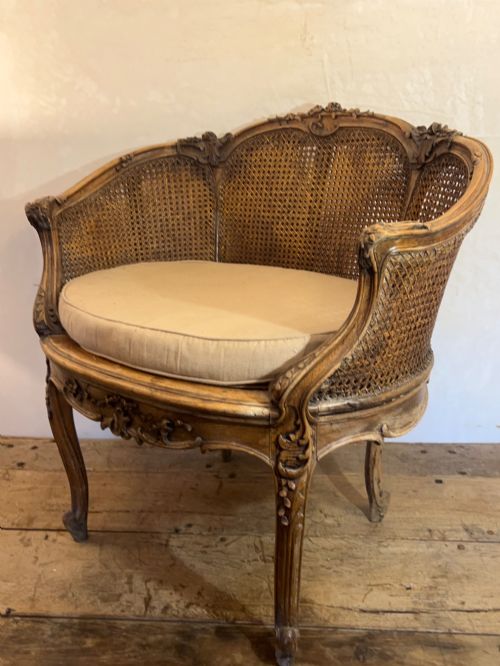
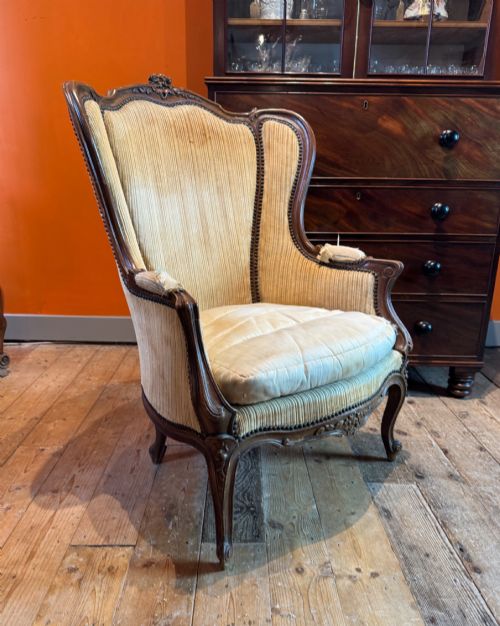
A carved walnut seat brings tactile warmth and deep grain into a room, offering everything from a compact stool to an expansive settee.

Forms and periods
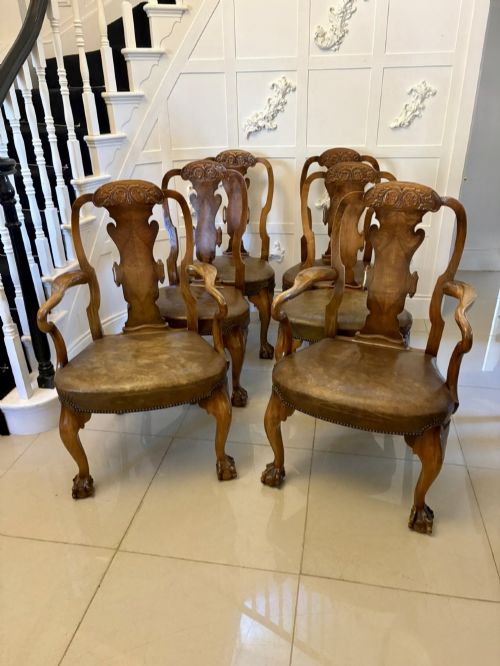
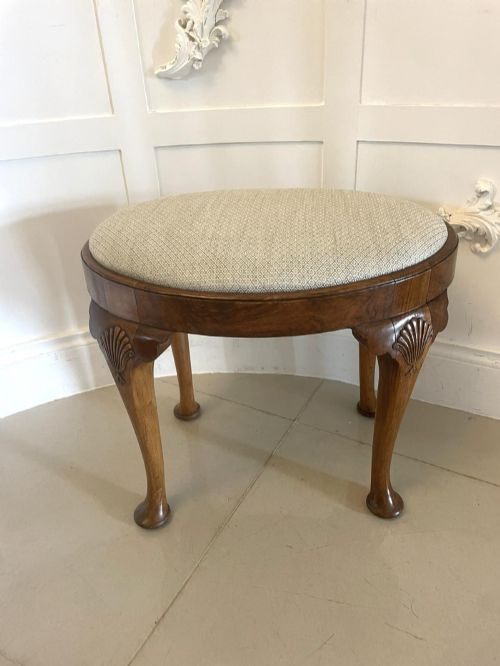
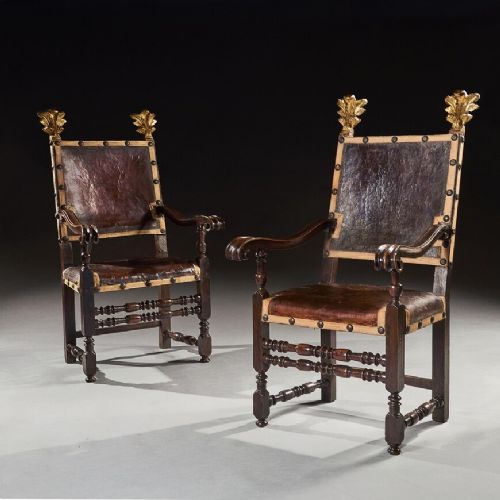
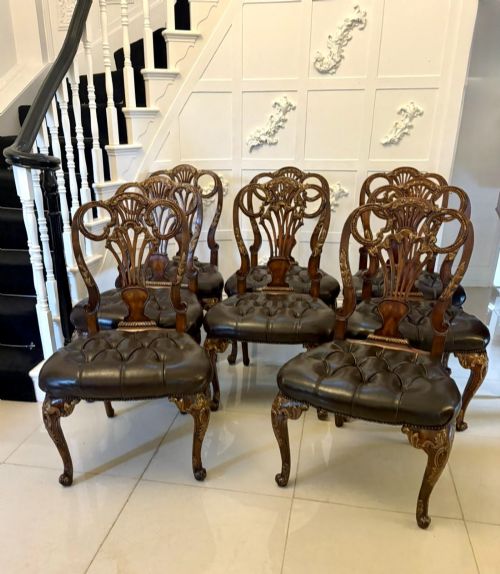
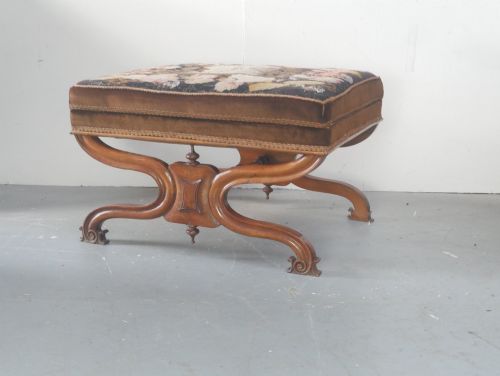
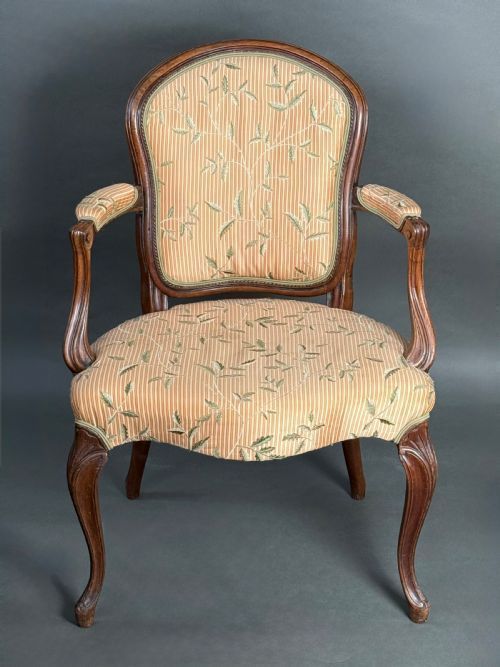
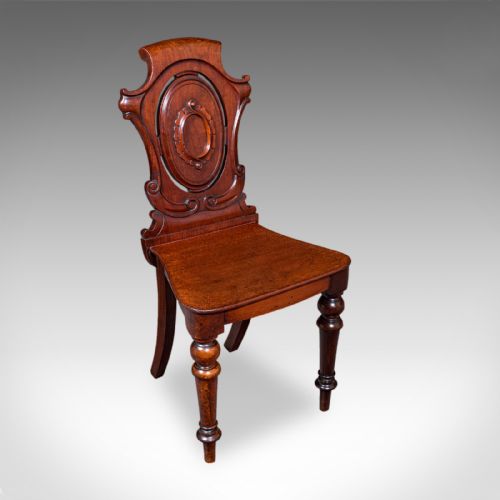
A carved walnut seat encompasses diverse furniture forms, ranging from compact stools and piano stools to dining chairs, armchairs, and long window seats or sofas. The pieces span the eighteenth, nineteenth, and early twentieth centuries, capturing historical revivals alongside earlier vernacular cabinet-making.
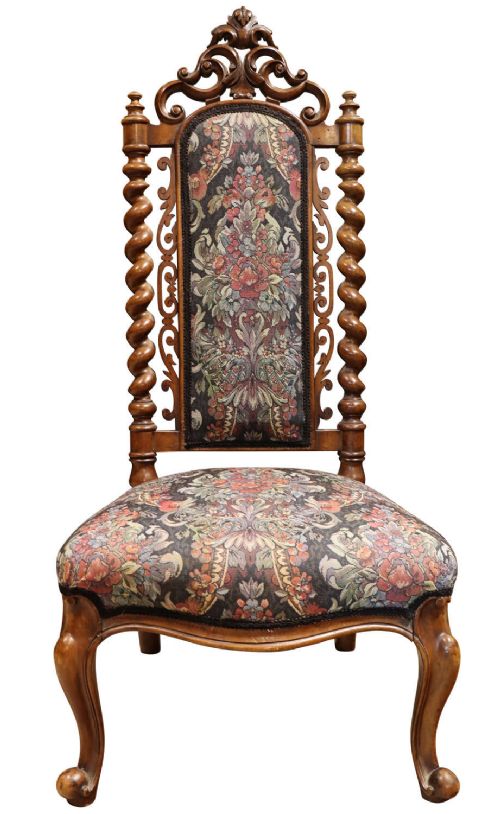
Victorian examples dominate the available selection, frequently featuring nursing chairs, dining chairs, and cabriole leg stools. Alongside these, French chateau and William and Mary interpretations appear, providing distinct regional carving traditions and structural silhouettes.
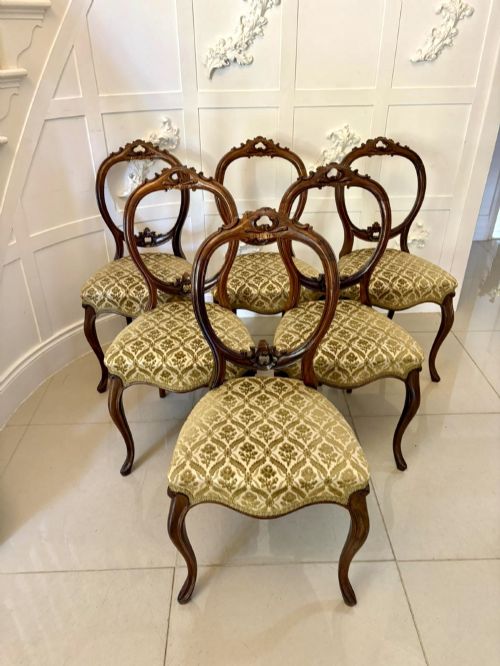
Buyers encounter varied seating arrangements, including single accent chairs, pairs of dining chairs, and multi-seater sofas or conversation seats. Each iteration utilises solid walnut frames shaped with detailed scrolling, turned elements, or pierced backs.
Materials and construction
Makers rely primarily on solid walnut and burr walnut veneers, sometimes augmented by oyster veneers on structural stretchers. The dense timber permits crisp hand-carving along cabriole legs, scroll arms, and balloon backs.
Upholstery forms an integral part of the construction, incorporating materials such as leather, linen, textile, damask fabric, and tapestry seats. Brass hardware, swivel mechanisms, and gimp braid finishing secure and accent the soft coverings.
Retail Price Guide 2026
Typical UK retail prices for carved walnut seat, calculated from the Sellingantiques database of over a million retail prices indexed since 2003. This retail price guide relies exclusively on Sellingantiques data; no external sources or auction records are used, so the figures do not describe the wider market.
Conversation seats allow two people to sit facing opposite directions while maintaining a shared embrace.
Distinguishing quality
The distinction between standard and exceptional pieces rests upon the crispness of the hand-carving and the choice of timber figure. Figured burr walnut or meticulously matched oyster veneer demonstrates superior material selection by the cabinet-maker.
Structural integrity and the retention of original upholstery materials or period-appropriate textile choices elevate a piece. Finer examples display balanced proportions, deeply undercut carving on cabriole legs or scroll arms, and robust joinery that withstands centuries of use.
The Carved Walnut Seat Glossary
- Cabriole leg
- A furniture leg that curves outward in a convex arc and tapers inward in a concave arc, often ending in a pad or ball and claw foot. This form mimics animal limbs and appears frequently on Victorian and French seating.
- Oyster veneer
- Cut cross-wise from smaller branches or roots to create concentric circular patterns resembling oyster shells. Cabinet-makers arrange these pieces in geometric panels across flat surfaces and stretchers.
- Barley-sugar twist
- A turning technique resembling a twisted rope or confectionery stick, utilised on furniture legs and stretchers during the seventeenth century and later revival periods.
- Gimp braid
- A flat, decorative woven band used to trim upholstery edges and conceal tacks. It provides a neat finish along the boundary where fabric meets the wooden frame.
- Balloon back
- A rounded, oval-shaped chair back resembling a hot air balloon, popular on Victorian dining chairs and salon seating. The solid walnut frame around the perimeter is often pierced or carved.
Frequently Asked Questions
How do I clean a walnut frame?
Dust the carved wooden surfaces regularly with a soft, dry cloth to prevent dirt accumulation in the crevices. Avoid modern chemical sprays that can degrade the aged finish over time.
Apply a microcrystalline wax sparingly if the timber appears dry, buffing gently with a clean cloth to restore a natural lustre without building up sticky residue.
Can I use a window seat daily?
Most antique window seats and benches handle everyday sitting quite comfortably, provided the internal webbing and joints remain robust. Heavier use benefits from checking that the leg fixings and frame stretchers stay tight.
Consider the original intended function when placing the seat in a high-traffic hallway or a quiet bedroom corner.
How do I identify a Victorian piece?
Victorian seating often displays darker walnut tones, deep relief carving, and characteristic forms like balloon backs or cabriole legs with scroll details. Examining the construction underneath reveals period saw marks and hand-cut joinery.
Compare the stylistic motifs against dated examples, keeping in mind that nineteenth-century makers frequently borrowed freely from earlier William and Mary or French styles.
Are replacement fabrics acceptable?
Re-upholstering antique seats is standard practice to maintain usability and visual appeal over generations. Many surviving pieces feature replacement damask, leather, linen, or tapestry that respects the historical character of the frame.
Retaining traditional padding techniques and matching the period aesthetic ensures the furniture maintains its decorative integrity.