

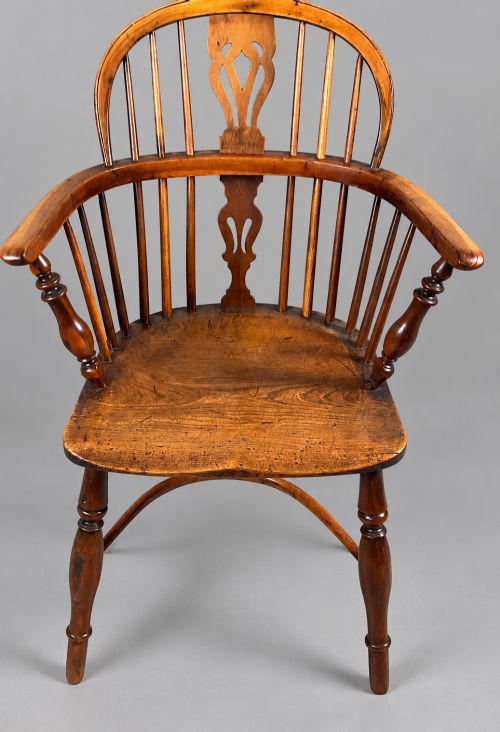
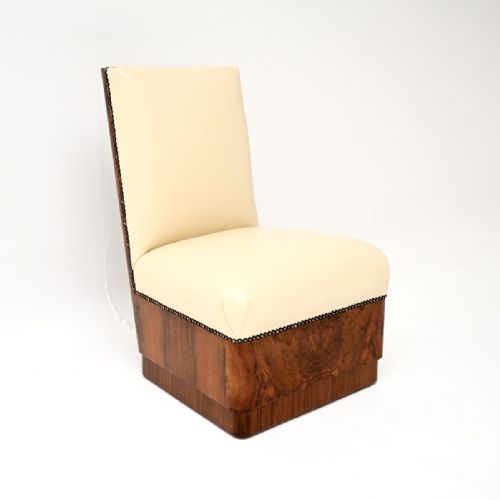

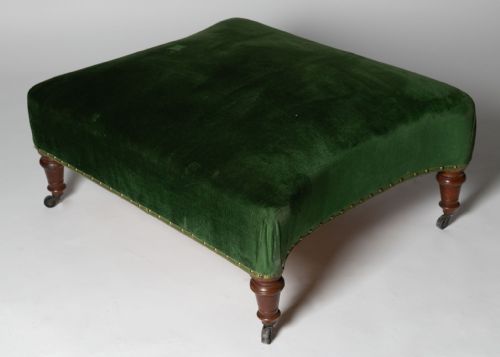
Antique Low Seating
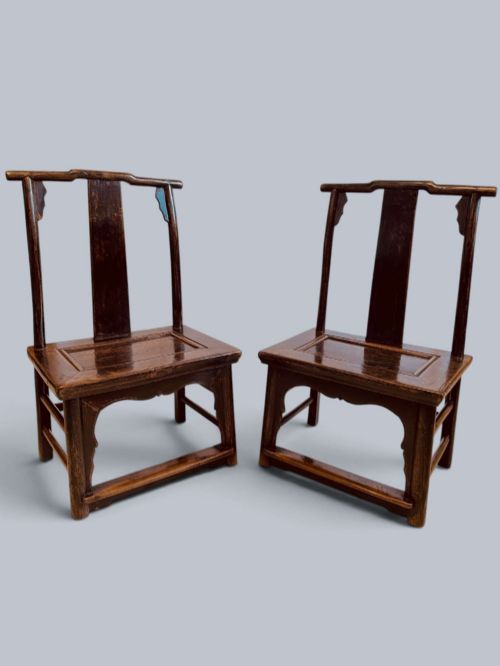
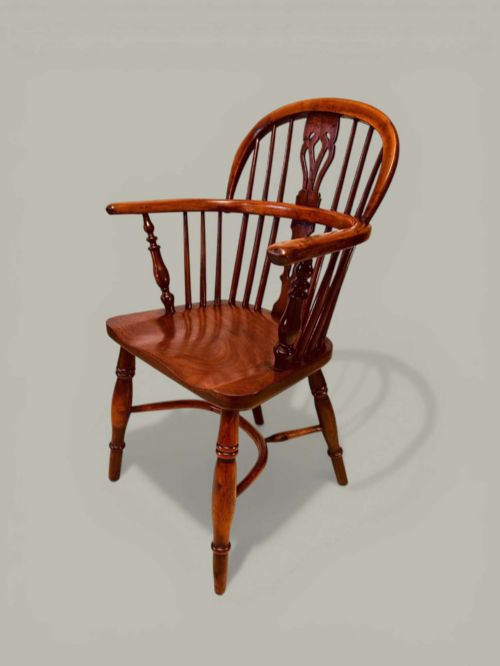
Antique low seating brings together compact armchairs, nursing chairs and sturdy stools designed for comfort near the hearth.
Antique Low Seating
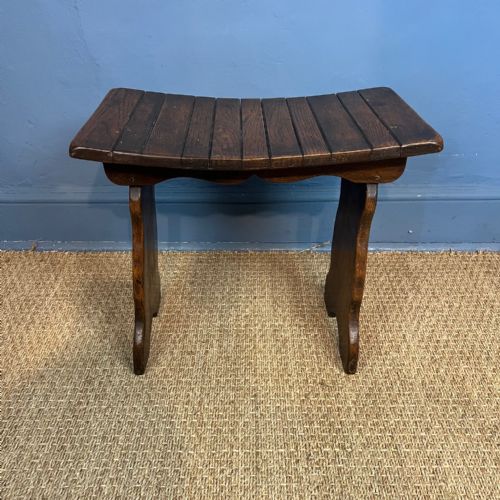
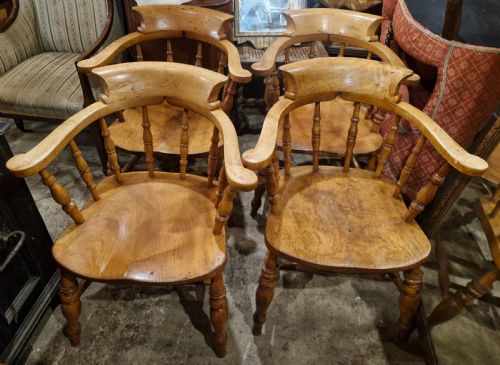
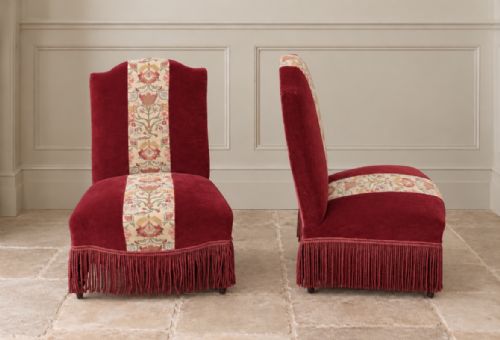
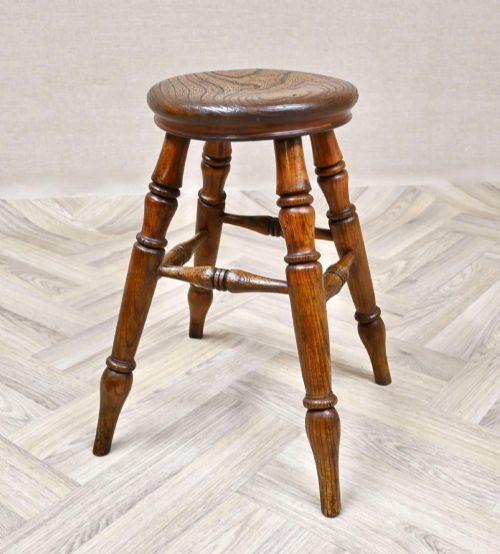
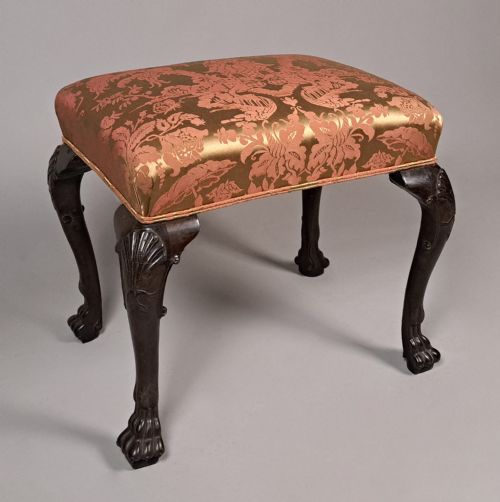
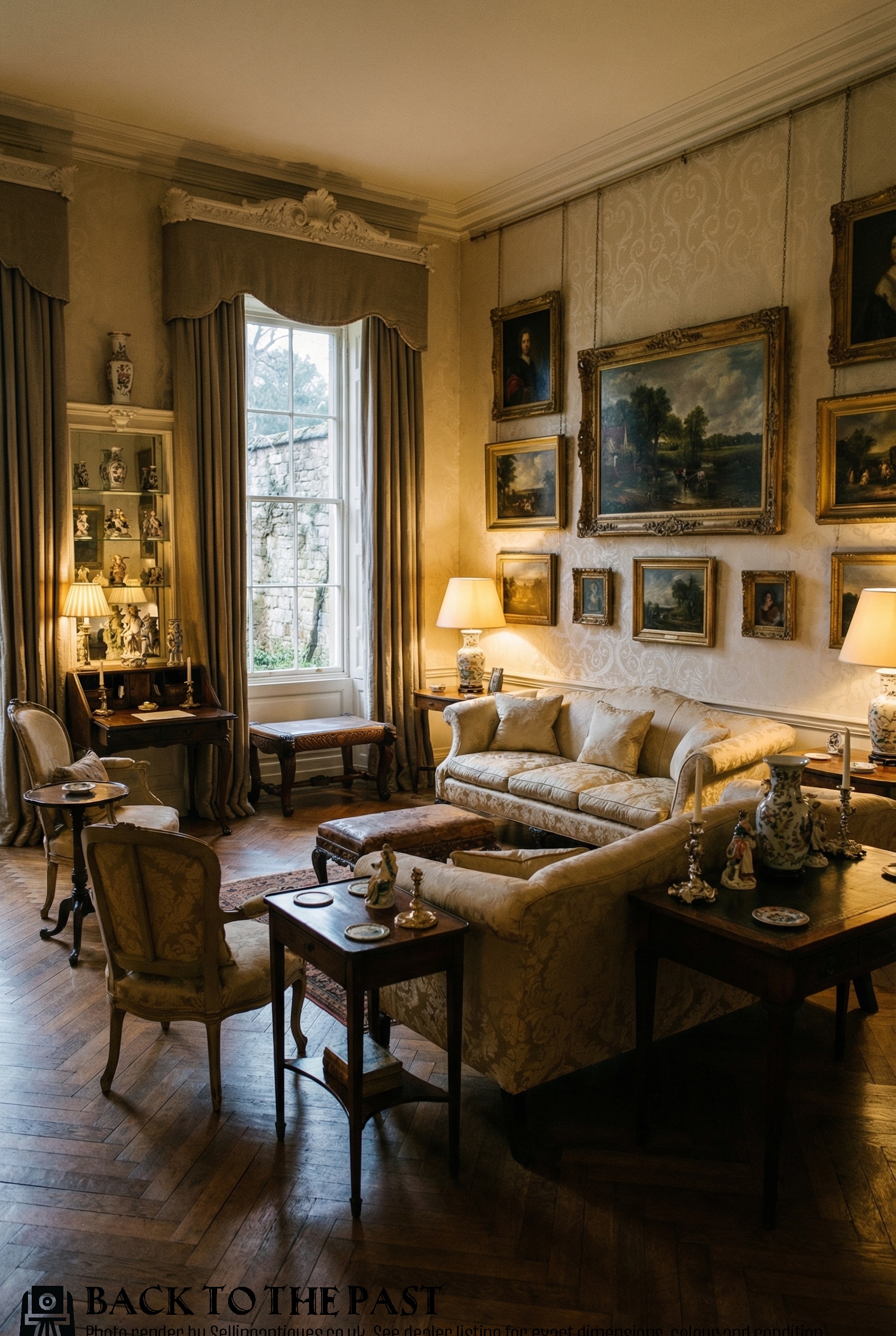
Stools and low chairs serve specific functional roles within period interiors, offering compact seating options for bedrooms, dressing rooms, and firesides. The forms range from vernacular sycamore and ash tavern stools to sophisticated upholstered salon chairs.
Materials and construction
Makers utilised solid timbers such as mahogany, walnut, oak, sycamore, and ash to build the foundational frames of these low seats. These woods provided the structural integrity required for both carved aesthetic frames and sturdy vernacular tavern furniture.
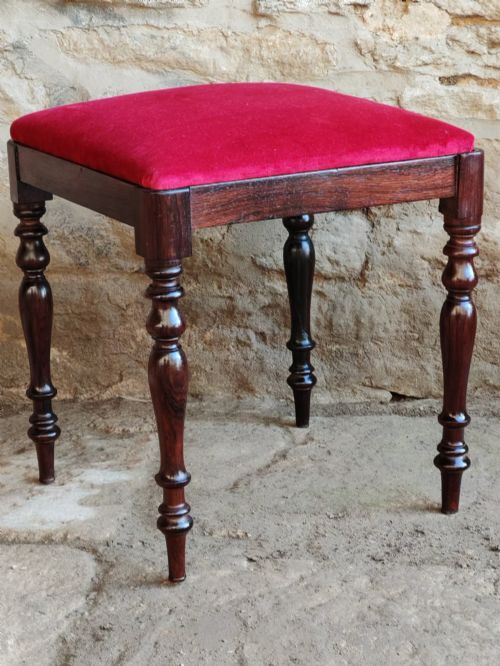
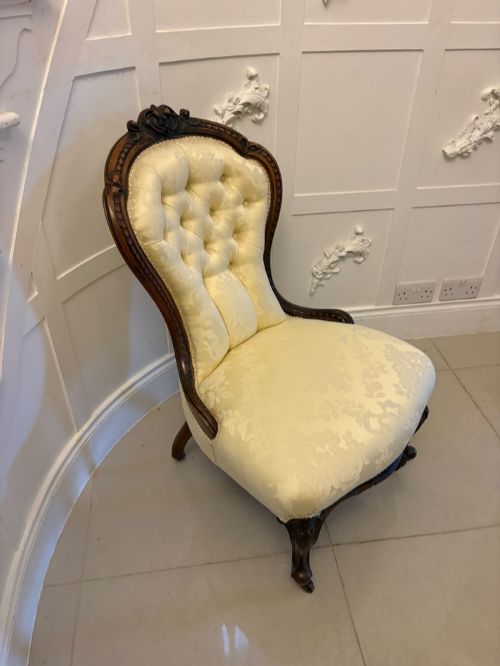
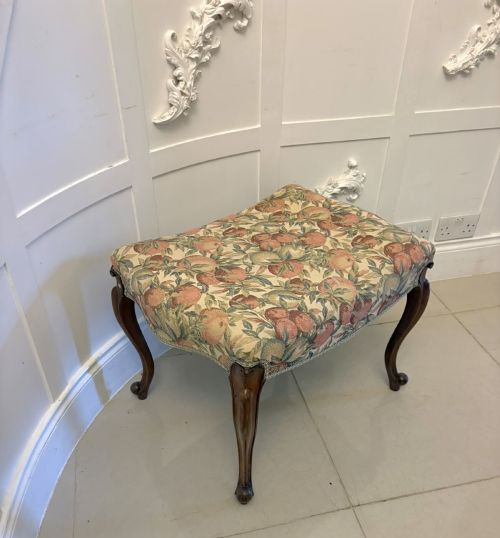
Upholstery techniques involved traditional fabric, textile, and velvet coverings, frequently complemented by button-back padding or rush seating. Joinery methods varied from simple joint construction on early stools to sophisticated turnings and cross stretchers on later Victorian and Edwardian armchairs.
Antique Low Seating Retail Price Guide 2026
Typical asking prices for low seating among the pieces listed under this phrase on Sellingantiques today, from the lower quarter to the upper quarter. They describe what is for sale here now, not the wider market.
The listings on this page span the 18th, 19th, and 20th centuries, featuring materials from mahogany and walnut to rush and velvet.
Factors of quality
The standard of a piece depends heavily on the integrity of its timber frame and the precision of its carved or turned details. Pieces exhibiting refined proportions, such as square tapering legs or faithful period styling, demonstrate superior craftsmanship.
Originality of materials and the retention of period upholstery techniques significantly elevate a piece. Master craftsmanship is evident in the harmonious balance between sturdy structural framing and the delicate comfort of low-profile seating.
Howard and Sons·Liberty Morris and Co·Whytock and Reid·Harry and Lou Epstein
The Antique Low Seating Glossary
- Nursing chair
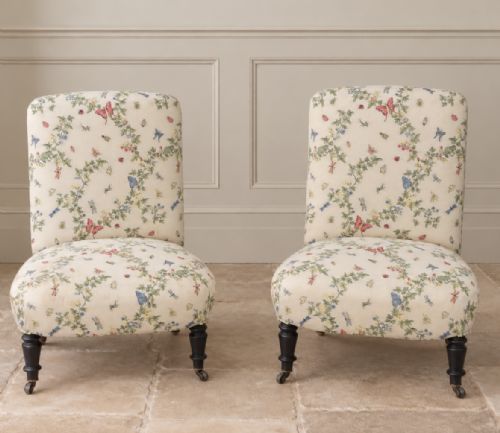
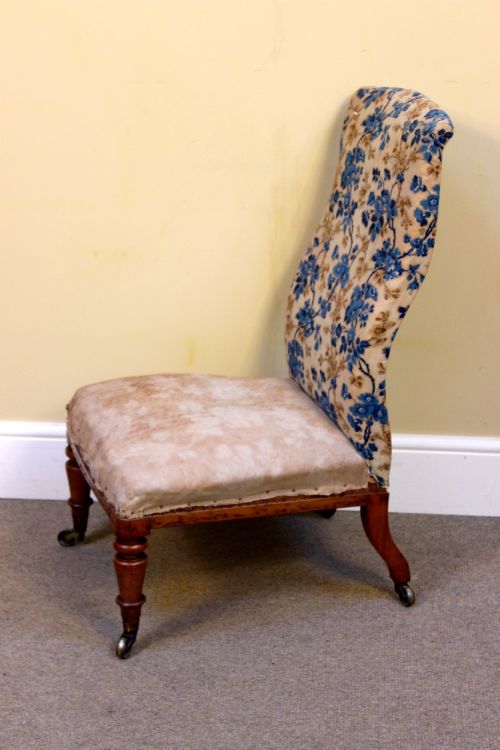
- A low-seated Victorian chair originally designed to allow women to nurse infants comfortably while sitting close to the fire. They often feature upholstered button backs and short legs.
- Joint stool
- A sturdy wooden stool built with mortise and tenon joints, commonly originating from the seventeenth and eighteenth centuries. These utilitarian pieces were constructed to withstand heavy daily use.
- Prie Dieu
- A devotional prayer chair characterised by a low seat and a tall, narrow upper rail designed for kneeling and resting arms. Nineteenth-century examples often feature upholstered or needlework panels.
- Rush seated
- A traditional method of weaving dried marsh rushes to form a durable, textured seat surface. This technique appears frequently on vernacular and country chairs.
- Cross stretcher
- An intersecting wooden brace connecting the legs of a chair or stool near the base to provide additional structural stability. They are common on dressing table stools and formal seating.
Antique Low Seating: Frequently Asked Questions
What defines antique low seating?
Antique low seating encompasses compact chairs and stools manufactured before the mid-twentieth century, featuring shorter legs designed for comfort and specific domestic tasks.
These items include nineteenth-century nursing chairs, Edwardian armchairs, and Georgian joint stools built from woods like mahogany and walnut.
How were nursing chairs used originally?
Nursing chairs were placed in bedrooms and nurseries, offering a low seating position that facilitated tending to young children.
Their reduced height allowed mothers to sit comfortably near fireplaces while holding infants safely.
How do I identify a Victorian low chair?
Victorian low seating often displays characteristic upholstery styles such as button-back padding, ebonised finishes, or Aesthetic Movement design influences.
Makers frequently utilised walnut or mahogany frames paired with rich textiles and velvet coverings during this era.
Where should I place antique stools at home?
These versatile stools fit easily into various living spaces, serving as dressing table seats, footstools, or occasional fireside perches.
Their compact proportions allow them to complement larger sofas and armchairs without cluttering a room.