


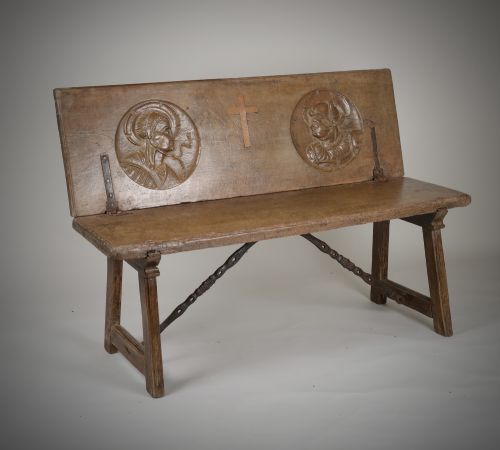
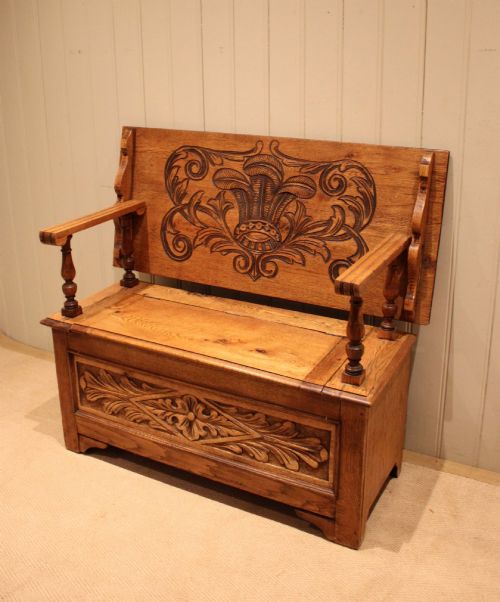
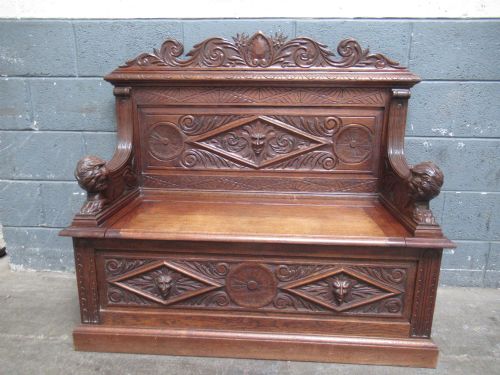
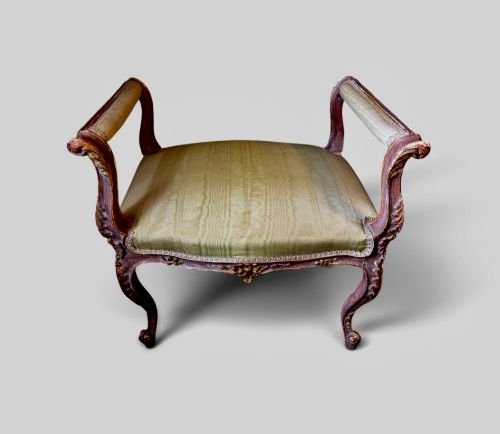
Carved Wood Bench
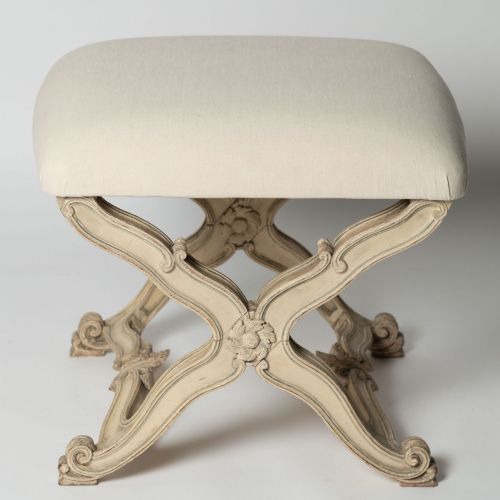
A carved wood bench is a sturdy seat fashioned with carved detail, bringing history and practical seating into a hallway or living room.
Carved Wood Bench
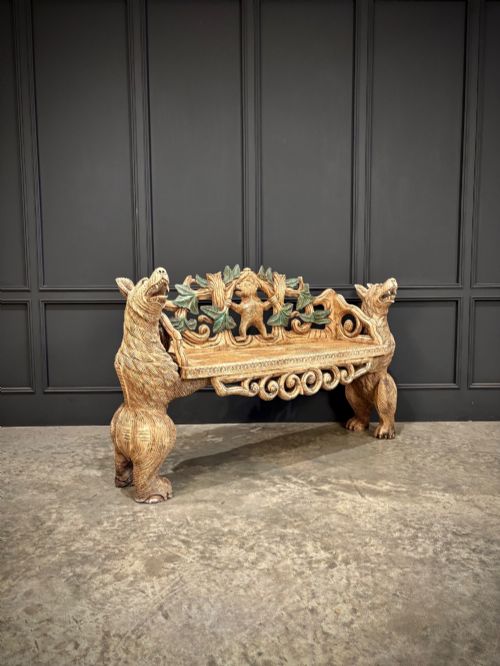
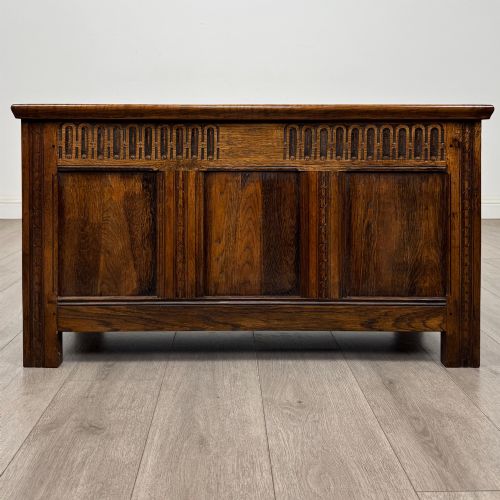
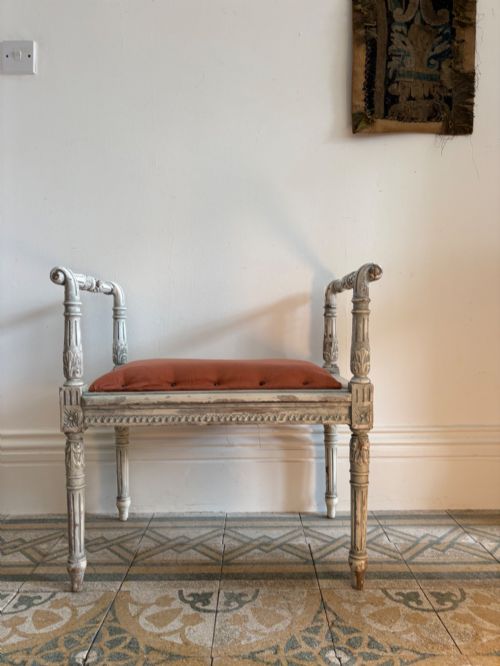
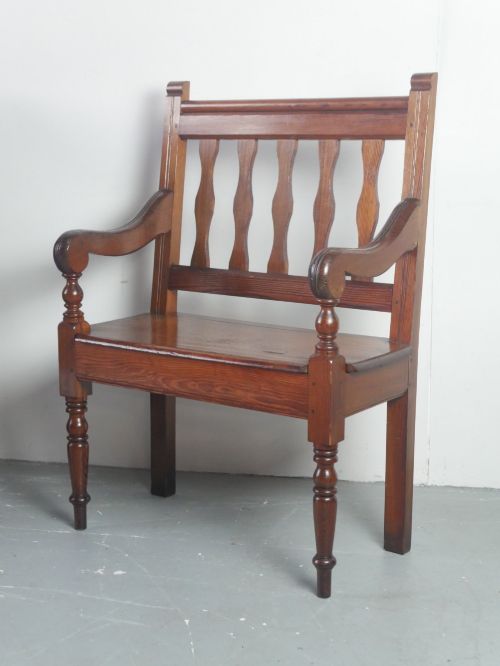
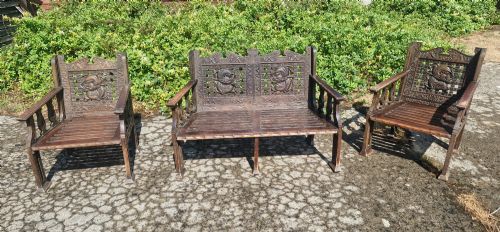
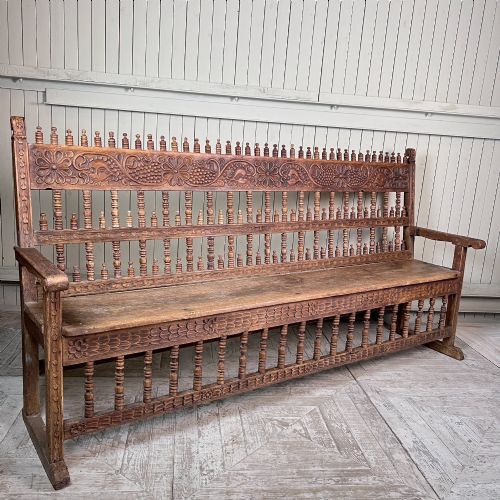
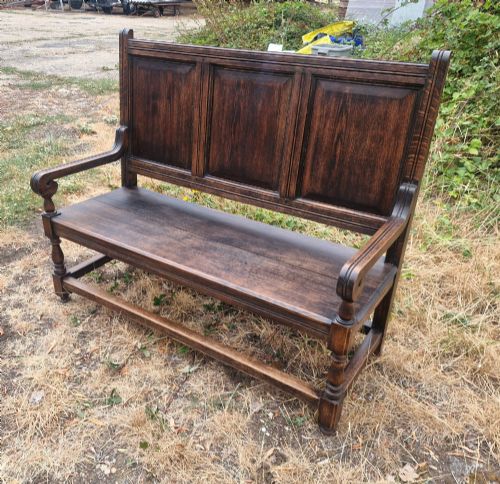
A carved wood bench represents a diverse category of seating furniture, ranging from narrow hall seats designed for entryways to window seats and settles. When exploring this selection, buyers frequently encounter 19th-century oak and mahogany pieces alongside earlier revival styles.
The forms span simple panelled oak hall benches, decorative window seats, and architectural Spanish Colonial or Anglo-Indian seating. Many examples incorporate storage elements such as blanket boxes or hinged seats, combining utility with decorative carving.
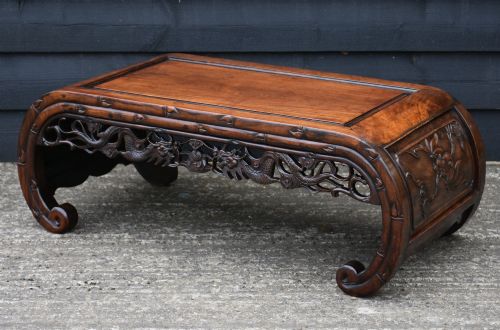
Origins vary widely across the inventory, including English country house furniture, continental European painted pieces, and intricately carved hardwood benches from China. This geographical breadth means buyers can select anything from a restrained Edwardian oak settle to an elaborate Victorian or Jacobean revival design.
How they were made
Makers relied heavily on solid timbers such as oak, mahogany, walnut, and exotic hardwoods, selecting each for its density and grain structure. Joinery techniques like mortise and tenon joints ensured the heavy framework could support regular weight over centuries.
Carving was executed entirely by hand using gouges and chisels, producing deep relief work ranging from geometric strapwork to naturalistic foliage, animal figures, and dragons. Surface treatments varied from traditional wax polishing on oak to delicate gilding and painted finishes on continental European pieces.
Carved Wood Bench Retail Price Guide 2026
Typical asking prices for carved wood bench among the pieces listed under this phrase on Sellingantiques today, from the lower quarter to the upper quarter. They describe what is for sale here now, not the wider market.
What varies in quality
The standard of a carved wood bench rests primarily on the crispness and depth of the hand-carved detail. Superior pieces exhibit sharp undercutting and confident tool marks, whereas lesser examples often display shallow, mechanical, or hastily finished ornamentation.
Timber selection and structural integrity also dictate the tier of a piece. High-grade items utilise dense, well-seasoned woods with minimal timber replacement, maintaining tight joints and balanced proportions across the entire frame.
Giles Grendey·Rudolph Ackermann
The Carved Wood Bench Glossary
- Settle
- A wooden bench with a high back, solid arms, and often a box seat base, designed to keep out draughts in older homes.
- Window seat
- A long, narrow bench constructed specifically to fit into the recess of a bay or window frame.
- Canapé
- A French upholstered sofa or settee, frequently featuring an exposed carved wood frame in styles like Louis XV or Louis XVI.
- Strapwork
- A type of carved ornamentation resembling interlaced flat bands or leather ribbons, popular in Jacobean and revival pieces.
- Giltwood
- Timber that has been coated with a thin layer of gold leaf, common on decorative continental and neoclassical seating.
Carved Wood Bench: Frequently Asked Questions
Where should I put a carved wood bench?
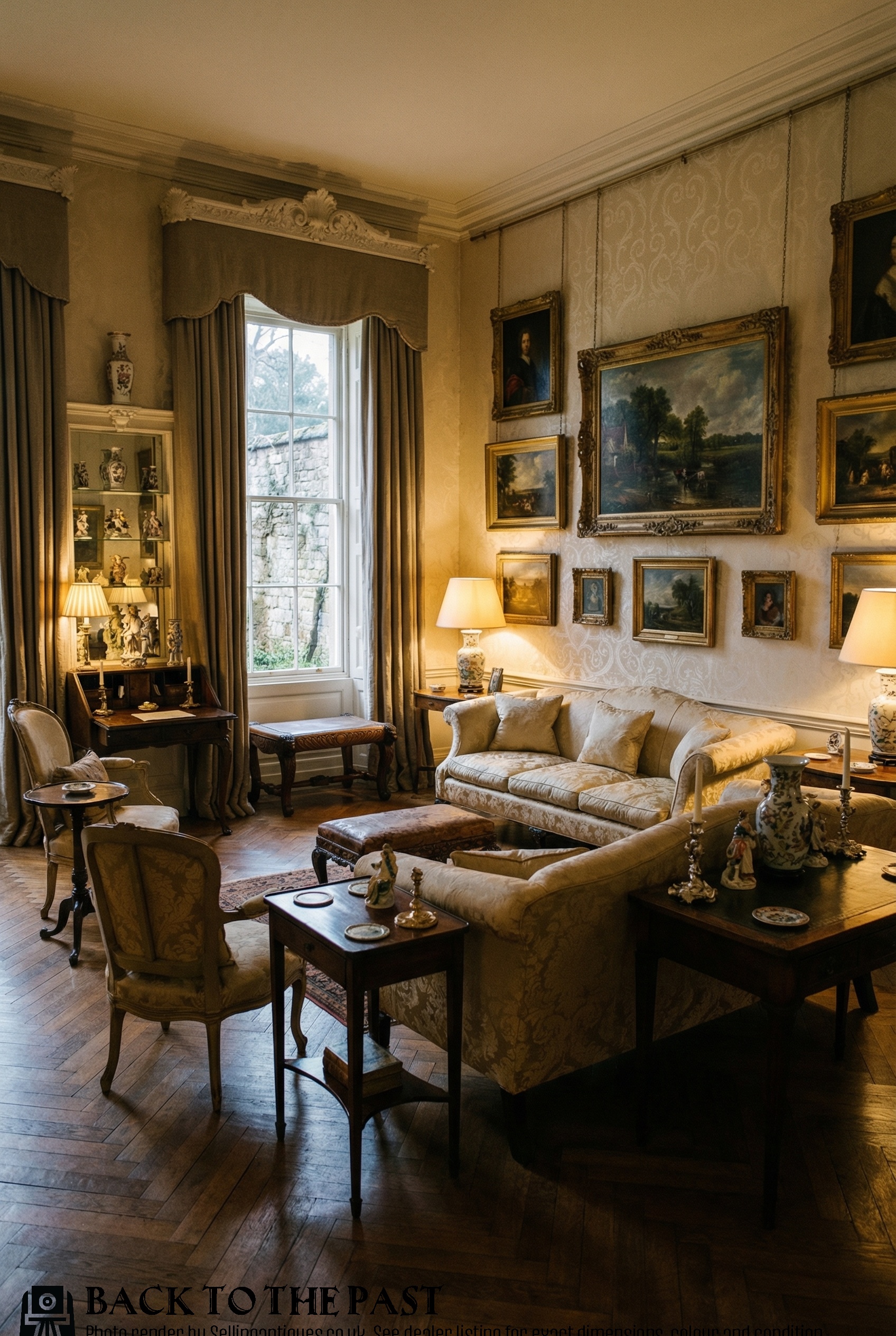
These benches suit narrow hallways, entryways, or positioned beneath large windows where their decorative backs and carved details remain visible.
They also function effectively at the foot of a bed or alongside a dining table, provided the seat height matches standard chairs.
How do I care for antique carved wood?
Dust the carvings regularly with a soft, dry brush to prevent dirt from settling into the crevices of the woodwork.
Apply a traditional beeswax polish sparingly every few months to nourish the timber and maintain a natural lustre without building up heavy residue.
Are these benches comfortable for daily seating?
Many historical wooden benches were built primarily for form or brief seating in hallways, meaning they lack deep cushioning.
Adding a loose fabric pad or cushion can greatly improve comfort while preserving the original wooden structure underneath.
How can I tell a revival piece from an older one?
Examine the wear patterns on the seat and foot areas, as genuine age produces gradual softening and patination that machines cannot replicate.
Tool marks inside the framework and the method of construction often reveal whether a piece dates to the seventeenth century or a nineteenth-century revival.