

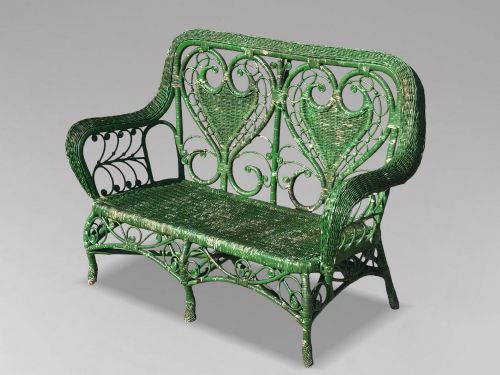
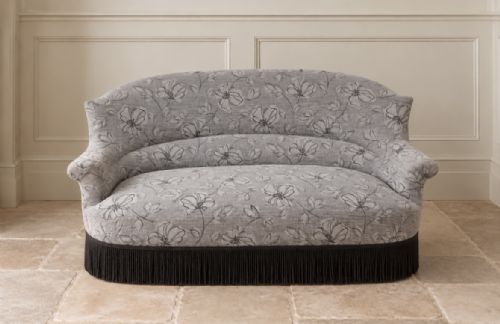
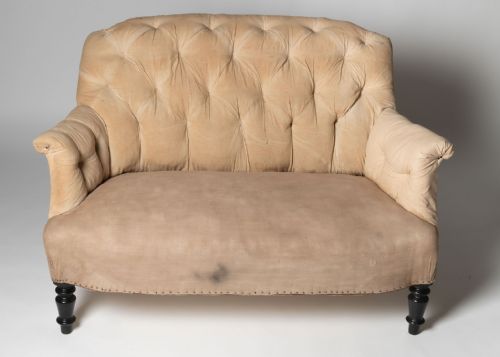
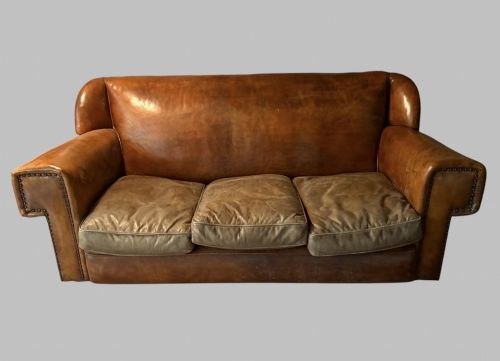
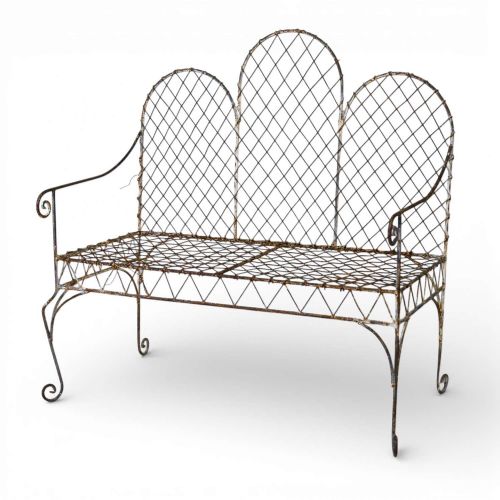
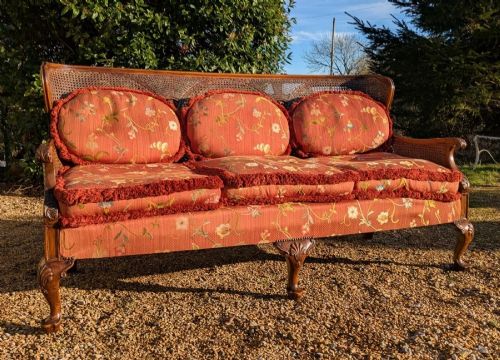
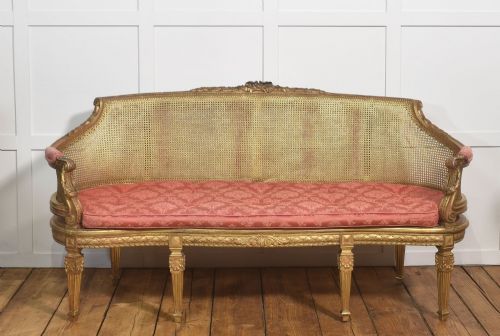

Vintage French Settee
A vintage french settee brings classical seating into a modern interior through carved woodwork and traditional upholstery.
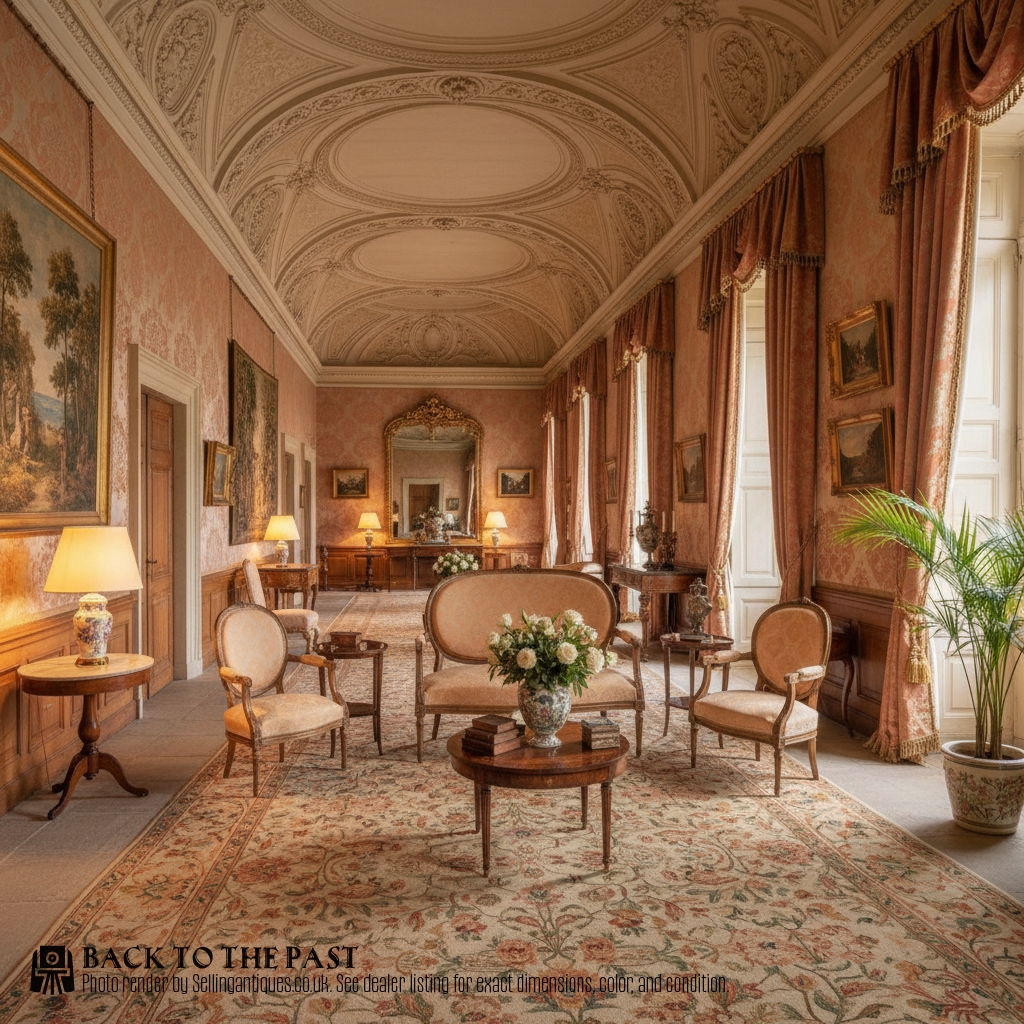
Vintage French Settee
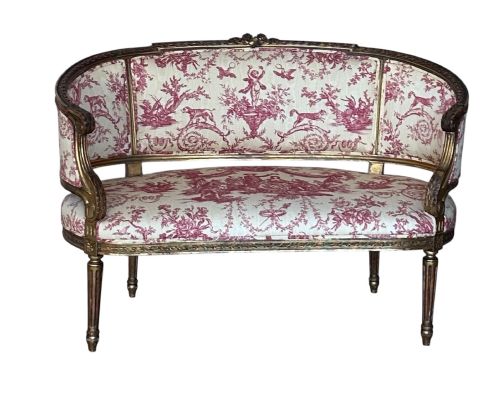
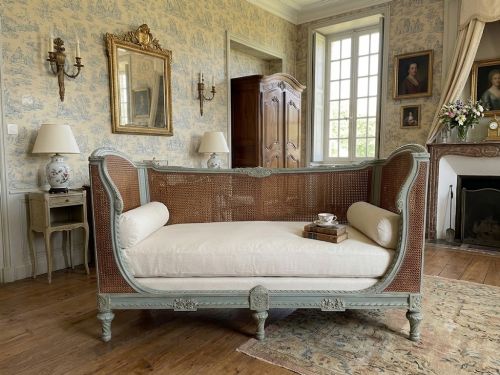
A vintage french settee encompasses seating forms including sofas, canapés, banquettes, and daybeds originating from the nineteenth and early twentieth centuries. Buyers search for these pieces to introduce architectural character and antique charm into sitting rooms and bedrooms.
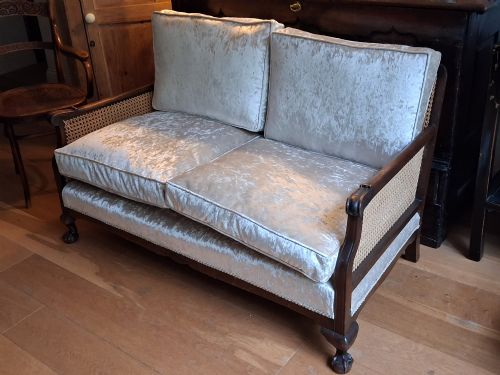
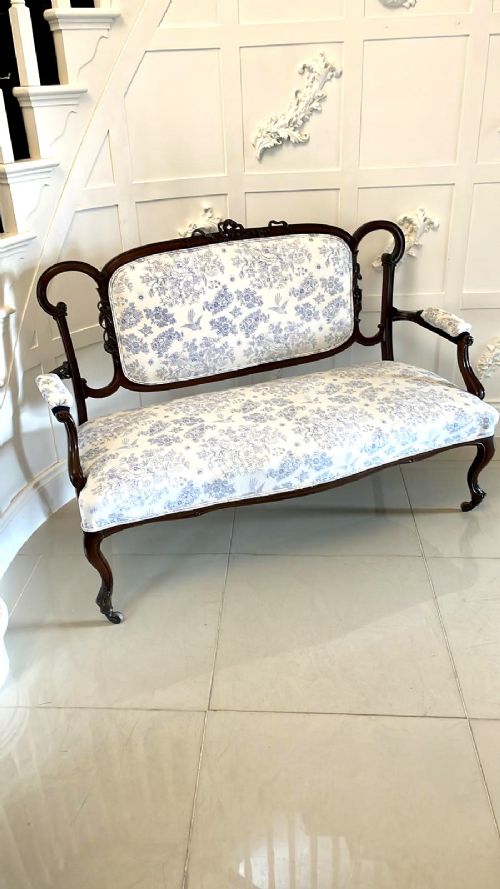
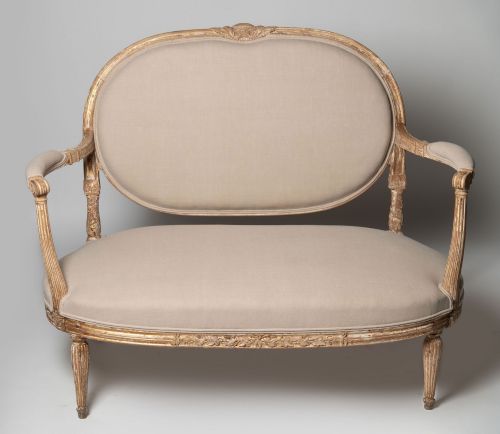
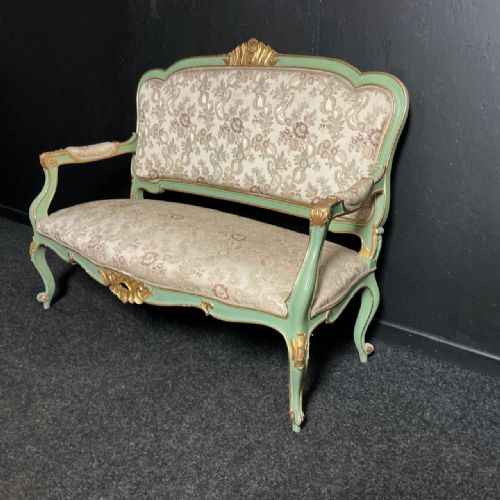
The selections span distinct historical aesthetic revivals such as Louis XV, Louis XVI, and Napoleon III, alongside rustic French country and chateau interpretations. Pieces often appear in walnut, giltwood, or painted finishes with cane panels or fabric upholstery.
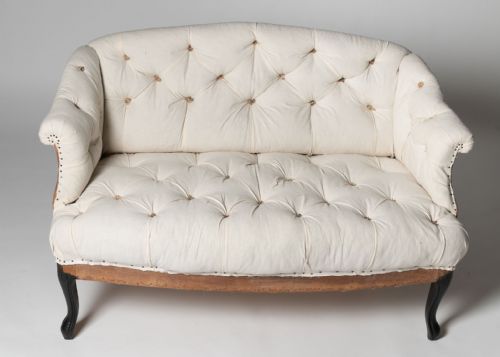
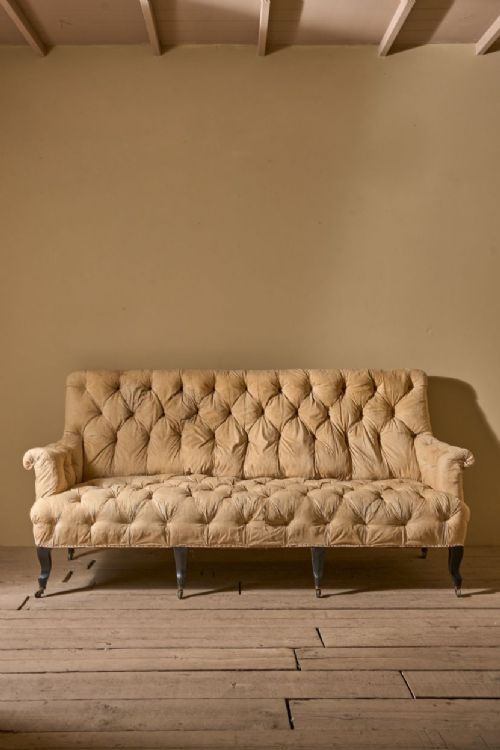
Common formats range from compact two-seat corbeille sofas to larger buttoned-back designs and bobbin-turned frames. Examples date from the 1880s through to mid-century modern interpretations like Art Deco palisander sofas.
Materials and construction
Frames rely predominantly on solid hardwoods like walnut, mahogany, and giltwood, alongside metal for garden benches. Carved details define the structural ornamentation on arms, rails, and legs.
Seating surfaces utilise natural materials such as cane, woven canework, and rush alongside traditional upholstery fillings like feather cushions. Textiles include velvet, linen, leather, and painted wood finishes.
Vintage French Settee Retail Price Guide 2026
Typical asking prices for vintage french settee among the pieces listed under this phrase on Sellingantiques today, from the lower quarter to the upper quarter. They describe what is for sale here now, not the wider market.
Listings feature pieces spanning from the 1880s through to the 1960s, constructed in walnut, giltwood, cane, and painted wood.
Assessing craftsmanship
The depth and precision of hand-carved woodwork distinguish finer frames from simpler production. Crisp lines on fluted legs and scroll shapes indicate superior cabinetmaking.
The integrity of applied finishes, whether genuine gilding, original paint, or polished walnut, marks the distinction between standard examples and exceptional survivors.
The Vintage French Settee Glossary
- Canapé
- A traditional French upholstered sofa with an exposed wooden frame. These pieces often reflect specific royal period styles like Louis XV or Louis XVI.
- Corbeille
- A basket-shaped chair or sofa style featuring a rounded, enclosed back that curves continuously into the armrests. This design envelops the sitter for added comfort.
- Banquette
- A long upholstered bench without a back or with a low upholstered backrest. They frequently appear in nineteenth-century drawing rooms and hallways.
- Giltwood
- Timber coated with a thin layer of gold leaf or gilt powder. It provides the brilliant metallic sheen seen on formal nineteenth-century salon furniture.
- Bergère
- An enclosed armchair or sofa with upholstered sides and a exposed wooden frame. They typically include a loose feather or down seat cushion.
Vintage French Settee: Frequently Asked Questions
How do I choose the right size?
Measure your floor space carefully and account for the outward curve of carved arms or cabriole legs. Compact two-seat banquettes suit smaller bedrooms, while three-seater sofas require more generous proportions.
Consider the height of the backrest in relation to surrounding furniture. Low-backed daybeds maintain sightlines in open rooms, whereas high-backed Napoleon III pieces create a stronger focal point.
Are cane panels durable for daily use?
Canework provides a resilient and breathable surface when properly tensioned and maintained. Avoid placing caned settees in direct sunlight or overly dry environments to prevent snapping.
Original cane requires gentle cleaning with a damp cloth. Many period pieces retain their woven seat panels after a century of careful ownership.
How do I distinguish Louis XV from Louis XVI style?
Louis XV furniture relies on asymmetrical curves, cabriole legs, and naturalistic floral carvings. The overall silhouette feels fluid and organic.
Louis XVI design shifts toward neoclassical symmetry, straight fluted legs, and geometric motifs like ribbons or urns. The structural lines appear much more rectilinear.
Can I use these settees in modern interiors?
Historic seating anchors contemporary spaces by introducing texture, patina, and historical contrast. Pairing an ornate giltwood frame with minimalist decor highlights the craftsmanship.
Neutral linen or velvet upholstery helps older frames bridge the gap to modern colour palettes. They function effectively as statement pieces in hallways, studies, and living rooms.