


Louis XV Style Canape
A louis xv style canape offers sweeping rococo lines and generous seating, bringing classic French elegance directly into a modern room.
What a Louis XV Style Canape Is
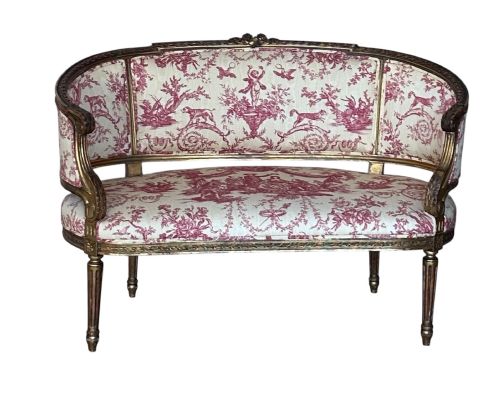
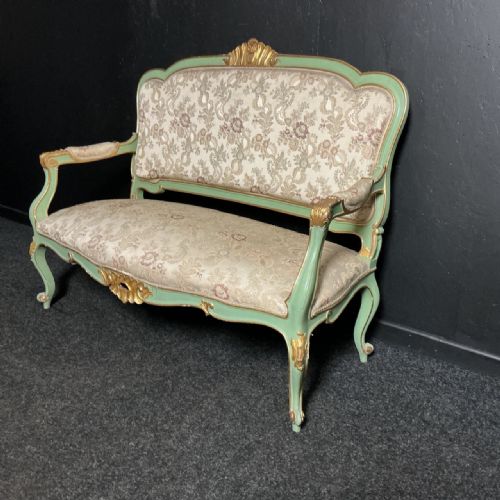
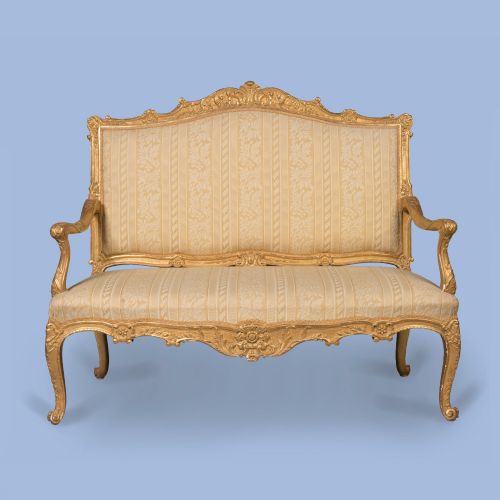
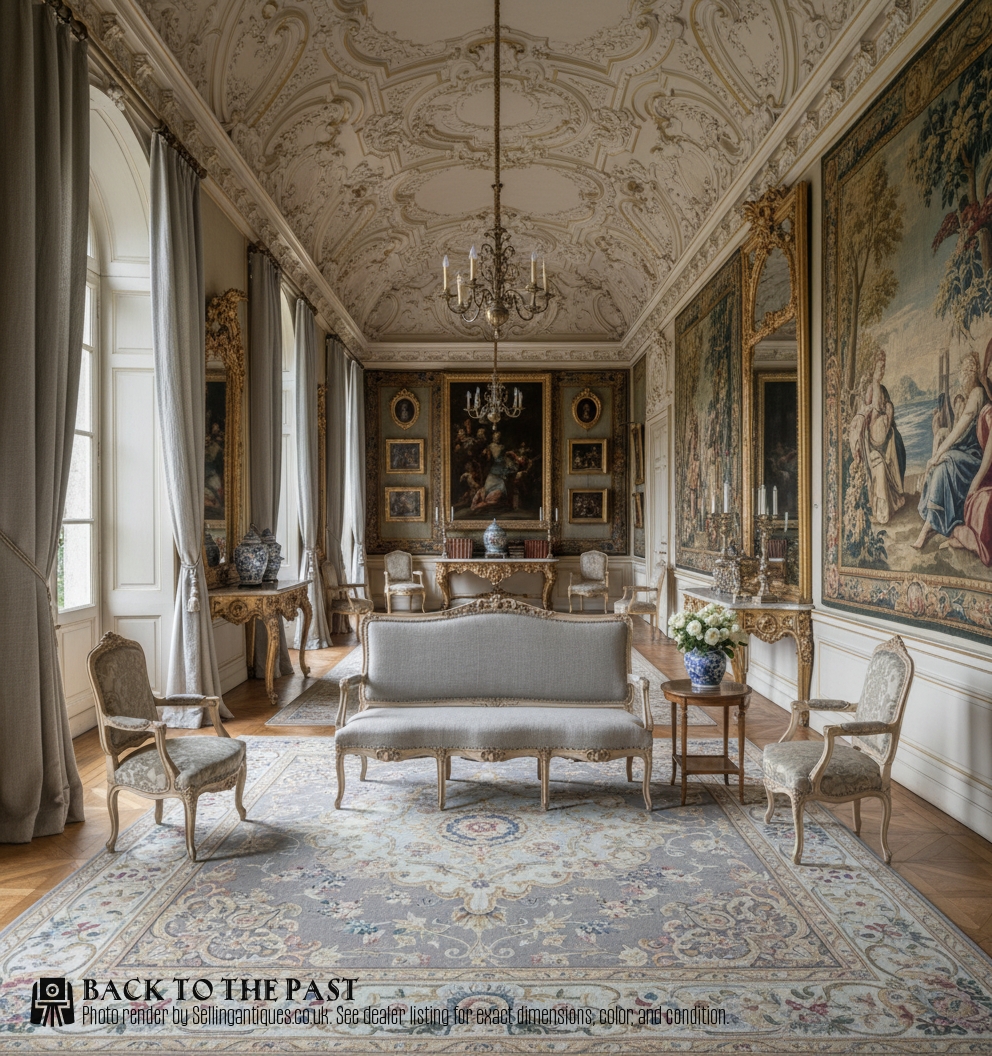
A louis xv style canape is a decorative upholstered seating piece originating from French revival periods, taking the form of settees, sofas, and salon suites. The examples seen on this page span the nineteenth and twentieth centuries, capturing the essence of French Rococo design.
Buyers meet variations built from walnut, giltwood, and timber, upholstered in diverse textiles including linen, damask, and tapestry. These frames showcase distinct French Rococo revival and Louis XV influences, ranging from grand gilt pieces to softer bleached walnut structures.
How They Were Made
Craftsmen shaped solid timber frames using walnut or applied gold leaf and giltwood finishes to achieve rich surface textures. Hand carving formed the intricate foliate details and curved profiles characteristic of the period.
Upholstery involved traditional textile applications, using linen, damask, and tapestry fabric secured to the frames. Structural elements included supportive webbing and padding to create comfortable seating for two or three occupants.
Retail Price Guide 2026
Typical UK retail prices for louis xv style canape, calculated from the Sellingantiques database of over a million retail prices indexed since 2003. This retail price guide relies exclusively on Sellingantiques data; no external sources or auction records are used, so the figures do not describe the wider market.
Materials recorded across the inventory include giltwood, walnut, timber, and gold leaf, paired with textiles such as linen, damask, and tapestry.
What Varies in Quality
The refinement of the hand carving dictates much of the distinction between pieces, with sharper detailing in the foliate motifs marking superior craftsmanship. The depth and execution of the giltwood or gold paint finish also indicate the level of care taken during creation.
Frame integrity depends on the selection of timber, such as solid walnut versus softer woods, influencing the overall longevity of the settee. Additionally, the integration of original or sympathetic textiles contributes to the cohesive character of each piece.
The Louis XV Style Canape Glossary
- Canape
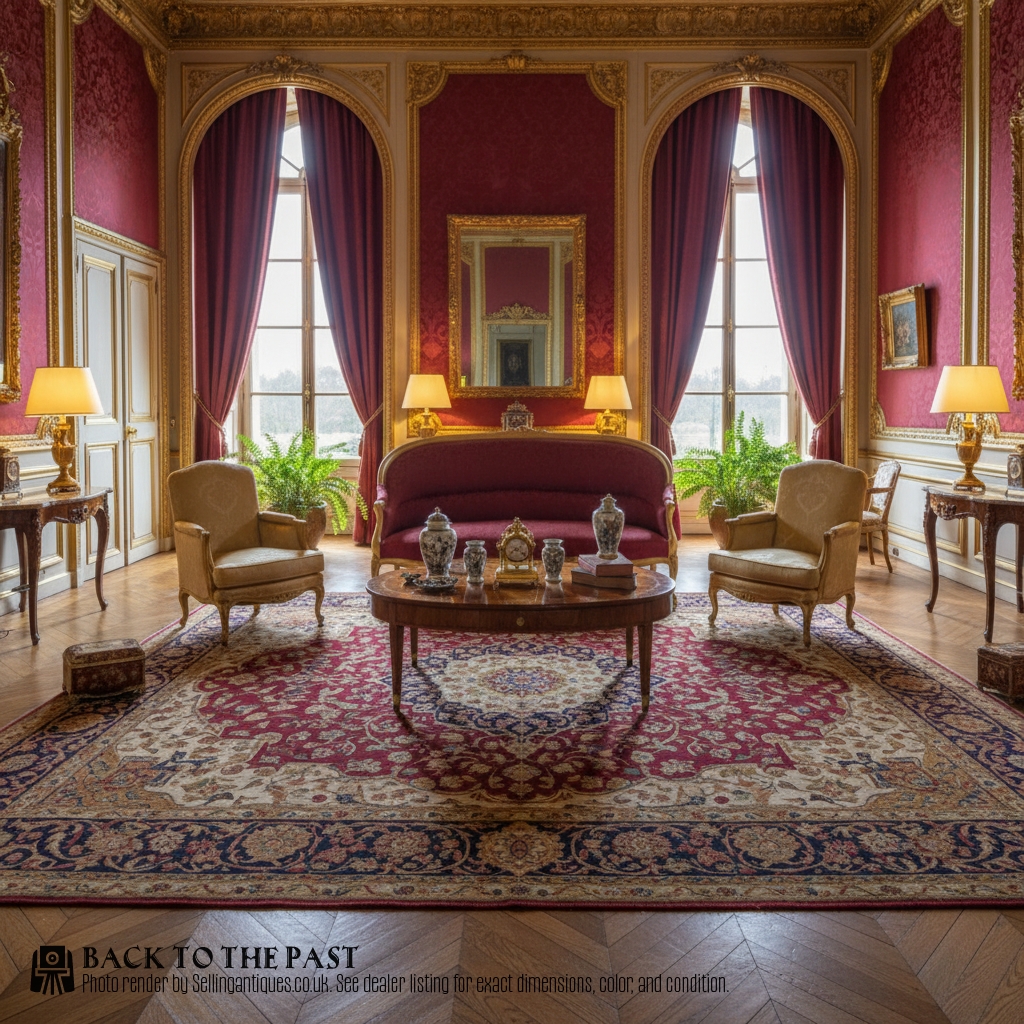
- An ornamental French sofa or settee featuring an upholstered back and seat on an exposed wooden frame. This form typically accommodates multiple people and serves as a principal seating piece in a formal salon.
- Giltwood
- Timber coated with gold leaf or a gold-coloured metallic finish to create a brilliant decorative surface. This material reflects light and highlights the carved contours of the frame.
- Rococo Revival
- A nineteenth-century design movement that reinterprets the ornate, asymmetrical curves and natural motifs of the original eighteenth-century French style. It emphasises flowing lines and decorative exuberance.
- Damask
- A reversible figured fabric woven on a loom, featuring patterns created through contrasting warp and weft threads. It provides a durable and textured surface suited for traditional upholstery.
- Corbeille
- A style of sofa or chair with a rounded, basket-like back that curves continuously into the arms. This shape envelopes the sitter and offers a distinct silhouette.
Frequently Asked Questions
What is a louis xv style canape?
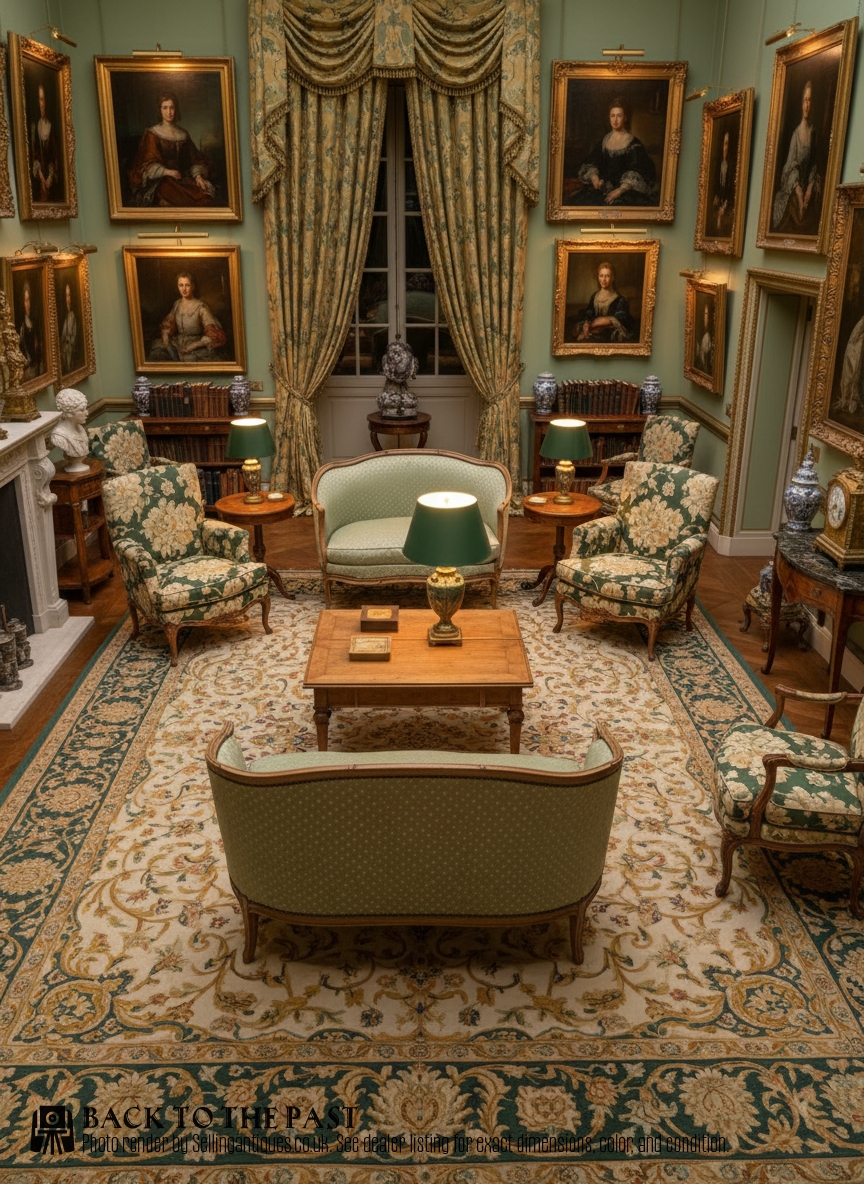
A louis xv style canape is a decorative upholstered sofa or settee inspired by French eighteenth-century design, featuring curved wooden frames and ornate carving. These pieces function as statement seating in living spaces and formal rooms.
They reflect revival periods from the nineteenth and twentieth centuries, utilising materials like walnut, giltwood, and diverse textiles. Each piece brings historic French character to contemporary interiors.
How were these settees used?
These settees served as elegant seating for conversation and entertaining within formal salons and drawing rooms. Their generous proportions accommodated multiple guests during social gatherings.
In modern homes, they function as focal points in living areas or bedrooms. They provide comfortable seating while adding a distinct decorative heritage.
How do I clean giltwood frames?
Giltwood frames require gentle maintenance using a soft, dry cloth to remove dust from the carved surfaces. Avoid liquid cleaners and harsh chemicals that can damage the gold leaf or painted finish.
Preserving the original surface involves keeping the wood away from direct sunlight and moisture. Regular, careful dusting protects the delicate details of the hand-carved motifs.
How can I tell the period?
Dating these pieces involves examining the construction methods, tool marks on the timber, and the wear patterns on the finish. Nineteenth-century examples often display distinct patination and heavier hand-carved detailing compared to later adaptations.
Upholstery materials and tack types also provide clues regarding the era of manufacture or subsequent restoration work. Comparing the frame style to documented revival periods helps narrow down the origin.