



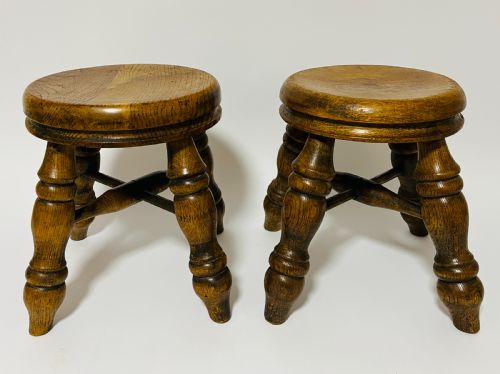
Vintage Oak Footstool
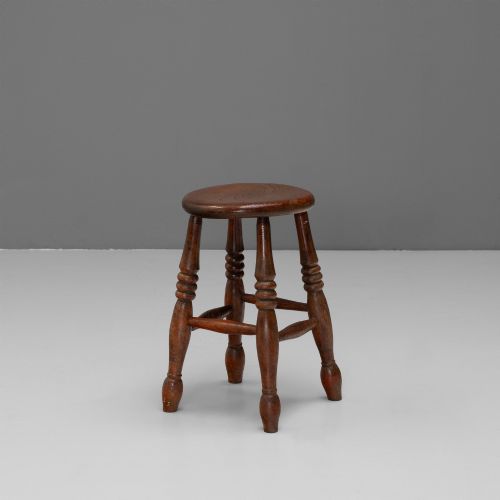
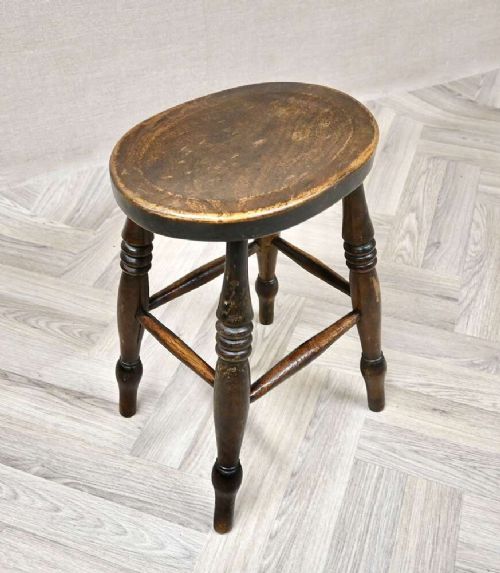
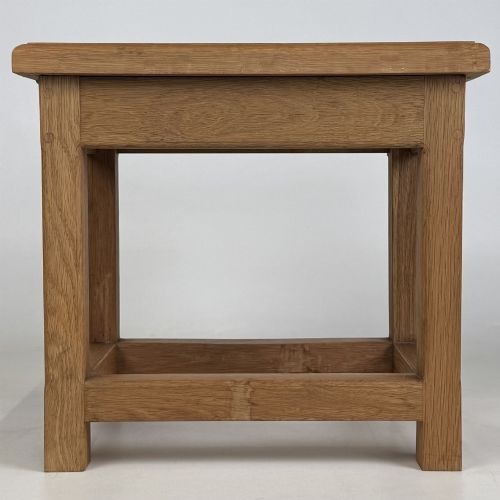
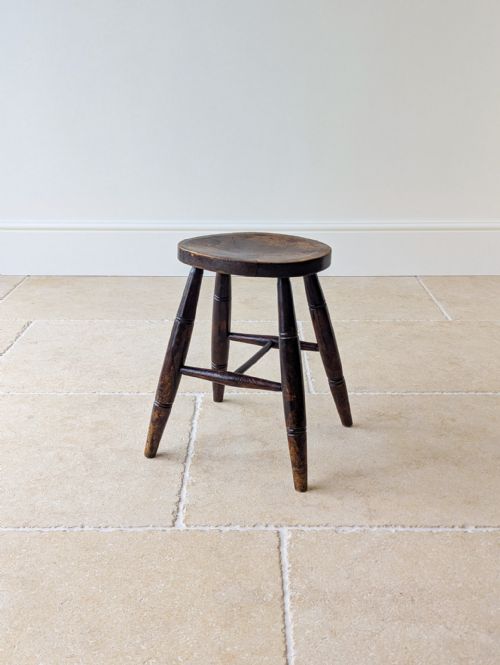
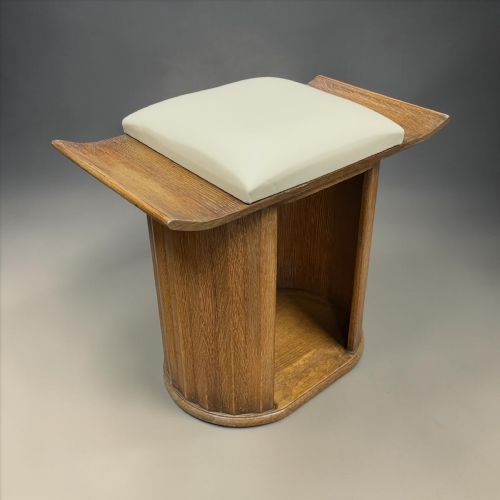
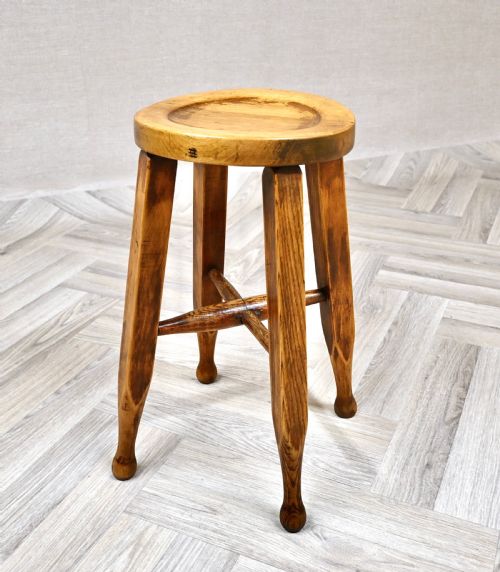
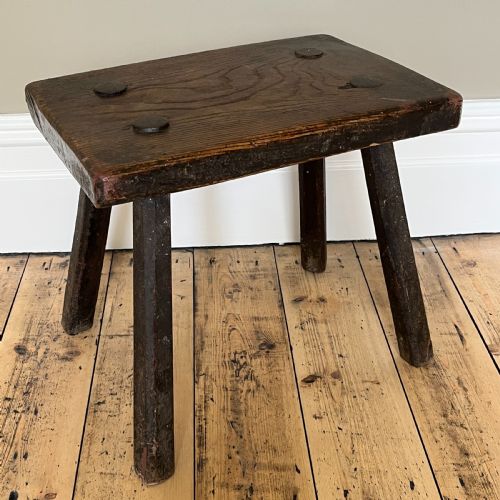
A vintage oak footstool brings solid construction and warm grain into a room, serving as a practical seat or low rest.
Vintage Oak Footstool
A vintage oak footstool encompasses functional seating pieces created across several centuries, drawing on styles from simple country forms to revivalist designs. When exploring this selection, buyers frequently encounter sturdy Edwardian and Victorian country examples alongside rustic farmhouse and Arts and Crafts iterations.
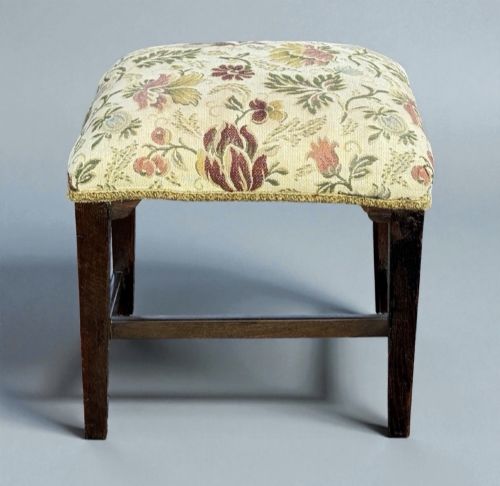
The objects span varied configurations, including low hearth stools, pegged joint stools, rush-seated country models, and upholstered dressing table variants. These pieces utilise hard timber frames designed to withstand heavy daily use while anchoring traditional or eclectic interior schemes.
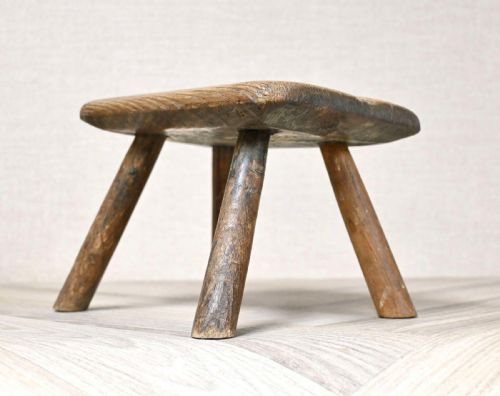
Origins stretch from early nineteenth-century country workshops to early twentieth-century Arts and Crafts studios, recording regional British woodworking traditions. The common thread across these forms is the use of oak timber combined with textile, leather, rush, or cane elements.

Materials and construction methods
Makers constructed these footstools primarily from solid oak, sometimes pairing the dense timber with elm, hardwood, or walnut framing. Joinery often relied on traditional pegged construction, mortise and tenon joints, or spiral-carving techniques.
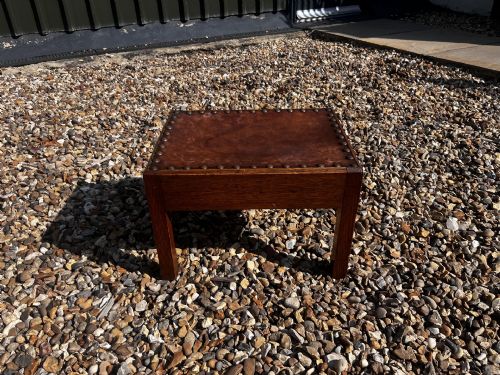
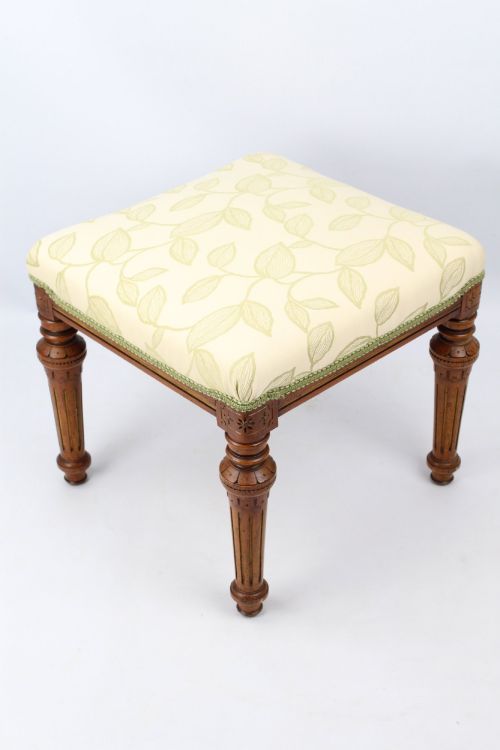
Upholstered variants incorporate leather, tweed linen, fabric, or buttoned padding over the wooden base, whilst other forms feature woven rush, cane work, or shaped wooden saddle seats. Brass details and turned legs occasionally appear to accent the primary oak structure.
Vintage Oak Footstool Retail Price Guide 2026
Typical asking prices for vintage oak footstool among the pieces listed under this phrase on Sellingantiques today, from the lower quarter to the upper quarter. They describe what is for sale here now, not the wider market.
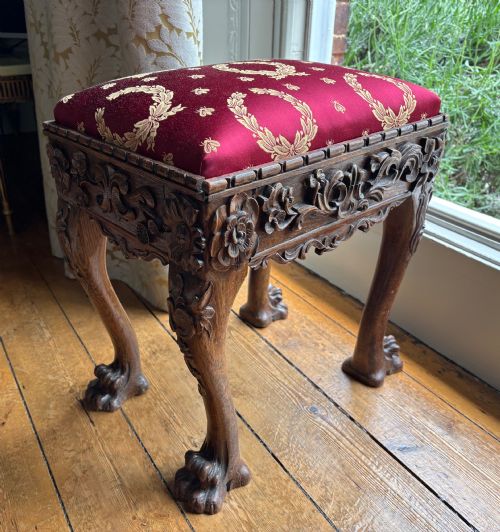
Some nineteenth-century makers evidently believed every stool needed a lion's head glared at from beneath.
Judging execution and finish
Quality in these pieces rests upon the integrity of the timber framing and the precision of the joinery, such as tight pegged joints versus modern adhesives. Superior examples display mature oak grain with a rich patina developed through age and careful handling.
The refinement of carved details, balanced proportions, and the authenticity of original upholstery or seating materials further distinguish finer workshop output from simpler utilitarian items.
Arthur Simpson Of Kendal·Harry & Lou Epstein
The Vintage Oak Footstool Glossary
- Joint stool
- A sturdy wooden stool constructed with mortise and tenon joints rather than turned legs glued into a seat. These pieces date back to early domestic traditions.
- Pegged construction
- A method of securing joints using wooden pins rather than metal nails. This technique allows the timber to expand and contract naturally.
- Rush seat
- A seating surface woven from dried marsh rushes around a wooden frame. It creates a resilient, textured top common in country furniture.
- Arts and Crafts
- A design movement prioritising handcraftsmanship, simple forms, and visible construction methods over mass-produced ornamentation. Pieces from this tradition often highlight the natural qualities of oak.
- Hearth stool
- A low, wide stool designed to sit near an open fireplace for warmth. They often feature upholstered tops for extended seating.
Vintage Oak Footstool: Frequently Asked Questions
How do I style a vintage oak footstool at home?
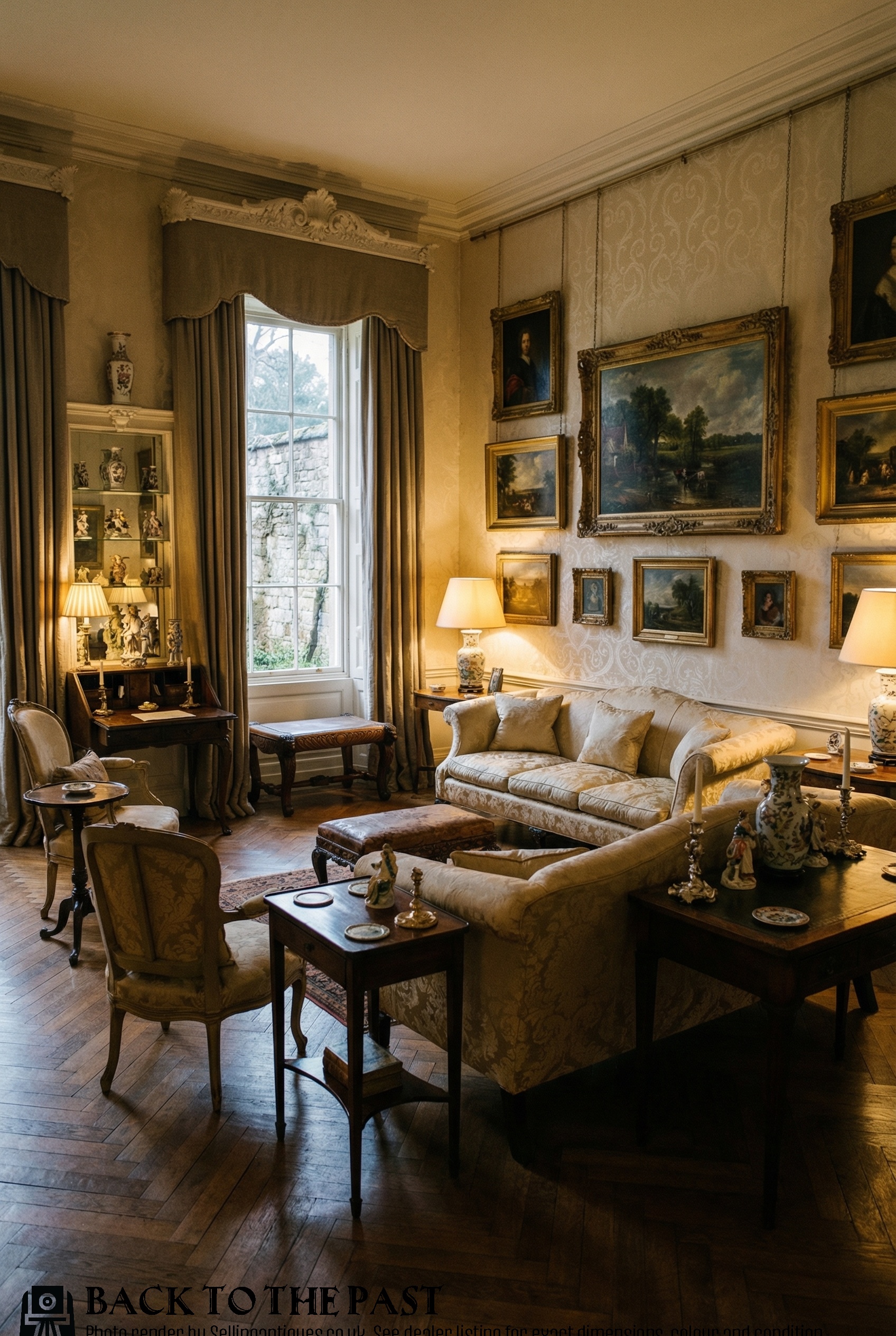
Place a low joint stool beside an armchair to serve as a convenient surface for books or a resting place for feet. Their compact footprints allow them to slide easily beneath tables when not in use.
Pairing a rush-seated or leather-topped variant with neutral textiles highlights the natural warmth of the timber grain. These pieces integrate smoothly into both traditional country interiors and modern minimalist spaces.
What periods do these footstools represent?
The listings encompass items ranging from Georgian and Victorian eras through to the early twentieth century, including Edwardian and Art Deco designs. Each period brings distinct decorative flourishes, from heavy turned legs to clean Arts and Crafts lines.
Earlier examples often display hand-carved detailing and pegged frames, while later twentieth-century iterations lean towards streamlined forms. Examining the joinery and timber finish helps clarify the approximate era of production.
Were these stools used for sitting or resting feet?
Historical examples served both purposes depending on their height and upholstery. Low hearth and footstools were designed primarily for warming feet near the fire.
Sturdier joint stools and dressing table variants functioned as primary seats for domestic tasks. Their robust oak frames ensured durability regardless of daily application.
How should I care for vintage oak wood?
Maintain the timber by dusting regularly with a soft, dry cloth to prevent grit accumulation on the surface. Avoid placing wooden furniture near direct heat sources or strong sunlight to protect the finish.
Treating the oak periodically with appropriate wax helps nourish the grain and preserve its historic patina. Keep upholstered or rush elements dry to safeguard natural fibres.