

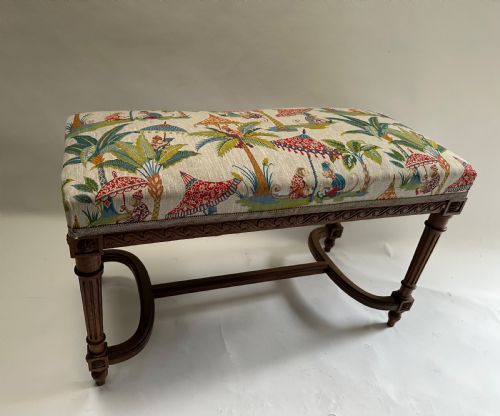
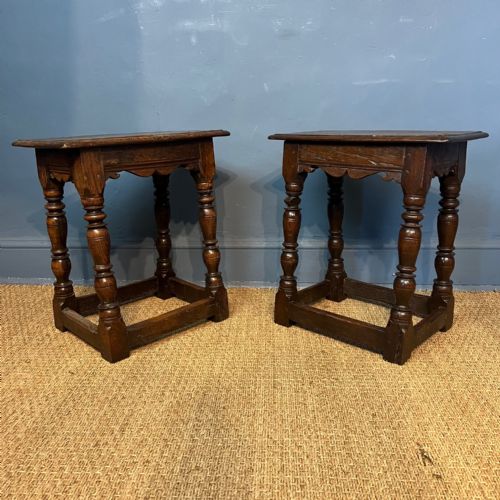
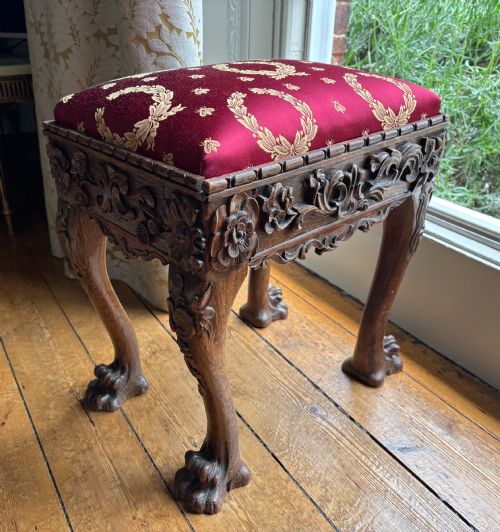
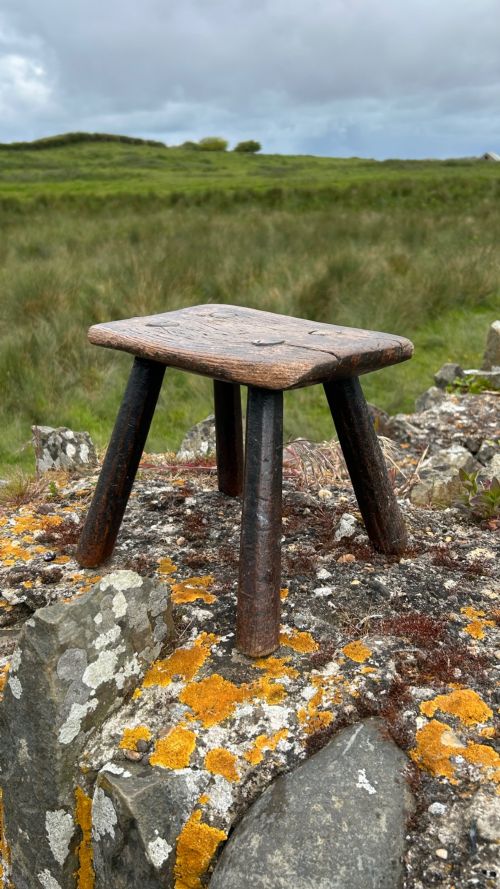
Carved Oak Footstool
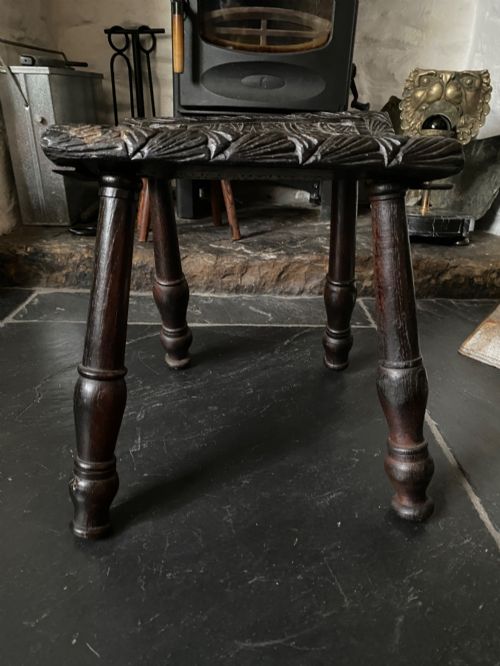
A carved oak footstool brings solid timber and centuries of hand-crafting into a room.

Carved Oak Footstool
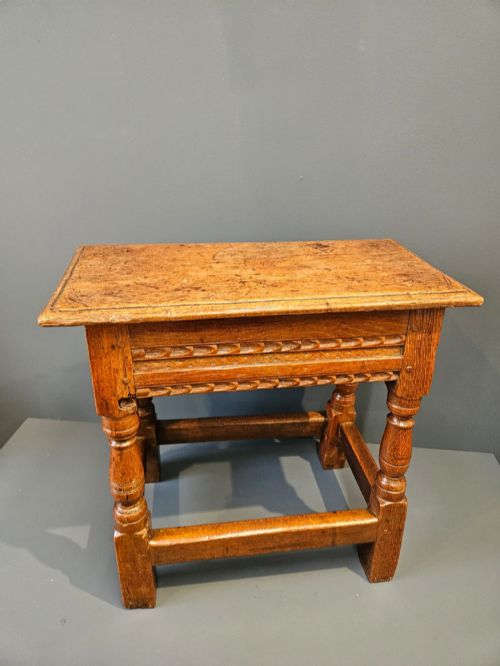
A carved oak footstool combines sturdy seating timber with detailed decorative work across various historical periods. Buyers seeking a carved oak footstool encounter examples ranging from seventeenth-century joint stools to nineteenth-century revival pieces.
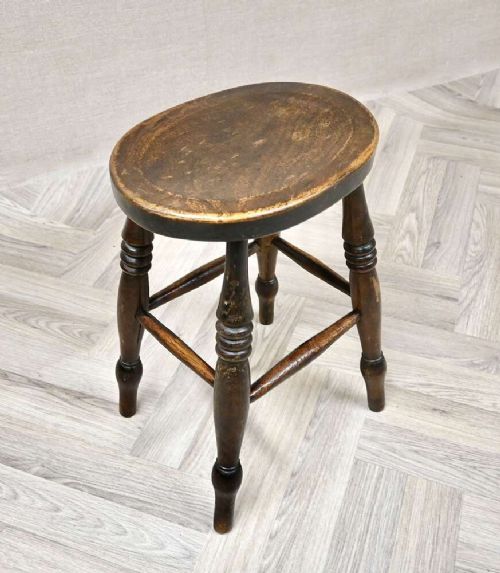
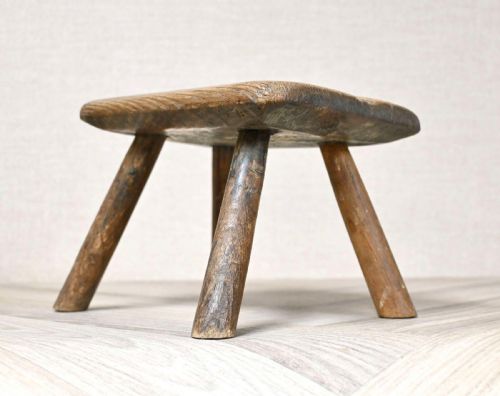
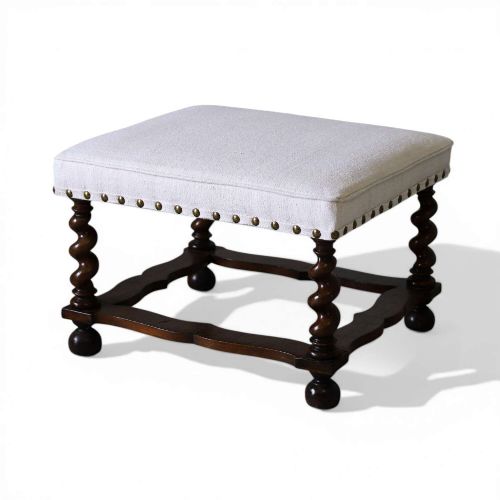
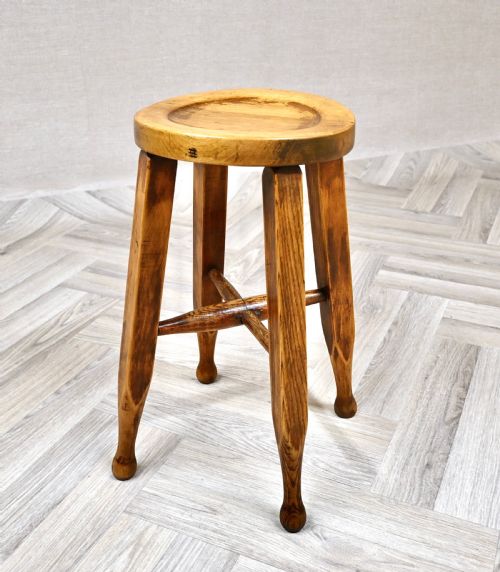
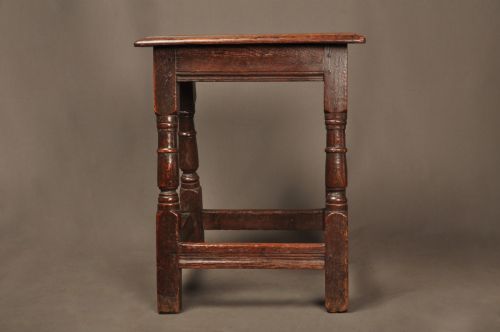
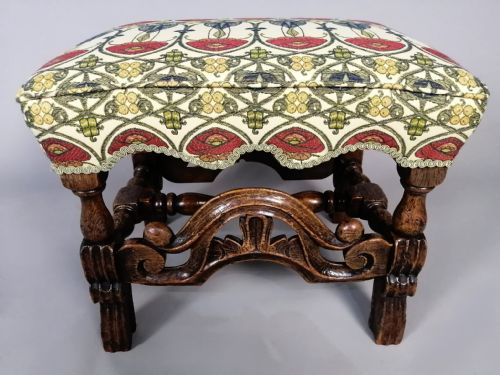
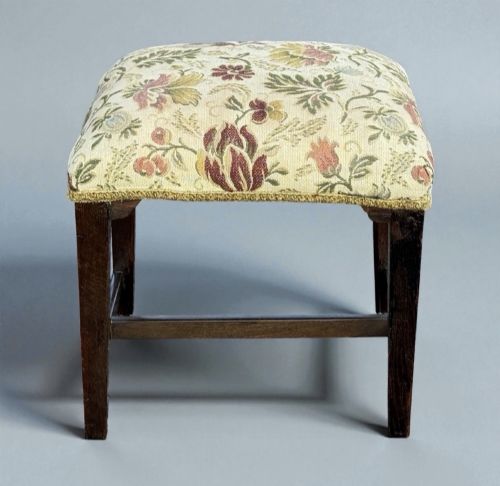
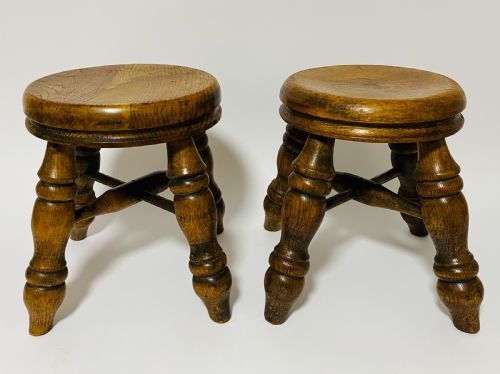
The selection includes low country forms, jointed constructions, and upholstered hearth versions. Makers utilised durable hardwood to build items that served daily domestic functions over generations.
Originating from British workshops, these seating pieces reflect changing tastes through Jacobean, Victorian, and Arts and Crafts design movements. Each surviving specimen demonstrates the practical utility demanded by earlier households.
What varies in quality
The distinction between standard domestic items and finer works rests on the depth and precision of the carving. Crisp relief motifs, well-proportioned turned legs, and balanced structural geometry indicate superior workshop standards.
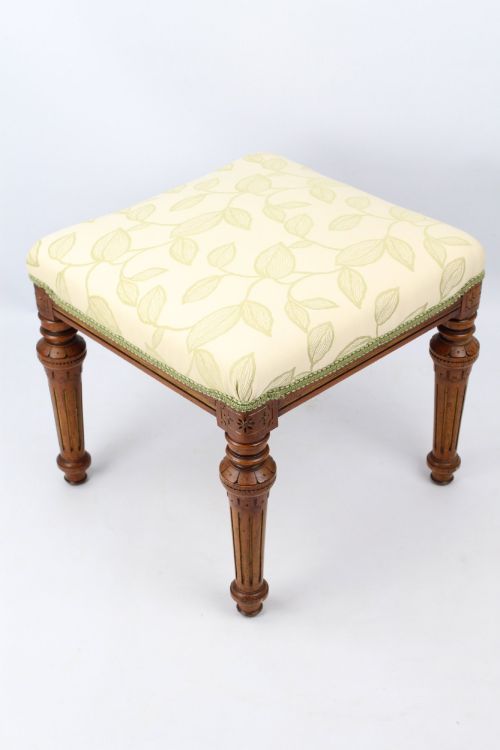
Original material integrity separates unrestored period examples from those with extensive replacement timber. The quality of secondary materials, such as buttoned leather or damask upholstery, contributes significantly to the overall presence of the piece.
Age and regional attribution influence the character of the grain and the patina developed through centuries of use. Exemplary items retain their original joints and surface finishes without excessive intervention.
Carved Oak Footstool Retail Price Guide 2026
Typical asking prices for carved oak footstool among the pieces listed under this phrase on Sellingantiques today, from the lower quarter to the upper quarter. They describe what is for sale here now, not the wider market.
Jack Grimble·Liberty·James Shoolbred
The Carved Oak Footstool Glossary
- Joint stool
- A low wooden seat constructed with mortise and tenon joints, commonly utilised in early domestic settings.
- Carolean
- Pertaining to the reign of Charles II, characterised by exuberant baroque carving and spiral turnings.
- Jointed construction
- A method of assembly relying on fitted wooden joints secured with wooden pegs rather than metal nails.
- Windsor
- A style of seating featuring turned legs and spindles socketed into a sculpted solid wooden seat.
- Stretcher
- A horizontal wooden rail connecting the legs of a stool to provide structural rigidity.
Carved Oak Footstool: Frequently Asked Questions
What is a joint stool?
A joint stool is an early wooden seat built with pegged mortise and tenon joints rather than modern fasteners. These sturdy pieces served multiple household functions including seating and small serving surfaces.
They date primarily from the seventeenth and eighteenth centuries, though revival versions appeared later. Their rectangular tops and heavy frames distinguish them from later country designs.
How do I date a wooden stool?
Dating relies on examining the construction methods, tool marks, and timber species visible on the frame. Pegged joinery, hand-split oak, and vernacular shaping point towards earlier centuries.
Revival pieces from the nineteenth century often imitate seventeenth-century styles but utilise machine-sawn timber and different assembly techniques. Comparing the hardware and wear patterns helps clarify the period.
Were these used as footstools originally?
Many low timber forms served originally as general seating or small stands rather than dedicated foot rests. Low country stools and joint stools adapted to various domestic tasks depending on household needs.
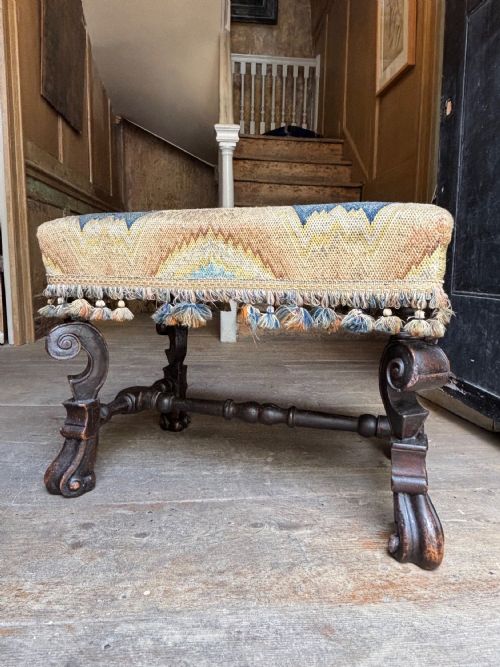
Upholstered hearth variants and specific low frames were designed explicitly for resting feet near a fireplace. Over time, changing room layouts altered how these items were utilised.
How do I care for antique oak?
Maintaining antique oak involves keeping the timber away from direct heat sources and sudden humidity changes. Regular dusting with a dry cloth preserves the natural surface sheen.
Application of traditional wax polish helps nourish the wood and protect the aged patina. Avoid modern liquid cleaners that can penetrate unsealed grain and damage the finish.