


Victorian Low Stool
When you want a victorian low stool, you are choosing a practical nineteenth-century seat designed for firesides, dressing tables, and footrests.
Victorian Low Stool
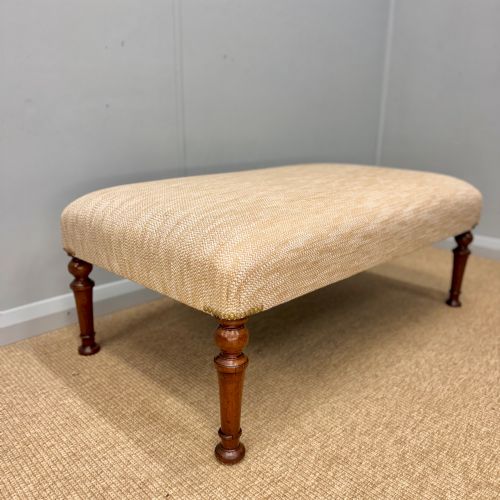
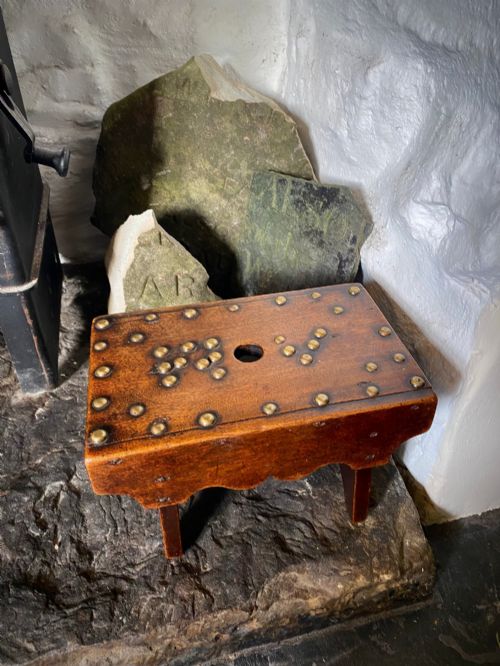
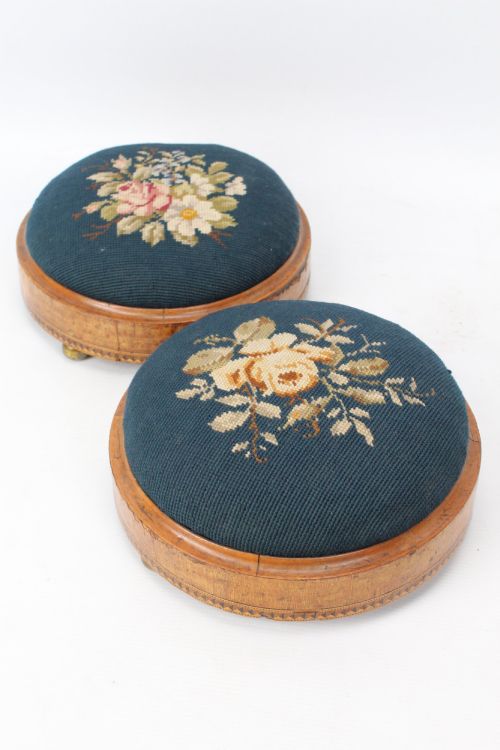
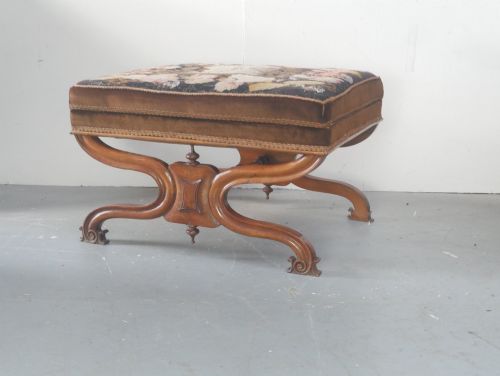
A victorian low stool encompasses small footstools, gout stools, dressing table seats, and long hearth benches. These pieces originate from the nineteenth century, spanning periods from the eighteen-fifties through to the nineteen-twenties.
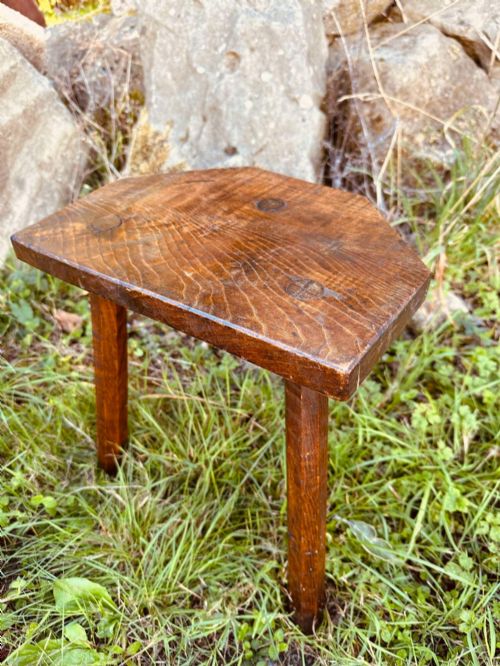
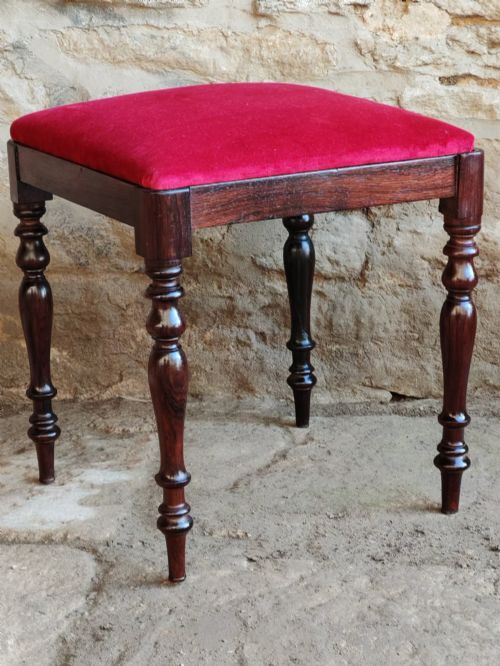
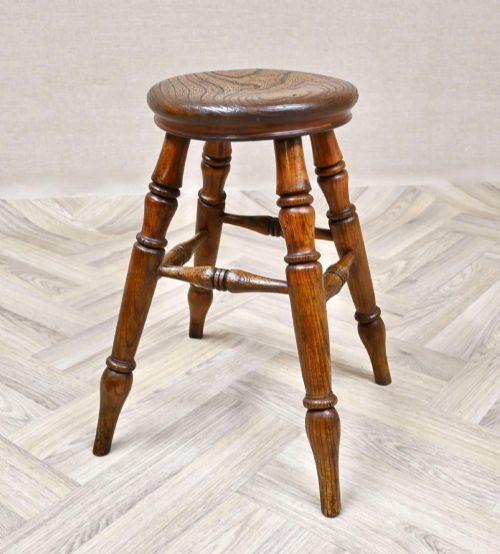
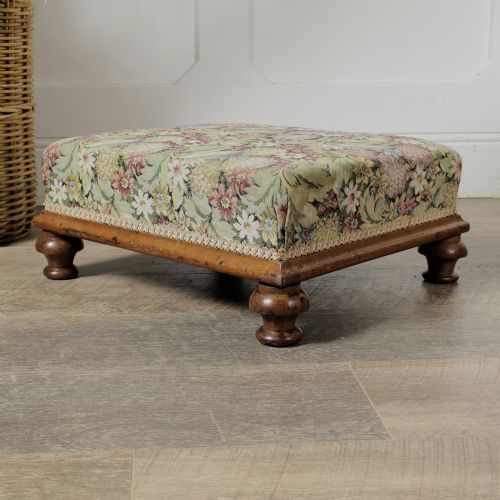
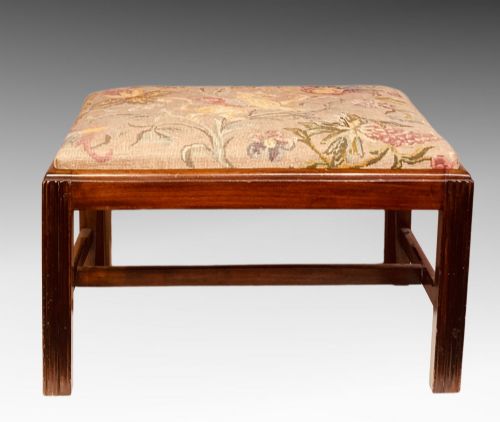
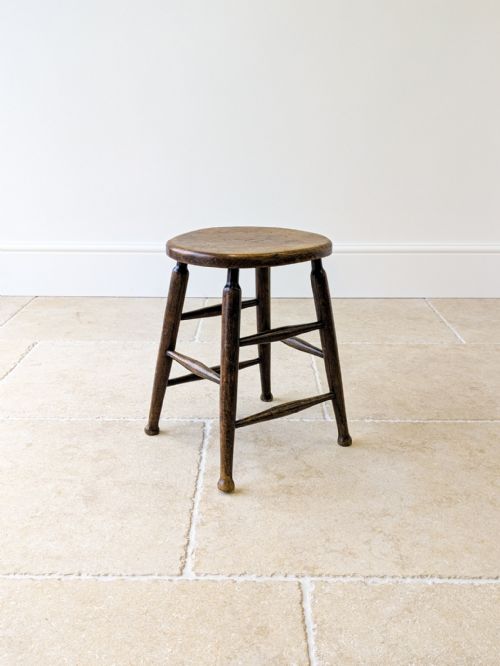
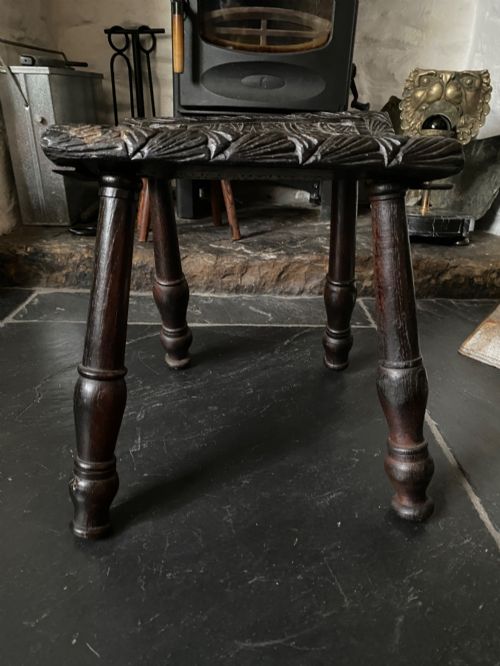
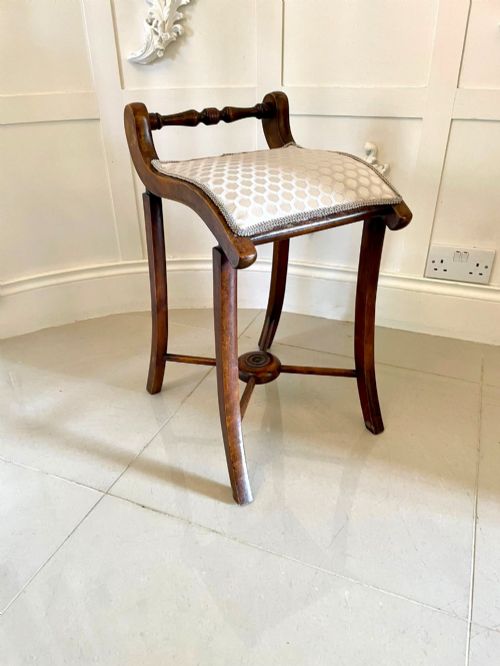
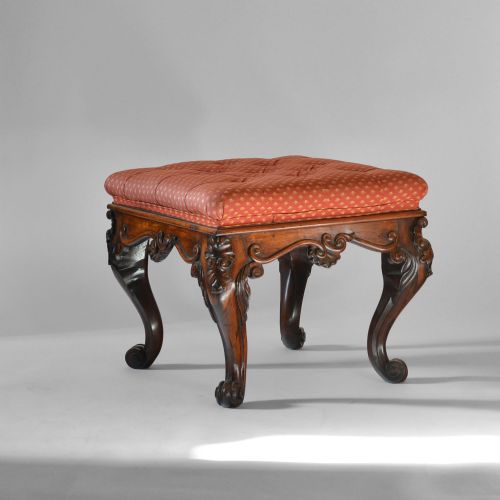
The versions you meet most frequently on this page are compact walnut or mahogany footstools with upholstered tops, alongside larger centre stools and vernacular oak examples. Regional styles include Scottish Baronial, Anglo-Indian rosewood, and Gothic Revival variations.
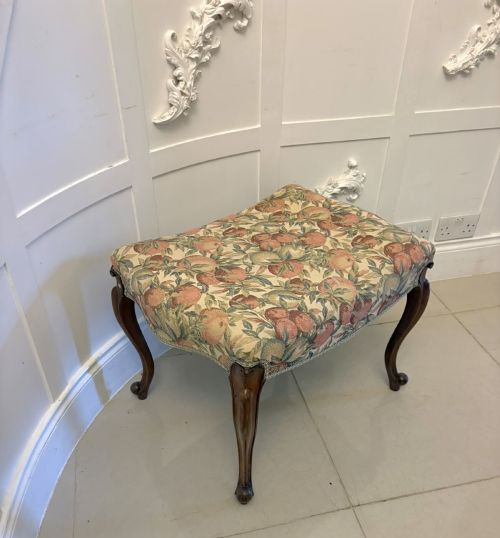
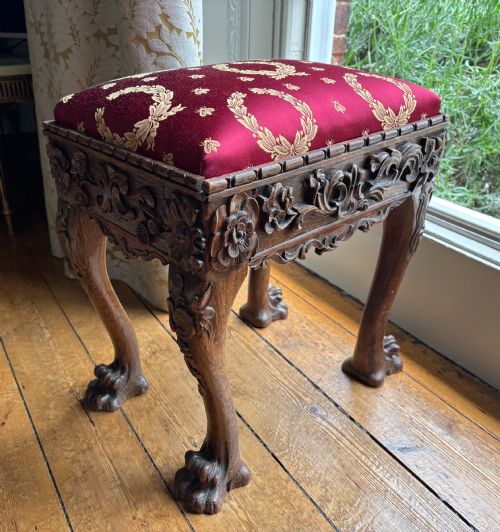
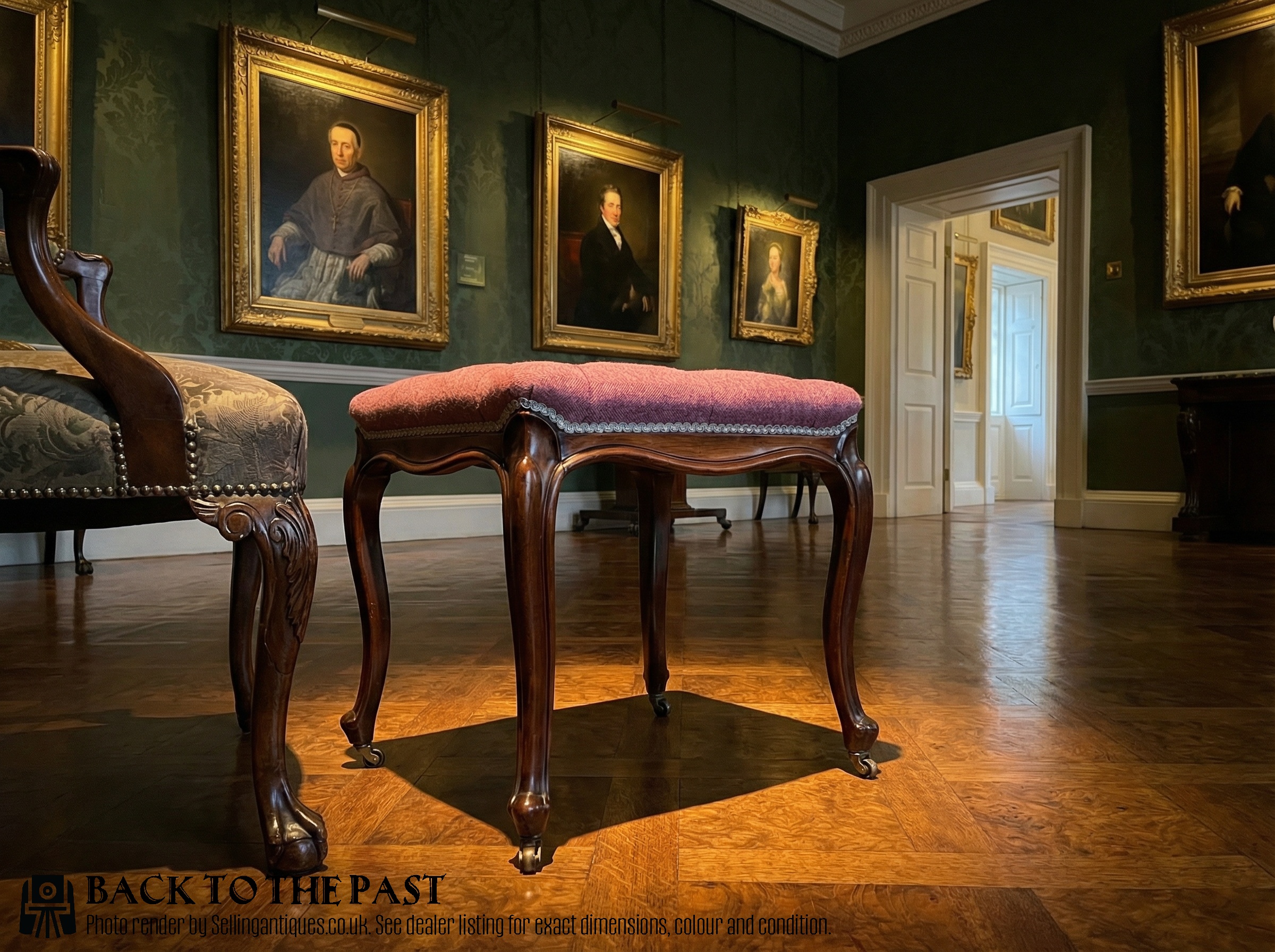
Makers and craftsmen produced these low seats in various timbers, shaping them with cabriole legs, turned supports, or ball feet. They served utilitarian and decorative purposes in period rooms, often functioning as movable fireside companions.
Materials and construction
Makers utilised hardwoods such as mahogany, walnut, rosewood, oak, and pine to build the sturdy frames of a victorian low stool. Joinery techniques involved traditional jointing, turned components, and carved details like cabriole legs or ball feet.
Upholstery formed a central part of construction, employing textiles, velvet, fabric, leather, needlework, and heavy green linen over padding. Brass castors occasionally added mobility to larger footstools and hearth benches.
Victorian Low Stool Retail Price Guide 2026
Typical asking prices for victorian low stool among the pieces listed under this phrase on Sellingantiques today, from the lower quarter to the upper quarter. They describe what is for sale here now, not the wider market.
Listings feature nineteen-century periods alongside materials like mahogany, walnut, rosewood, brass, and velvet.
Judging quality and craftsmanship
Quality rests upon the selection of timber and the depth of carving in the wooden frame. Fine walnut and rosewood frames display crisp mouldings and well-proportioned cabriole legs rather than plain, utilitarian pine or beech.
The integrity of the upholstery work and the retention of original fabric, leather, or traditional stuffing dictate the standing of an individual piece. Robust frame construction without modern structural alterations marks superior examples.
Waring and Gillows
The Victorian Low Stool Glossary
- Gout stool
- A small low footrest designed with an adjustable or fixed inclined top to support swollen feet. These were common health accessories in nineteenth-century parlours.
- Cabriole leg
- A furniture leg that curves out and then in, resembling the leg of an animal. This shape is frequently found on walnut and mahogany dressing stools.
- Centre stool
- A large freestanding upholstered seat intended to sit in the middle of a room rather than against a wall. They often feature elaborate carved rosewood frames.
- Joint stool
- A sturdy wooden stool built with mortise and tenon joints rather than turned legs. Oak examples from the nineteenth century often follow this vernacular construction.
- Hearth stool
- A long, low seat placed in front of a fireplace. These benches provided extra fireside seating close to the warmth.
Victorian Low Stool: Frequently Asked Questions
How were low stools used originally?
Nineteenth-century households utilised low stools primarily as footrests by the fireside or as supportive seats for dressing tables. Gout stools specifically elevated aching feet, while larger centre stools provided flexible seating in crowded parlours.
These versatile pieces moved easily around the room depending on domestic needs. Their low height kept users close to the warmth of the hearth during colder months.
Are these stools comfortable for daily seating?
Most pieces were designed for short periods of sitting, resting feet, or dressing rather than lounging. The firm padding and low stature suit occasional use around living spaces or bedrooms.
Many surviving examples feature newly upholstered surfaces that offer supportive padding. You can easily sit on them at a dressing table or low table.
How do I clean and care for the fabric?
Care depends entirely on whether the textile is antique tapestry, velvet, leather, or modern replacement upholstery. Gentle surface dusting and careful vacuuming with a soft brush attachment preserve delicate fibres.
Avoid harsh chemical cleaners on antique textiles or aged leather. Professional conservation cleaning is recommended for delicate needlework and historical fabrics.
How can I tell a Victorian stool from a later copy?
Examine the timber underneath, the type of screws or fixings, and the hand-tool marks on the wooden frame. Nineteenth-century pieces display appropriate wood shrinkage, patination, and traditional joinery methods.
Pine framing or secondary woods inside the construction often reveal the true age of the piece. Look closely at the wear patterns on the feet and legs.