



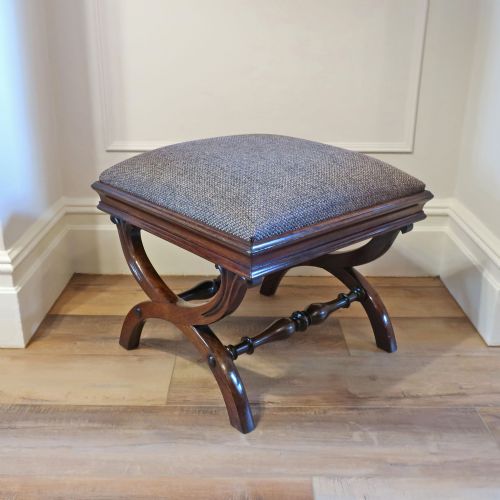
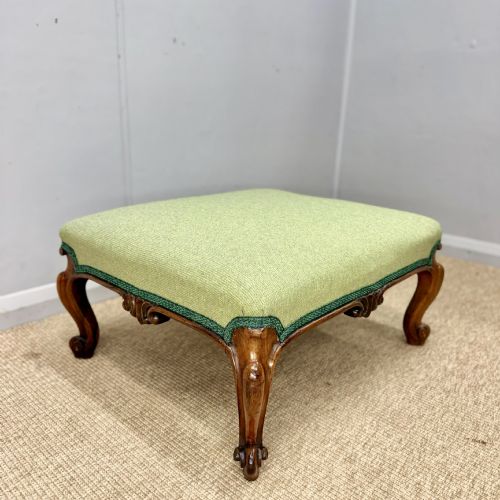


Rosewood Dressing Stool
A rosewood dressing stool brings rich grain and practical seating to a bedroom, combining sturdy nineteenth-century timber with traditional upholstery.
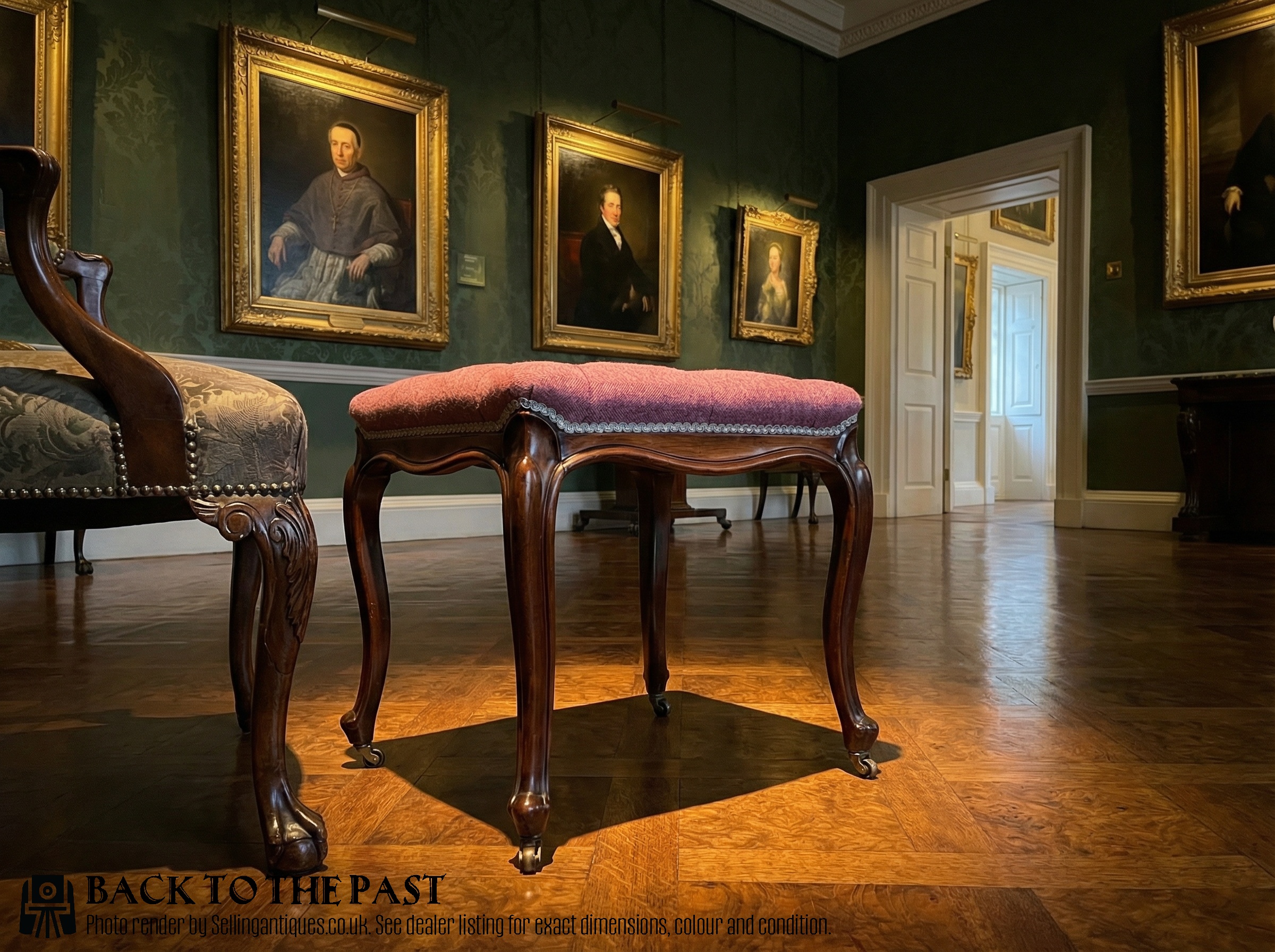
Rosewood Dressing Stool
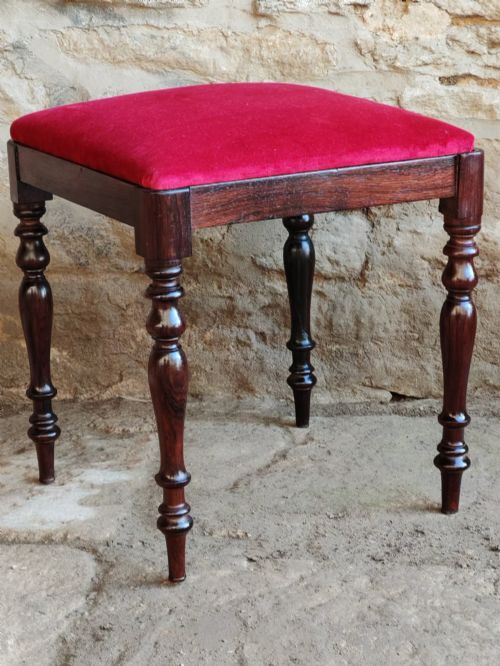
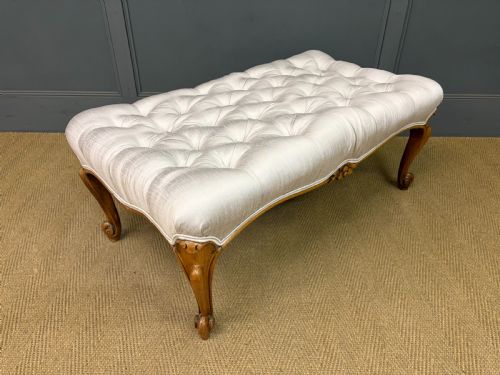
When you search for a rosewood dressing stool, you encounter low seating designed for nineteenth-century bedrooms, dressing rooms, and music rooms. The pieces recorded here span the Georgian, Regency, and Victorian eras, alongside Anglo-Indian and Chinese Qing Dynasty examples.
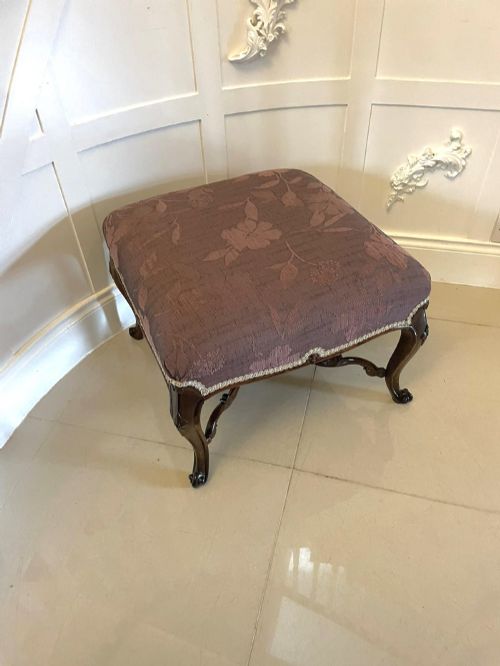
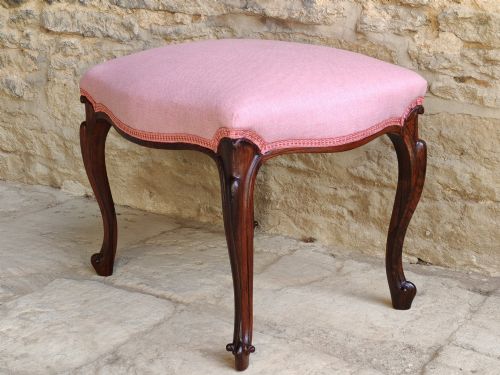
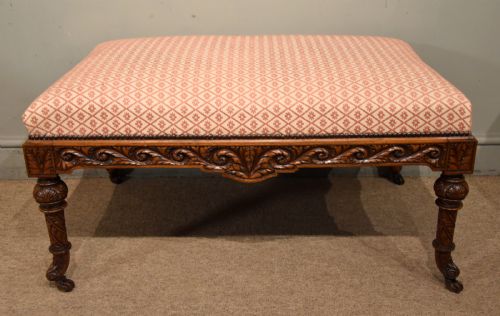
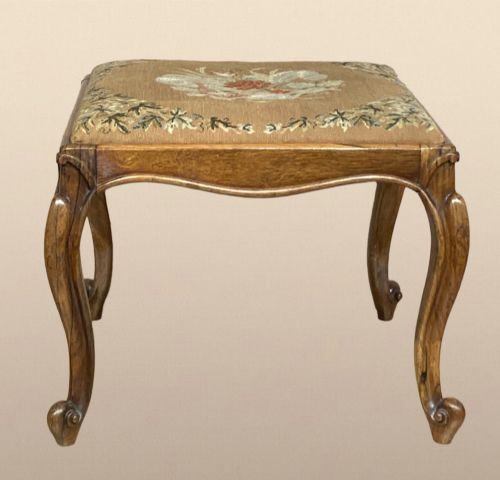
The most common form on this page is the Victorian dressing stool, typically featuring carved cabriole legs and a padded top. Many surviving pieces double as piano stools or revolving seats, while others adopt cross-frames and rectangular proportions.
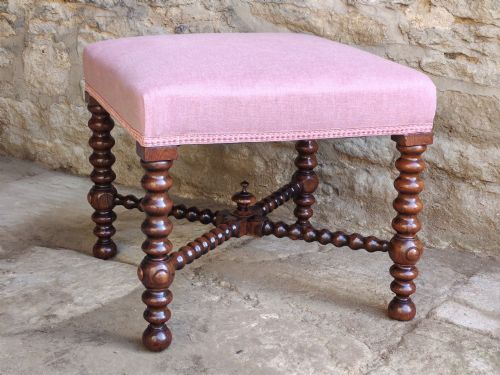
Makers and regional workshops produced diverse variations, from simple bobbin-turned supports to elaborately carved frames. Buyers select these items for their compact footprint, dense tropical timber, and versatility as window seats or footstools.
How they were made
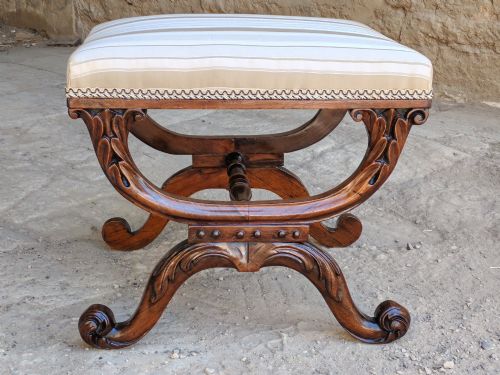
Cabinet makers utilised dense rosewood and exotic hardwoods, often shaping timber through turning, carving, and curved joinery. Frames frequently incorporate cabriole legs, scroll feet, or structural X-frames for stability.
Upholstery relies on traditional textiles, leather, wool, and needlepoint tapestry fixed over supportive stuffing. Brass fixtures appear on adjustable revolving mechanisms and decorative mounts.
Rosewood Dressing Stool Retail Price Guide 2026
Typical asking prices for rosewood dressing stool among the pieces listed under this phrase on Sellingantiques today, from the lower quarter to the upper quarter. They describe what is for sale here now, not the wider market.
What varies in quality
The standard of carving determines much of the visual appeal, separating simple turned legs from deeply sculpted rococo or floral motifs. Crisp detail in the woodwork indicates superior craftsmanship from period workshops.
The integrity of the frame and the retention of original mechanical parts, such as revolving screw mechanisms or adjustable hinges, distinguish exceptional pieces from standard variants.
Gillows
The Rosewood Dressing Stool Glossary
- Cabriole leg
- A furniture leg that curves outward and then tapers inward, finishing in a pad, scroll, or carved foot. This form was widely used on Victorian seating.
- X-frame
- A structural furniture base formed by intersecting diagonal timbers that create an X-shape when viewed from the side. These frames provide robust support for dressing stools and window seats.
- Revolving mechanism
- An internal screw device that allows the seat top to turn and adjust in height. It is commonly found on piano and dressing table stools.
- Bobbin leg
- A turned furniture leg shaped to resemble a series of bobbins or spools stacked end to end. This decorative turning technique appears on mid-nineteenth-century pieces.
- Needlepoint tapestry
- A form of canvas work embroidery using wool yarn to create patterned upholstery. These textiles frequently cover the top of Victorian dressing stools.
Rosewood Dressing Stool: Frequently Asked Questions
What is a rosewood dressing stool?
A rosewood dressing stool is a compact nineteenth-century seat designed to sit beneath a dressing table or in a bedroom. These pieces combine dark tropical timber frames with upholstered tops.
Many surviving examples also function as piano seats or adjustable music stools. Their modest dimensions make them adaptable for use as footstools or window seats today.
How do I date a rosewood dressing stool?
Dating relies on stylistic clues, such as the curved cabriole legs typical of the Victorian era or the cleaner lines of earlier Regency and Georgian pieces. Turning styles, joinery techniques, and secondary woods help confirm the period.
Revolving height-adjustment mechanisms and specific textile choices also point toward mid-nineteenth-century manufacturing methods. Comparing structural details against documented examples clarifies the era of production.
Were these stools used only for dressing?
While primarily paired with dressing tables, these versatile seats served multiple functions in nineteenth-century homes. Many were built with revolving screws for piano players or utilised as music stools.
Their sturdy construction also suited them for use as footstools, ottomans, or small hall seats. Contemporary interiors accommodate them easily in bedrooms, living rooms, and hallways.
How do I care for antique rosewood?
Antique rosewood benefits from minimal intervention, requiring only a soft cloth to remove dust. Avoiding direct sunlight and maintaining stable room humidity preserves the timber and prevents the polished surface from drying out.
Upholstery care depends on the textile, whether leather, wool, or needlepoint tapestry. Gentle brushing or specialist cleaning keeps fabric seating in good condition without harming the historic frame.