


Dark Wood Ottoman
A dark wood ottoman is a sturdy low seat or footstool built from rich timber, offering a functional centrepiece for traditional rooms.
Dark Wood Ottoman
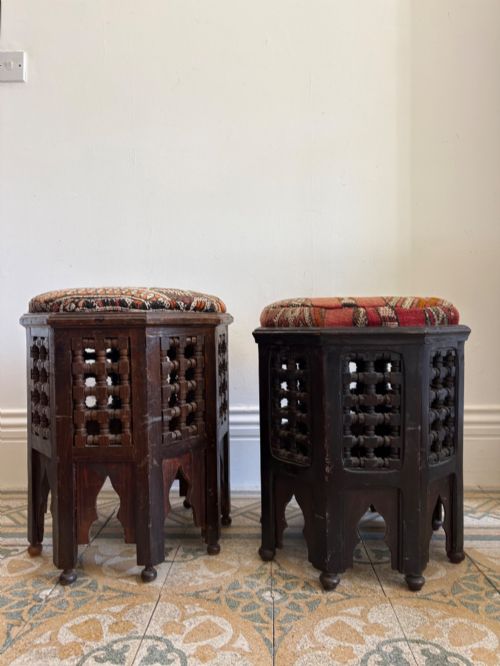
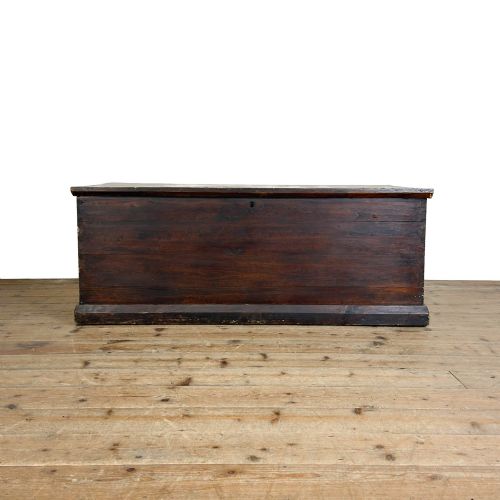
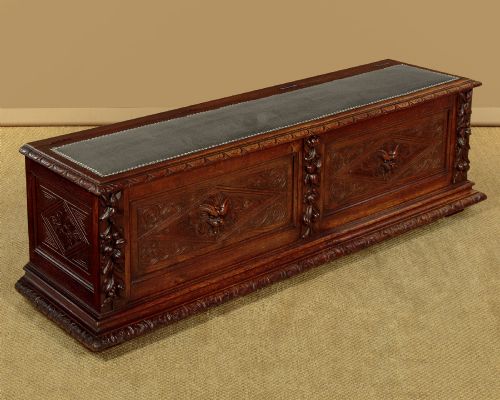
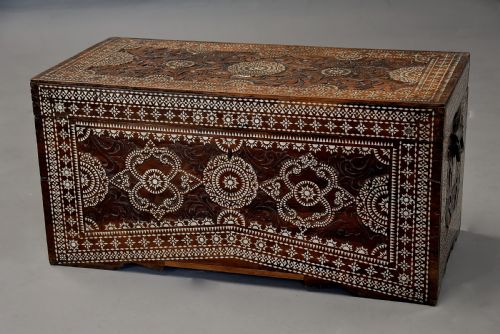
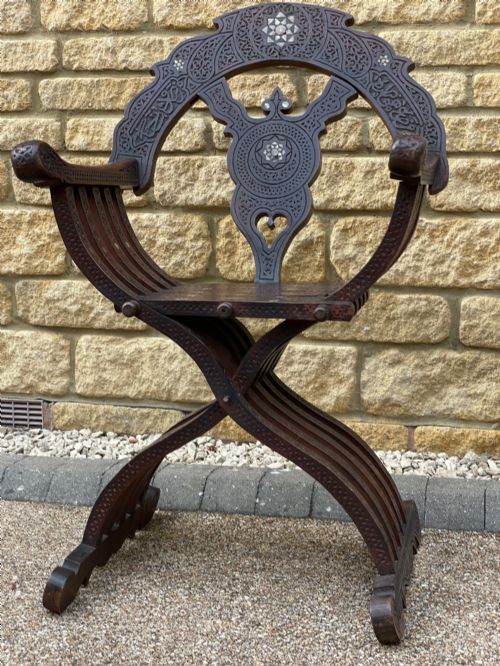
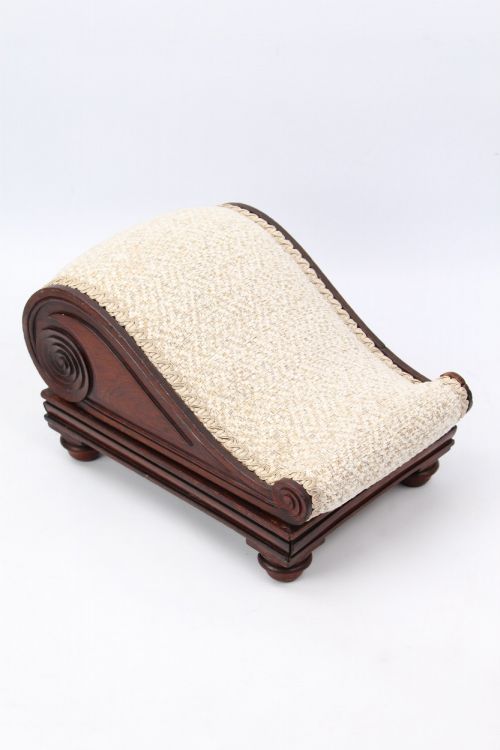
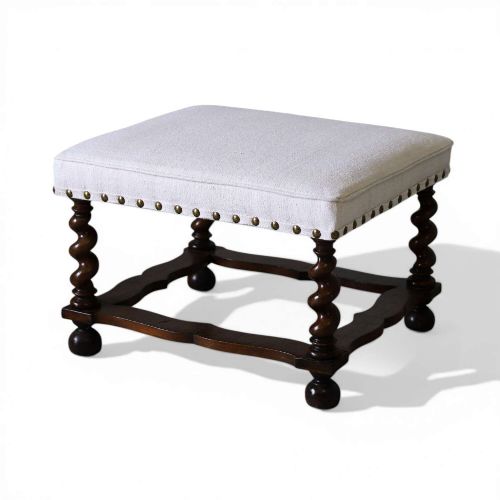
When you search for a dark wood ottoman, you meet a selection of nineteenth century footstools and low seats designed for domestic comfort. These pieces span the Regency, Victorian, and early twentieth century periods, taking the form of compact footstools and longer benches.
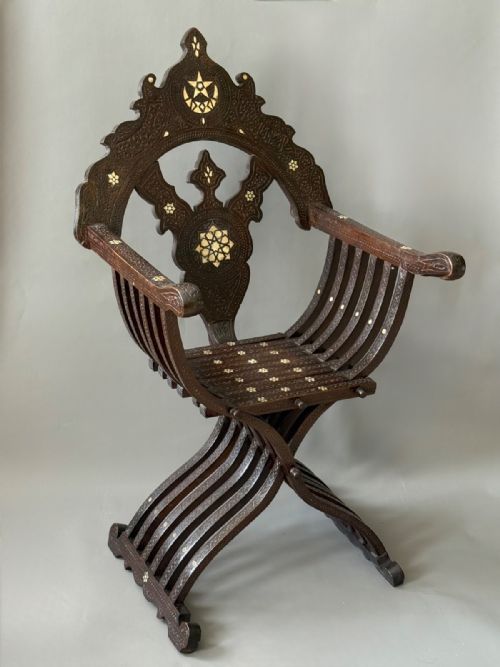
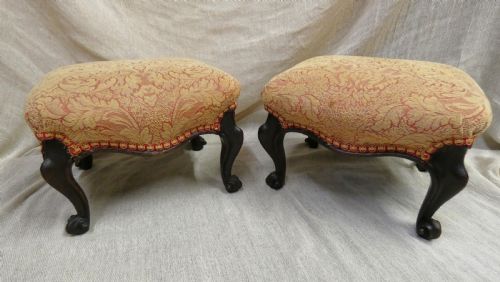
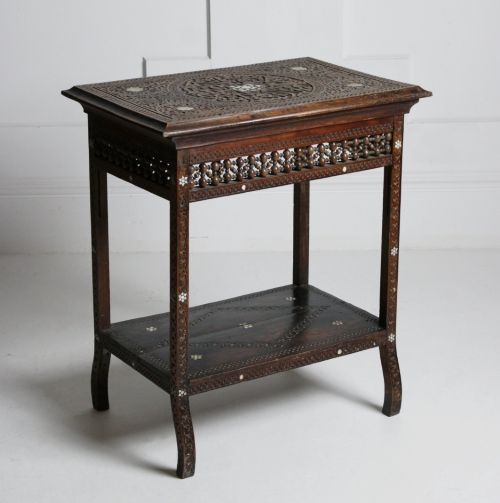
The assortment includes pairs of footstools alongside larger individual seats, showcasing diverse regional interpretations such as Anglo-Indian design. Makers utilised robust timbers to build forms that function equally well as low seats or rests for the feet.
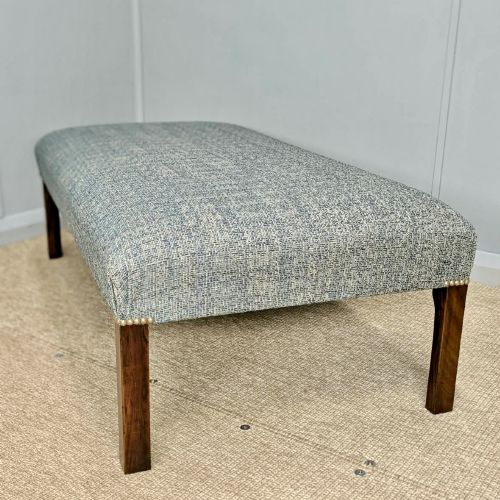
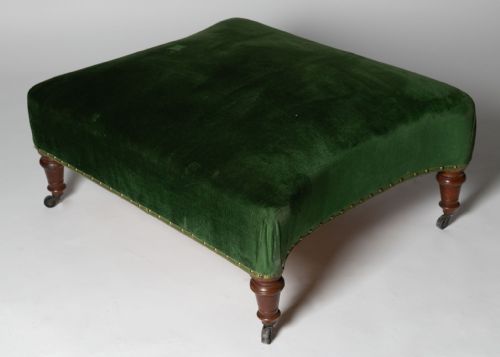
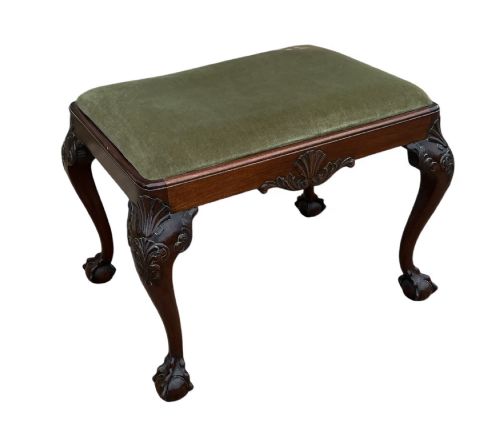
Victorian examples dominate the selection, often featuring shaped legs and upholstered tops covered in woven fabric, damask, or tapestry textile. The forms range from simple rectangular frames to sophisticated cabriole leg designs.
How they were made
Craftsmen built these frames from dense hardwoods, specifically selecting mahogany and rosewood for their deep natural tones and strength. These timbers were turned, carved, or curved into sabre legs and cabriole supports.
Upholstery completed the construction, utilising traditional textiles including damask, tapestry, and woven fabrics secured with fabric trim. The textiles were stretched over padded internal structures fastened directly to the hardwood frames.
Dark Wood Ottoman Retail Price Guide 2026
Typical asking prices for dark wood ottoman among the pieces listed under this phrase on Sellingantiques today, from the lower quarter to the upper quarter. They describe what is for sale here now, not the wider market.
Some nineteenth-century footstools travelled back from the British Empire as Anglo-Indian imports, carrying exotic timber across the seas.
What varies in quality
The distinction between standard and superior pieces rests upon the precision of the timber carving and the selection of materials. Finely figured rosewood and deeply carved mahogany distinguish the most ambitious workshops from simpler production.
Proportion and structural grace define the upper tier, where sabre legs or cabriole supports balance the visual weight of the heavy timber frame. The integration of high-grade tapestry textiles and traditional trim further separates refined examples from basic utilitarian stools.
The Dark Wood Ottoman Glossary
- Rosewood
- A dense, heavily grained hardwood prized for its dark purple-brown colour and smooth finish. It appears frequently in nineteenth-century seating.
- Cabriole leg
- A furniture leg that curves outward and then tapers inward, mimicking an animal's leg. This style appears on revival pieces.
- Sabre leg
- A curving, outward-flaring leg with a uniform section, characteristic of the Regency period. It lends a light, classical silhouette to heavy timber.
- Damask
- A reversible figured fabric woven on a jacquard loom, frequently utilised for historical upholstery. It introduces subtle texture and pattern to the seat.
- Tapestry textile
- A heavy hand-woven or machine-woven fabric displaying pictorial or geometric designs. This material provides a durable and decorative surface for footstools.
Dark Wood Ottoman: Frequently Asked Questions
What is a dark wood ottoman used for?
These low seats function primarily as footstools or resting places for the legs in a drawing room or study. Their sturdy hardwood construction also allows them to serve as occasional seats when extra guests arrive.
Historically, they sat before armchairs or sofas to provide comfort during long evenings. Today, they bring warmth and traditional character to modern living spaces.
How do I identify a Victorian footstool?
Victorian examples often feature dense rosewood or mahogany frames combined with elaborate upholstery like tapestry or damask fabric. Look for characteristic details such as cabriole legs or turned supports.
These pieces typically date from the nineteenth century and reflect the period's preference for dark, heavily figured timber.
Are these ottomans comfortable?
The comfort depends on the internal padding and the condition of the historic upholstery. Many feature firm surfaces originally designed to support the legs rather than for lounging.
Over the decades, some pieces have undergone reupholstery to restore their supportive qualities while preserving the original wooden frame.
How do I care for rosewood and mahogany?
Protect the timber by keeping the piece away from direct sunlight and sudden temperature changes. Regular dusting with a soft, dry cloth maintains the natural lustre of the polished wood.
Avoid using harsh chemical polishes that can damage the historical finish of the hardwood.