


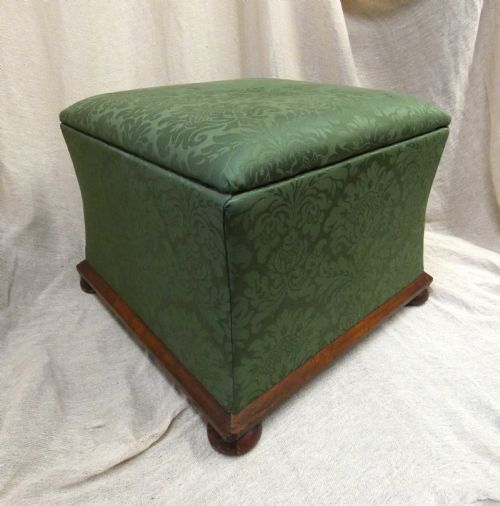

Traditional Upholstered Ottoman
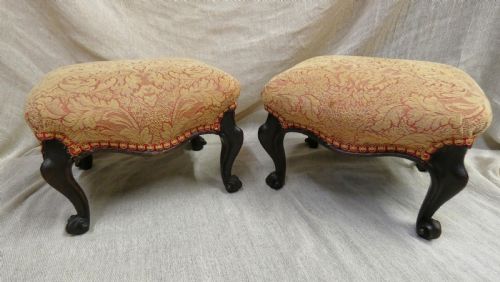
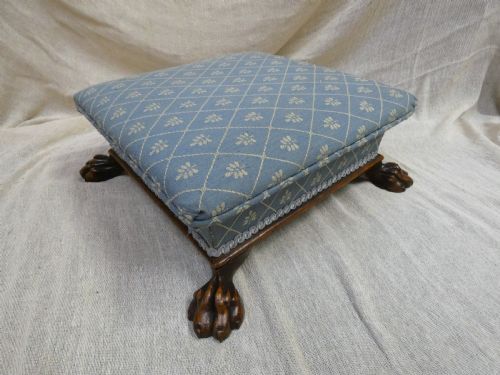
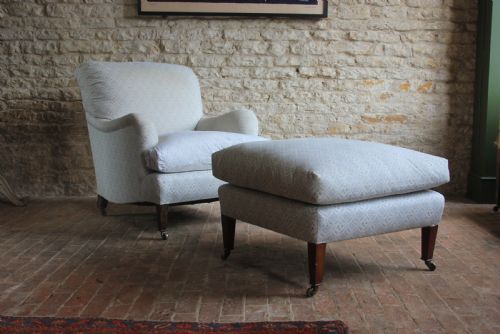
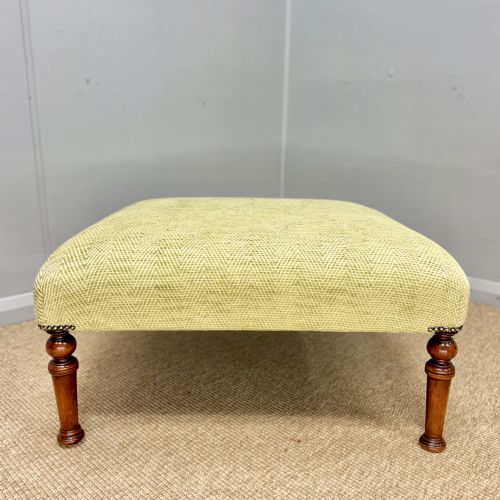
These traditional upholstered ottoman pieces bring Victorian comfort and classic mahogany or rosewood frames into a room.
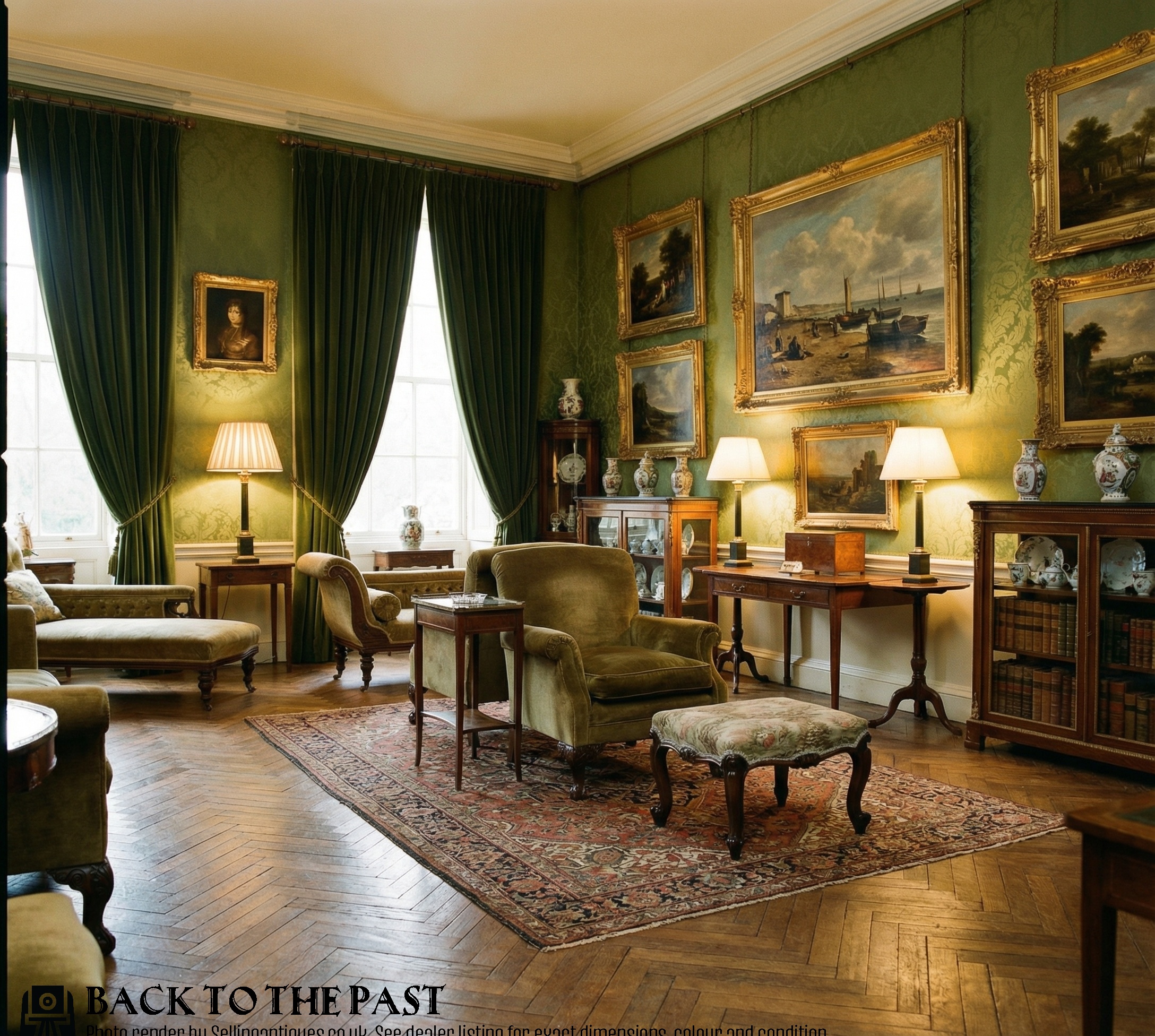
What traditional upholstered ottoman pieces are
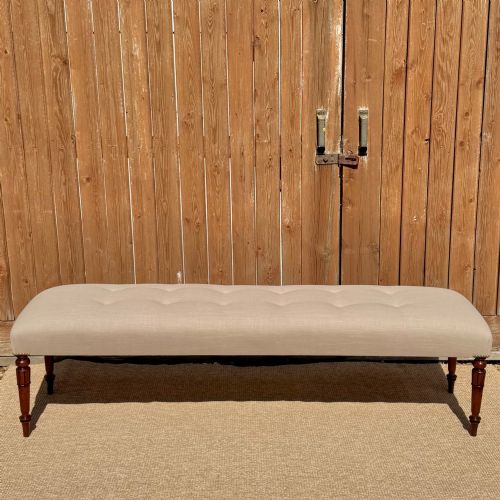
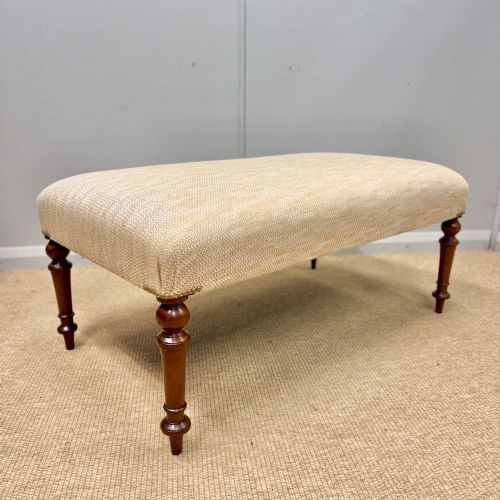
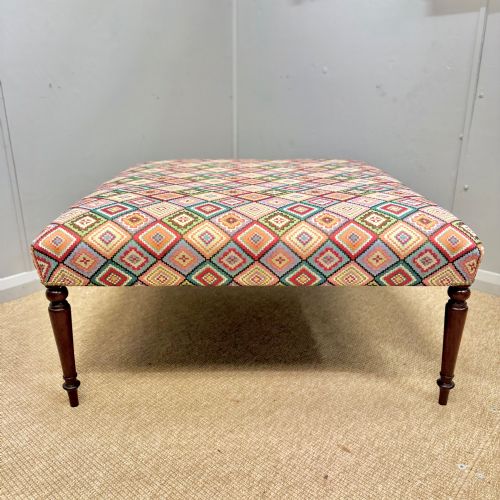
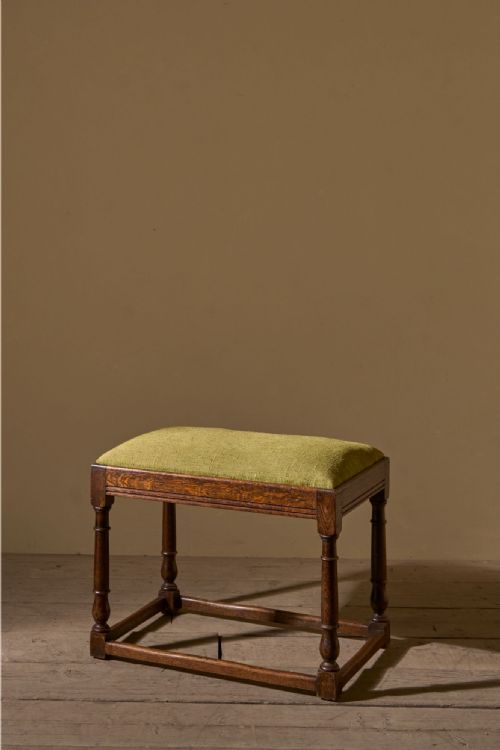
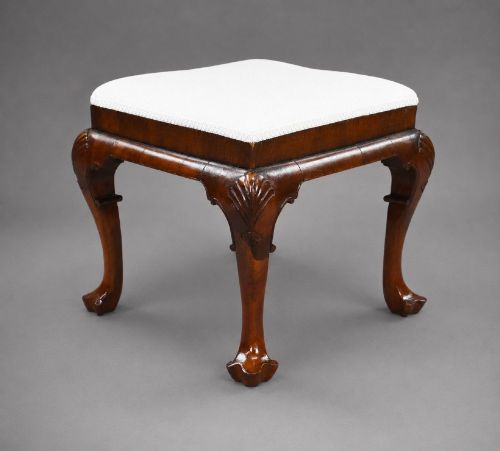
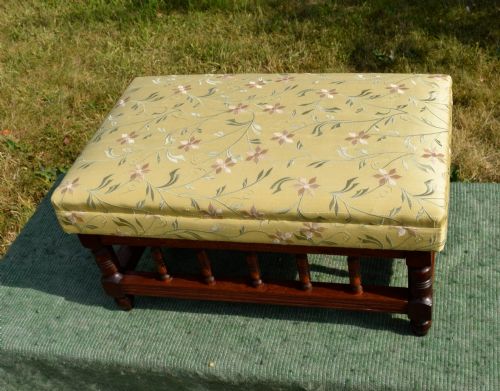
When a buyer searches for traditional upholstered ottoman items, they find a selection of footstools, benches, and window seats originating from the Victorian period up to nineteen ten. These functional forms serve living spaces and drawing rooms alike, offering padded surfaces for resting feet or sitting.
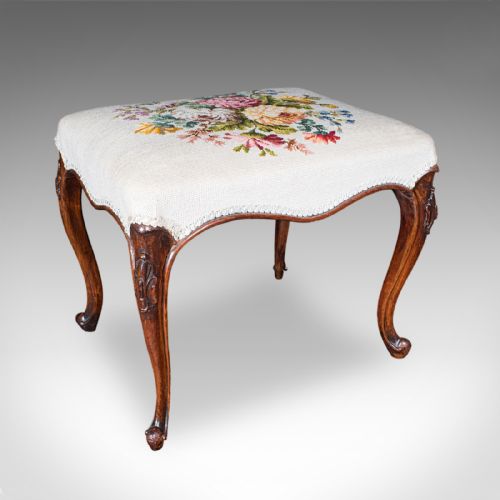
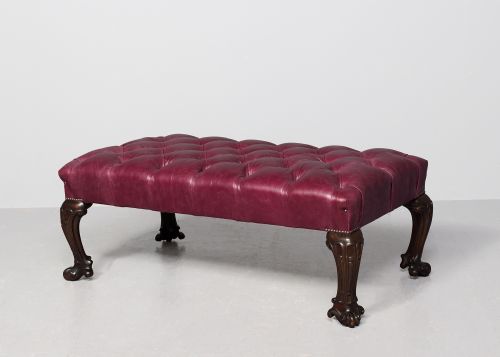
The most common examples on this page are footstools and window seats, frequently featuring deep buttoning, fabric upholstery, and turned or carved wooden supports mounted on castors. Originating across the nineteenth century, the pieces combine sturdy timber frames with soft textile surfaces.
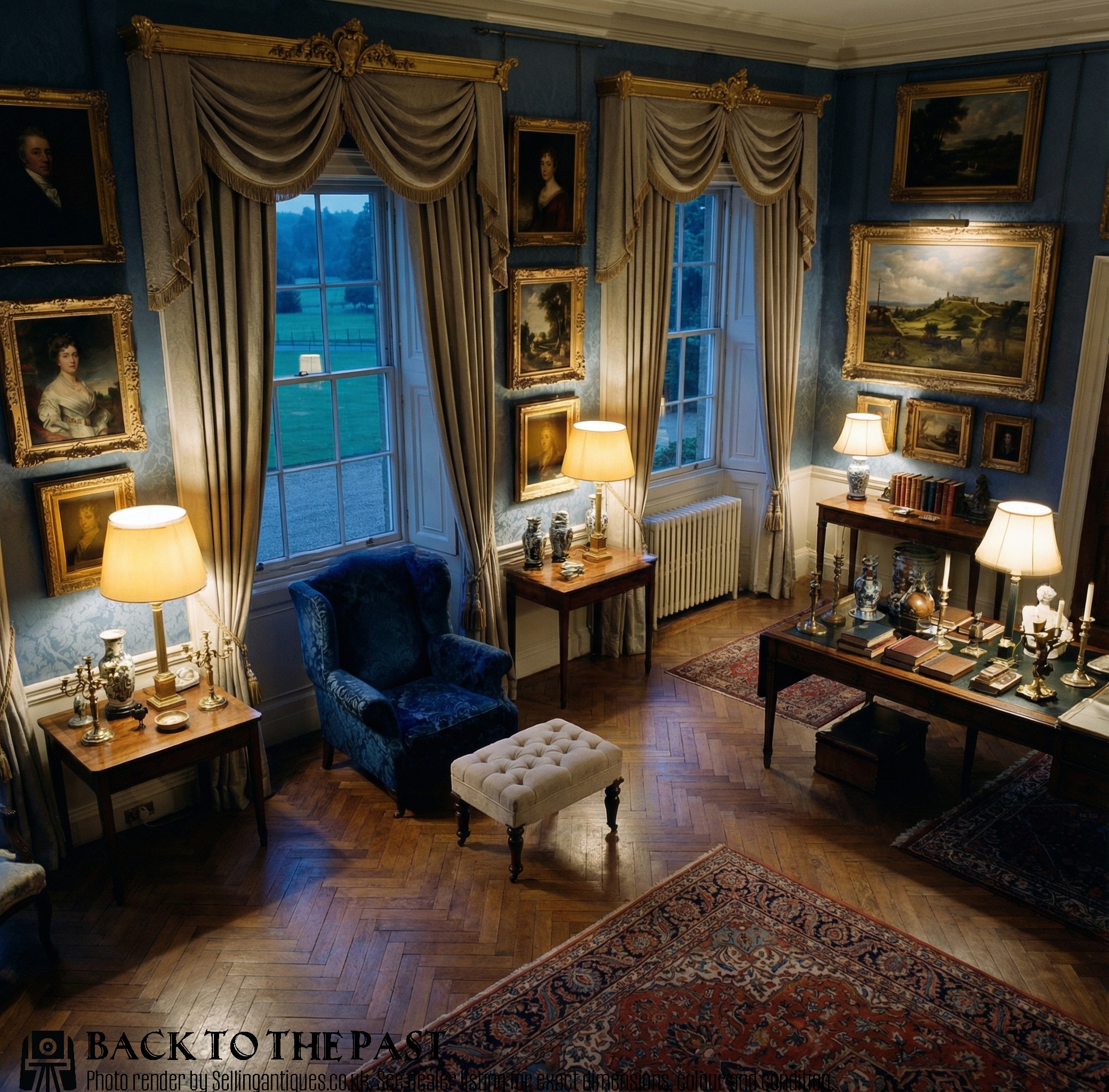
How they were made
The construction of these traditional upholstered ottoman forms relies on dense hardwoods such as mahogany and rosewood for the structural frames, often shaped in Victorian Rococo Revival, Queen Anne, or Grand Regency styles. Joinery and carved details define the wooden architecture before any padding is applied.
Textiles including wool, tapestry fabric, and general fabric upholstery cover the surfaces, frequently finished with textile braid and secured with brass elements. Deep buttoning techniques create distinct geometric patterns across the padded tops.
Retail Price Guide 2026
Typical UK retail prices for traditional upholstered ottoman, calculated from the Sellingantiques database of over a million retail prices indexed since 2003. This retail price guide relies exclusively on Sellingantiques data; no external sources or auction records are used, so the figures do not describe the wider market.
Materials span mahogany, rosewood, brass, wool, and tapestry fabric.
What varies in quality
The distinction between standard examples and superior traditional upholstered ottoman pieces lies in the choice of cabinet timber and the complexity of the frame carving. Rosewood and finely figured mahogany sit at the upper end, accompanied by elaborate stylistic flourishes like Rococo Revival curves.
Upholstery execution and decorative trim also dictate the standard of a piece, where hand-applied deep buttoning and quality tapestry fabrics or wools demonstrate greater craftsmanship than plain textile coverings.
The Traditional Upholstered Ottoman Glossary
- Victorian
- A period spanning the reign of Queen Victoria, characterised in these listings by ornate wood framing and deep buttoned upholstery.
- Mahogany
- A durable tropical hardwood utilised for sturdy furniture frames, prized for its deep reddish-brown grain.
- Rosewood
- A dense, heavily grained timber employed in higher-status Victorian seating and footstools.
- Castor
- A small wheel attached to the base of furniture legs, allowing heavy stools and window seats to move smoothly across floors.
- Deep buttoning
- An upholstery method where strings or twine pull the fabric tight into the padding to form a patterned grid of recessed points.
Frequently Asked Questions
What are traditional upholstered ottoman pieces?
These items encompass footstools, benches, and window seats originating from the nineteenth century.
They combine wooden frames of mahogany or rosewood with textile upholstery for domestic use.
How were traditional upholstered ottoman frames built?
Cabinetmakers shaped dense hardwoods into styles ranging from Queen Anne to Victorian Rococo Revival.
Brass details and textile braid often finish the edges of the padded surfaces.
Where should I place a window seat?
Open framed window seats suit placement beside low windows or at the foot of a bed.
Their compact bench form provides convenient seating without blocking natural light.
How do I identify a Victorian stool?
Victorian examples frequently feature deep buttoning on wool or tapestry fabric over rosewood or mahogany frames.
Many incorporate castors on the feet for ease of movement.