
Victorian Ottoman
A victorian ottoman brings a combination of hidden storage and deep upholstery to a room, serving equally as a seat and a low table.
Victorian Ottoman
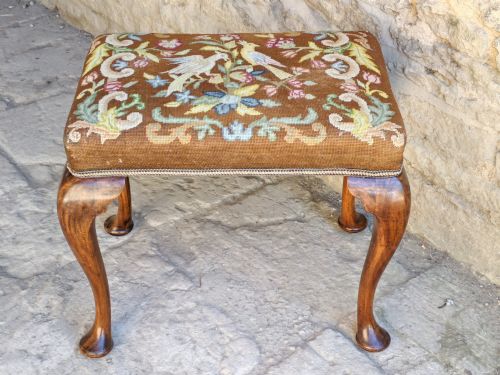
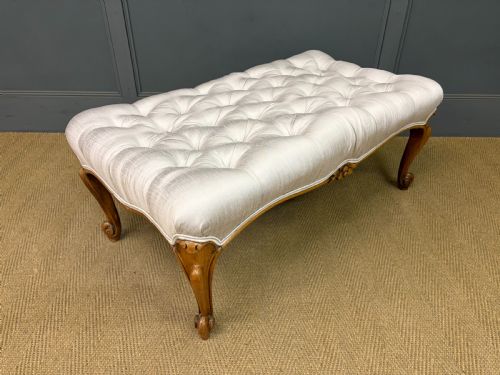
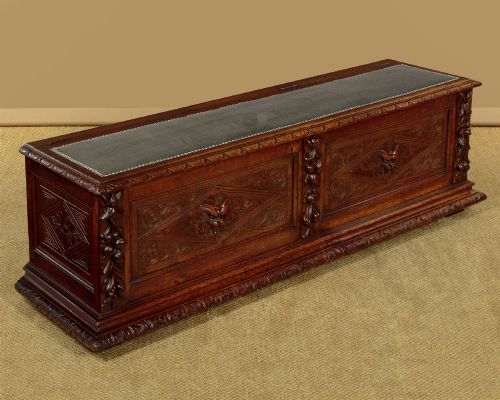
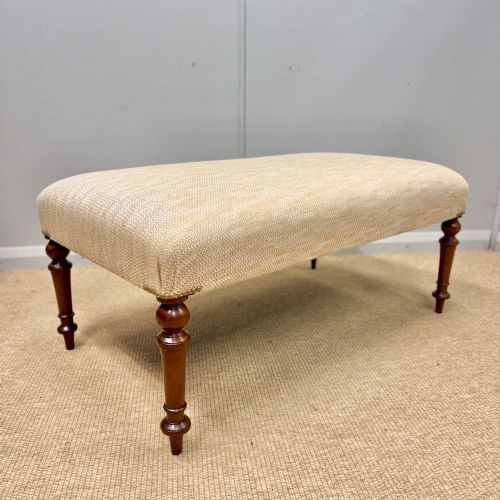
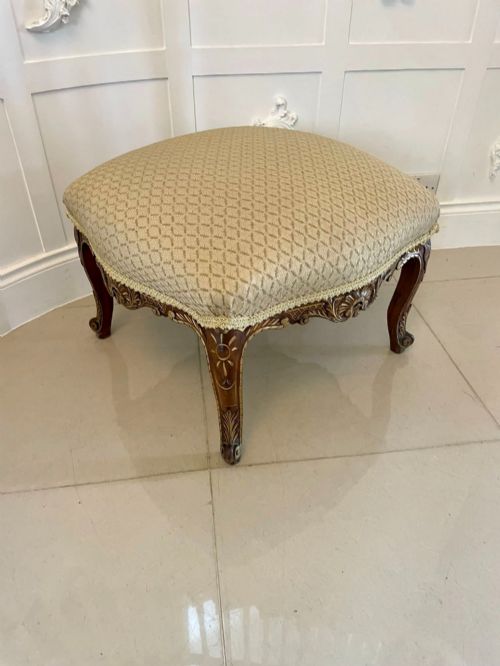
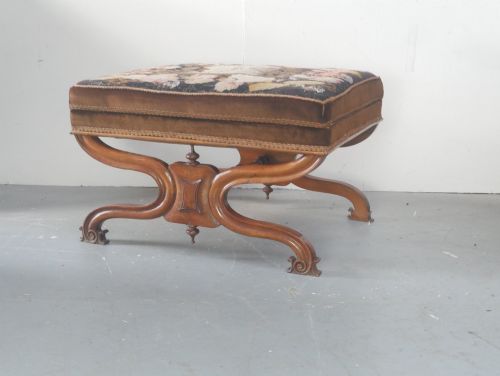
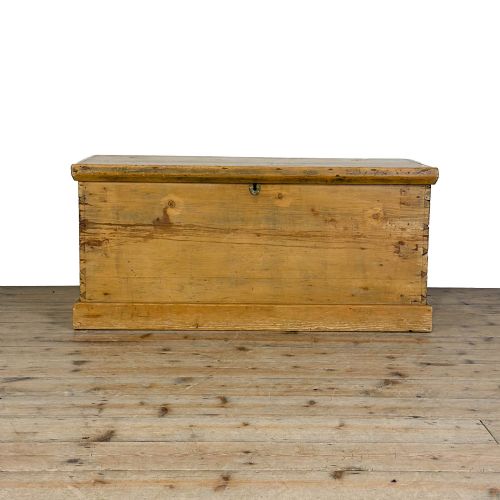
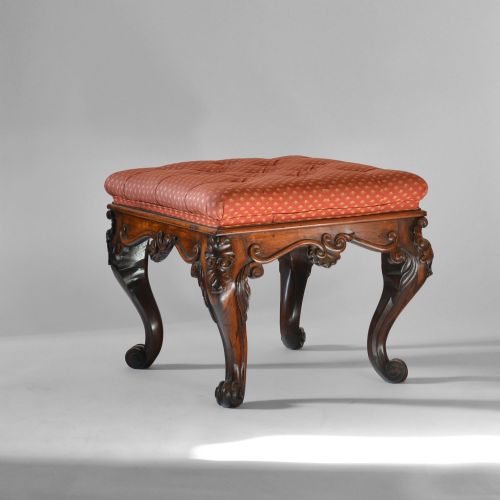
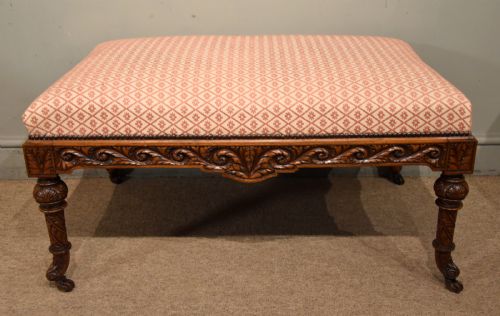
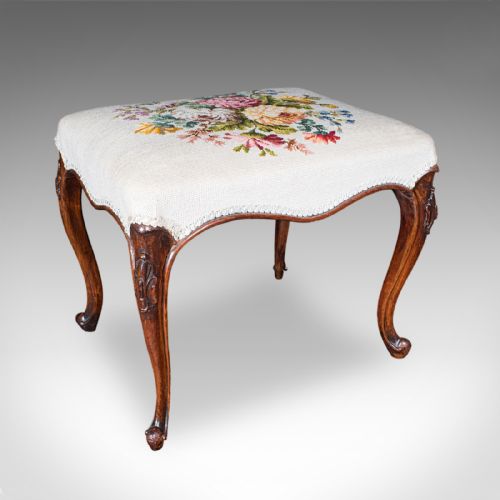
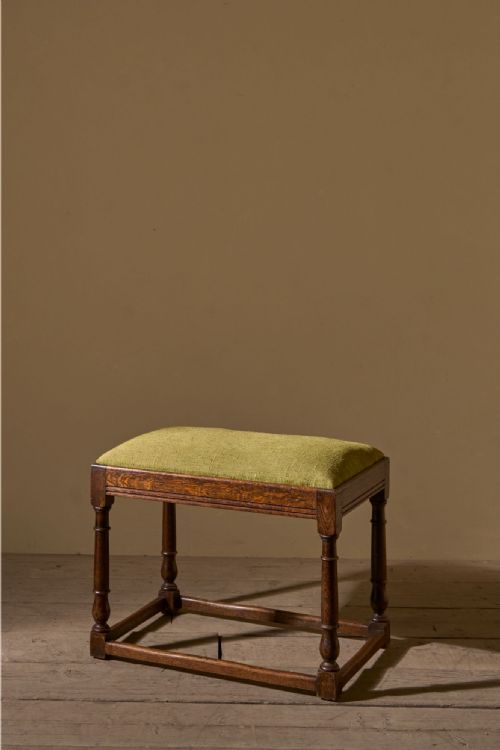
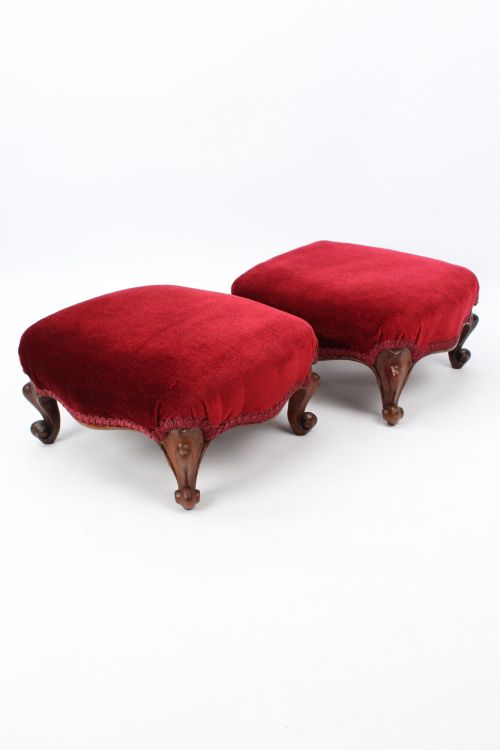
When searching for a victorian ottoman, buyers encounter pieces designed for utility and comfort, ranging from simple footstools to large box seats and day beds. The forms on this page include long stools, square upholstered seats, and lidded storage trunks.
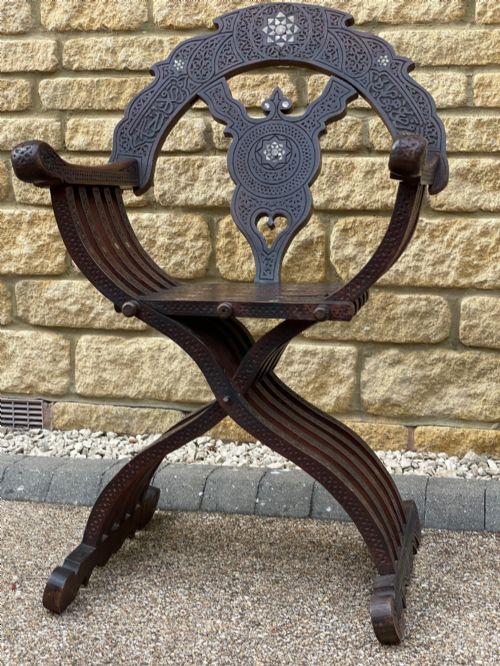
Makers of this era utilised solid timbers like walnut, mahogany, and rosewood to construct the frames, often pairing them with hinged seats that conceal storage compartments inside. Many examples survive from the nineteenth century, reflecting diverse revival styles from Queen Anne to Moorish designs.
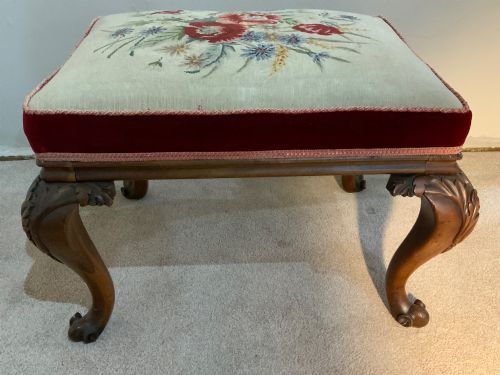
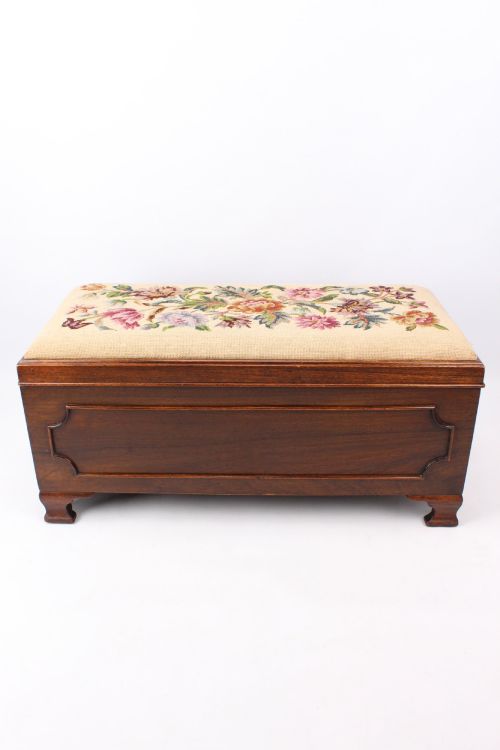
The version most commonly met here is the walnut or mahogany box ottoman, featuring padded upholstery in needlepoint, velvet, leather, or textile. These pieces function historically as dressing stools, window seats, and fireside footstools with internal space for blankets or sewing supplies.
Materials and Construction
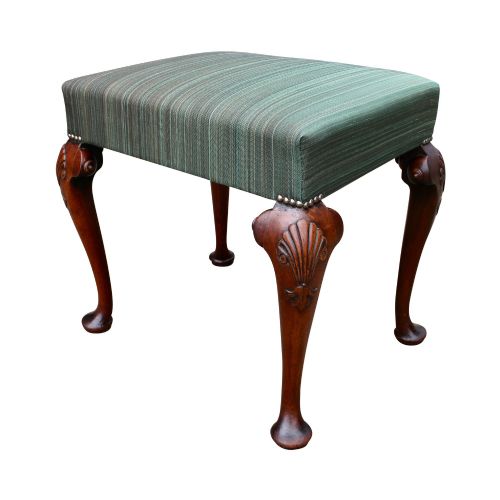
Carpenters built the structural frames using dense hardwoods like walnut, mahogany, and rosewood, frequently shaping the legs into cabriole forms or turning them on a lathe. Brass casters, hinges, and bindings frequently appear on camphorwood and mahogany storage trunks.
Upholsters layered textiles, horsehair, and webbing over the wooden bases before securing outer coverings of leather, silk, velvet, or needlepoint with metal tacks. Decorative elements include hand-carved woodwork, button-tufting, and inlaid mother of pearl or brass details.
Victorian Ottoman Retail Price Guide 2026
Typical asking prices for victorian ottoman among the pieces listed under this phrase on Sellingantiques today, from the lower quarter to the upper quarter. They describe what is for sale here now, not the wider market.
Listings feature walnut, mahogany, and rosewood frames paired with leather, velvet, and needlepoint upholstery.
Craftsmanship and Proportion
Quality rests in the weight and selection of the timber, where dense burr walnut or figured mahogany denote higher ambition than stained beech or pine. The crispness of hand-carved ornament on the legs and frame separates standard production from finer cabinet work.
The integrity of the internal storage box and the tightness of the joinery dictate the durability of the piece over time. Original upholstery materials and traditional stuffing methods also contribute significantly to the character and historical integrity of the item.
Gillows
The Victorian Ottoman Glossary
- Ottoman
- A low, upholstered seat or bench without arms or a back, frequently constructed with a hinged lid to provide internal storage. These pieces were popular in nineteenth-century drawing rooms and bedrooms.
- Cabriole leg
- A furniture leg that curves outward at the knee and tapers inward toward the ankle, ending in a pad or scroll foot. This shape derives from ancient Chinese designs and reappeared during revival periods.
- Needlepoint
- A type of canvas work embroidery stitched in uniform counts using wool or silk threads. Victorian makers applied these decorative textiles heavily to the seats of stools and footstools.
- Camphorwood
- An aromatic Asian timber prized for its insect-repellent properties and distinct scent. Cabinet makers used this wood for campaign chests and storage trunks shipped to Britain.
Victorian Ottoman: Frequently Asked Questions
What is a victorian ottoman used for?
These pieces served multiple domestic functions in nineteenth-century homes, acting as seating, footrests, and hidden storage containers for textiles or personal items. Many designs placed the compartment beneath a hinged, padded lid covered in leather or needlework.
Today, owners utilise them as flexible living room furniture, often pairing large square or long formats with low tables or placing them at the foot of a bed.
How do I identify a Victorian piece?
Identification relies on examining the timber species, construction methods, and hardware style. Nineteenth-century frames typically employ dense hardwoods like walnut and mahogany, joined with traditional techniques rather than modern screws.
Upholstery styles, turned wooden legs, and the presence of hand-carved details or brass castors further help date the item to the Victorian era.
Are storage ottomans original?
Many surviving examples were built specifically as lidded box seats or workboxes to store sewing materials, blankets, or footwear. Cabinet makers integrated hinged tops into mahogany and camphorwood frames precisely for this concealed utility.
Buyers should inspect the interior lining and hinge mechanisms to confirm whether the storage compartment forms an original part of the construction.
How do I care for antique upholstery?
Maintenance requires gentle cleaning methods appropriate to the specific textile, whether that involves leather, velvet, needlepoint, or plain fabric. Keeping pieces out of direct sunlight prevents the fading of natural dyes and the drying of historical leather.
Regular dusting with a soft brush preserves the fibres of antique textiles without damaging the underlying stuffing or wooden frame.