
Cream Upholstered Footstool
A cream upholstered footstool brings period elegance and quiet comfort to a room, drawing on centuries of craftsmanship in wood and textile.
What these pieces are
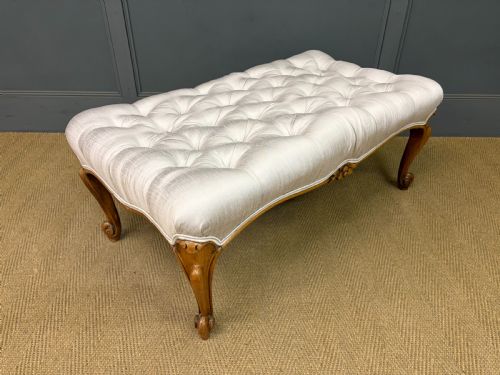
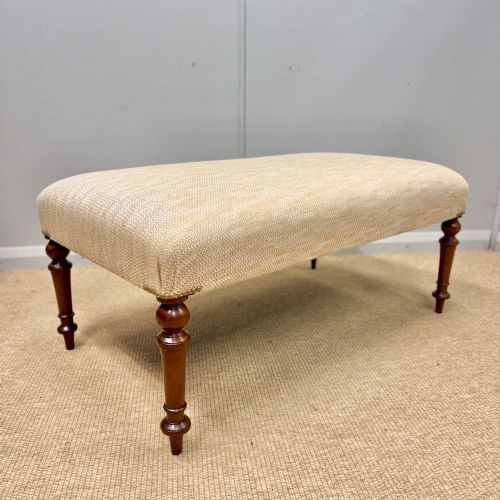
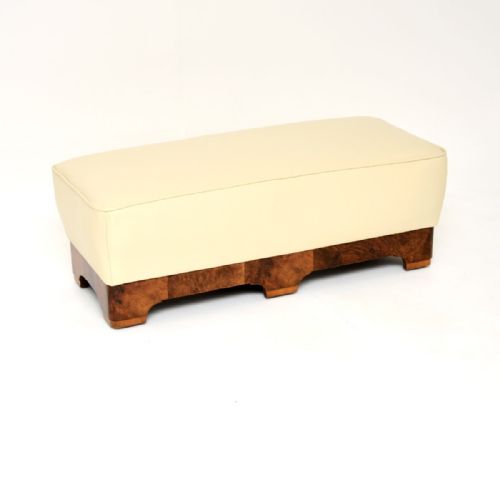
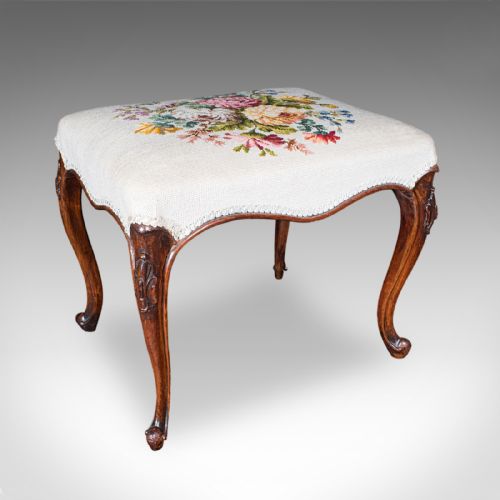
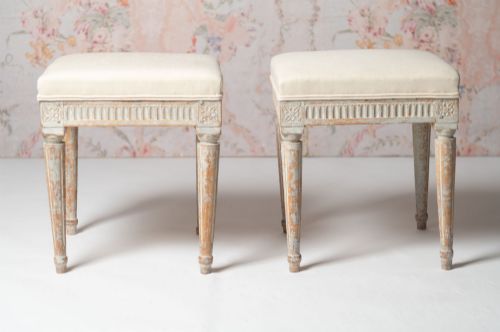
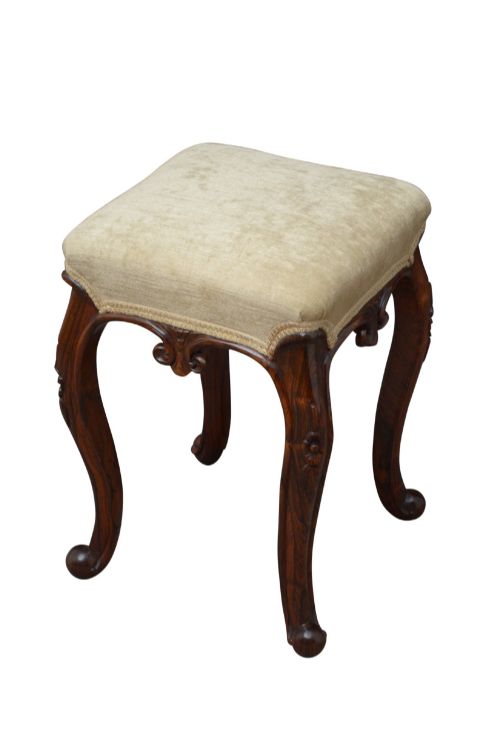
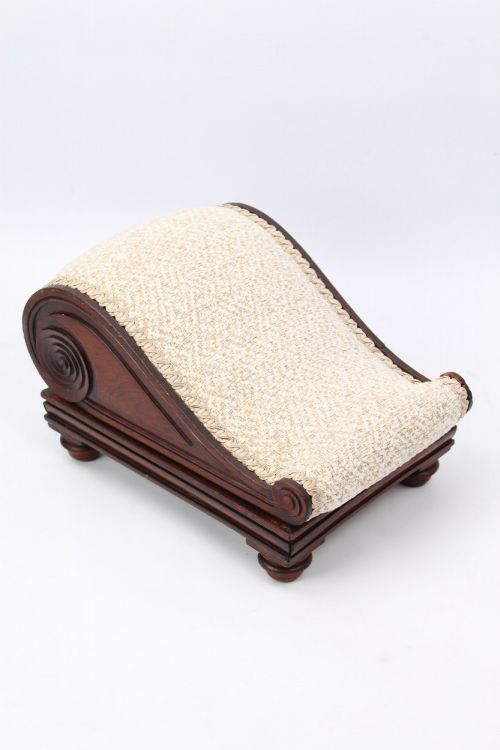
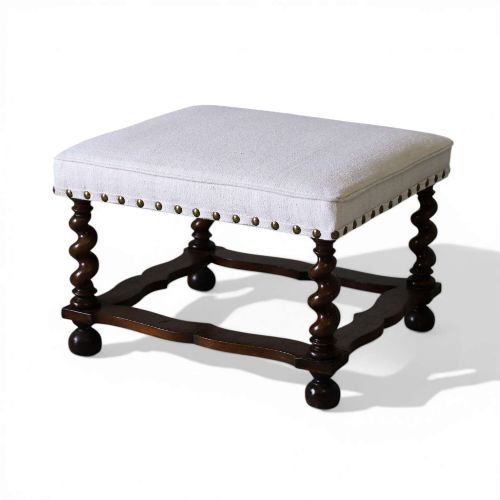
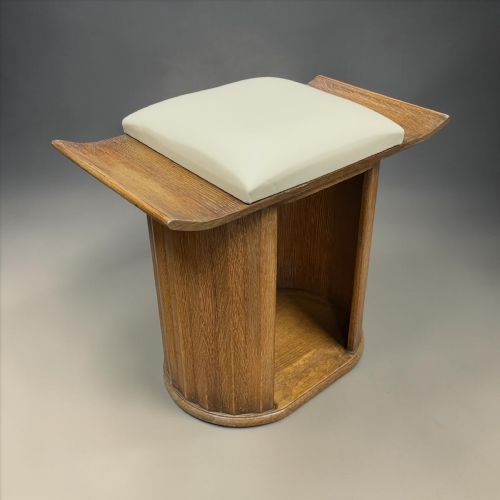
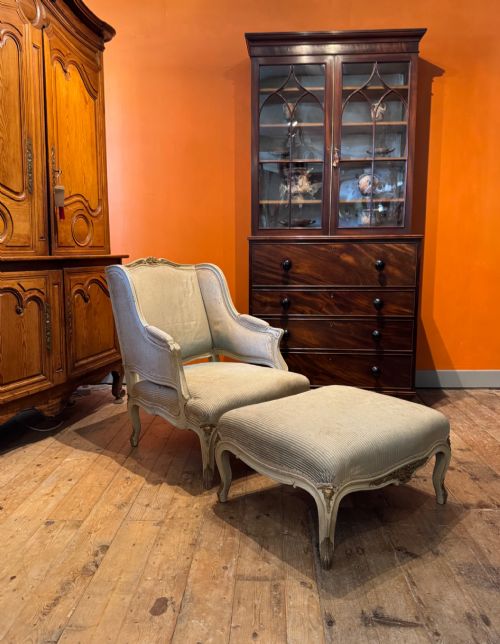
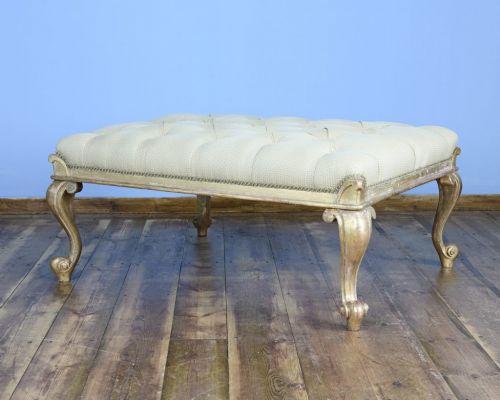
A cream upholstered footstool encompasses dressing stools, footstools, and low seating designed for comfort and interior decoration. These pieces arrive in various historic guises, ranging from simple nineteenth century designs to elaborate revival forms.
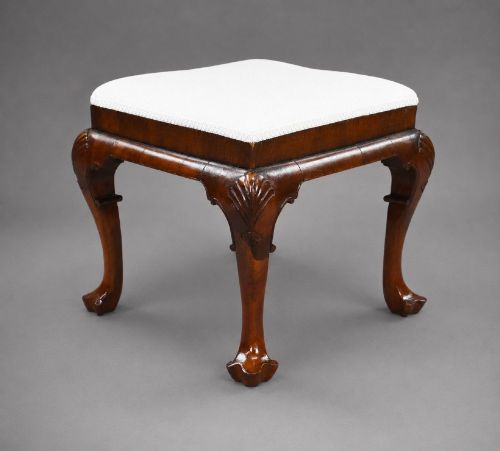
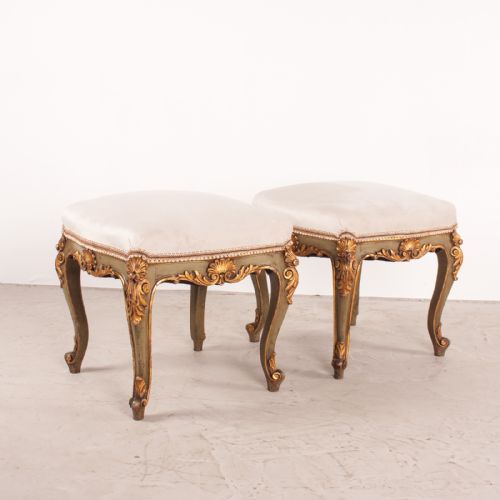
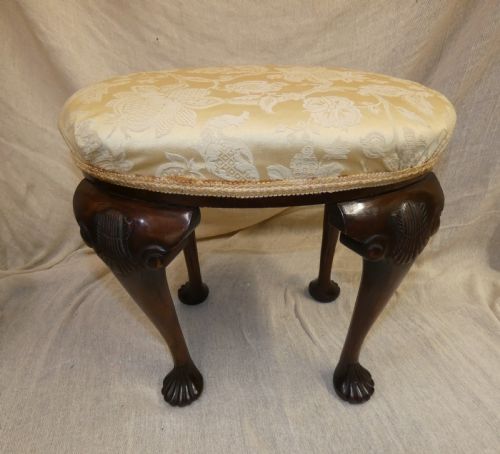
The selection on this page demonstrates several distinct stylistic revivals alongside true period pieces. Buyers encounter forms drawing inspiration from Georgian, Queen Anne, and Chippendale aesthetics, as well as distinct French Chateau influences.
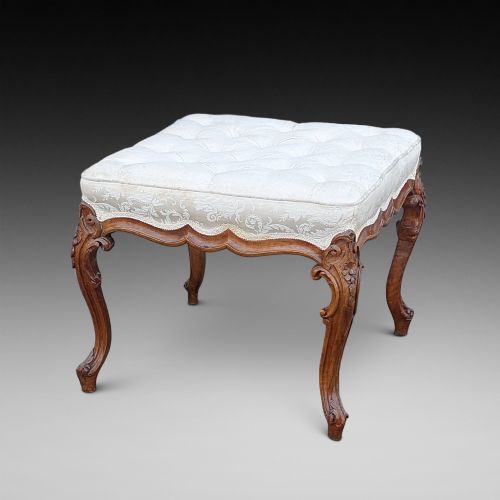
Framing materials shift between rosewood, walnut, mahogany, giltwood, and painted wood, each supporting the central pale fabric upholstery. Makers historically produced these items to complement larger drawing room or bedroom ensembles.
How they were made
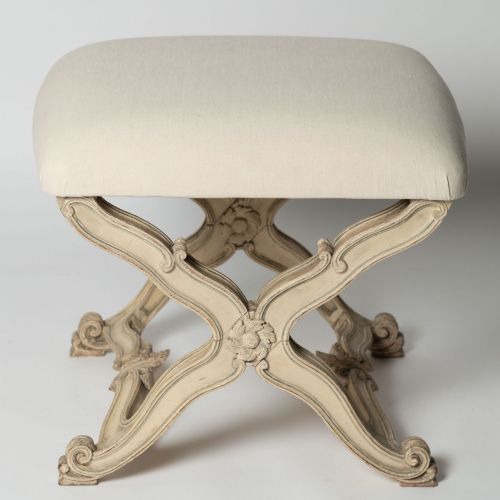
Craftsmen built the structural frames using hardwoods such as rosewood, walnut, and mahogany, often shaping the timber into cabriole legs or curule X frames. Carved detailing frequently appeared on the knees and rails, reflecting prevailing tastes of the Regency, Victorian, and Edwardian eras.
Upholstery involved stretching durable fabrics like linen over internal padding secured to the wooden base. Giltwood and painted finishes added a decorative layer to surfaces intended for formal interior settings.
Retail Price Guide 2026
Typical UK retail prices for cream upholstered footstool, calculated from the Sellingantiques database of over a million retail prices indexed since 2003. This retail price guide relies exclusively on Sellingantiques data; no external sources or auction records are used, so the figures do not describe the wider market.
Current listings feature rosewood, walnut, and mahogany frames paired with fabric and linen upholstery.
What varies in quality
Quality rests primarily in the integrity of the timber frame and the precision of the carved details. Hand-carved elements on walnut and rosewood show greater definition than later machine-produced alternatives.
The sophistication of the form dictates distinction, with architectural X frames and curule designs requiring greater joinery skill than standard rectangular stools. Original timber patination further separates standard examples from exceptional survivals.
Miles & Edwards
The Cream Upholstered Footstool Glossary
- Cabriole leg
- A furniture leg that curves out and then in, resembling the leg of an animal. This classic form frequently terminates in pad or claw and foot designs.
- Curule frame
- An X shaped frame derived from ancient Roman magistrate seats. This design provides structural stability while offering a dramatic silhouette.
- Giltwood
- Timber coated with a thin layer of gold leaf or powder. It provides a luminous finish common in French Chateau and decorative revival pieces.
- Regency style
- Design influenced by the British Regency era and early nineteenth century classical revivals. It emphasises clean lines and archaeological motifs.
Frequently Asked Questions
What periods do these footstools date from?
The pieces span from the Regency era through the nineteenth century and into the early twentieth century. Later examples often adopt revival styles inspired by earlier centuries.
Craftsmen drew upon Georgian, Queen Anne, and Chippendale aesthetics during these later periods to create traditional seating forms.
How were these stools used historically?
These items served primarily as footstools or low seating in dressing rooms and formal drawing rooms. They provided comfortable support when seated on heavier period chairs.
Dressing stools were specifically paired with dressing tables, offering a stable and decorative seat for daily grooming routines.
What woods are commonly found in the frames?
Frames are constructed from dense hardwoods including rosewood, walnut, and mahogany. These timbers provided the necessary strength for carved legs and supportive rails.
Some pieces also feature giltwood or painted wood surfaces, reflecting distinct continental and decorative revival tastes.
How do I identify a revival piece?
Revival items incorporate design vocabulary from earlier eras, such as Georgian or Chippendale motifs, produced during the late nineteenth or early twentieth century. Wood choice and construction methods help indicate the actual manufacturing date.
Comparing the carving depth and timber finish against known period originals clarifies whether a piece is a later stylistic interpretation.