

Carved Wood Ottoman
A carved wood ottoman brings texture and low, solid seating to a room, offering both a functional footrest and a decorative focal point.
Carved Wood Ottoman
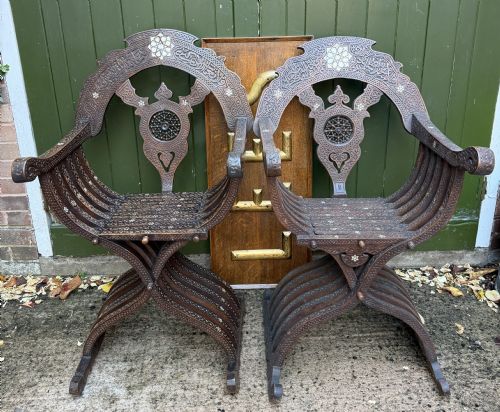
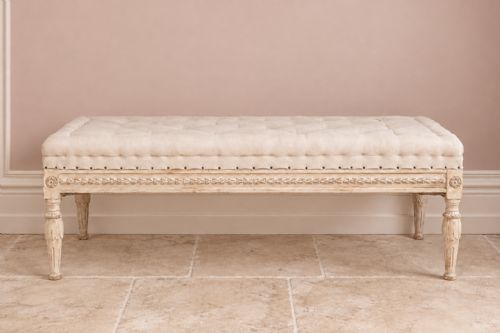
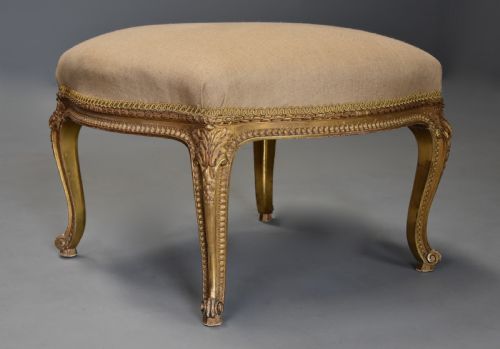
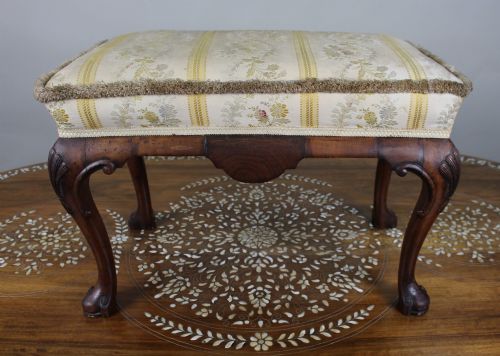
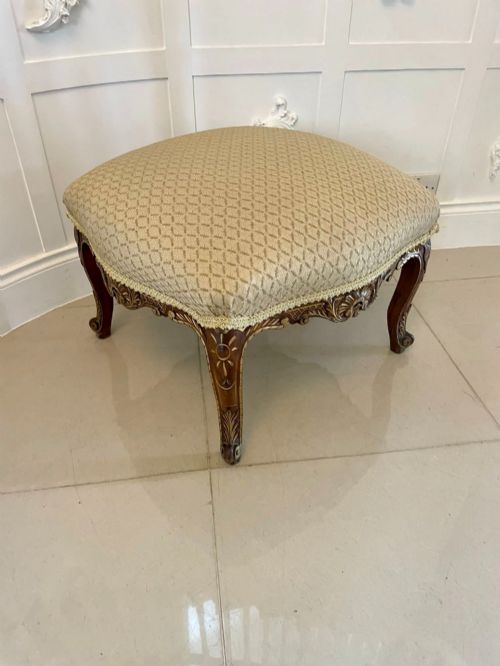
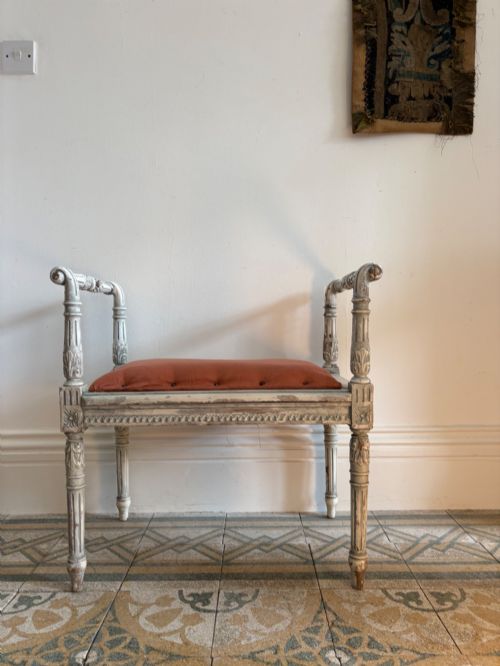
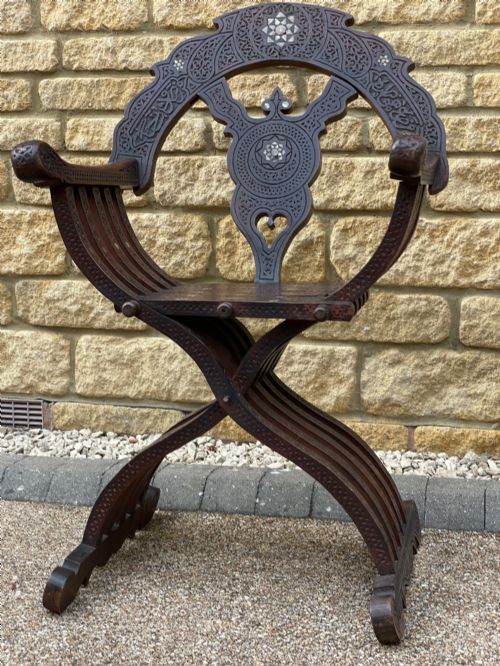
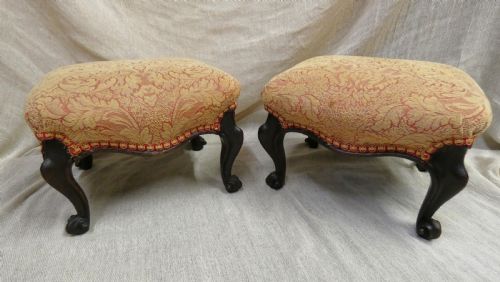
You are most likely to meet nineteenth-century Victorian examples, alongside Middle Eastern and Syrian interpretations featuring intricate geometric patterns. Formats range from simple mahogany footstools to grander walnut and giltwood designs with needlepoint or silk upholstery.
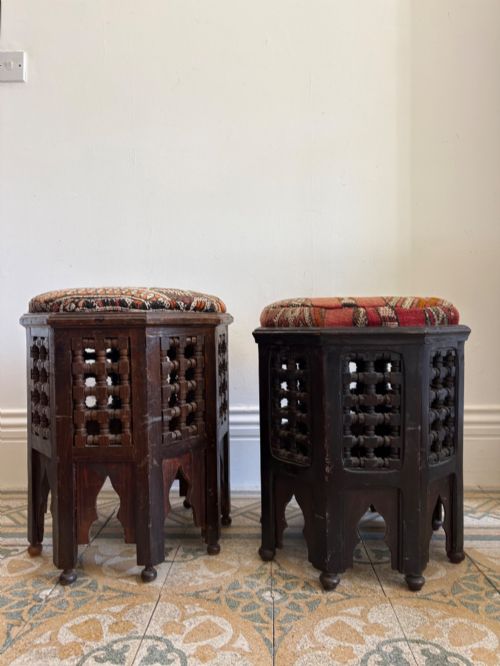
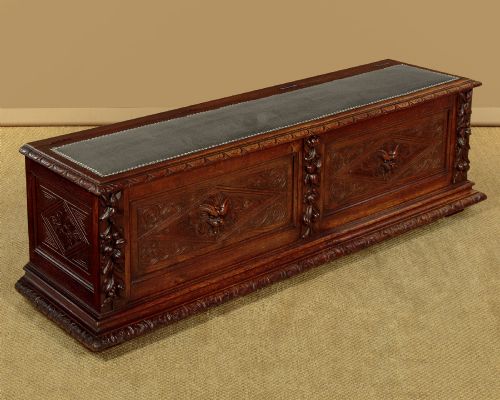
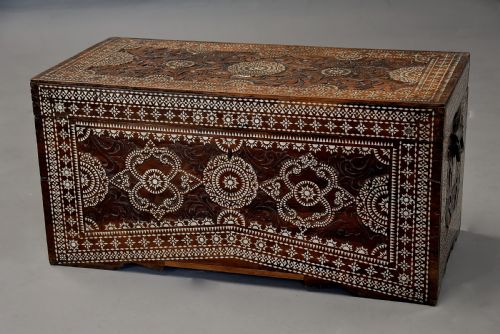
The category also encompasses occasional side tables and trunks that share the characteristic carved wooden structure. These items reflect diverse regional tastes, moving from English revival styles to continental and Moorish aesthetics.
How they were made
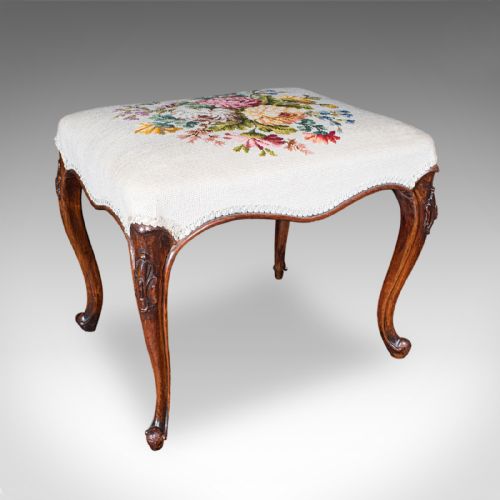
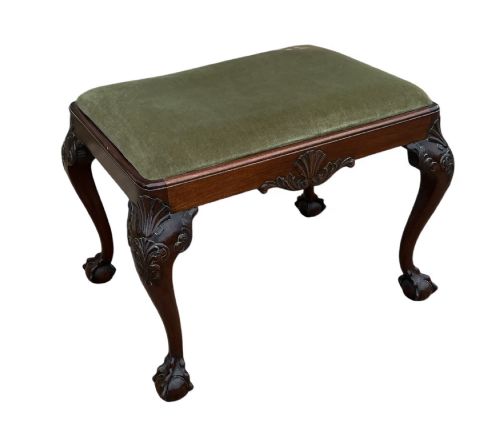
Cabinetmakers utilised dense timbers such as walnut, mahogany, and rosewood to build the structural frames, often shaping the wood with cabriole legs or barley-sugar turnings. These hardwoods provided the necessary strength for seating and supported deep relief carving.
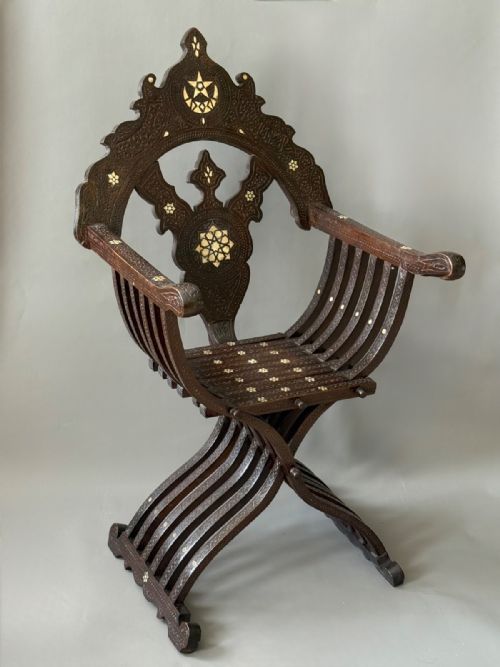
Surface decoration frequently incorporated intricate inlay work using mother of pearl, bone, and contrasting woods to create complex geometric motifs. Upholstered elements relied on traditional stuffing techniques, finished with textiles ranging from needlepoint and silk to simple woven fabrics.
Carved Wood Ottoman Retail Price Guide 2026
Typical asking prices for carved wood ottoman among the pieces listed under this phrase on Sellingantiques today, from the lower quarter to the upper quarter. They describe what is for sale here now, not the wider market.
Materials span walnut, mahogany, rosewood, brass, giltwood, mother of pearl, and bone across the nineteenth and twentieth centuries.
What varies in quality
The standard of a piece depends heavily on the depth and crispness of the wood carving, where hand-chiselled detailing far surpasses shallow mechanical shaping. Superior examples display tight joinery in the frame and thoughtful grain selection in the timber.
Inlaid versions are distinguished by the precision of the fit between the mother of pearl or bone and the surrounding wood. Finer items retain their original upholstery materials and stable internal stuffing rather than modern replacements.
Miles & Edwards·Liberty & Co
The Carved Wood Ottoman Glossary
- Cabriole leg
- A furniture leg that curves outward at the knee and tapers inward toward the foot, mimicking animal limbs. This form appeared frequently on eighteenth and nineteenth-century seating.
- Moorish Revival
- An architectural and decorative style popular in the nineteenth century, characterised by horseshoe arches and intricate geometric inlays. Pieces from this tradition often use mother of pearl and bone.
- X-frame
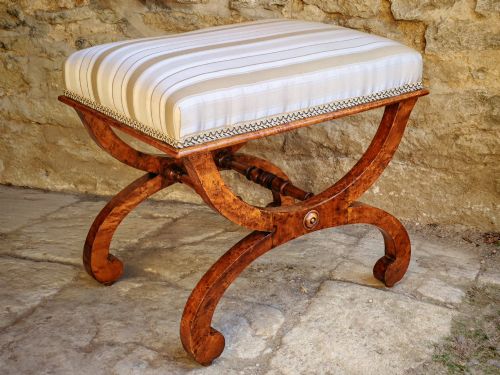
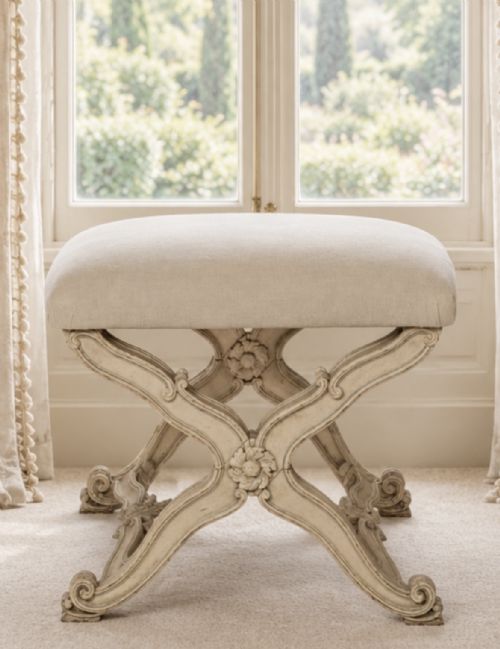
- A structural support formed by intersecting wooden members shaped like the letter X. This design underpins curule stools and foldable seating.
- Giltwood
- Wood that has been coated with a thin layer of gold leaf or gilt powder for decorative effect. It appears on revival and continental furnishings.
- Needlepoint
- A type of canvas work embroidery used historically for durable upholstery on stools and fireside seats. It adds colourful texture to the wooden frame.
Carved Wood Ottoman: Frequently Asked Questions
What is an ottoman used for?
These pieces serve primarily as footstools, low seats, or small benches placed beside firesides and dressing tables. Some variants include hinged lids to provide discreet storage space for blankets or small items.
Their compact size allows them to move easily around a room as flexible seating options. In historic interiors, they functioned as comfortable rests during long periods of sitting.
How do I date a carved wooden stool?
Dating relies on identifying the underlying timber, the style of the legs, and the construction methods used in the frame. Eighteenth-century examples often display simpler mahogany or walnut profiles, while Victorian pieces lean toward heavier carving and revival styles.
Examination of the fixings and the wear on the wooden feet also provides clues to the age. Comparing the decorative motifs, such as Moorish inlays or Rococo scrolls, against known period trends helps narrow down the decade.
Are these pieces suitable for daily use?
Most antique stools and low seats remain sturdy enough for regular sitting, provided the wooden frame and joints are stable. Delicate inlays or silk upholstery require gentle care and are better suited to lighter traffic areas.
Placing them away from direct heat sources helps prevent the timber from warping and the glue from drying out. Periodic checks of the structural joints ensure the piece remains safe for everyday seating.
How do I clean mother of pearl inlay?
Cleaning requires a soft, dry cloth to remove dust from the recessed grooves of the wood and the shell. Moisture can damage both the organic inlay and the surrounding timber, so liquids should be avoided.
If deeper cleaning is necessary, a slightly damp cloth followed immediately by a dry one will protect the surface. Regular dusting prevents particle buildup in the intricate geometric channels.