


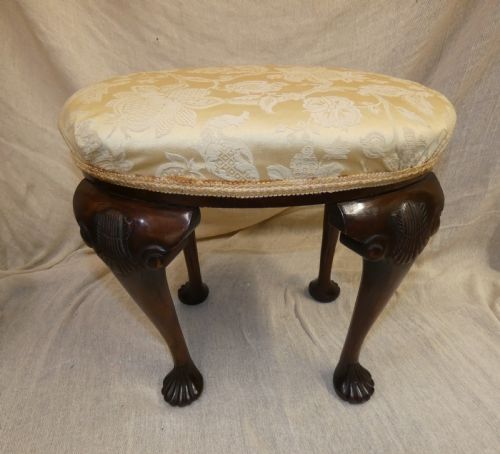
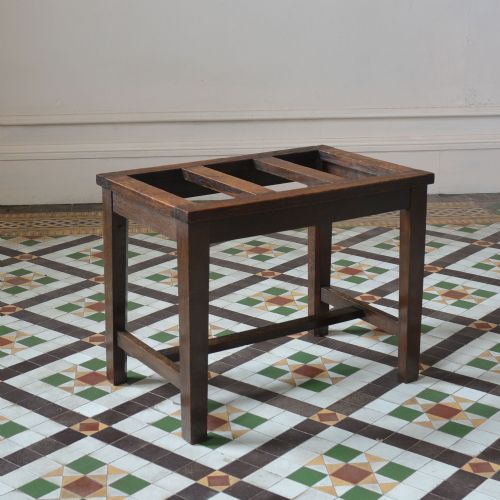

Antique Bedroom Stool
An antique bedroom stool brings practical comfort and period character to a dressing space, ranging from low footstools to elegant window seats.
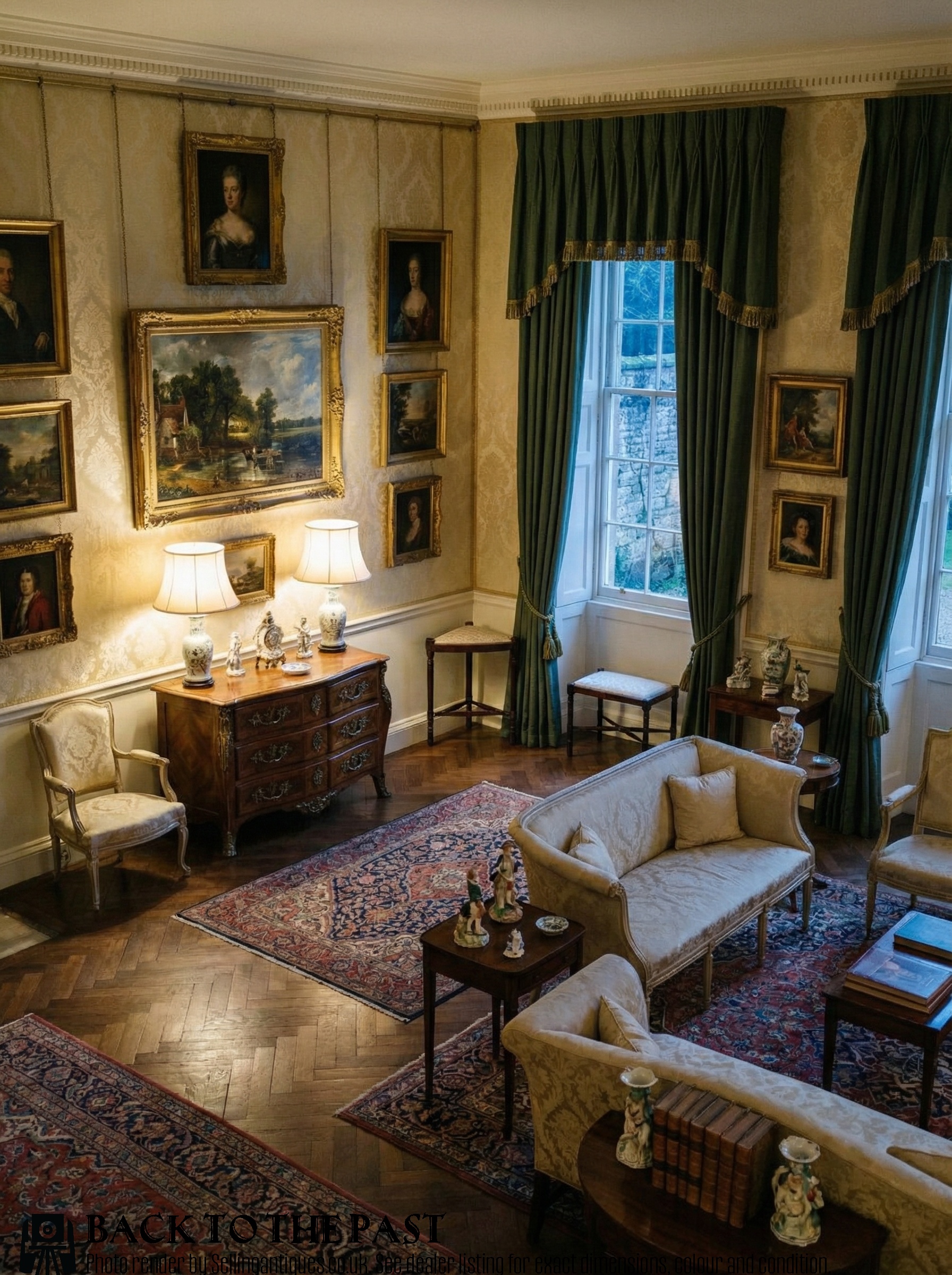
Antique Bedroom Stool
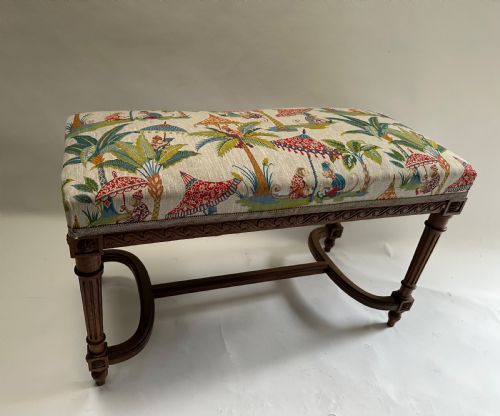
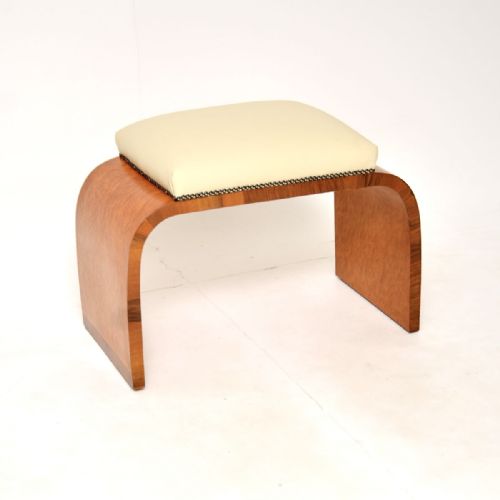
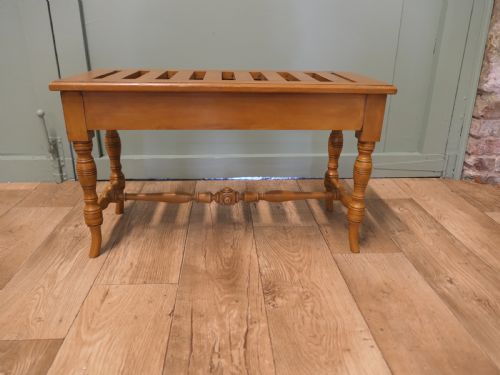
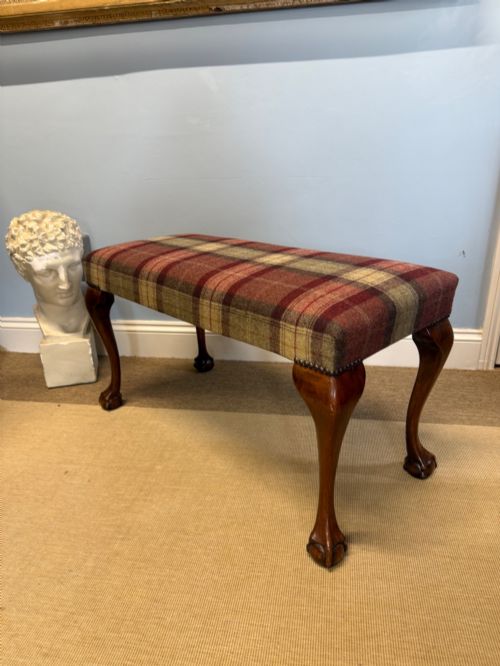
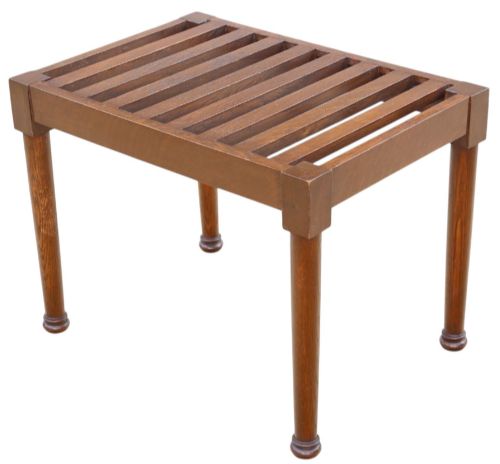
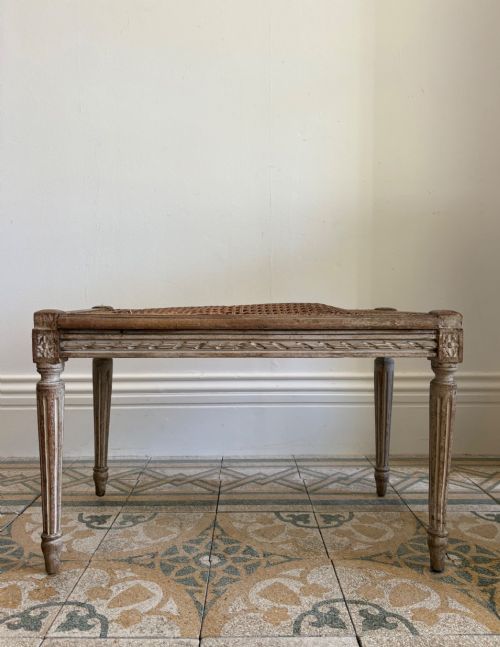
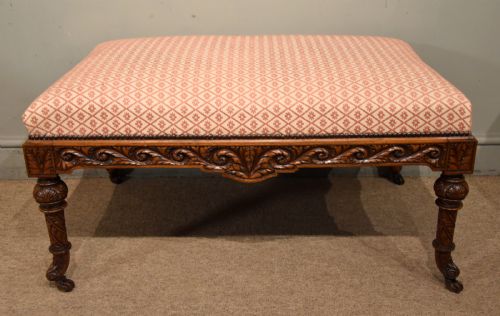
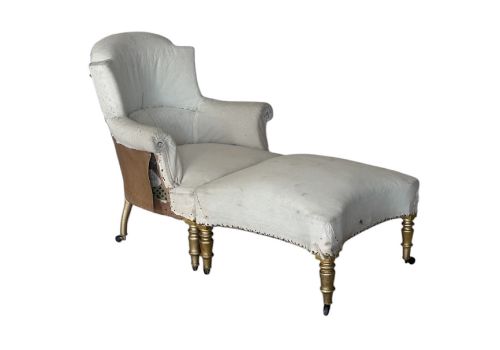
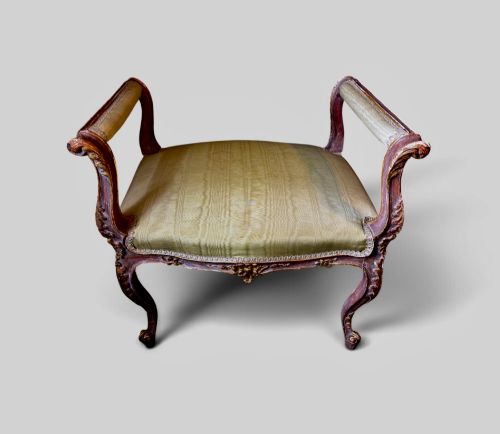
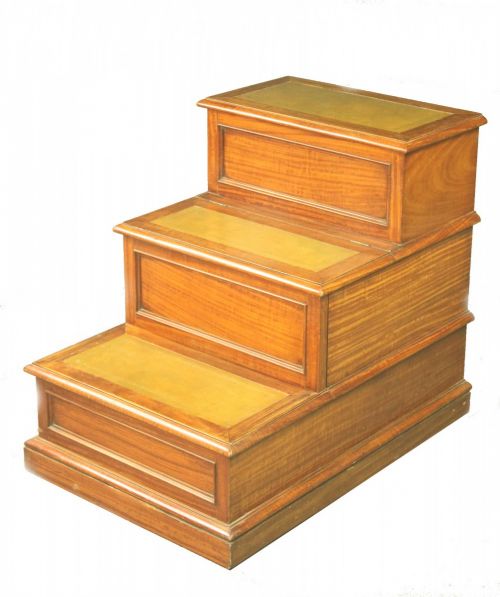
An antique bedroom stool serves several practical purposes in private chambers, appearing most frequently as low dressing table seats, footstools, and supportive benches placed at the foot of a bed. Buyers searching for an antique bedroom stool encounter various functional forms, including dedicated luggage racks, window seats, and duet stools designed for shared seating.
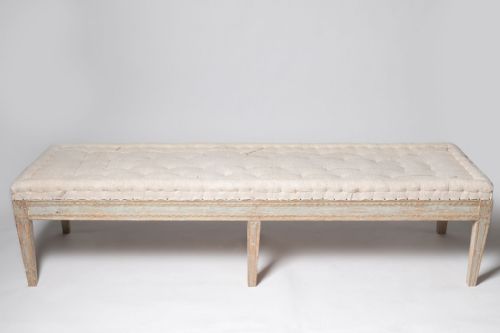
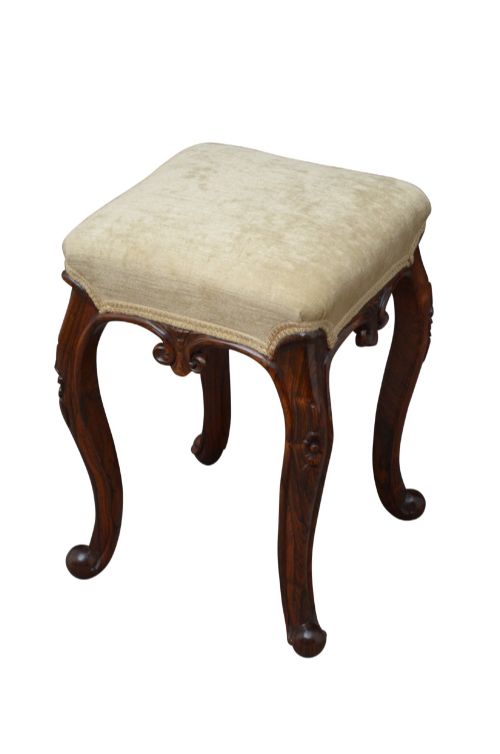
The pieces on this page span the nineteenth and early twentieth centuries, capturing Victorian, Edwardian, and Art Deco domestic tastes. Common configurations include compact dressing stools with cabriole legs alongside longer walnut or mahogany window seats upholstered in contemporary fabrics or traditional linen.
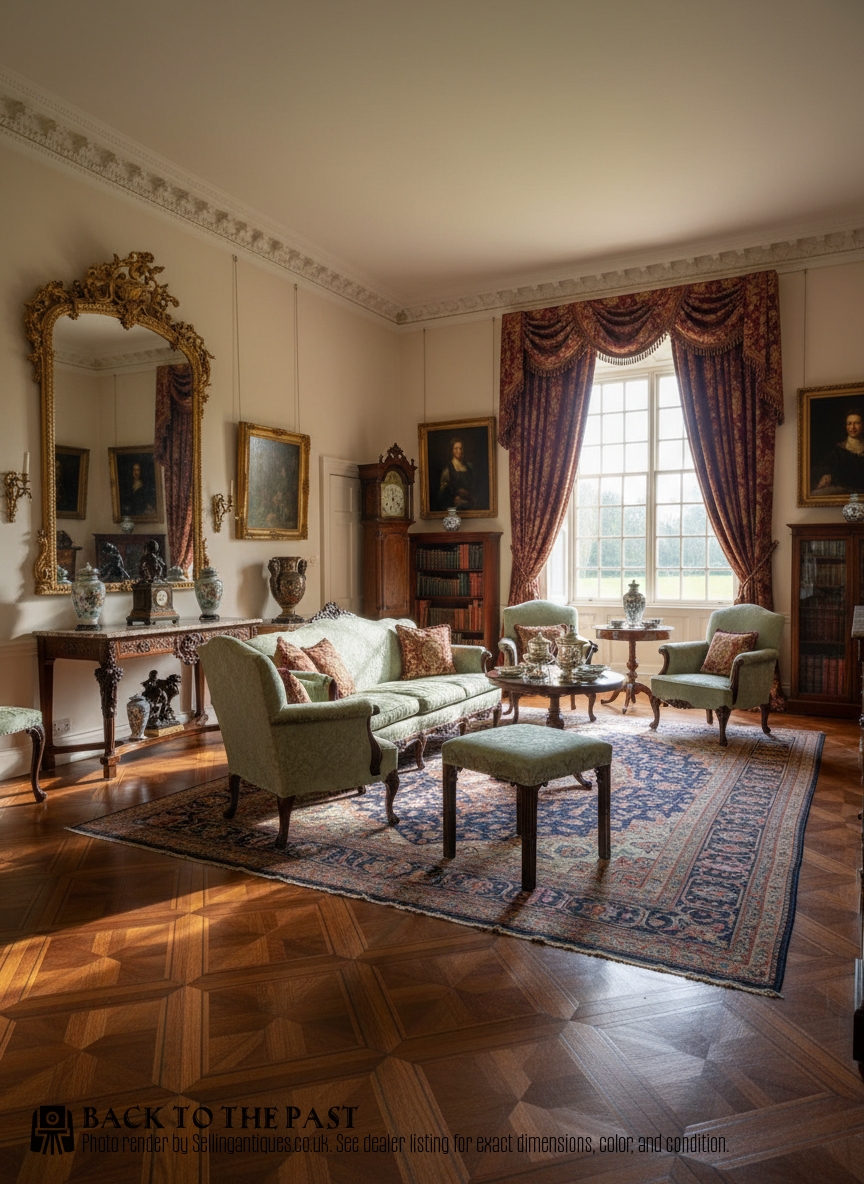
Timeless construction and materials
Cabinetmakers constructed these seating pieces using dense timbers such as mahogany, walnut, rosewood, and satinwood, often shaping the frames with carved cabriole legs, twist turnings, or cross stretchers. Decorative giltwood and ebonised finishes appear on French and English pieces, reflecting revival styles from Louis XVI to Regency aesthetics.
Upholstery forms a vital component of the construction, utilising traditional webbing and stuffing beneath textiles ranging from velvet and silk to needlepoint and plain linen. Frame joinery relies on secure mortise and tenon techniques, ensuring stability across both lightweight dressing stools and heavy luggage stands.
Antique Bedroom Stool Retail Price Guide 2026
Typical asking prices for bedroom stool among the pieces listed under this phrase on Sellingantiques today, from the lower quarter to the upper quarter. They describe what is for sale here now, not the wider market.
Some luggage stands doubled as impromptu dressing seats for weary travellers unpacking heavy wool trunks after long train journeys.
Distinctions in craftsmanship
Quality rests upon the crispness of the woodwork carving, the selection of figured timbers like burr walnut or satinwood, and the structural integrity of the frame. Superior examples display precise joinery, well-defined proportions, and original decorative elements without excessive replacement of core structural timbers.
The standard of upholstery and the choice of covering fabric also dictate the finish of a piece. Finer stools retain sympathetic or high-grade textile coverings that complement the period of the wooden frame rather than masking poor underlying structure.
The Antique Bedroom Stool Glossary
- Window seat
- A long, narrow bench designed specifically to fit into a window recess or serve as a flexible foot-of-bed seat. These pieces often feature scrolled ends or arms rather than full backs.
- Luggage rack
- A low folding or rigid stand fitted with horizontal straps or slats, historically used in guest bedrooms for holding trunks and travel bags. They offer sturdy wooden frames combined with practical upper surfaces.
- Duet stool
- An extended bench designed to seat two people simultaneously, frequently encountered in music rooms and dressing spaces. They provide greater length than standard single-person stools while maintaining matching stylistic details.
- Cross stretcher
- Wooden reinforcing bars connected diagonally between the legs of a table or stool to add structural rigidity. They often incorporate a central finial or turning for added decoration.
Antique Bedroom Stool: Frequently Asked Questions
How do I use a bedroom stool?
These versatile pieces suit placement directly in front of a dressing table, beside a wardrobe, or positioned at the foot of a bed for resting garments.
Longer window seats also function effectively in hallways or living spaces as supplementary low seating.
Are these stools comfortable to sit on?
Many dressing stools feature padded upholstered tops designed for comfortable daily use during grooming routines.
Firmness varies depending on whether the internal stuffing uses traditional horsehair or modern foam replacements during professional restoration.
How do I date a wooden stool?
Dating relies on identifying the prevailing stylistic cues, such as Victorian cabriole legs, Edwardian satinwood inlay, or streamlined Art Deco walnut forms.
Examining the underside construction, screw types, and timber patination also helps determine the exact period of manufacture.
Can I place a luggage rack in a modern bedroom?
Sturdy luggage racks provide practical luggage storage for guest bedrooms while introducing rich mahogany, oak, or brass period details.
Their compact footprints make them easy to integrate into modern interior layouts without overwhelming smaller floor spaces.