




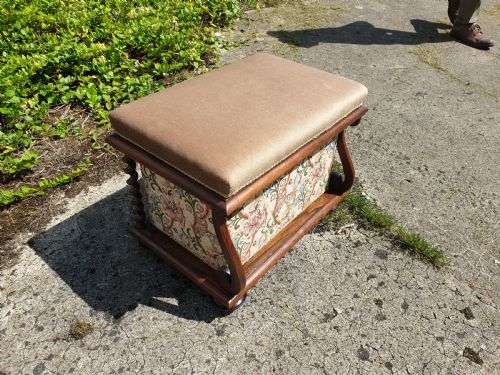
Antique Rosewood Ottoman
These antique rosewood ottoman pieces bring tactile warmth and solid timber grain to a room, offering practical seating paired with hidden internal storage.
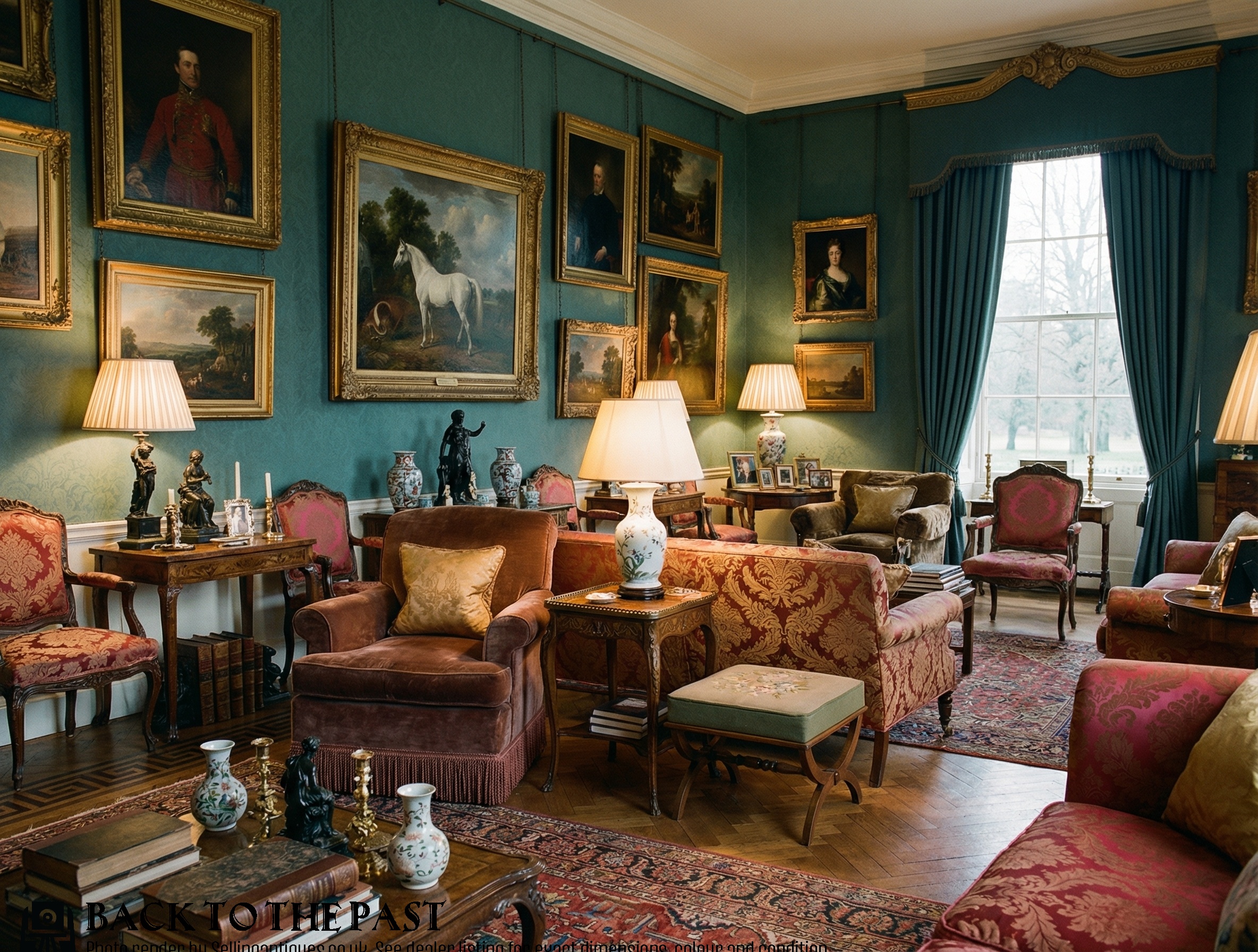
Antique Rosewood Ottoman
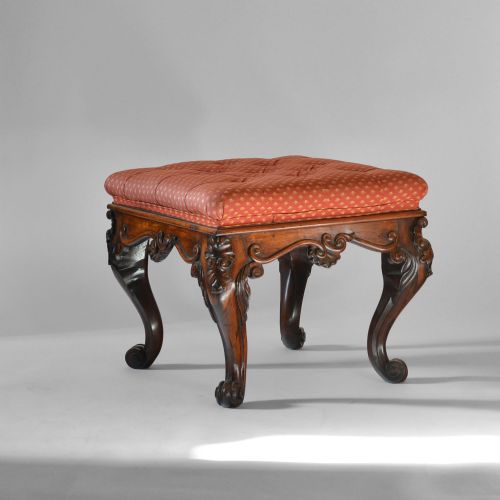
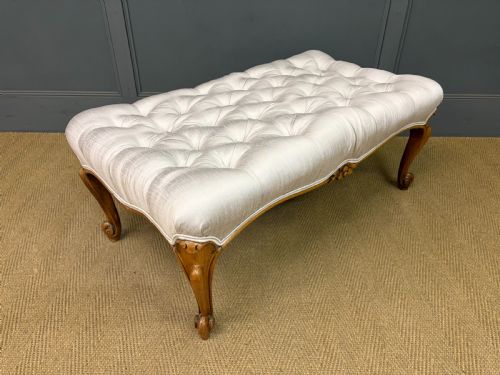
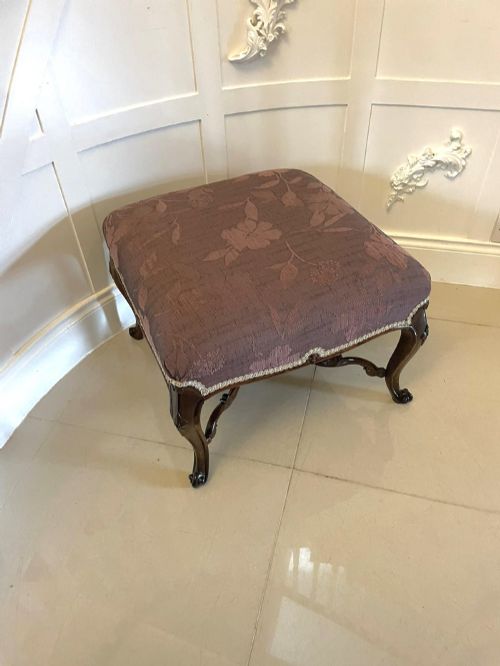
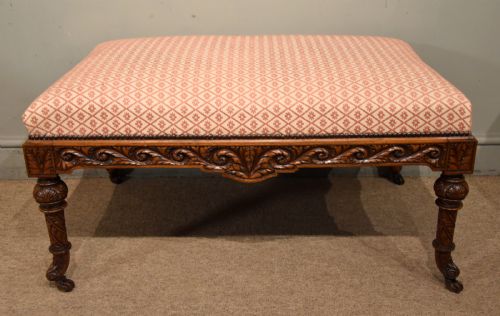
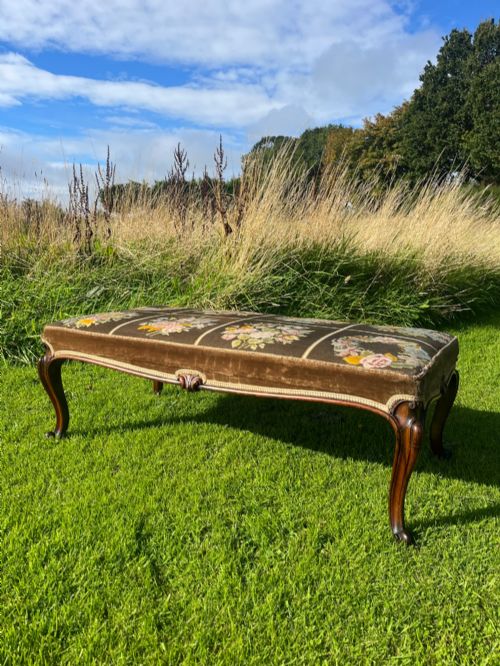
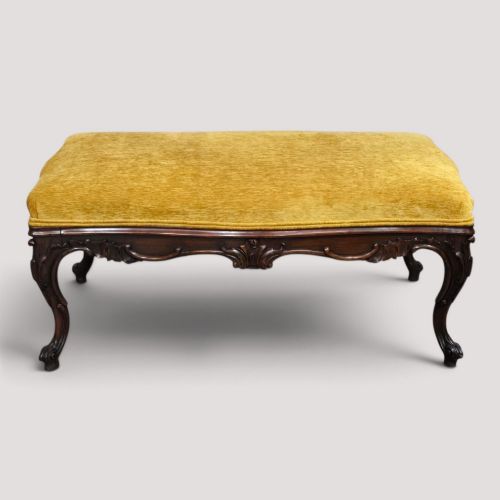
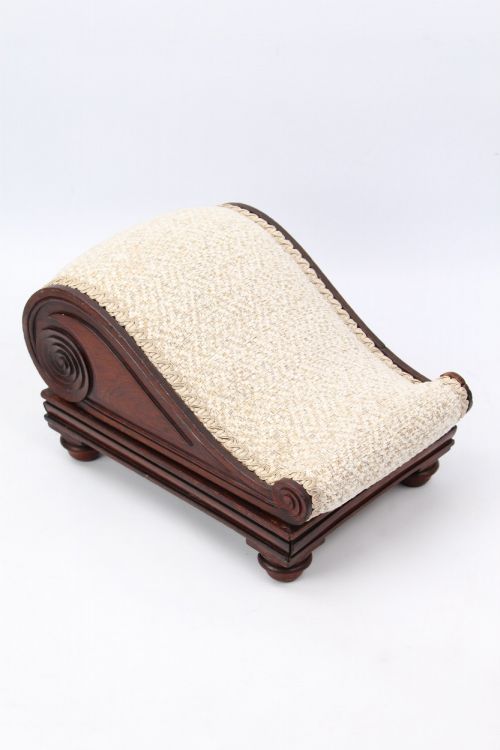
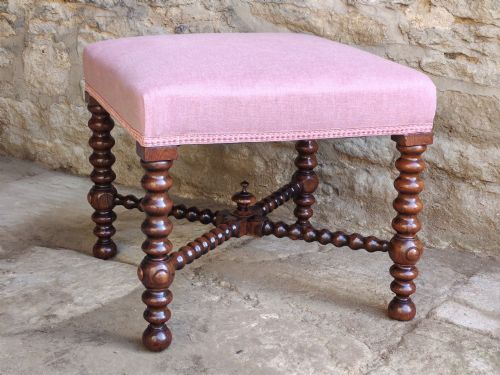
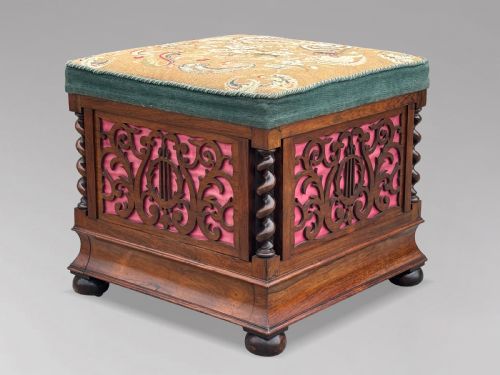
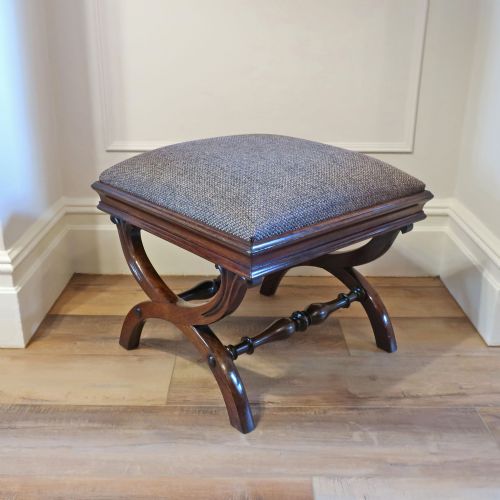
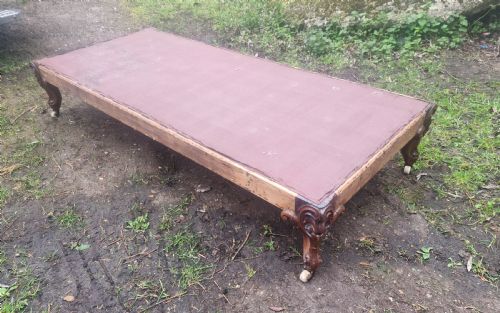
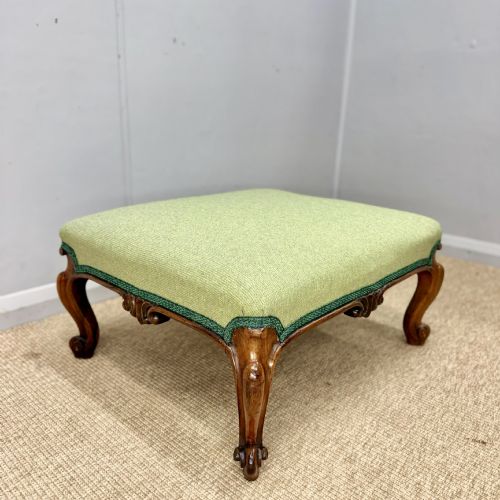
When you search for an antique rosewood ottoman, you are looking at substantial timber frames designed for seating and footrest duties, often incorporating a lift-out seat or a box storage cavity beneath the upholstery. The selection spans the Regency, Georgian, and Victorian eras, with examples taking the form of large stools, pairs of footstools, box seat stools, and oblong stools with lift-out upholstered seats.
You are most likely to meet mid-Victorian and Regency interpretations on this page, as these periods dominate the recorded inventory. These pieces range from simple square footstools to longer box-seat variants that bridge the gap between a Canterbury, piano stool, and dressing stool.
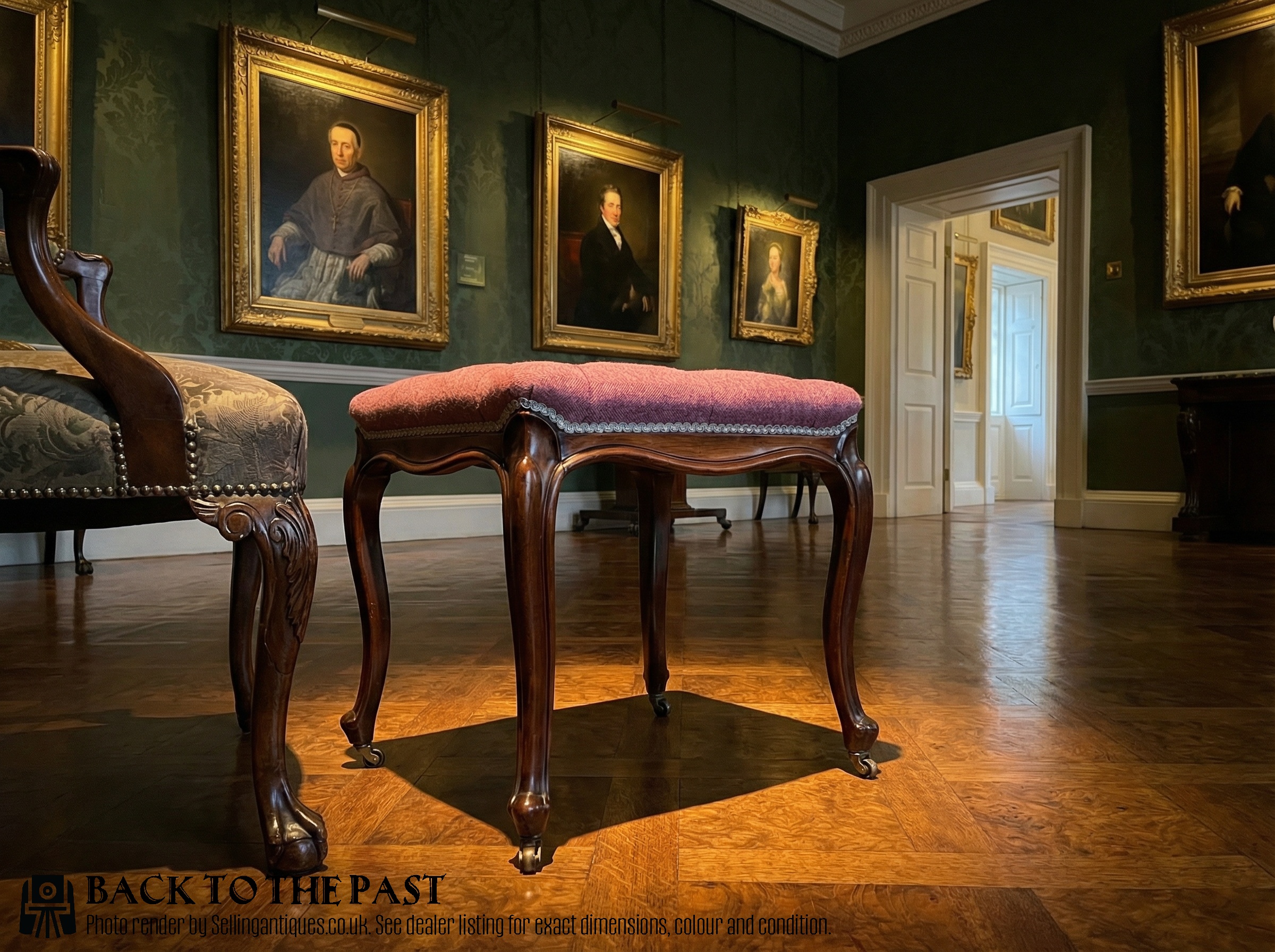
Materials and construction
Makers built these pieces using dense rosewood for the structural frames, frequently enhanced with carved details to the timber mouldings and legs. Brass hardware often secured internal components and hinges on box-seat variants.
The upper sections rely on traditional upholstery techniques, utilising textiles such as fabric, wool, velvet, and tapestry. These varied coverings were stretched over internal padding to create a firm yet comfortable seat or footrest.
Antique Rosewood Ottoman Retail Price Guide 2026
Typical asking prices for rosewood ottoman among the pieces listed under this phrase on Sellingantiques today, from the lower quarter to the upper quarter. They describe what is for sale here now, not the wider market.
The recorded inventory spans pieces from the Georgian, Regency, and Victorian eras, demonstrating a strong reliance on solid rosewood and traditional textile upholstery.
Judging the standard of workmanship
The distinction between standard examples and the finest pieces lies in the crispness of the timber carving and the depth of the rosewood grain. Superior items exhibit careful timber selection where the figuring of the wood is matched and handled with sensitivity to the overall form.
Subtlety of proportion and the integration of the storage box dictate the hierarchy of quality. Pieces that maintain elegant lines without appearing bulky, alongside those retaining harmonious period upholstery or well-executed traditional re-covering, stand apart from simpler utility stools.
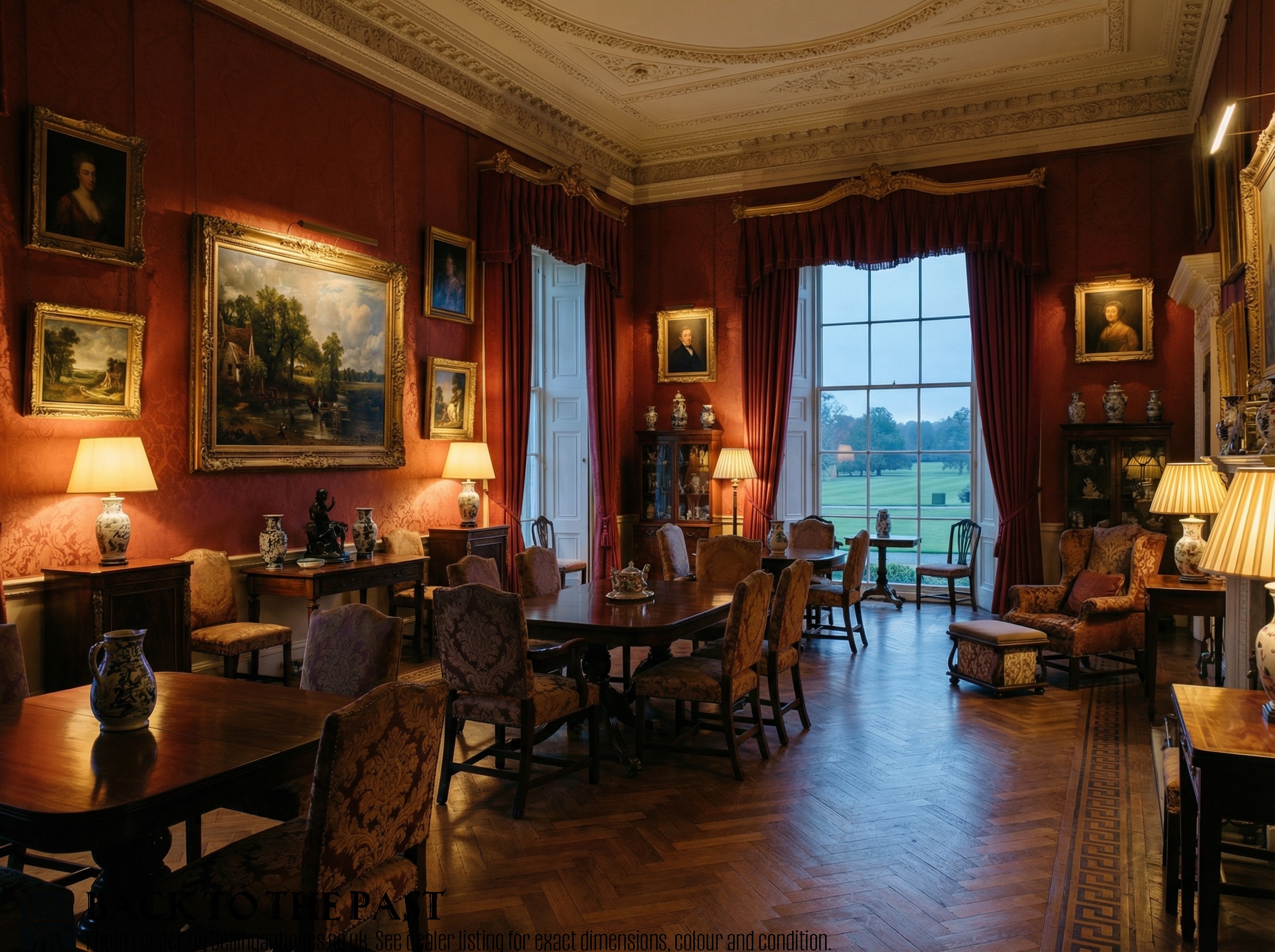
The Antique Rosewood Ottoman Glossary
- Rosewood
- A dense, heavily figured timber known for its deep dark colour and distinct grain patterns, widely utilised in high-status nineteenth-century furniture.
- Box seat stool
- A form of seating featuring a hollow compartment beneath the upper cushion, accessed via a lift-out or hinged upholstered panel.
- Regency
- An architectural and design period spanning the early nineteenth century, characterised by classical restraint and refined proportions.
- Tapestry
- A heavy, hand-woven or machine-woven textile frequently employed for durable period upholstery on stools and footrests.
- Canterbury
- A low multi-partitioned stand or box traditionally used for holding sheet music, sometimes combined in multi-functional Victorian stool designs.
Antique Rosewood Ottoman: Frequently Asked Questions
How do I use a rosewood ottoman today?
These pieces function well as flexible seating or traditional footstools in a living space. Box-seat variants also provide concealed storage for small household items.
Their compact scale allows them to sit easily beside armchairs or at the foot of a bed without dominating the floor plan.
Are these ottomans comfortable to sit on?
The seating surface is typically firm, relying on traditional padding methods rather than modern deep-sprung foam. They serve well for short periods of sitting or resting feet.
Many surviving examples have been re-upholstered over time to ensure the textile covering remains clean and serviceable for daily use.
How do I date a rosewood stool?
Dating relies on observing the stylistic markers of the timber frame, such as the classical lines typical of the Regency period or the heavier proportions seen in mid-Victorian pieces. Construction details and the method of housing the storage box also offer clues to the decade of manufacture.
Comparing the turned or carved wooden elements against documented examples helps narrow down the era from Georgian origins through to the 1860s.
What is the difference between an ottoman and a footstool?
While both terms describe low upholstered furniture, an ottoman in this context often incorporates a functional storage compartment beneath the seat. A footstool is typically a simpler, solid structure intended solely for resting feet.
Hybrid forms listed in the inventory combine elements of dressing stools and box seats, blurring the line between the two definitions.