



Antique Low Bench
An antique low bench offers practical seating and surface space, bringing solid timber and period character close to the floor.
Antique Low Bench
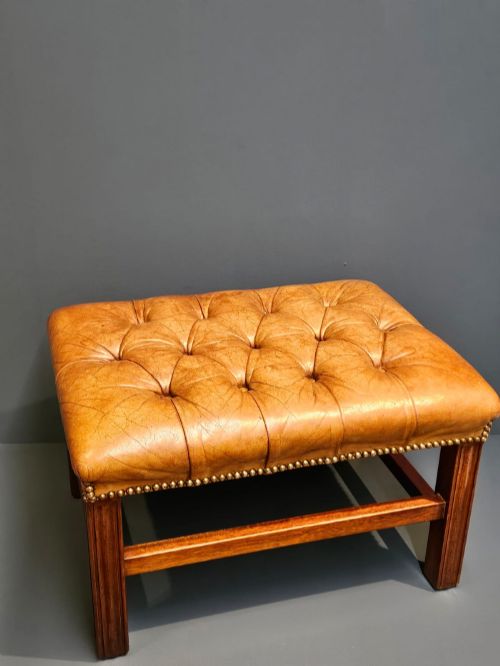
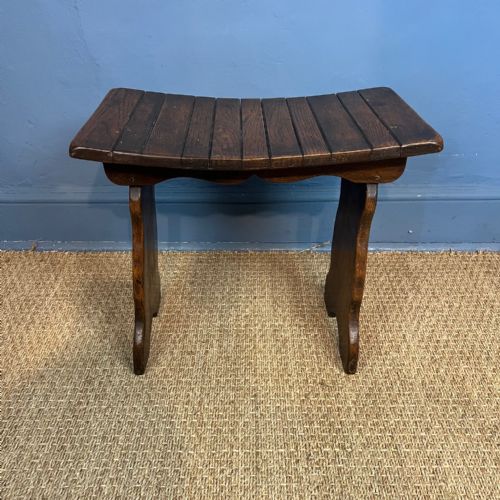
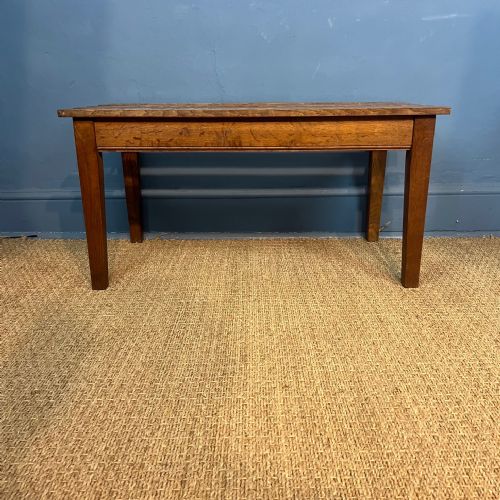
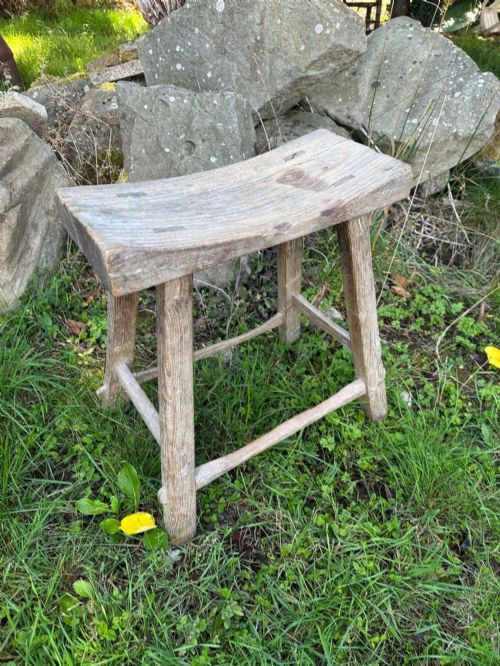
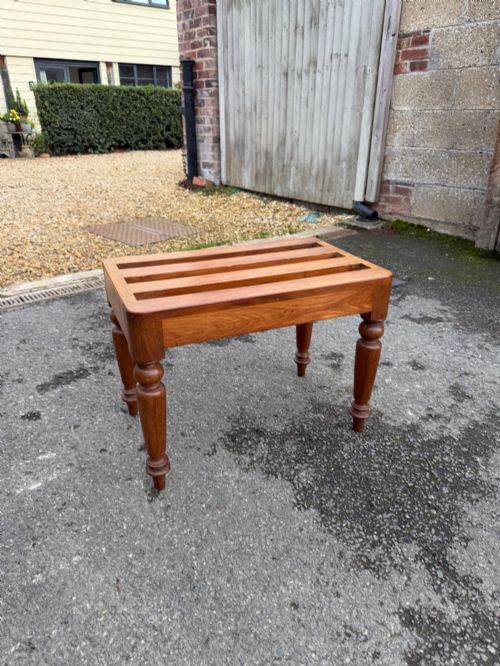
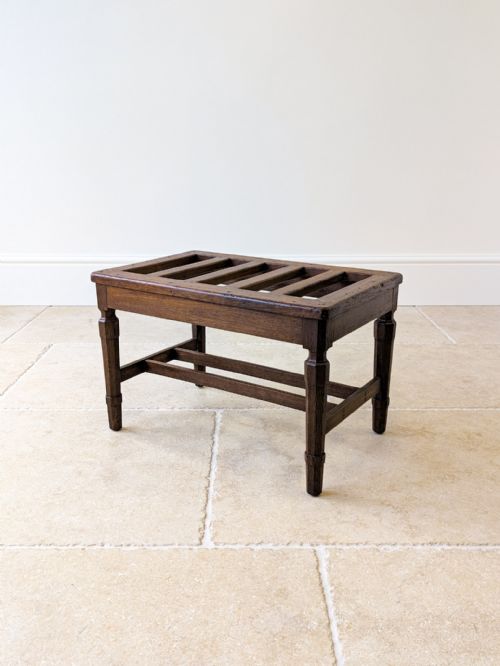
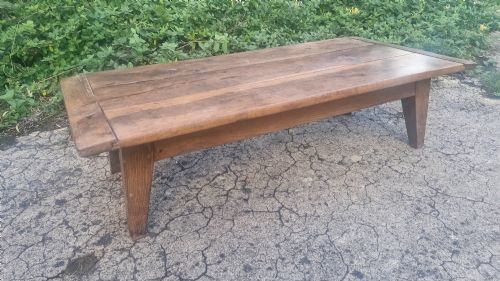
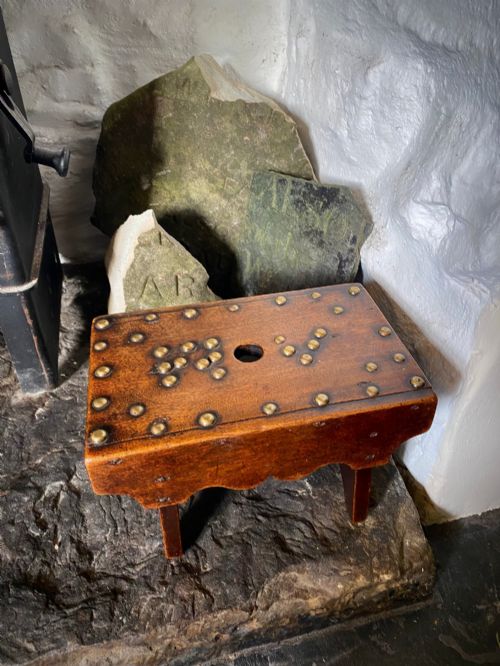
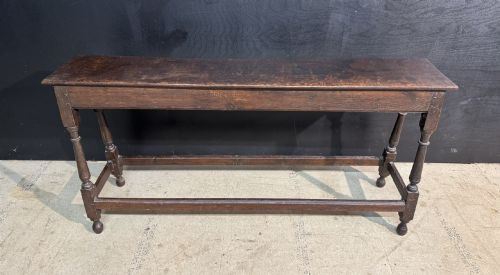
When you search for an antique low bench, you encounter a varied group of low-slung seating and surface forms spanning centuries of domestic life. The listings here frequently present forms adapted from utilitarian items, including milking stools, luggage stands, joint stools, and coffee tables converted from longer benches or pig benches.
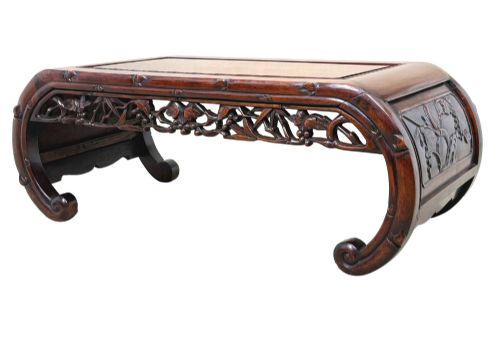
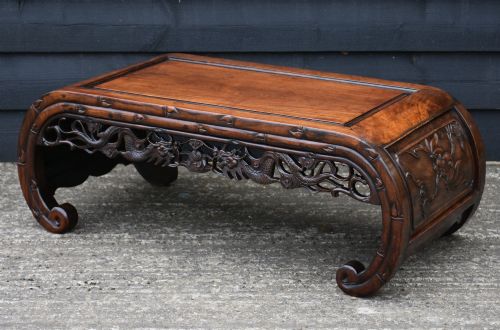
Victorian and Edwardian examples sit alongside pieces from the eighteenth century, showing how low seating evolved from rustic utility to polished drawing room comfort. You meet heavy oak joint stools alongside rosewood dressing stools and low tables displaying carved detail or turned legs.
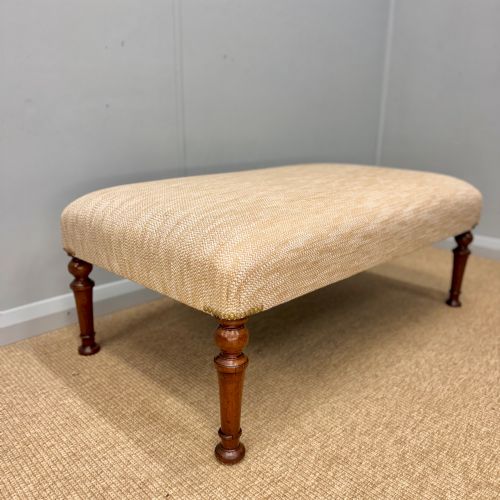
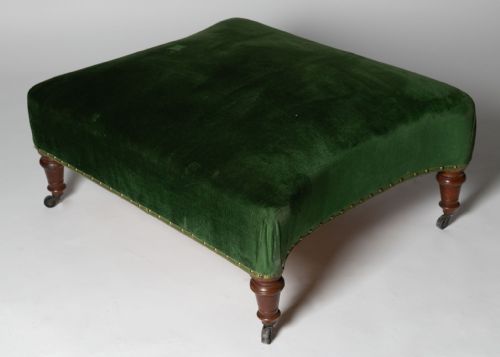
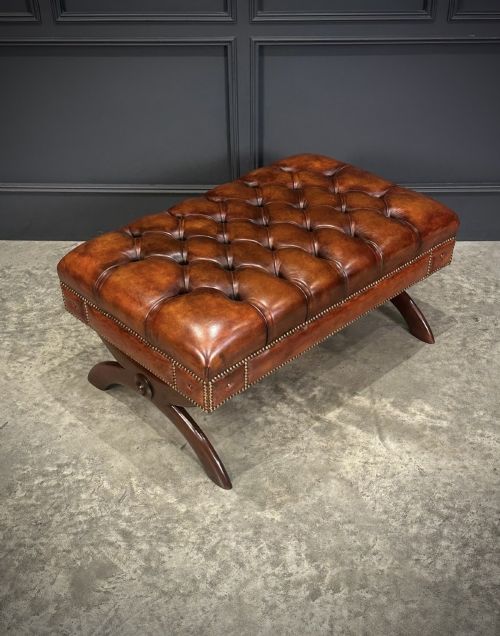
Origins stretch from English rural workshops to Continental Europe, China, and India, bringing diverse timbers and regional vernacular designs into the category. Whether you examine a primitive three-legged milking stool or a mahogany ottoman with a needlework seat, each piece serves a low-level function in the room.
Materials and construction
Makers utilised dense hardwoods such as oak, mahogany, walnut, rosewood, sycamore, and ash to build frames that endured heavy daily use. Joinery typically relies on traditional methods like mortise and tenon joints, dovetails, or sturdy turned legs fixed directly into solid timber seats.
Upholstered versions combine internal webbing or stuffing with textile, fabric, needlework, or leather coverings secured by hand. Painted surfaces often retain original layers of ochre, green, or monochrome pigment applied during the nineteenth century or earlier.
Antique Low Bench Retail Price Guide 2026
Typical asking prices for low bench among the pieces listed under this phrase on Sellingantiques today, from the lower quarter to the upper quarter. They describe what is for sale here now, not the wider market.
Listings feature oak, mahogany, walnut, and rosewood alongside rustic pine and painted agricultural timbers.
Assessing quality and craftsmanship
Quality reveals itself in the selection of timber and the precision of the joinery rather than surface ornamentation alone. Finer pieces demonstrate careful timber matching, crisp carving on rosewood or mahogany frames, and structural integrity that resists wobble without modern metal braces.
The integrity of original elements, such as untouched paint on a rustic milking stool or period upholstery foundations, distinguishes superior examples from heavily altered or later assembled pieces. Proportions remain balanced even in utilitarian forms, ensuring that turned stretchers and tapered legs complement the mass of the top.
Gillow's·Bruce Talbert·Waring and Gillows·Harry and Lou Epstein
The Antique Low Bench Glossary
- Joint stool
- A sturdy wooden stool constructed with mortise and tenon joints pegged together rather than glued. These seventeenth and eighteenth-century forms served multiple household purposes.
- Milking stool
- A simple, low, three-legged or four-legged seat used by agricultural workers. They often display rustic charm and original painted surfaces.
- Luggage stand
- A low wooden frame with slatted tops designed to hold suitcases in bedrooms. Edwardian examples often feature folding legs and sturdy oak construction.
- Pig bench
- A low wooden bench originally utilised for agricultural tasks on farms. In modern settings, these function well as low coffee tables due to their long, narrow proportions.
- Needlework seat
- A seat covered in hand-stitched canvas work, often featuring floral or geometric patterns. Needlework tops frequently appear on Victorian and Edwardian ottomans and footstools.
Antique Low Bench: Frequently Asked Questions
How were low benches originally used?
Historic low benches and stools served diverse utilitarian functions in domestic and agricultural settings, from seating near the hearth to resting luggage in guest rooms. Many functioned as milking stools in barns or as sturdy stands for heavy household tasks.
Over time, forms like pig benches and joint stools transitioned into living spaces as occasional seating or low display surfaces. Their modest height made them practical for close-to-the-ground tasks and small rooms.
How do I distinguish eighteenth-century pieces from later reproductions?
Examine the tool marks, timber shrinkage, and joint construction to gauge the age of a wooden bench. Eighteenth-century examples often exhibit hand-sawn surfaces, pegged joinery, and natural wear patterns accumulated over generations of use.
Later revival pieces frequently display uniform machine marks and modern adhesives that reveal a twentieth-century origin. Comparing the patina of the wood across different sections helps confirm period authenticity.
How should I care for antique timber and painted surfaces?
Preserve wooden surfaces by applying occasional applications of natural beeswax rather than modern liquid polishes that contain silicone. Keep antique low benches away from direct heat sources and strong sunlight to prevent the timber from splitting.
Pieces with original paint require gentle dusting with a dry cloth to protect the pigment from flaking. Avoid using harsh chemical cleaners on any historic finish.