





Victorian Rosewood Stool
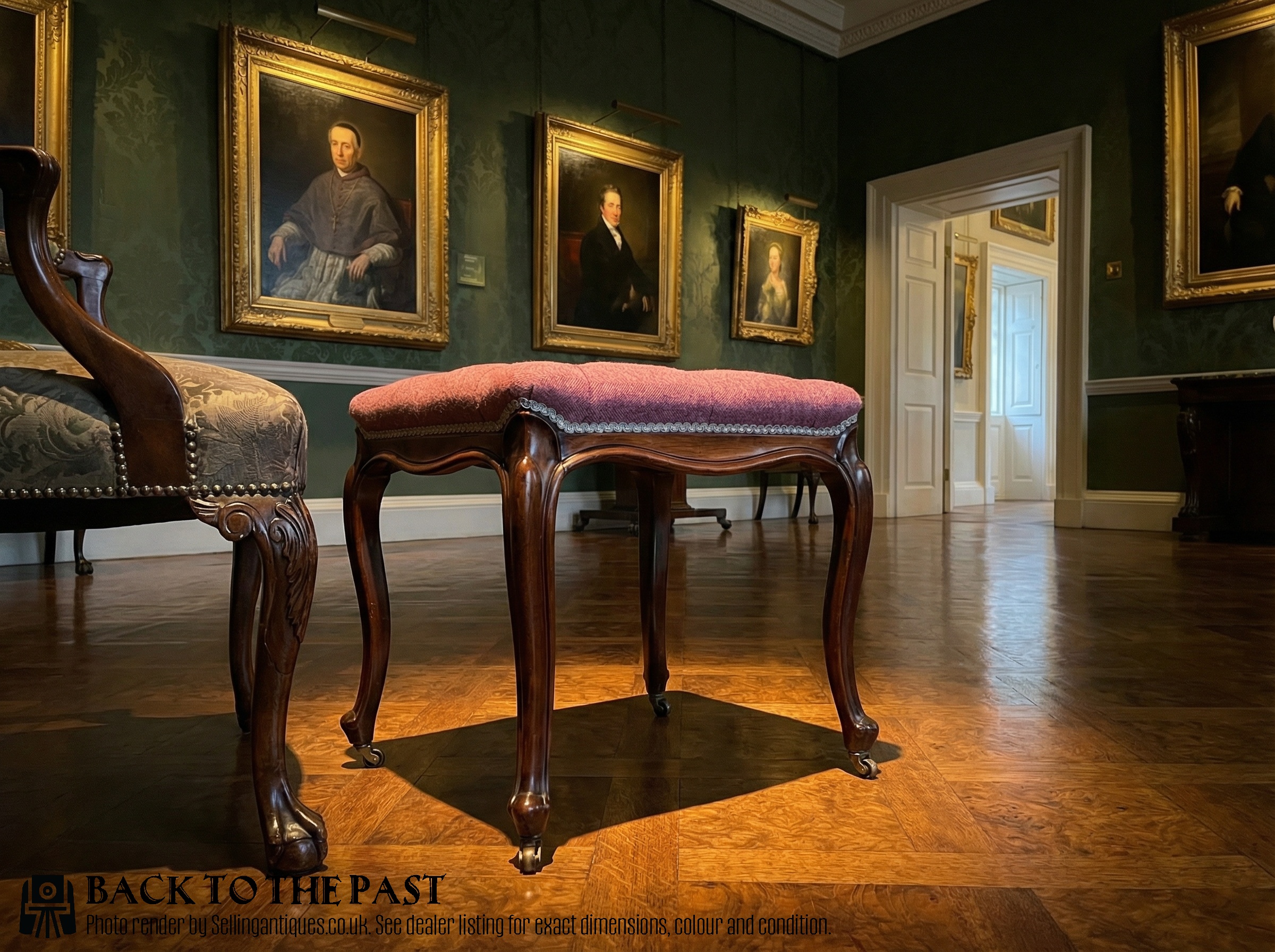
A victorian rosewood stool brings dense timber and traditional upholstery together to anchor a period drawing room or music salon.

Victorian Rosewood Stool
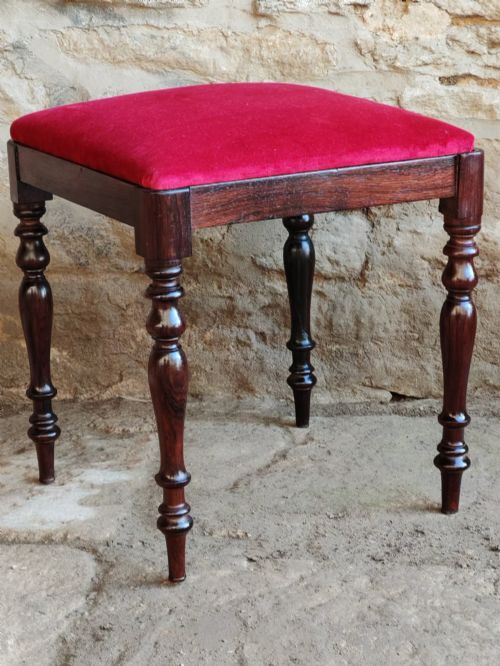
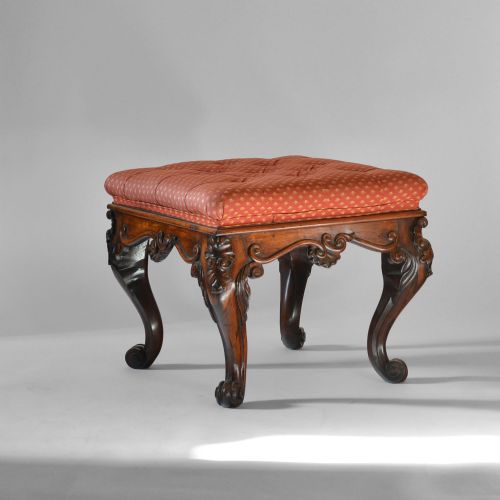
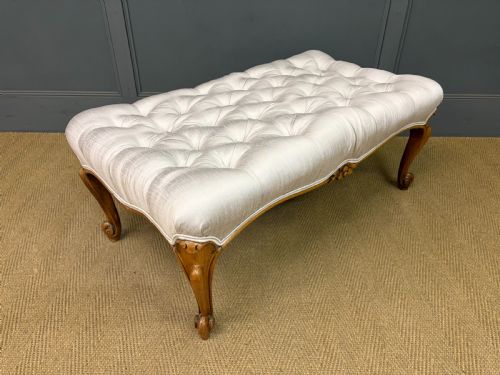
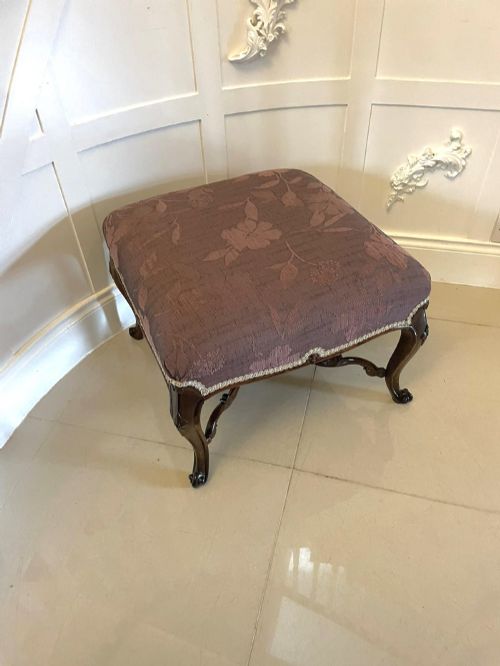
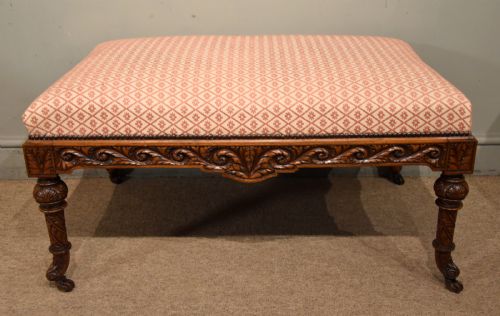
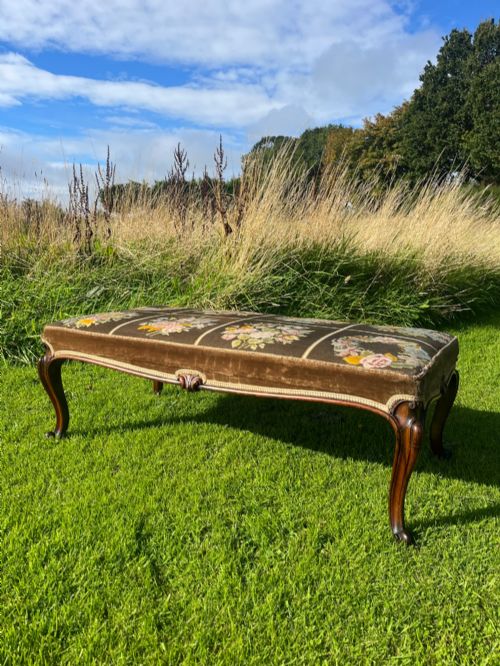
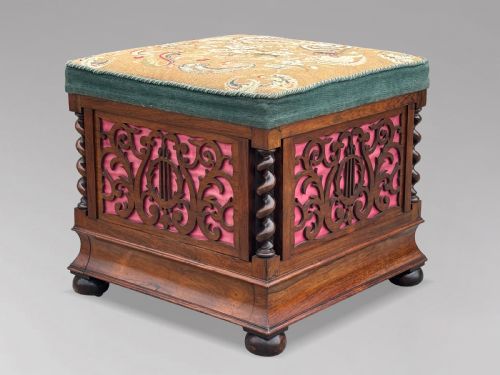
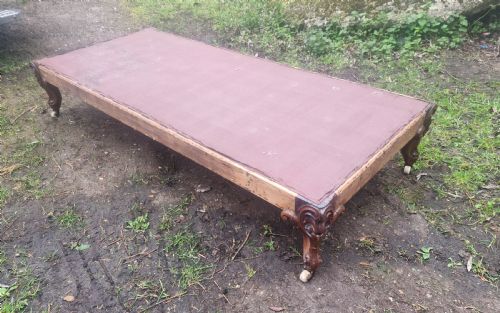
A victorian rosewood stool is typically encountered as a low footstool, a revolving music seat for the piano, or a larger centre ottoman designed for the middle of a room. These pieces span the nineteenth century, drawing on Georgian foundations alongside later revival styles such as Gothic and Rococo.
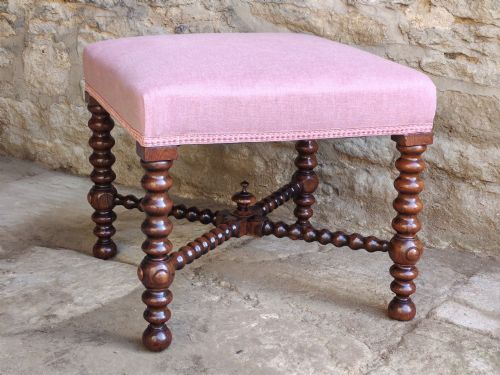
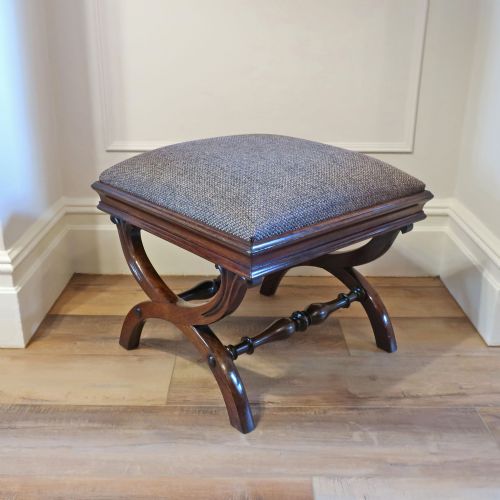
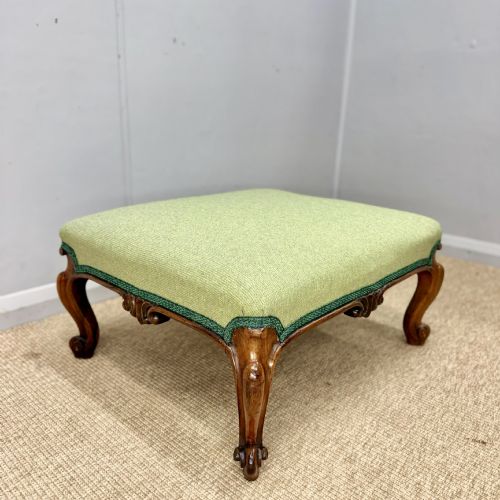
Makers shaped timber into cabriole legs, bobbin turnings, and X-frames, often mounting seats on rise and fall mechanisms for adjustable height. The scale varies from small footstools to substantial ottomans and duet benches meant for two players.
Most examples originate from the Victorian era, though related pieces bear influences from Anglo-Indian craftsmanship and Regency design. Buyers select them for their combination of heavy dark wood and functional seating forms.
Materials and construction
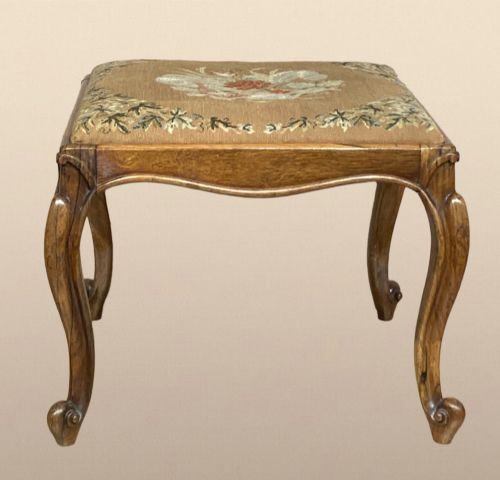
Makers utilised solid rosewood and timber frames, carving the dense wood into cabriole legs, scroll feet, and pierced supports. Brass hardware frequently appears on adjustable swivel mechanisms and rise and fall piano stools.
Upholstery relied on traditional textiles including wool, velvet, tapestry, embroidered silk, and leather. Needlework and crewel work panels were secured over stuffing, sometimes finished with buttoned detailing or decorative braiding.
Victorian Rosewood Stool Retail Price Guide 2026
Typical asking prices for victorian rosewood stool among the pieces listed under this phrase on Sellingantiques today, from the lower quarter to the upper quarter. They describe what is for sale here now, not the wider market.
Musicians relied on revolving harpist chairs designed to swivel smoothly while managing heavy stringed instruments.
Judging the standard
The distinction between ordinary and superior pieces rests on the crispness of the timber carving and the robustness of the structural frame. Finer examples display deeply moulded cabriole legs and substantial rosewood rather than thin veneers over secondary woods.
Mechanical complexity also divides the selection, particularly in revolving music chairs and rise and fall piano stools where smooth operation of the central screw thread demonstrates original workshop precision. The integrity of the underlying joinery dictates how well the frame endures daily weight.
Charles Nosotti·Charles Wadman·H. Brooks and Co
The Victorian Rosewood Stool Glossary
- Rise and fall
- A mechanical seating adjustment system utilising a central screw thread to alter the height of the stool. This mechanism is frequently found on piano and music stools from the period.
- Cabriole leg
- A furniture leg that curves outward at the knee and inward at the ankle, ending in a scroll or foot. It is a defining characteristic of many Victorian seating designs.
- Prie Dieu
- A devotional chair or low stool designed for kneeling during private prayer, often featuring an upright back or rest. These pieces commonly incorporate Gothic revival architectural motifs.
- Ottoman
- A low, upholstered seat without arms or a back, built on a large scale for central placement in a drawing room. They provide substantial surface area for textiles and buttoned upholstery.
- Bobbin leg
- A turned furniture leg shaped to resemble a series of wooden reels or bobbins stacked end to end. This turning style appears on mid-nineteenth-century examples.
Victorian Rosewood Stool: Frequently Asked Questions
Were these stools used only for music?
While many were built specifically for the piano or harp, a large proportion served as footstools, dressing table seats, or centre ottomans. Their diverse forms meant placement in bedrooms, libraries, and drawing rooms.
Larger benches often accommodated two musicians for piano duets, while low footstools sat directly beside armchairs.
What is an Anglo-Indian rosewood stool?
An Anglo-Indian stool reflects nineteenth-century trade and production where British furniture forms were constructed overseas using native timber. These pieces typically display intricate, dense carving across the frame.
The distinct ornamentation sets them apart from standard domestic Victorian production while utilising the same heavy rosewood material.
How should I care for the rosewood frame?
Rosewood requires stable indoor humidity and protection from direct sunlight to prevent the dark timber from fading or drying out. Dusting with a dry cloth is generally sufficient for regular maintenance.
Avoid liquid polishes containing silicone, relying instead on traditional wax finishes if nourishment is necessary for the wood.