

Victorian Oak Stool
When you search for a victorian oak stool, you encounter sturdy timber seating crafted for everyday utility, country houses and churches.
Victorian Oak Stool
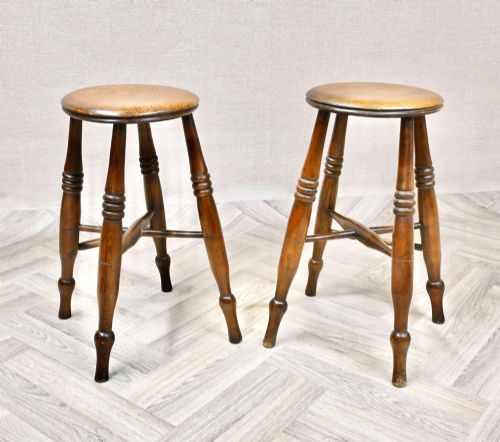
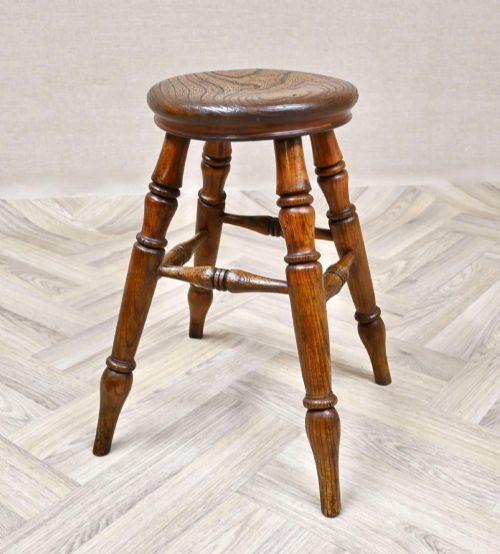
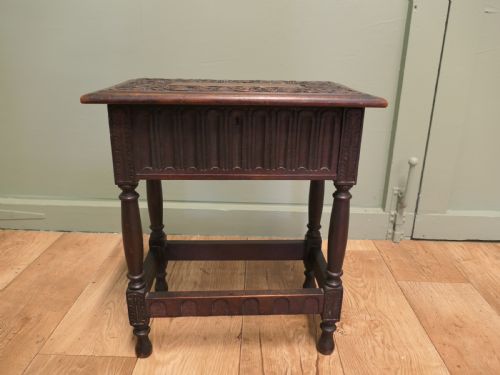
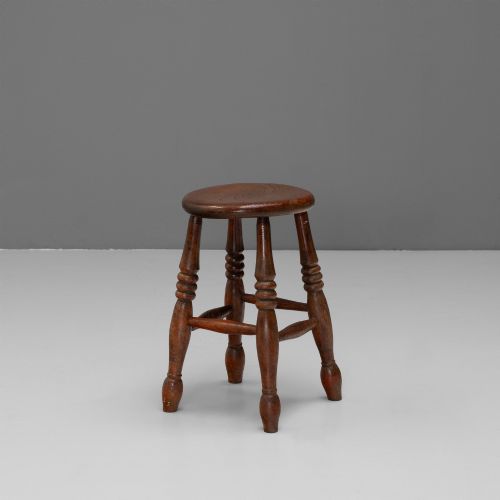
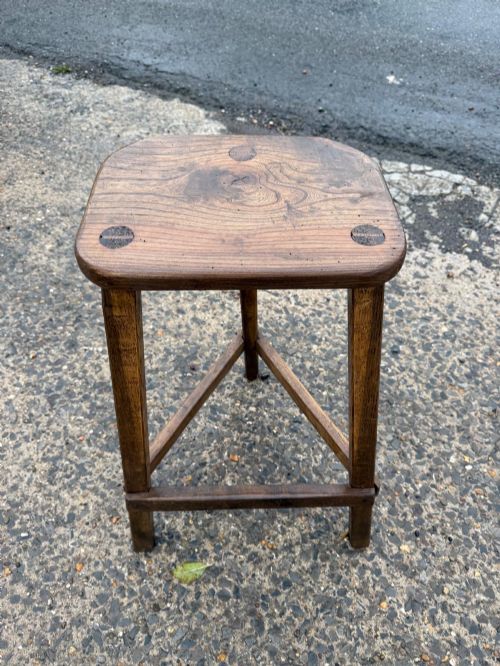
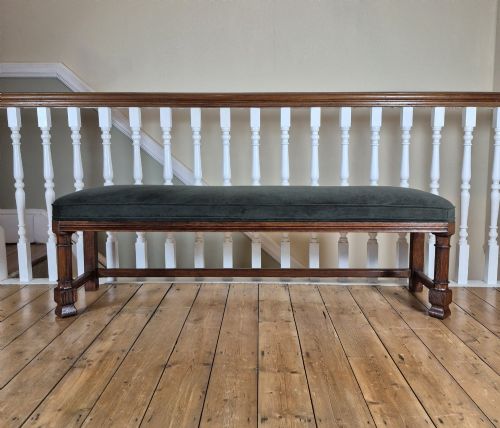
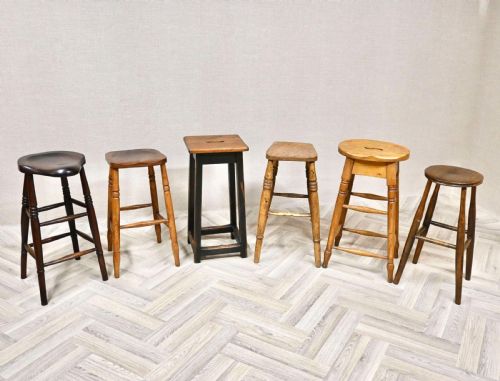
A victorian oak stool covers a broad spectrum of utility, spanning robust joint stools in the 17th-century style, low footstools, and tall workshop seats.
The versions most common on this page are domestic country stools, piano stools with swivel mechanisms, and ecclesiastical or Gothic Revival seating.
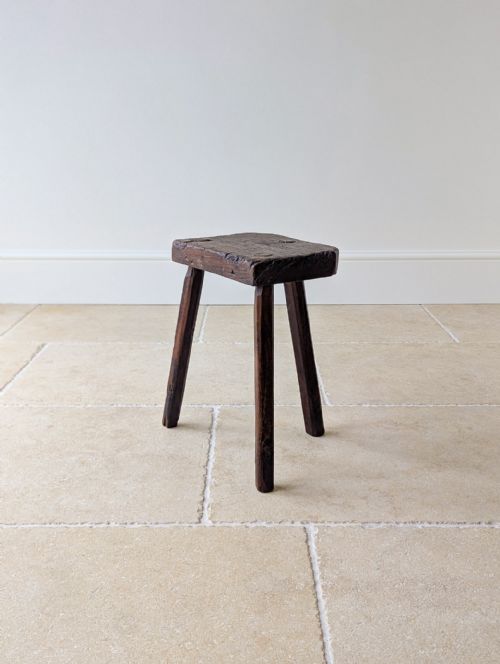
Makers utilised native hardwoods to build pieces intended to bear weight reliably, resulting in forms that range from simple three-legged tavern seats to elaborate carved footstools.
How they were made
Carpenters constructed these seats primarily from solid oak, frequently combining it with elm, ash, or beech for legs and stretchers to ensure structural rigidity.
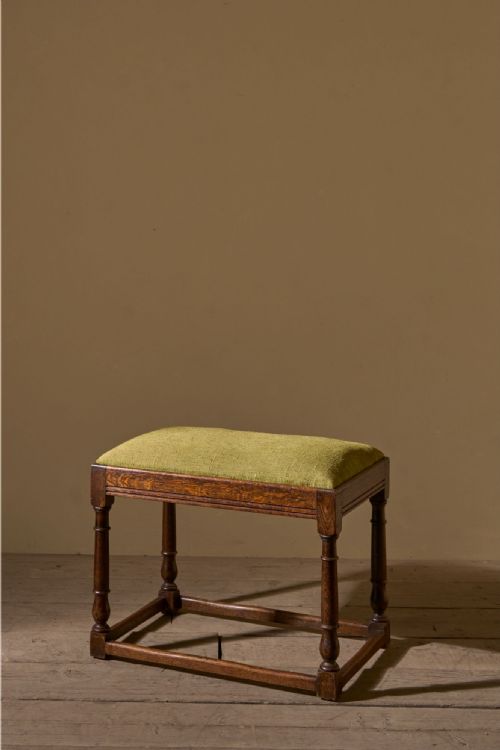
Joinery techniques relied heavily on traditional pegged mortise and tenon joints, particularly in joint stools and benches, alongside sturdy turning for legs and spindles.
Victorian Oak Stool Retail Price Guide 2026
Typical asking prices for victorian oak stool among the pieces listed under this phrase on Sellingantiques today, from the lower quarter to the upper quarter. They describe what is for sale here now, not the wider market.
Listings feature oak alongside elm, beech, and ash, span the 19th century and early 20th century, and include forms from library steps to piano stools.
What varies in quality
Quality rests upon the integrity of the timber selection and the tightness of the original joints, with denser grain and minimal replacement parts marking superior examples.
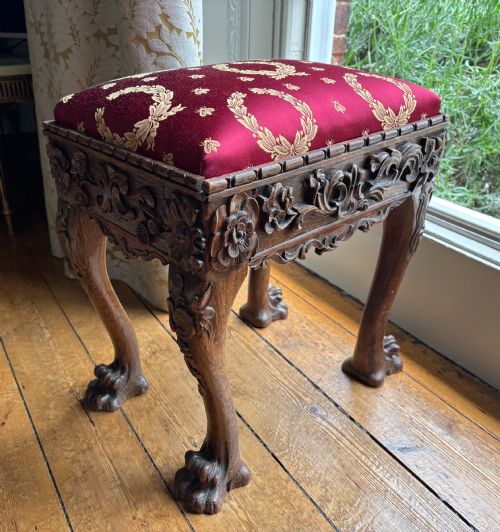
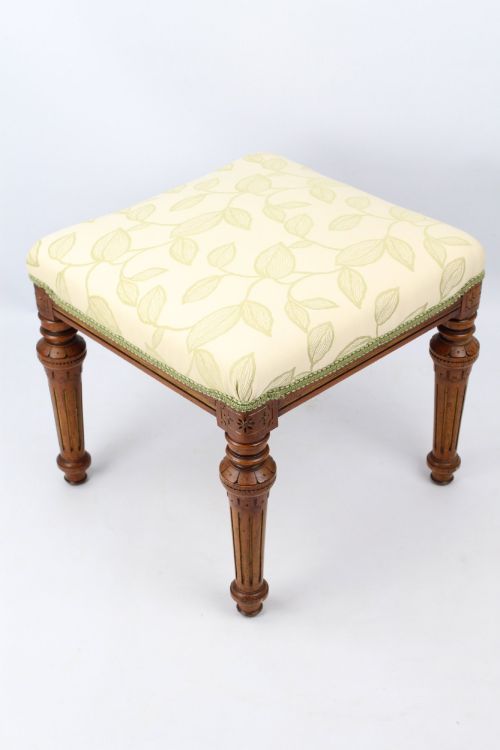
Carving depth and crispness separate utilitarian work seats from pieces designed for formal drawing rooms or libraries, where decorative motifs received greater artisan attention.
James Shoolbred & Co.·Liberty
The Victorian Oak Stool Glossary
- Joint stool
- A traditional wooden seat held together by wooden pegs and tight mortise and tenon joints rather than metal nails. These sturdy pieces often served practical household functions in earlier centuries.
- Gothic Revival
- A design style drawing inspiration from medieval architecture, featuring pointed arches, tracery, and heraldic motifs. This aesthetic appeared frequently on ecclesiastical and domestic oak seating.
- Bobbin turning
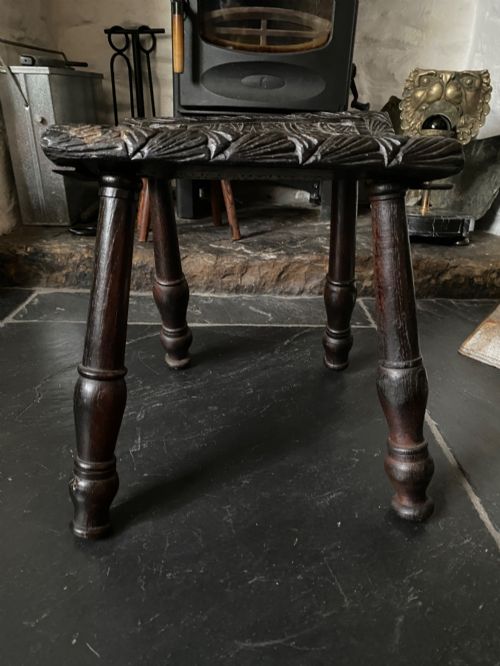
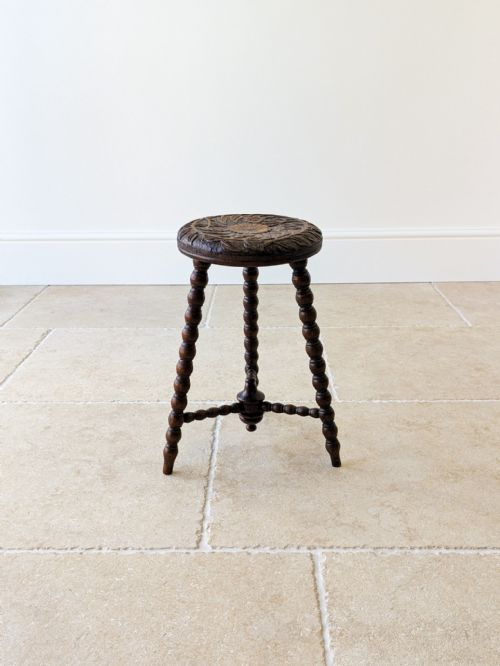
- A form of lathe turning that produces a series of rounded, spool-like shapes along the length of a furniture leg or stretcher. It became popular during revivalist periods.
- Windsor stool
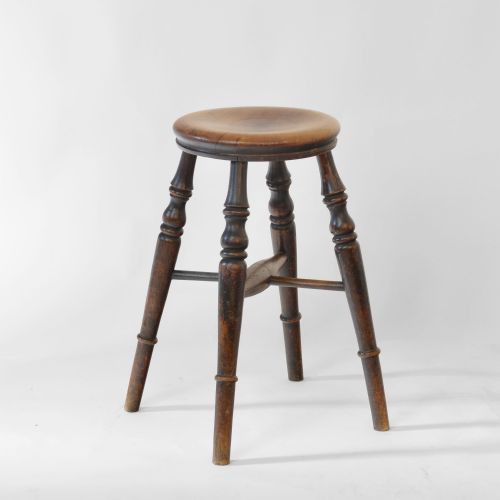
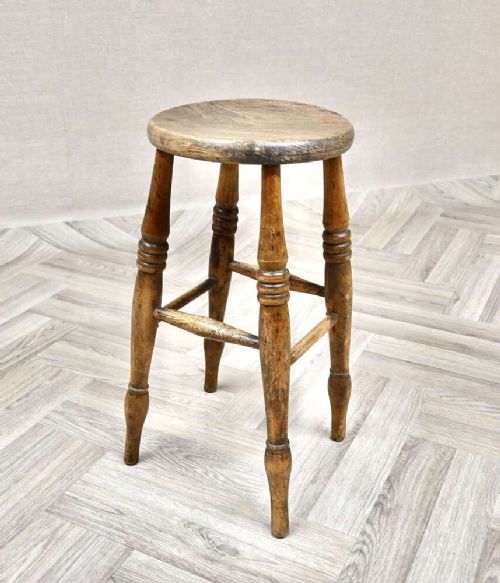
- A rustic seating form featuring a solid shaped wooden seat into which legs and spindles are wedged directly. They were widely used in farmhouses, taverns, and workshops.
- Claw-and-ball
- A furniture foot motif depicting a bird talon clutching a ball, commonly carved onto cabriole legs. This detail points to stylistic revivals of earlier cabinetmaking traditions.
Victorian Oak Stool: Frequently Asked Questions
How were joint stools used?
Joint stools served as flexible seating around the home, easily tucked away or utilised as small side tables when needed.
Their robust timber construction also allowed them to double as sturdy mounting blocks or steps for reaching high shelves.
What is a piano stool?
Piano stools were designed to provide adjustable seating for musicians at keyboard instruments during the nineteenth century.
Many examples incorporate mechanical height adjustment or hidden storage compartments beneath the seat for sheet music.
How do I identify Gothic Revival pieces?
Gothic Revival items display architectural motifs such as pointed arches, quatrefoils, and heavy carved tracery reminiscent of medieval stone buildings.
Cabinetmakers applied these dramatic details to oak benches and footstools to create a solemn, antiquarian appearance.
Where were workshop stools placed?
Workshop stools originated in spaces like jewellers' benches, printing rooms, and draughtsmen's offices where workers needed stable, elevated perches.
These industrial pieces prioritise heavy-duty functional design over decorative carving.