

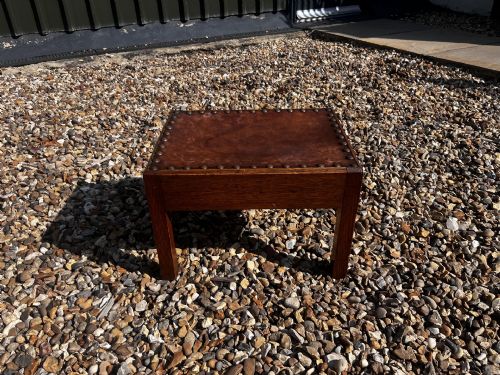
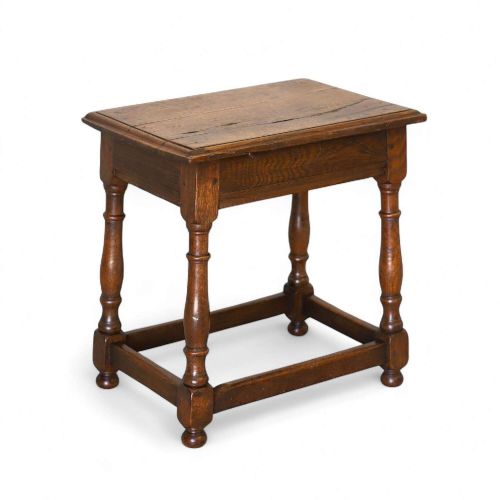
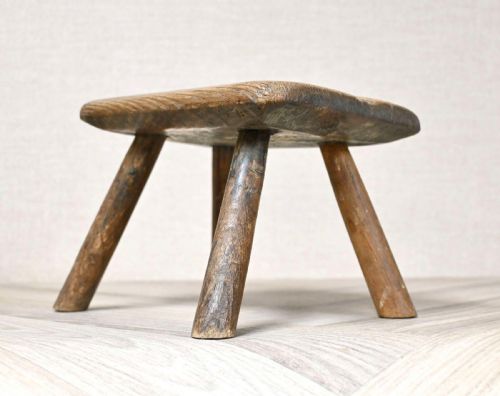
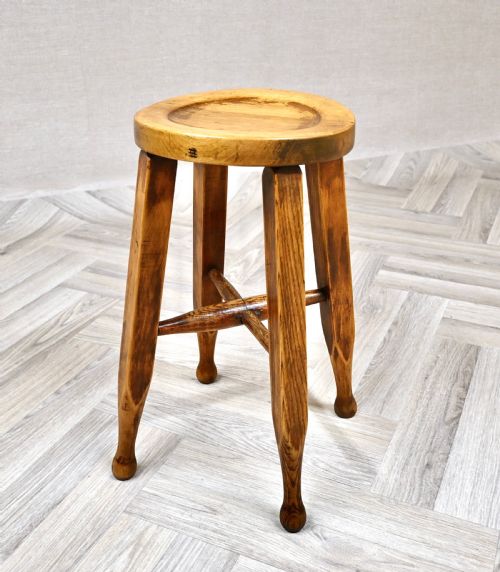
Brown Oak Footstool
A brown oak footstool brings deep grain and sturdy provincial character to a room, offering a tactile piece of domestic history.
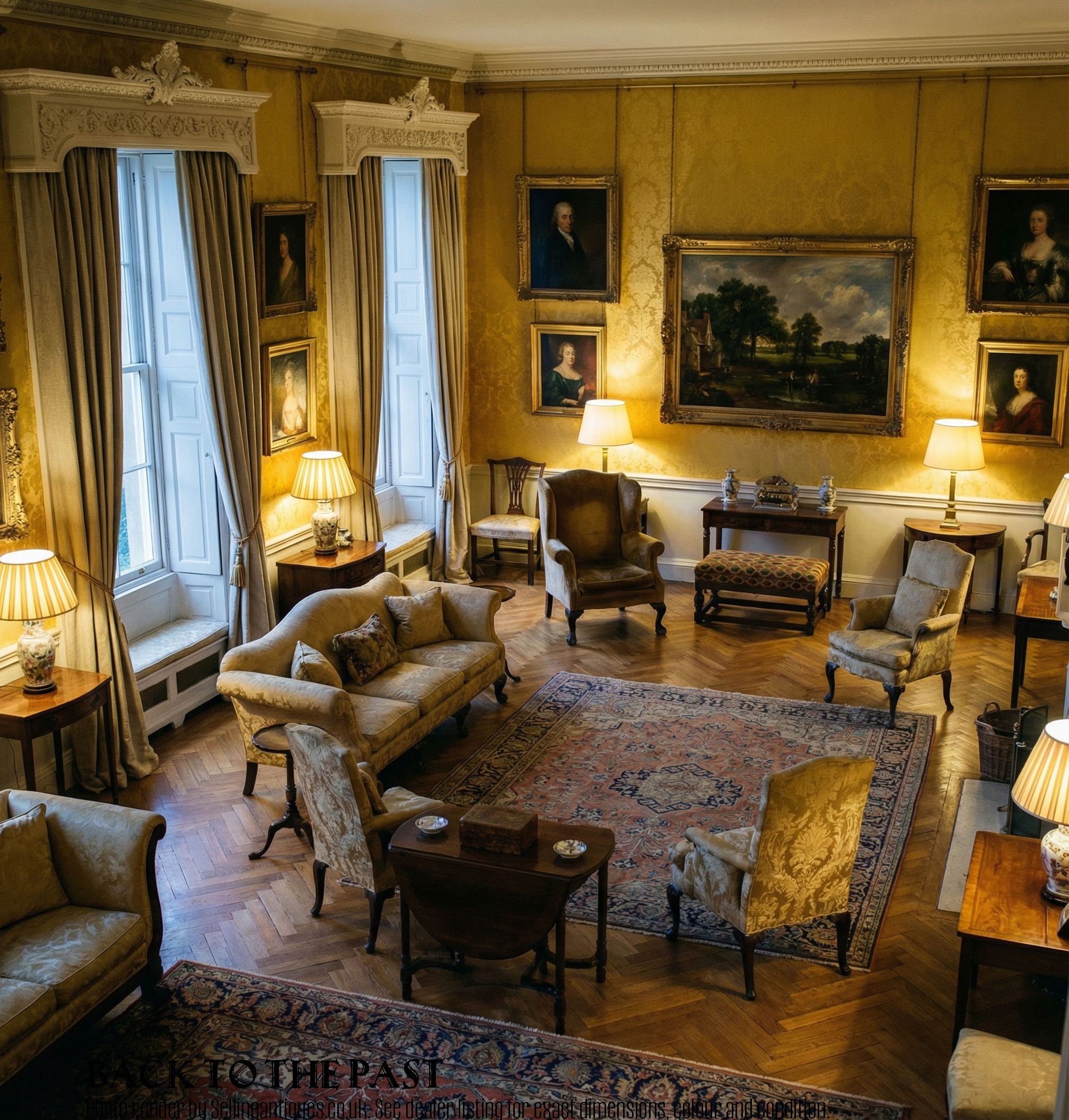
Brown Oak Footstool
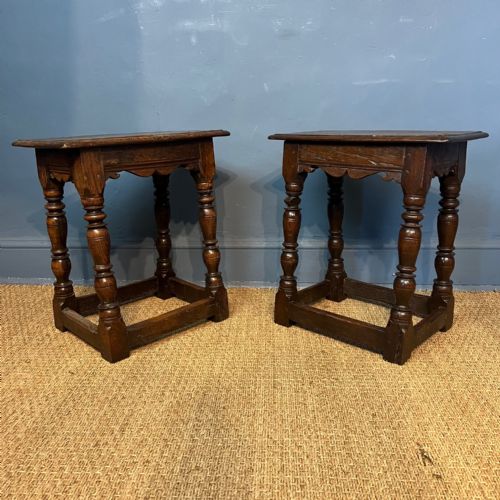
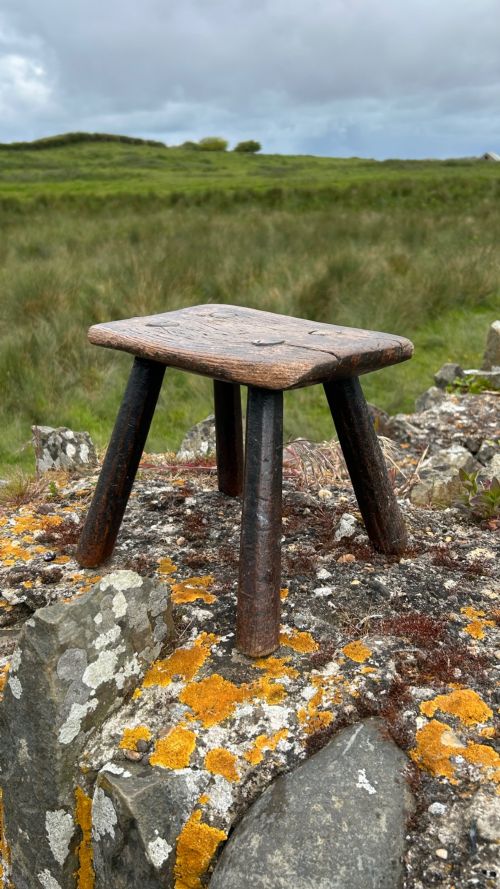
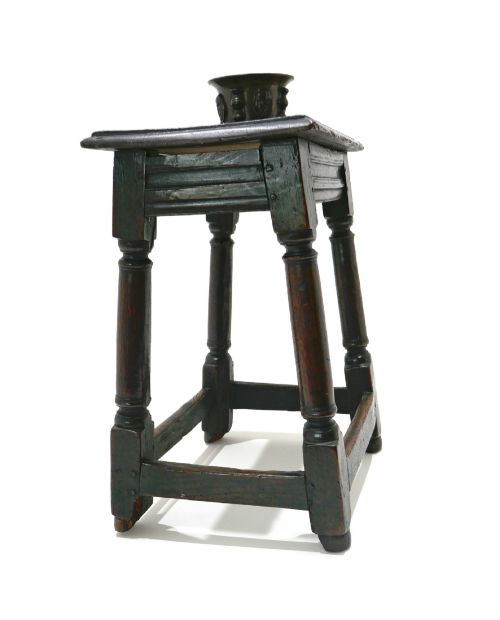
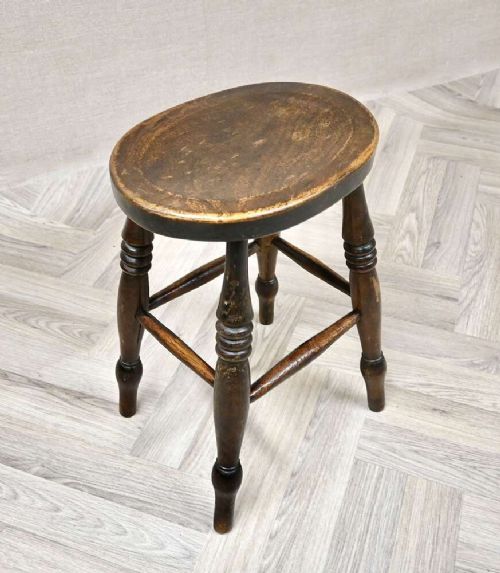
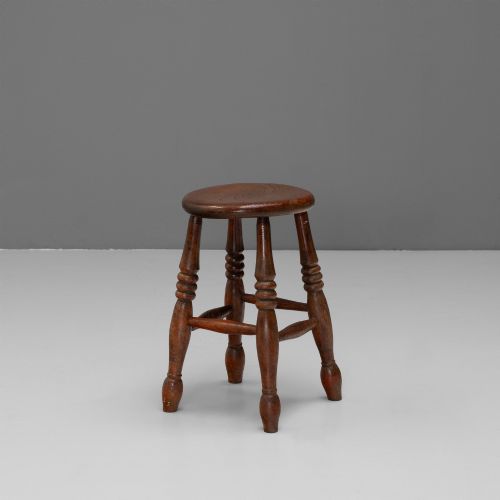
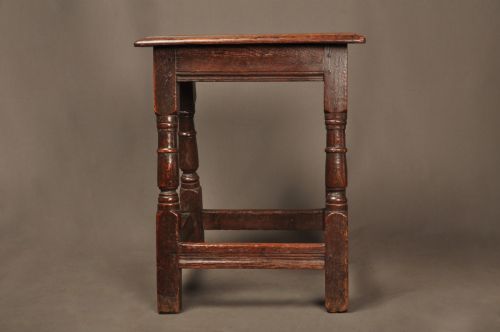
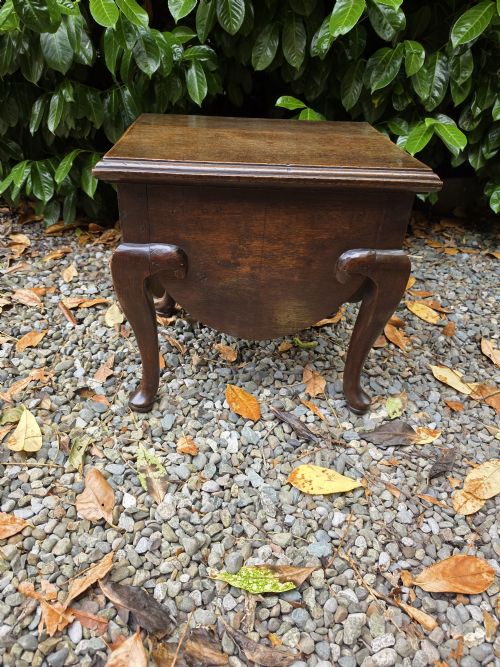
A brown oak footstool spans periods from the seventeenth century through to the early twentieth century, taking forms such as joint stools, Windsor seats, and low country stools. These pieces originate from provincial workshops and major design movements alike, serving practical domestic uses near hearths and windows.
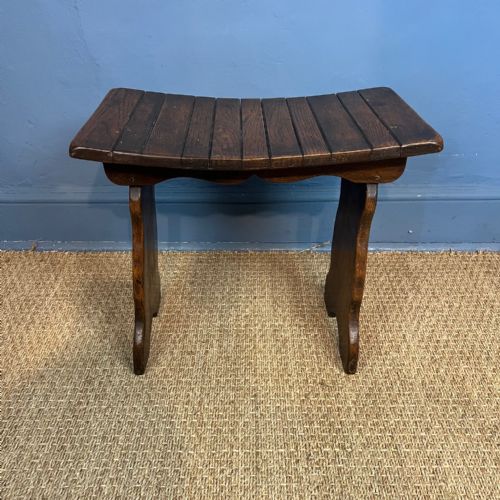
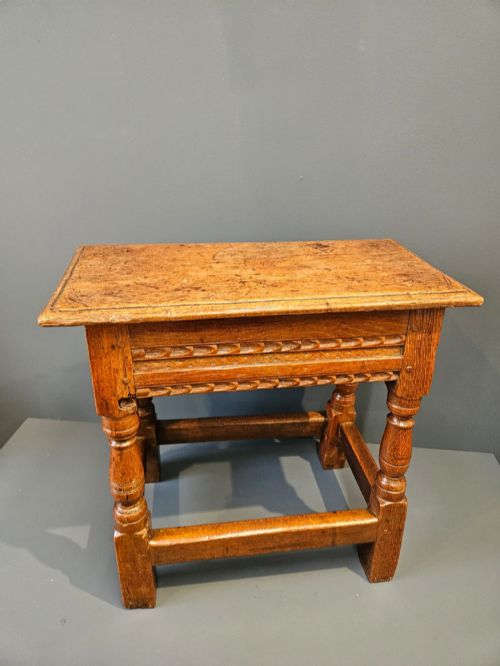
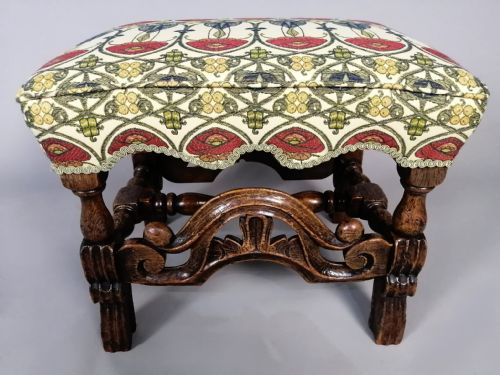
The version most frequently encountered on this page is the nineteenth-century country or joint stool, alongside Edwardian and Arts and Crafts interpretations. These examples utilise robust timber frames, sometimes paired with rush, leather, or fabric seats to suit various domestic settings.
Materials and construction methods
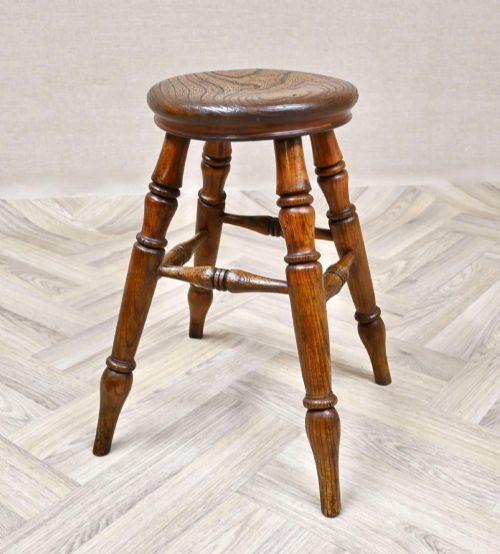
Makers relied primarily on oak and associated hardwoods, frequently employing pegged construction for joint stools to ensure structural rigidity. Surfaces often display carved detailing, turned legs, and sculpted seats shaped by hand.
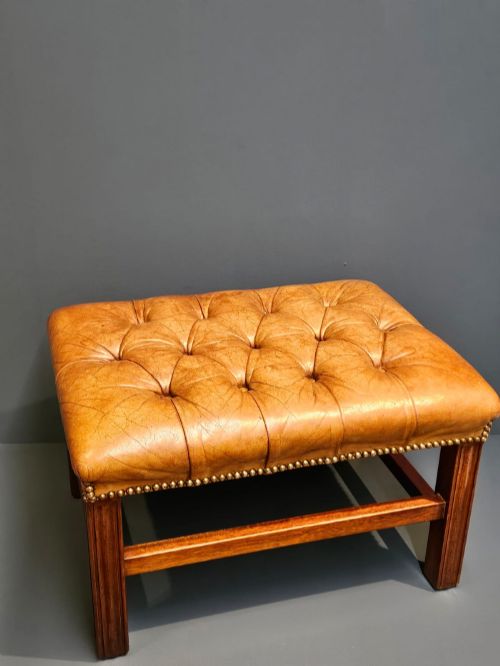
Secondary materials such as brass, leather, rush, and cane appear across specific styles like Arts and Crafts and Edwardian iterations. These textures complement the dense grain of the timber without obscuring the structural integrity of the frame.
Brown Oak Footstool Retail Price Guide 2026
Typical asking prices for brown oak footstool among the pieces listed under this phrase on Sellingantiques today, from the lower quarter to the upper quarter. They describe what is for sale here now, not the wider market.
Materials recorded across the inventory include oak, elm, rush, leather, brass, and cane.
Distinguishing quality across periods
The distinction between ordinary utility pieces and superior examples rests upon the depth of the timber's colour and the crispness of any carved ornament. Earlier seventeenth and eighteenth-century pieces often display a richer patina developed through centuries of handling.
Structural honesty and the preservation of original pegged joints determine the desirability of joint and country stools. Alterations or replacement elements diminish the integrity of the piece, whereas untouched vernacular examples retain their historical weight.
Arthur Simpson Of Kendal·Arthur W Simpson·Liberty
The Brown Oak Footstool Glossary
- Joint stool
- A solid oak stool constructed with pegged mortise and tenon joints rather than turned legs glued into a seat. These pieces date back to the seventeenth century and served various utility roles in the home.
- Windsor stool
- A vernacular seating form characterised by legs socketed directly into a carved or saddled wooden seat. They are frequently associated with country craftsmanship and sturdy utility.
- Rush seat
- A seating surface woven from dried marsh grasses, commonly found on provincial country stools. This technique provides a resilient and textured platform.
- Pegged construction
- A method of joining wooden elements using wooden pins or dowels instead of metal nails. This traditional technique allows the timber to expand and contract naturally.
Brown Oak Footstool: Frequently Asked Questions
What is a brown oak footstool?
A brown oak footstool is a low seating piece constructed from oak timber, spanning utilitarian joint stools from the seventeenth century to decorative Arts and Crafts designs.
These pieces reflect the domestic habits of past centuries, serving variously as hearth seats, milking stools, and low foot rests.
How do I date a joint stool?
Dating relies upon examining the construction methods, tool marks, and joinery style visible on the underside and frame. Seventeenth-century examples typically show hand-split pegging and heavy proportions.
Later nineteenth-century revivals adopt similar forms but reveal machine tooling and different wear patterns on the timber surface.
Where were these stools used?
Provincial stools were utilised throughout the home, particularly near open hearths, in dairies, and around living quarters where sturdy, movable seating was required.
Later Edwardian and Arts and Crafts variations found places in parlours and studies as deliberate decorative accents.
How do I care for antique oak?
Antique oak benefits from minimal intervention, requiring only occasional application of appropriate wax to nourish the grain and preserve the existing patina. Avoiding direct sunlight and extreme temperature fluctuations protects the timber from splitting.
Gentle dusting with a dry cloth keeps the surface clean without stripping away centuries of accumulated character.