



Country Oak Stool
When you search for a country oak stool, you seek honest domestic timber shaped by provincial hands for daily labour or fireside ease.
Country Oak Stool
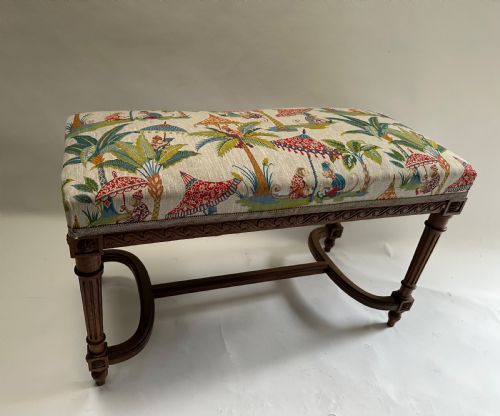
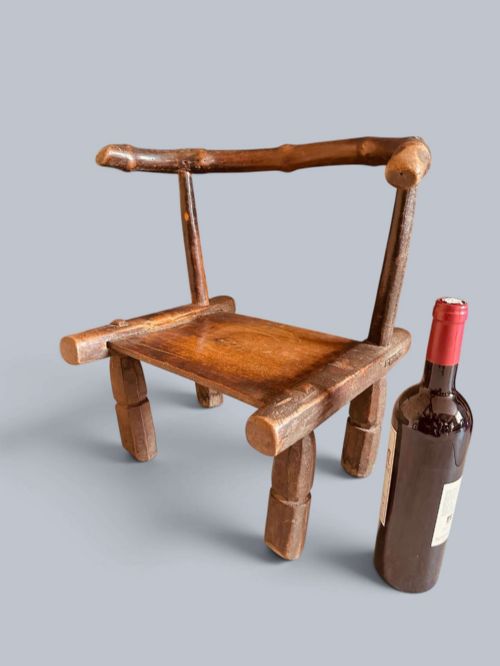
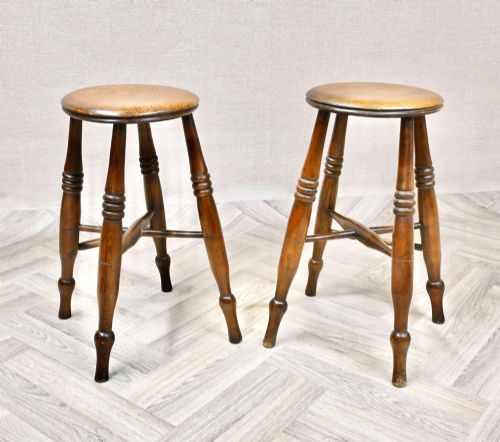
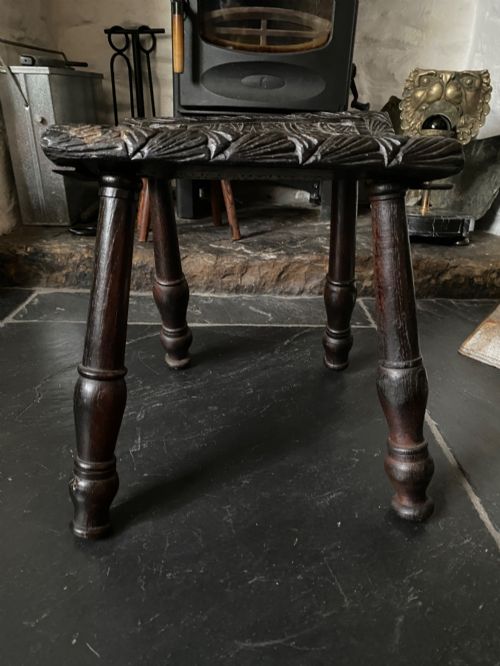
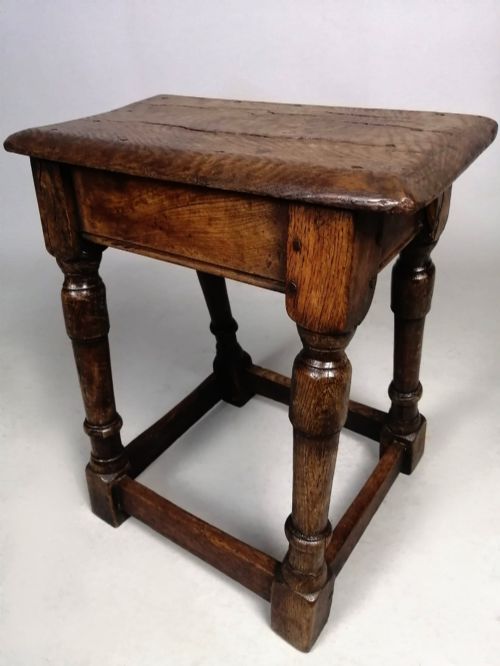
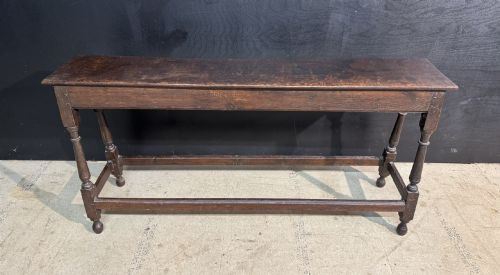
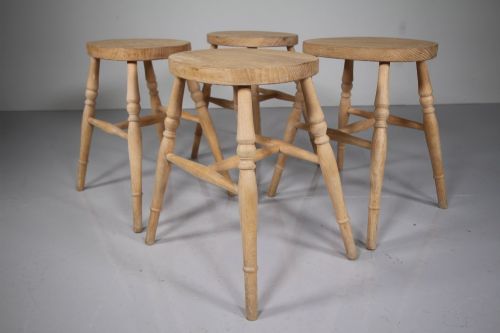
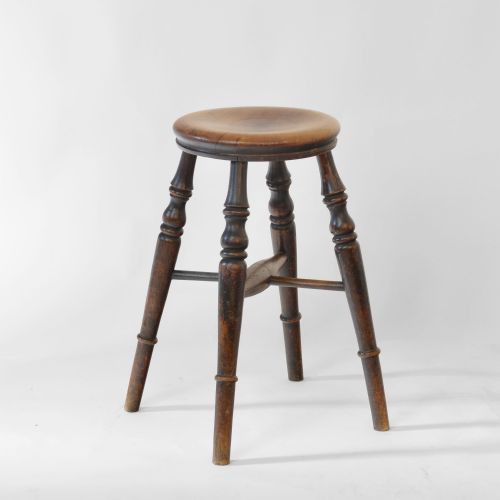
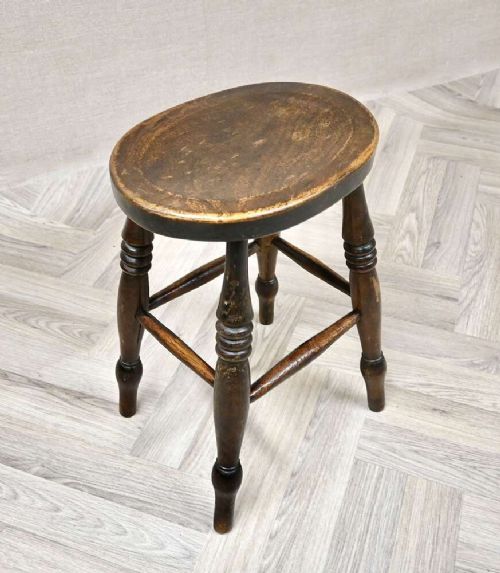
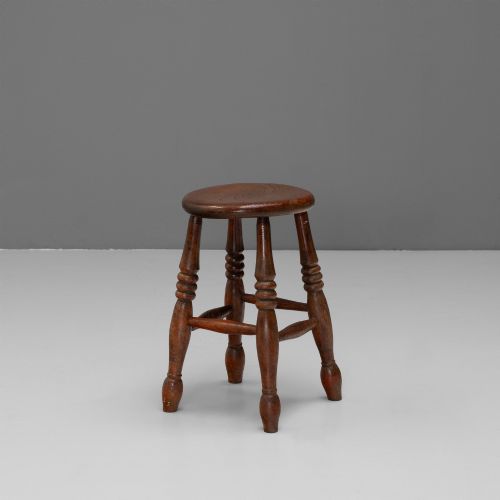
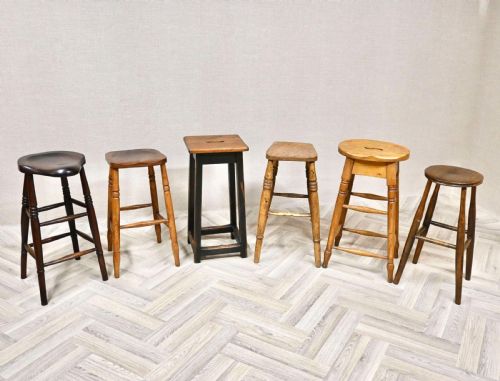
A country oak stool represents the utilitarian seating of rural domestic and working life, spanning the seventeenth century through to the Victorian era. These pieces encompass sturdy joint stools, low milking seats, tall tavern forms, and robust footstools designed for unpretentious utility rather than formal display.
The enduring appeal of a country oak stool lies in its straightforward construction and direct connection to provincial craftsmanship. Each piece reflects the specific demands of the household, workshop, or tavern where it served.
How they were made
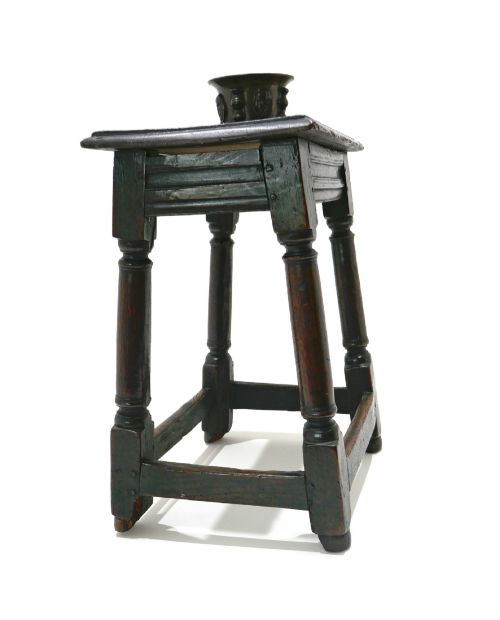
Maker-joiners constructed traditional joint stools using seasoned oak framing secured with pegged mortise and tenon joints. This rigid carpentry provided the load-bearing strength required for domestic chores and heavy daily wear.
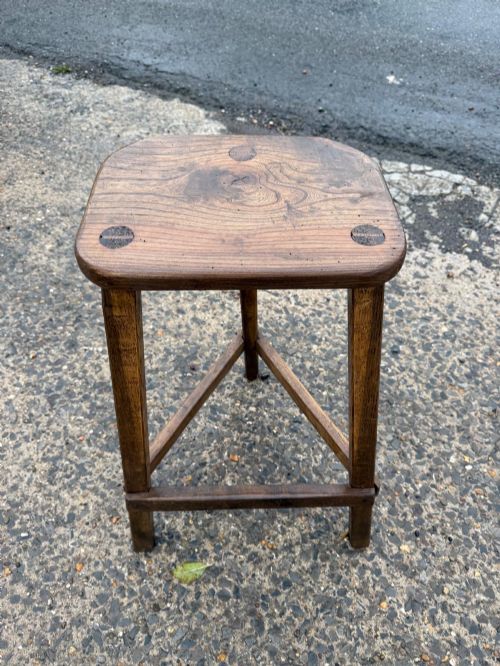
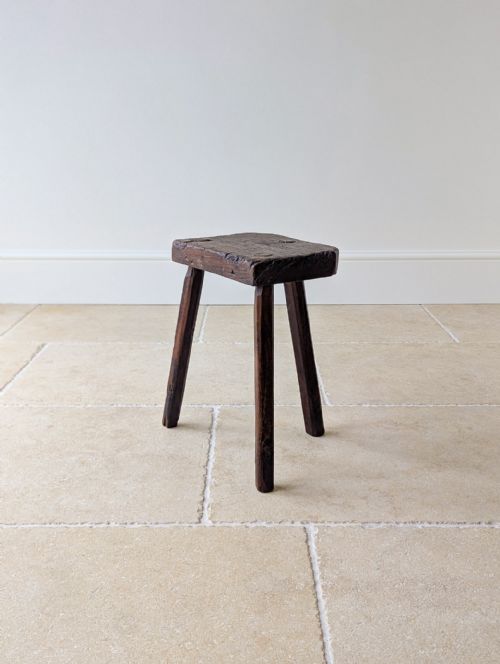
Seats often feature solid planks of oak or contrasting timbers like elm, shaped with a dished surface or held by splayed three-legged arrangements. Blacksmith-made iron repairs and brackets frequently appear on surviving pieces, recording generations of active service and maintenance.
Country Oak Stool Retail Price Guide 2026
Typical asking prices for country oak stool among the pieces listed under this phrase on Sellingantiques today, from the lower quarter to the upper quarter. They describe what is for sale here now, not the wider market.
One surviving piece retains a solitary leg, reminding us that country craft often adapted on the spot to make do with what was to hand.
What varies in quality
Quality in a country oak stool reveals itself in the integrity of the original construction and the depth of the surface timber. Untouched patination, rich colour achieved through age, and minimal intervention separate superior examples from heavily restored or replaced elements.
The balance of proportions and the fluidity of hand-sculpted seats distinguish skilled provincial work from crude utilitarian output. Original pegged joints and authentic blacksmith repairs add historical weight, whereas excessive modern tightening diminishes the character of the piece.
The Country Oak Stool Glossary
- Joint stool
- A sturdy, mortise-and-tenon framed wooden seat constructed by joiners rather than carpenters. These pieces were standard household items in the seventeenth and eighteenth centuries.
- Splayed legs
- Legs angled outwards from the seat centre for enhanced stability on uneven floors. This feature is frequently seen on vernacular milking and three-legged country stools.
- Plank top
- A seat or surface fashioned from solid boards of timber rather than framed panels. These boards often display deep shrinkage cracks and rich grain patination.
- Pegged construction
- A method of joining wooden components using tight wooden pins driven through mortise and tenon joints. This traditional technique predates modern metal fasteners.
- Vernacular furniture
- Domestic items built by local craftsmen using regional styles and available materials without academic design influence. These pieces prioritize function over fashionable ornamentation.
Country Oak Stool: Frequently Asked Questions
What is a joint stool?
A joint stool is an early form of wooden seating constructed with pegged mortise and tenon joints by traditional joiners. They served multiple household purposes, from sitting to reaching high shelves.
Unlike modern chairs, their rigid frame made them exceptionally strong and durable for daily domestic tasks.
How do I date an old stool?
Dating relies on observing construction methods, tool marks, timber selection, and wear patterns. Hand-pegged joints, adze marks, and traditional joinery point to earlier centuries.
Comparative analysis with documented examples helps narrow down the period of origin.
Are three-legged stools stable?
Three-legged stools naturally rest firmly on uneven stone or flagged floors without rocking. This design made them practical for milking cows or working in rustic settings.
Makers angled the legs outward to provide a wide, secure base despite the reduced number of supports.
How should I clean my stool?
Clean antique wood gently using a soft, dry cloth to remove dust without disturbing the surface patina. Avoid modern liquid polishes, which can build up and soften old wax finishes.
Applying microcrystalline wax occasionally will protect the timber and maintain its natural lustre.