





Traditional Oak Stool
These traditional oak stool examples bring honest utility and historic character into a room.
Traditional Oak Stool
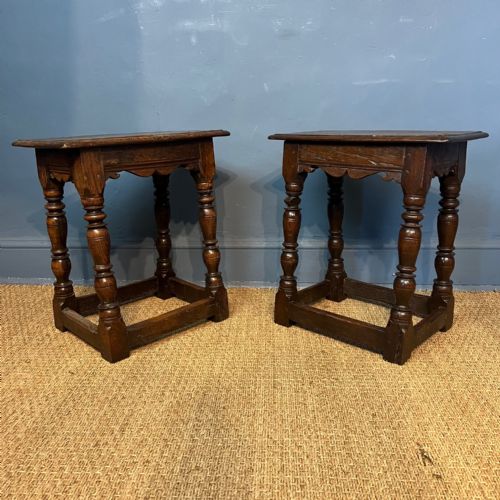
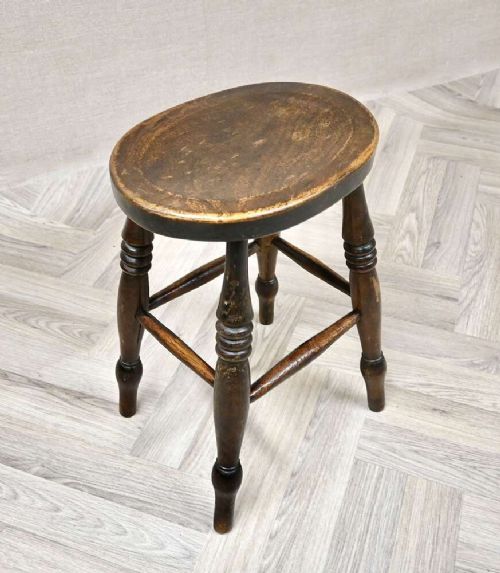
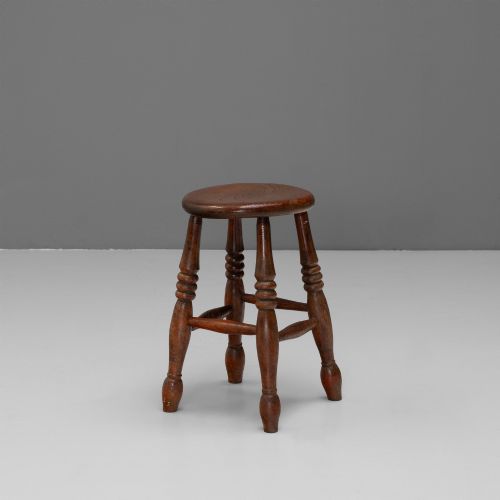
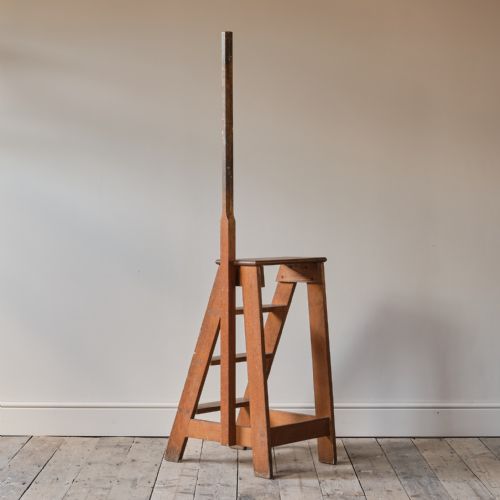
A traditional oak stool encompasses utilitarian seating and heavy timber construction originating across the eighteenth, nineteenth, and early twentieth centuries. Pieces range from simple milking seats and tavern stools to formal joint stools and metamorphic library steps.
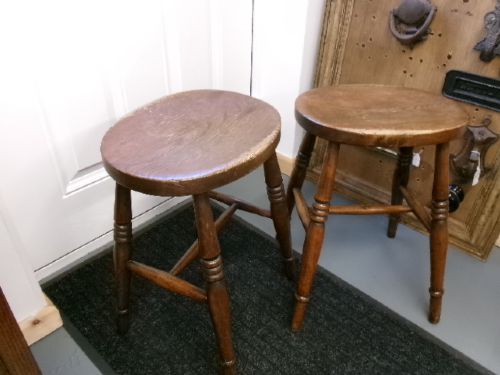
The version most commonly encountered on this page is the nineteenth-century country or joint stool, alongside Edwardian interpretations built in domestic workshops. These objects reflect both vernacular English country traditions and later revivalist periods.
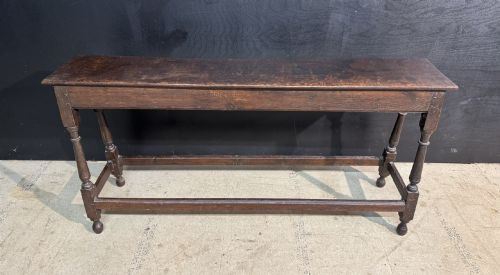
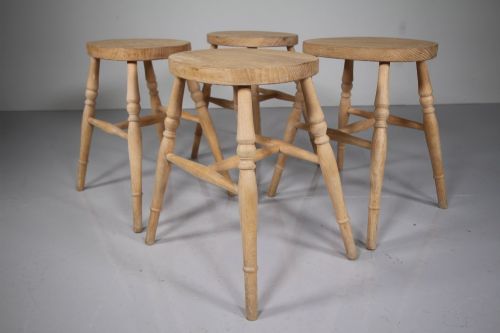
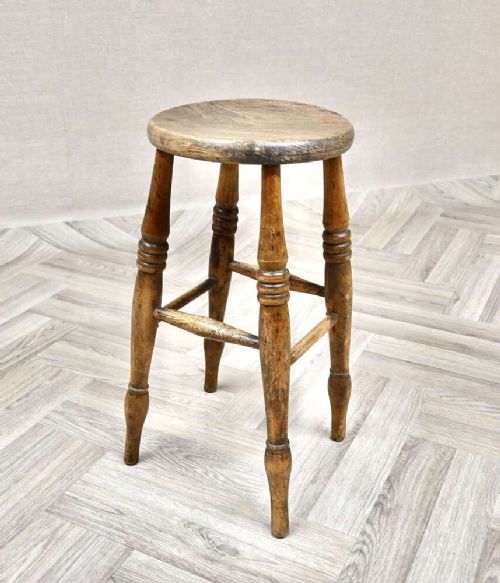
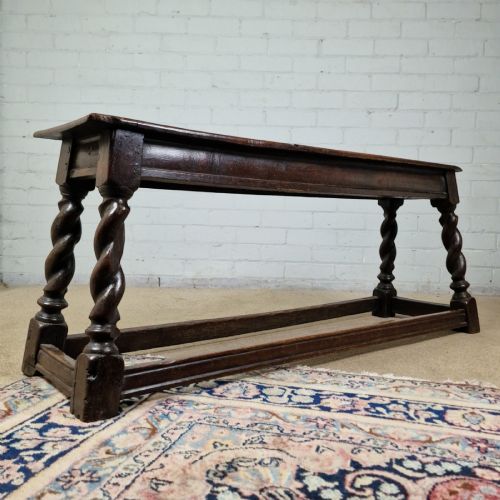
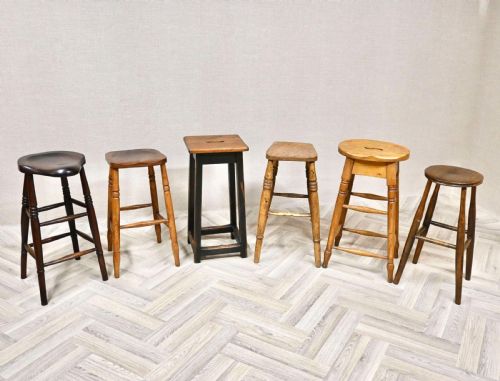
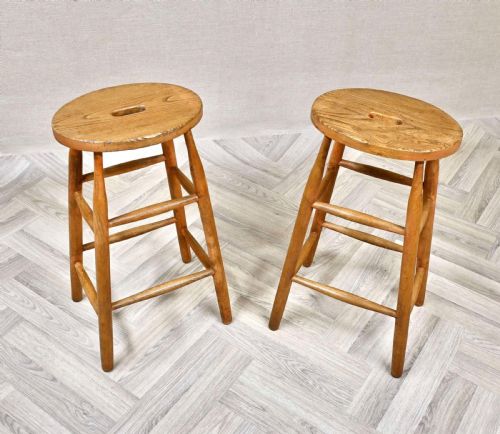
Forms span low footstools, tall bar seating, and long benches, frequently utilising mixed secondary timbers alongside primary oak. Their varied origins trace through farmhouse kitchens, public houses, and domestic libraries.
How traditional oak stool items were made
Maker construction relies heavily on solid oak, supported by secondary timbers like elm, ash, beech, and sycamore for legs, spindles, or seats. Pegged joints and traditional framing methods secure the structural integrity of heavy tops and legs.
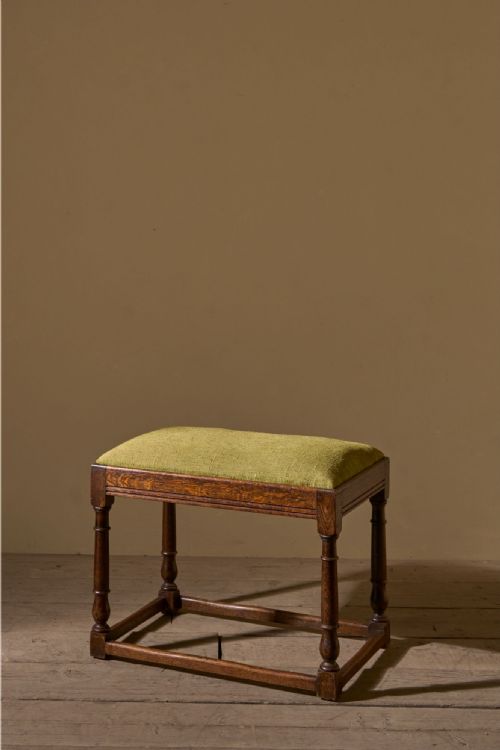
Surface finishes include natural wax polish or bleached treatments, occasionally complemented by woven rush seating or heavy linen upholstery. Joinery techniques range from simple three-legged turned pole insertions to pegged mortise and tenon frames.
Traditional Oak Stool Retail Price Guide 2026
Typical asking prices for traditional oak stool among the pieces listed under this phrase on Sellingantiques today, from the lower quarter to the upper quarter. They describe what is for sale here now, not the wider market.
Listings span the eighteenth, nineteenth, and twentieth centuries, featuring oak alongside elm, ash, beech, and rush materials.
What varies in quality in traditional oak stool designs
Subtle differences in timber selection and timber figure separate standard utility items from more ambitious country pieces. The presence of dense pollard oak or deeply dished solid seats marks out superior regional examples.
Originality of pegged construction and structural cohesion determine the standing of an item within its period. Untouched patination and unaltered height or foot profiles distinguish items retaining their authentic domestic context.
Jack Grimble
The Traditional Oak Stool Glossary
- Joint stool
- A sturdy wooden stool constructed with mortise and tenon joints secured by wooden pegs rather than turned legs driven into a seat.
- Milking stool
- A simple three-legged portable seat designed for agricultural labour, often featuring a primitive carved or shaped wooden top.
- Metamorphic
- Furniture designed to transform from one form to another, such as library steps that fold down into a chair ladder.
- Rush seat
- Seating constructed from woven marsh plants twisted around a wooden frame to create a flexible and durable platform.
- Pegged construction
- A traditional joinery method using wooden dowels to lock intersecting frame members securely in place without metal fasteners.
Traditional Oak Stool: Frequently Asked Questions
What is a joint stool?
A joint stool is a rigid wooden seat built with pegged mortise and tenon joinery, designed during earlier centuries for domestic utility.
These sturdy pieces often served multiple household functions, standing beside tables or acting as portable platforms.
How were country stools used?
Country stools provided movable seating around the hearth, farmhouse kitchen, or tavern table during daily domestic life.
Their simple three-legged or four-legged forms allowed stable placement on uneven flagstone floors.
How do I date an oak stool?
Dating relies on observing construction methods, timber patination, tool marks, and stylistic revival cues from periods like the Edwardian era.
Examining the wear patterns on feet and the type of pegging helps distinguish eighteenth-century forms from nineteenth-century revivals.