



Victorian Childs Rocker
A victorian childs rocker brings miniature craftsmanship and charm into a room, offering the same sturdy construction as full-scale furniture.
Victorian Childs Rocker
When you search for a victorian childs rocker, you encounter small-scale seating designed for young children and infants. These pieces mirror the popular furniture styles of the nineteenth century.
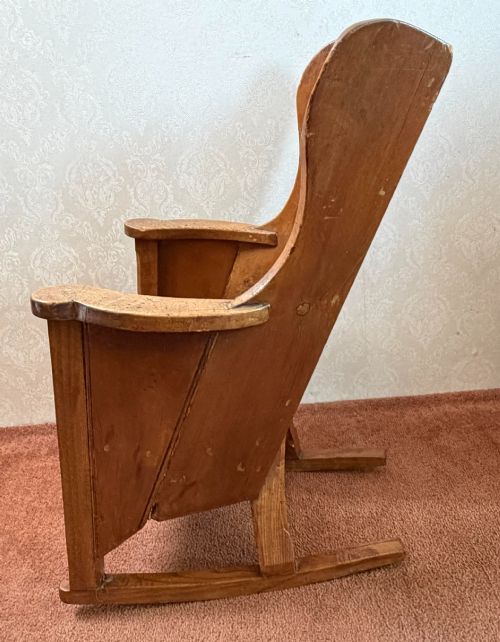
The selection here includes simple country vernacular forms alongside more finished chairs. You are most likely to meet wooden rocking chairs from the nineteenth century, often built for everyday domestic use.
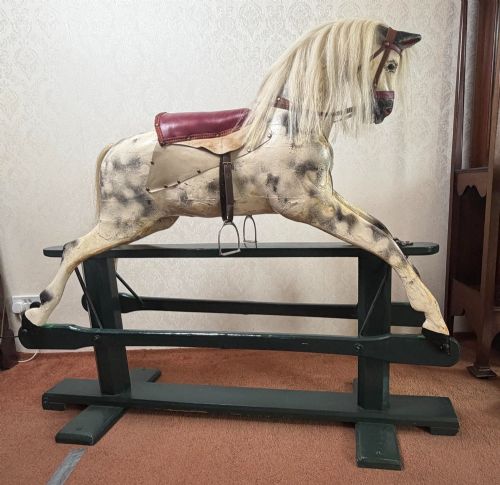
Beyond standard seating, the evidence shows related items such as rocking horses and Windsor designs. These objects demonstrate the variety of small rocking furniture produced during the period.
Materials and construction
Makers utilised a range of accessible timbers including ash, elm, pine, beech, and fruitwood. Solid wood construction provided the necessary durability for furniture intended for young users.
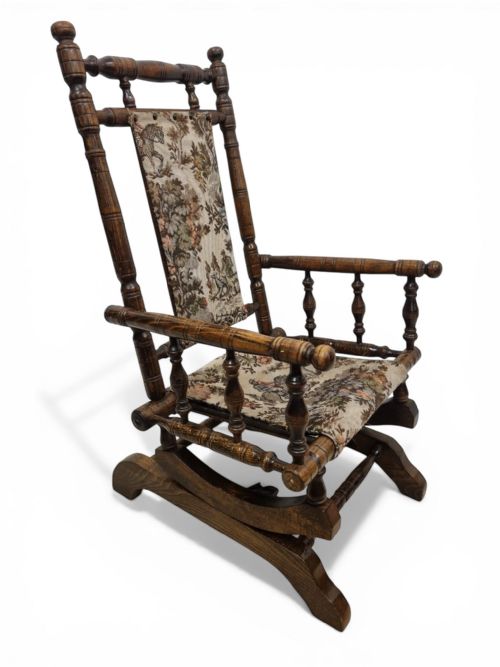
Traditional joinery methods secured the frames, while specific examples incorporated leather, cane, or tapestry upholstery. Bentwood techniques also appear, demonstrating industrial innovation alongside traditional carpentry.
Listings span from the mid-eighteenth century to the early twentieth century, incorporating pine, ash, elm, mahogany, and horsehair.
Judging quality and character
Quality rests on the selection of timber and the integrity of the original joints. Pieces shaped from dense hardwoods like fruitwood or elm generally show superior durability compared to softer alternatives.
Original surfaces and unaltered rockers distinguish better examples from heavily restored ones. The balance of proportions and the neatness of turnings separate standard utility pieces from finer vernacular work.
The Victorian Childs Rocker Glossary
- Windsor chair
- A chair built with a solid wooden seat into which the legs and back spindles are direct-inserted. This method creates a sturdy frame suited to domestic rocking chairs.
- Vernacular furniture
- Everyday objects made by local craftsmen using regional materials and traditional styles. These pieces prioritise practical utility over formal academic design.
- Bentwood
- Wood softened by steam and bent into curved structural forms. This technique created lightweight yet resilient frames seen in later nineteenth-century seating.
- Fruitwood
- Timber sourced from fruit-bearing trees such as pear or apple. Cabinetmakers valued these woods for their fine grain and warm tone.
Victorian Childs Rocker: Frequently Asked Questions
Were these rockers actually used by children?
Yes, these small chairs served as functional seating for toddlers and young children in domestic settings. Many exhibit the wear and tear of daily use.
Some smaller examples additionally functioned as doll rockers, but the majority were built to accommodate a child.
How do I date a wooden rocking chair?
Dating relies on observing construction methods, tool marks, and timber choices. Earlier pieces often display vernacular hand-turned spindles and solid plank seats.
Later nineteenth-century examples may incorporate factory-bent components or different upholstery materials typical of the period.
What woods were used for these chairs?
Makers selected local hardwoods and softwoods depending on availability and regional traditions. Common materials include ash, elm, beech, pine, and various fruitwoods.
More finished Victorian examples occasionally feature mahogany alongside standard framing timbers.
Where should I place a childs rocker at home?
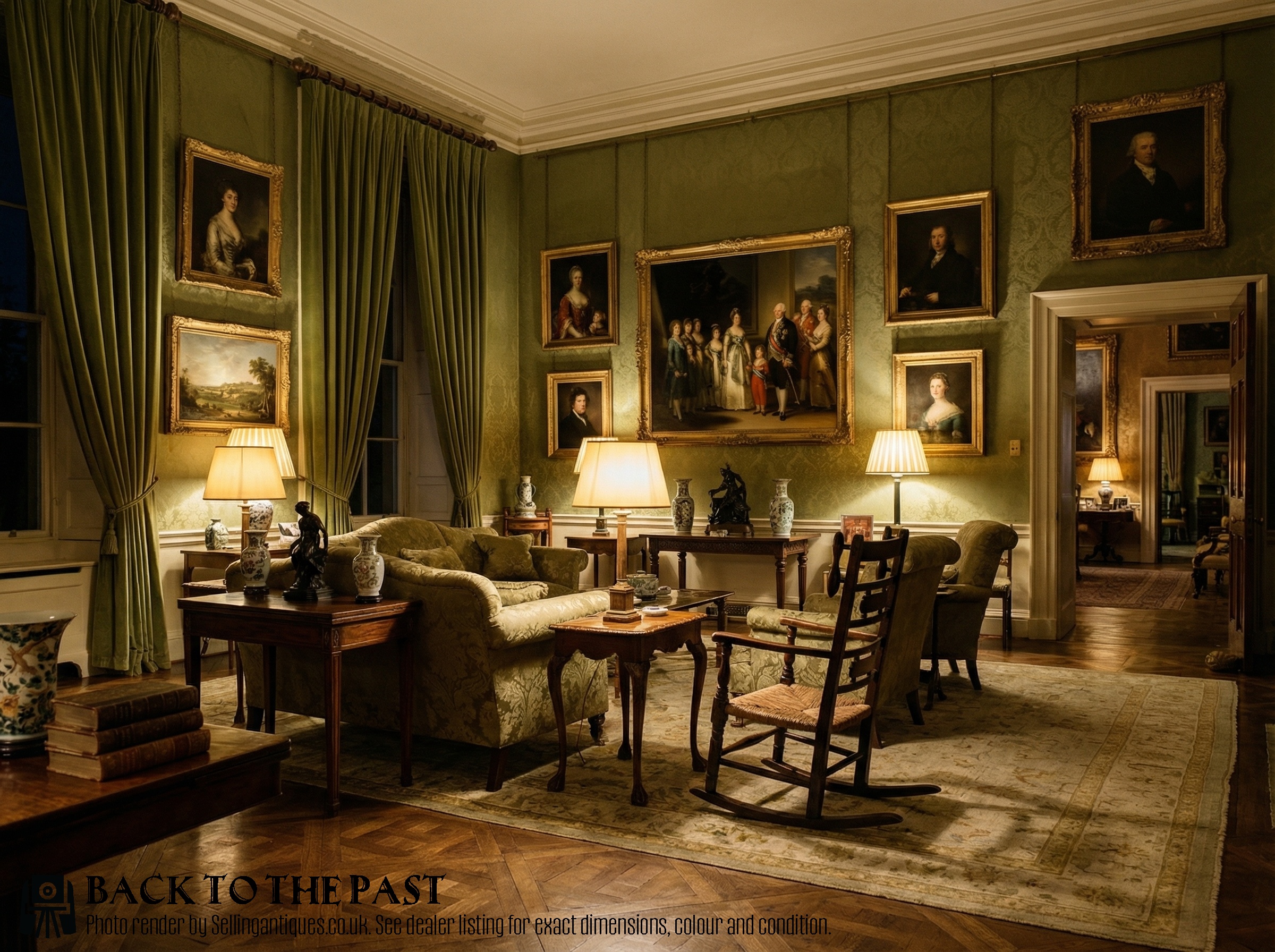
These compact pieces fit easily into corners, hallways, or living rooms as decorative display items. Their small scale allows them to sit comfortably alongside larger furniture.
Due to their historic nature, they work best as accent pieces rather than active seating.