
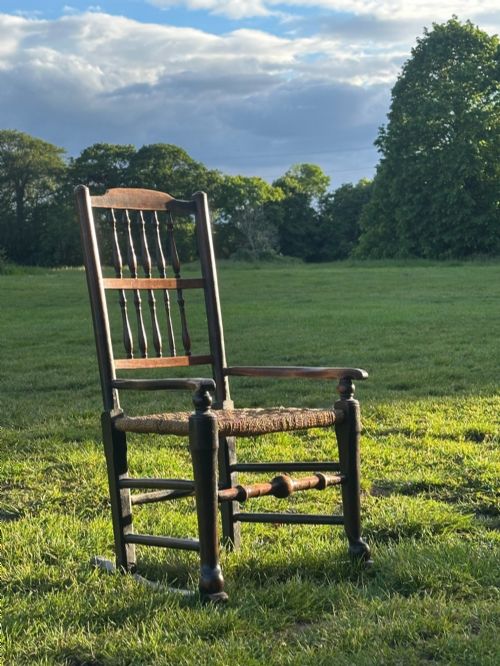
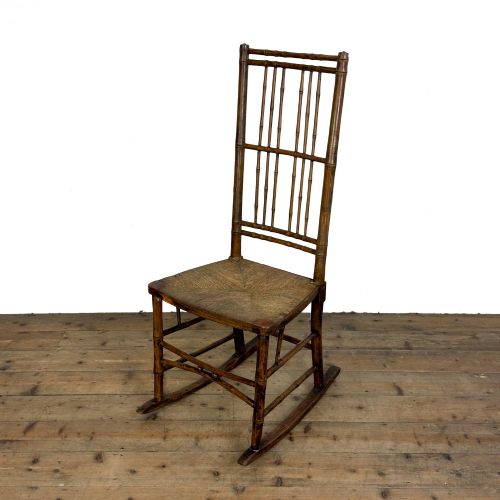


Rush Seat Rocking Chair
A rush seat rocking chair brings tactile country comfort and timeless movement into any room.
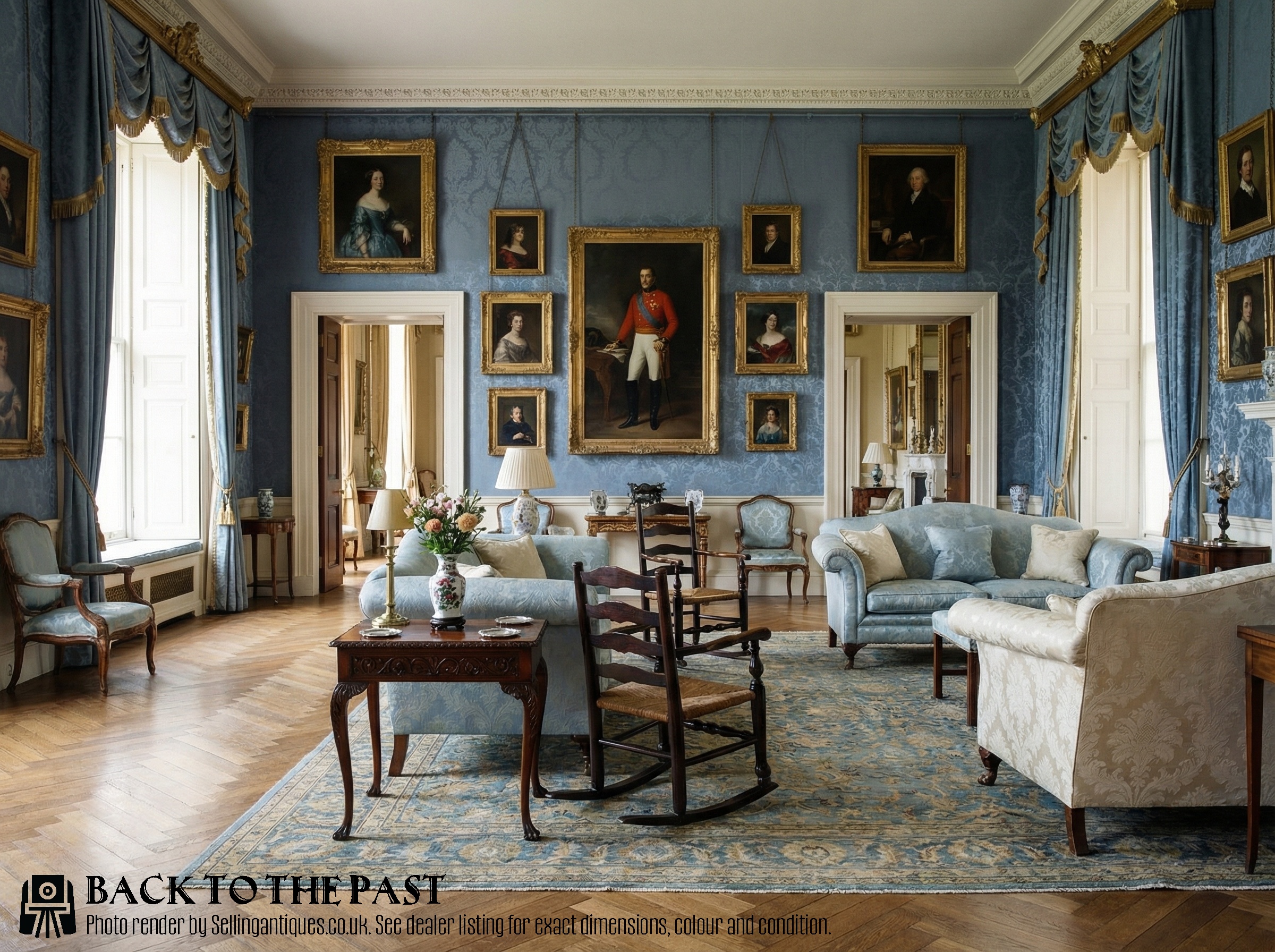
Rush Seat Rocking Chair
A rush seat rocking chair combines traditional seating with soothing motion, drawing on centuries of domestic craftsmanship. Buyers seeking a rush seat rocking chair encounter various expressions ranging from robust vernacular seating to lighter shaker and aesthetic interpretations.
The evidence shows forms spanning the eighteenth century through the Victorian era and into the early twentieth century. Common variations include childs rocking chairs, low armchairs, and ladder back designs originating from country houses and regional workshops.
Makers utilised native hardwoods to build chairs intended for daily domestic use. The combination of turned wood frames and woven seating creates a distinct silhouette recognisable in both adult and child sizes.
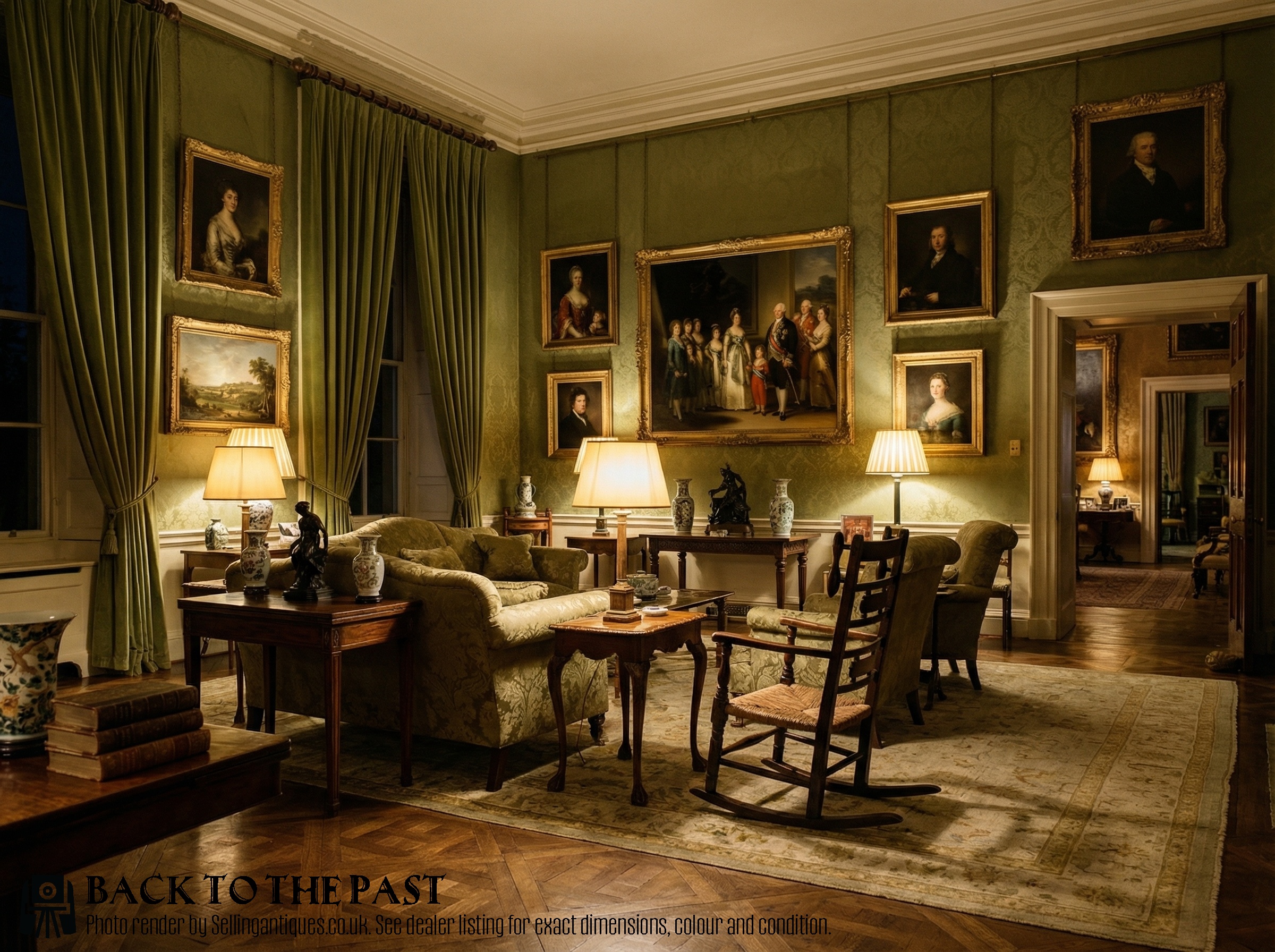
Materials and construction methods
Craftsmen built frames using regional timbers such as ash, elm, oak, beech, and mahogany, often pairing different woods for structural strength. Turning lathes shaped spindles and legs, while steam bending formed curved components for backs and rockers.
Seats utilise natural rush or sea grass woven tightly around wooden rails to form a durable, textured platform. Selected pieces retain original painted surfaces or polished wood finishes that record decades of handling and use.
Form variations include childs rocking chairs, ladder backs, and bar back armchairs with rush or sea grass seats.
Factors influencing quality and character
Quality rests in the integrity of the frame construction and the tightness of the woven seating. Finer examples display balanced proportions, delicate spindle turnings, and minimal replacement to original wooden members.
The retention of original paint, untouched patina, or early surface finishes elevates a piece above standard utility items. Chairs retaining their original rush weave without extensive repair demonstrate careful historical preservation.
The Rush Seat Rocking Chair Glossary
- Rush
- A marsh plant material woven into durable seat pads for vernacular seating. It provides a flexible yet sturdy surface that softens with age.
- Ladder back
- A chair back featuring multiple horizontal wooden rails between two upright posts. This traditional form offers strong lumbar support in country seating.
- Vernacular
- Objects made by regional craftsmen for local domestic use rather than following strict high-style court designs. These pieces emphasise practical function and local materials.
- Spindle
- A slender, turned wooden rod used as a decorative or structural element in chair backs and arms. Lathe work defines the profile of each individual component.
Rush Seat Rocking Chair: Frequently Asked Questions
How do I care for a rush seat?
Keep woven seats away from excessive moisture and direct sunlight to prevent the natural fibres from becoming brittle.
Clean gently with a dry brush to remove dust from between the woven strands without damaging the material.
Are these chairs suitable for daily use?
Most examples were built for robust domestic life and handle normal sitting well.
Heavier use requires checking the stability of the rocker runners and wooden joints periodically.
How do I date an older rocking chair?
Examine tool marks, timber selection, and construction methods to gauge the period of manufacture.
Turned profiles and framing styles often align with Georgian or Victorian cabinetmaking traditions.
Why do some chairs have painted finishes?
Country makers frequently applied paint to protect cheaper mixed timbers or to match domestic interiors.
Original paint layers add significant historical value and visual charm to vernacular furniture.