






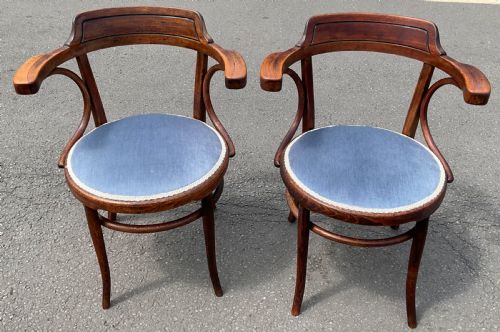

Thonet Bentwood Chair
When you search for a thonet bentwood chair, you find steam-formed seating designed for everyday commercial and domestic use.
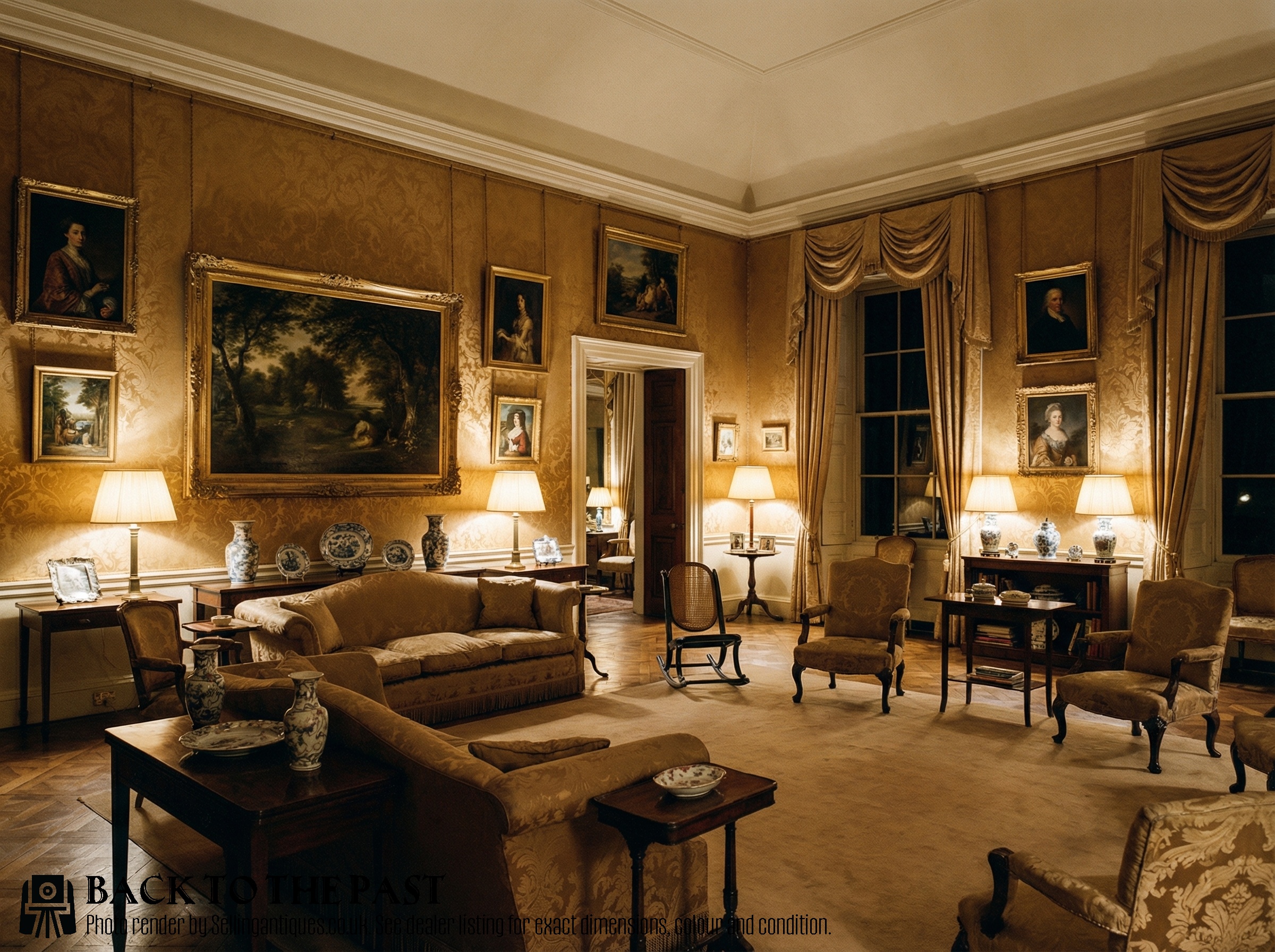
Thonet Bentwood Chair
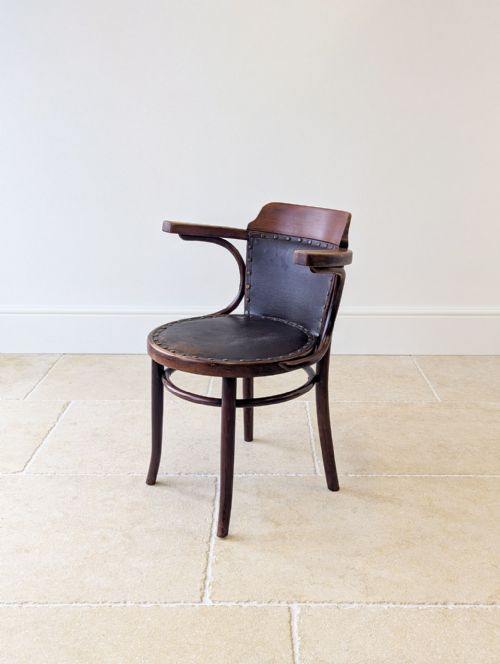
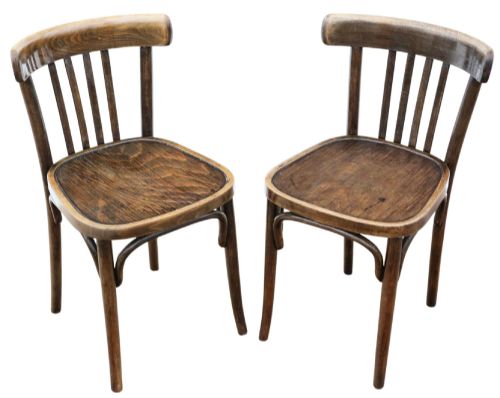
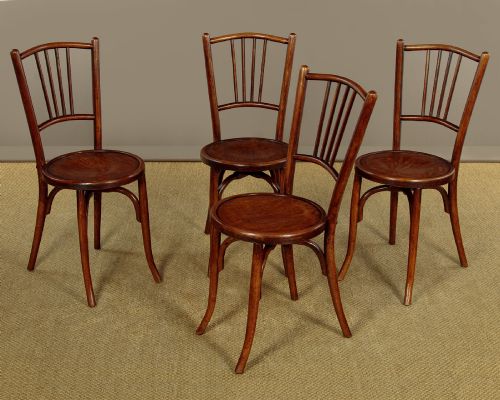
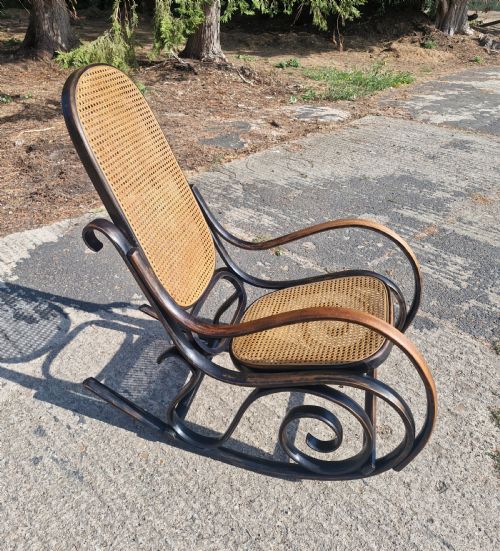
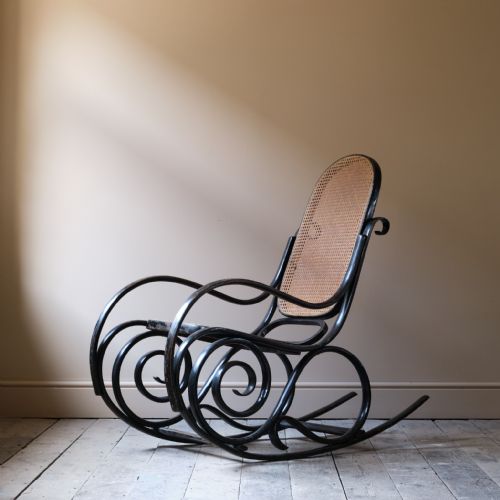
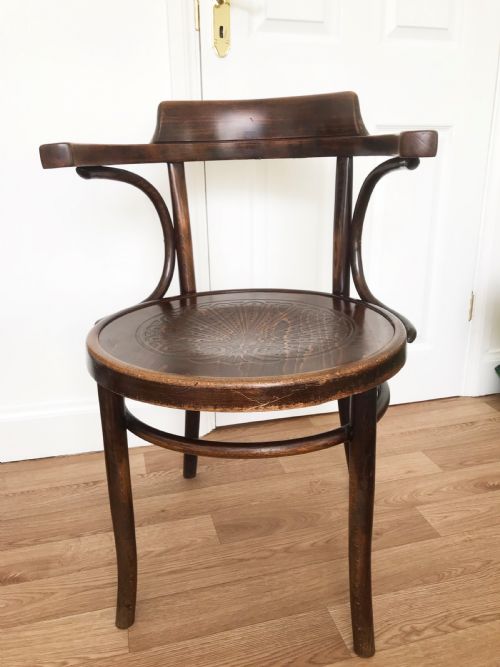
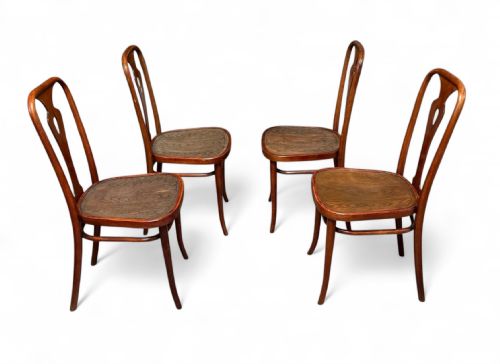
A thonet bentwood chair encompasses light, sturdy seating created through steam-bending solid timber. You will frequently encounter dining chairs, bistro chairs, and rocking chairs originating from the nineteenth and twentieth centuries.
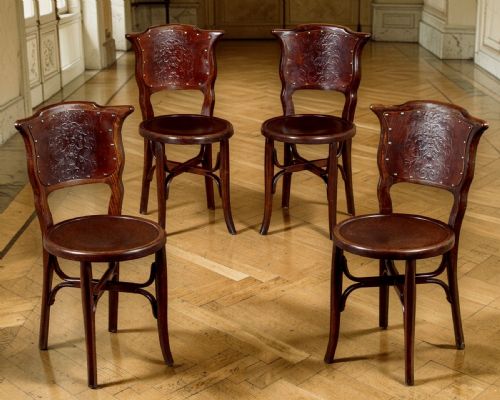
Makers produced these forms in sets or single pieces for cafes, offices, and homes, utilising innovative industrial methods. Surviving examples reflect styles ranging from plain Victorian models to Vienna Secession designs.
How they were made
Craftsmen subjected solid beech or beechwood rods to steam until the timber became pliable enough to pull into smooth curves around iron forms. Once dried, these bent components formed structural chair backs and frames with minimal joints.
Makers integrated cane, plywood, embossed panels, leather, or fabric for seats, securing them to the frames with screws or glue. Additional materials such as brass and painted finishes appear on specific desk and rocking chairs.
The archive demonstrates pieces spanning from the nineteenth century through the Edwardian period, Art Nouveau, and mid-century modern eras.
What varies in quality
Quality rests in the precision of the steam bends and the thickness of the original timber. Thinner, more brittle sections or poorly aligned joints alter the structural integrity of a piece.
Jacob and Josef Kohn·Codina·Thonet·Fischel·Mazovia
The Thonet Bentwood Chair Glossary
- Bentwood
- Wood that has been rendered pliable by steam and shaped into curves. This technique defines the entire category of seating.
- Cane
- Woven rattan material used to create breathable, lightweight chair seats. It provides flexibility and traditional texture.
- Embossed seat
- A plywood seat stamped with a decorative pressed pattern during manufacturing. This detail often indicates specific production eras.
- Vienna Secession
- An artistic movement influencing early twentieth-century furniture design. It brought geometric lines and modernist touches to bentwood forms.
- Bistro chair
- A lightweight dining chair built for commercial hospitality spaces. These pieces formed the backbone of European cafe culture.
Thonet Bentwood Chair: Frequently Asked Questions
How do I date a bentwood chair?
You date these chairs by examining maker stamps, paper labels, and structural complexity. Early nineteenth-century examples often feature simpler construction compared to later decorated models.
Changes in screw types and seat embossing patterns also help narrow down the decade of production between the Victorian era and the mid-twentieth century.
Are bentwood chairs sturdy enough for daily use?
These chairs were originally engineered for bustling European cafes and domestic dining rooms. Their steam-formed construction distributes weight effectively across continuous wooden curves.
Providing the glued joints and cane or plywood seats remain sound, they easily handle everyday modern seating.
What is the difference between a bistro chair and a rocking chair?
Bistro chairs are upright, lightweight dining seats designed to tuck easily under tables in cafes and homes. Rocking chairs feature extended curved runners attached to the base for motion.
Rockers often incorporate wider armrests and more expansive bentwood framing to support a reclining posture.
How should I care for cane seats?
Cane seats require occasional cleaning with a damp cloth to maintain moisture in the natural rattan fibres. Avoid placing them near direct heat sources that can dry out and snap the woven material.
If the cane sags, light damping of the underside can encourage the natural fibres to tighten as they dry.