


Caned Mahogany Seat
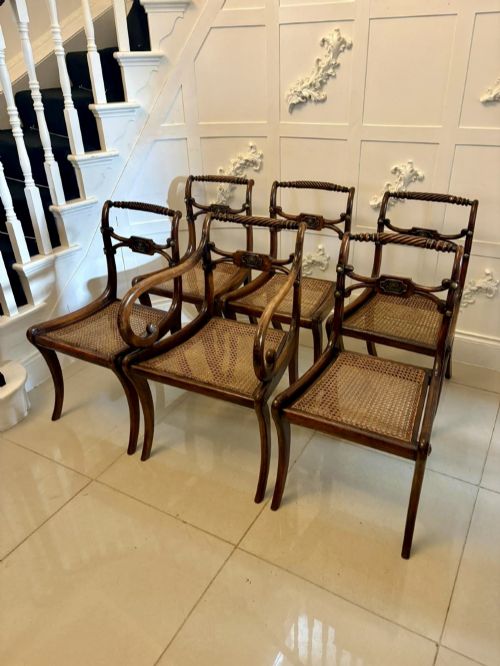
A caned mahogany seat brings the crisp architectural lines of classical revival periods together with the resilient spring of woven rattan.
Caned Mahogany Seat
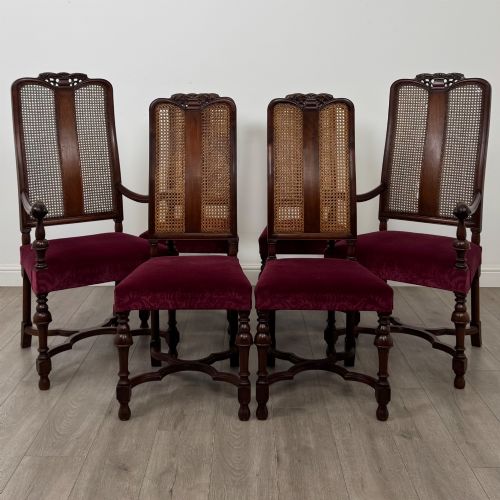
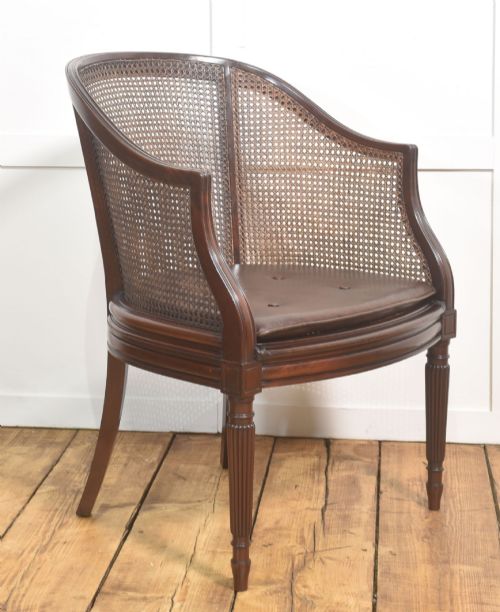
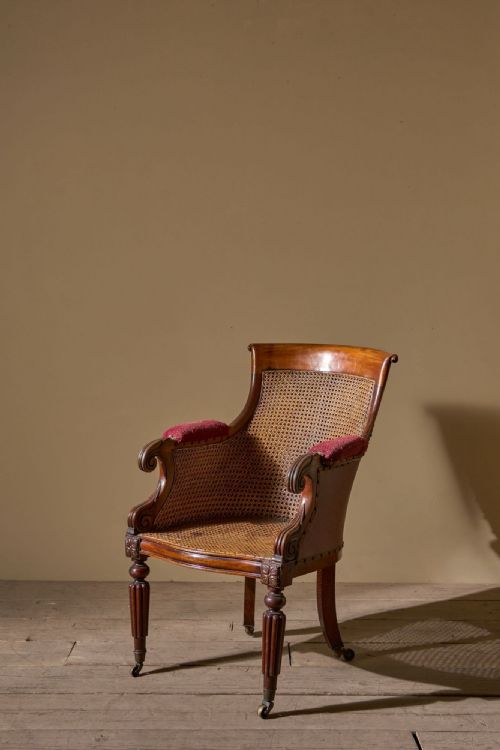
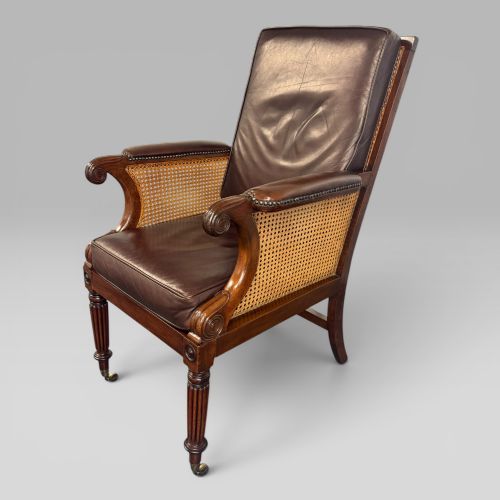
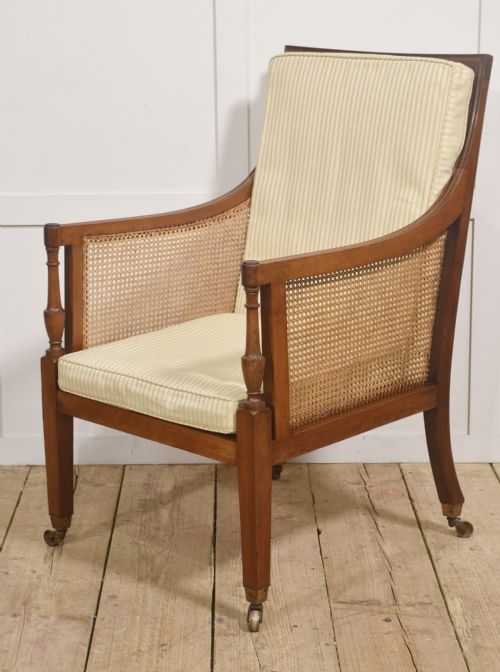
A caned mahogany seat spans forms ranging from robust library armchairs and dining sets to low bedroom chairs and children's high chairs. Buyers investigating a caned mahogany seat typically encounter pieces originating from the Regency, Georgian, Victorian, and Edwardian eras, each carrying distinct regional and stylistic traits.
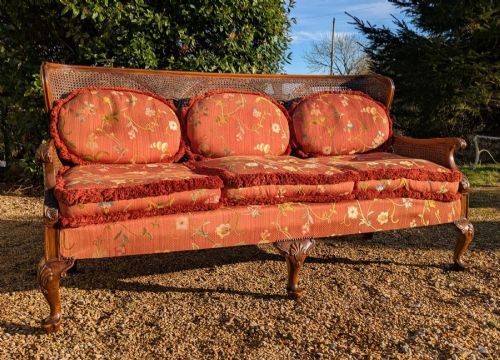
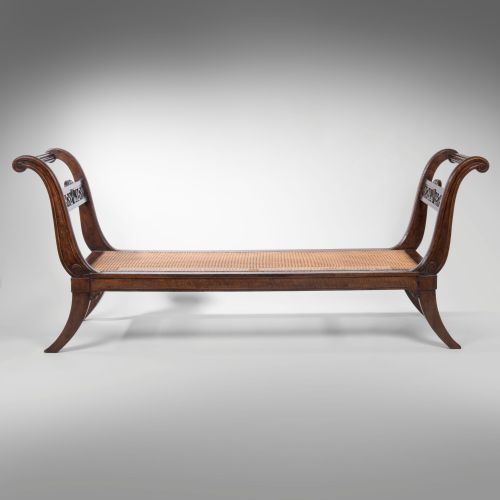
The assortment on offer leans heavily toward library armchairs and dining suites, alongside window benches and occasional parlour seating. These seating options combine the structural density of hardwood frames with woven cane panels designed for flexible support.
Materials and Construction Methods
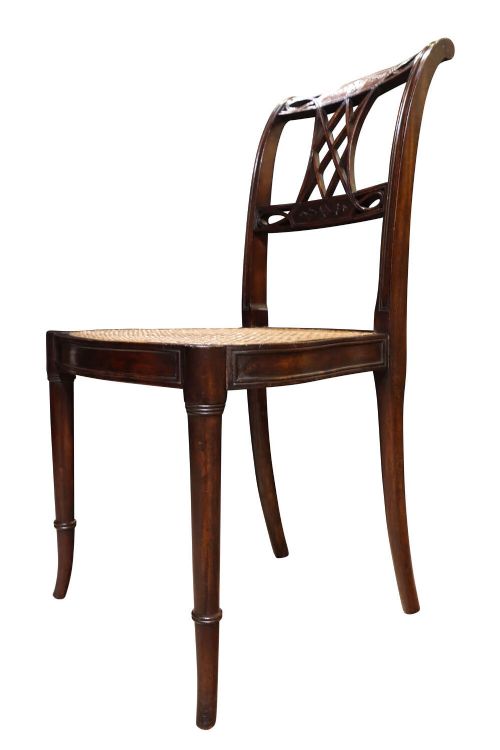
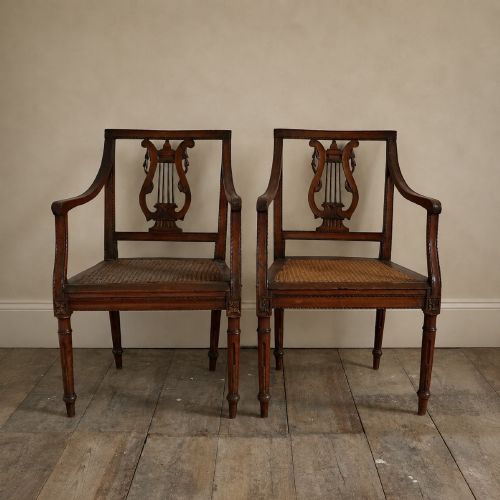
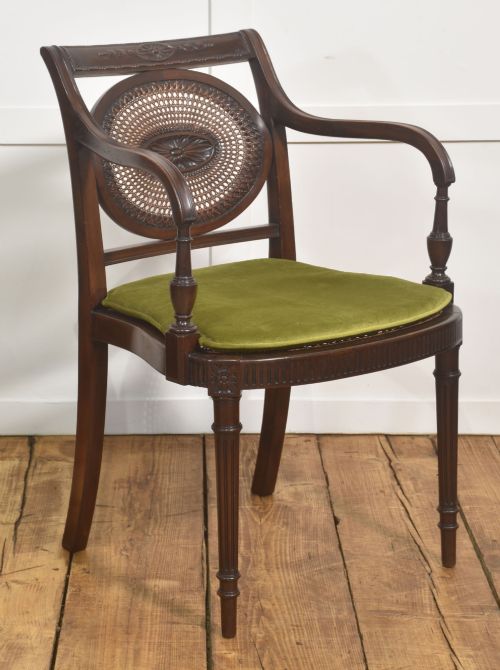
Makers utilised dense tropical hardwood for the primary frames, turning or carving the timber into sabre legs, lyre backs, and scrolled arm supports. This dense wood provides the necessary tensile strength to anchor tightly tensioned woven cane without splitting the rails.
The seating surfaces and backrests utilise natural rattan cane threaded through drilled holes along the frame rebate. Additional luxury elements such as brass mounts, leather accents, and feather cushions occasionally accompany the primary hardwood and cane construction.
Victorian craftsmen even built specialised musician's chairs and child-sized plantation loungers so the smallest household members could relax in tropical style.
Distinctions in Quality and Execution
Quality rests primarily in the harmony of the proportion, the crispness of the timber carving, and the tightness of the weave. Better examples display well-drawn frames with generous proportions, balanced rail thickness, and finely pierced splats.
The execution of the cane work dictates the tactile success of the piece, where even tension across every strand prevents premature sagging. Superior cabinet work reveals itself in tight joinery at the corners and the choice of unblemished hardwood stock.
The Caned Mahogany Seat Glossary
- Klismos
- An ancient Greek chair form revived during the Regency period characterised by concave curved legs and a sweeping curved backrest. This classic line provides exceptional ergonomic support.
- Carver
- An armchair designed to match a set of single dining chairs, traditionally positioned at the head of a table. These pieces frequently incorporate elbow rests and open arm styling.
- Sabre leg
- A sharply tapered, outwardly curved leg resembling a cavalry sword. This form appears frequently on Regency dining and library chairs.
- Sheraton Revival
- A late nineteenth and early twentieth-century design movement recreating the elegant, neoclassical furniture forms of the eighteenth century. Pieces from this revival often include delicate inlay work.
Caned Mahogany Seat: Frequently Asked Questions
How do I date a caned mahogany seat?
Dating relies on examining the timber preparation, the style of the leg turns, and the weave pattern of the cane. Regency and Georgian examples display hand-cut joinery and heavy classical motifs, whereas Edwardian pieces often reveal lighter machine-prepped frames.
Secondary materials like brass or inlaid veneers also provide chronological markers. Comparing the overall proportions against known period pattern books helps narrow down the decade of manufacture.
Were these seats used exclusively in libraries?
While library armchairs and bergères form a large part of the surviving record, these seats served varied domestic roles. Smaller versions functioned as bedroom chairs, music seats, or children's high chairs.
Larger sets outfitted formal dining rooms, while window seats and settees furnished long hallways and drawing rooms. The inclusion of cane kept the furniture light enough to move easily around the house.
How do I care for antique cane?
Natural rattan requires moderate humidity to prevent the fibres from becoming brittle and snapping under tension. Regular dusting with a soft brush keeps debris from settling in the tiny gaps of the weave.
Avoid placing these seats near direct heat sources or in intense sunlight. Applying a very light damp cloth occasionally helps maintain moisture in historic cane without saturating the timber.
What distinguishes Regency style from original Regency?
Original Regency pieces date from the early nineteenth century and carry the direct influence of classical archaeology and current cabinet-making technology. Regency style pieces usually represent later revival movements from the Edwardian period.
Examining the tool marks on the underside of the frame often clarifies the production era. Revival pieces show modern sawing techniques while retaining the classical aesthetic of the original Regency workshops.