
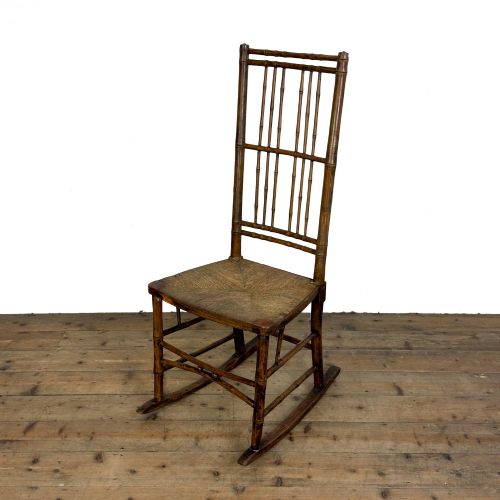
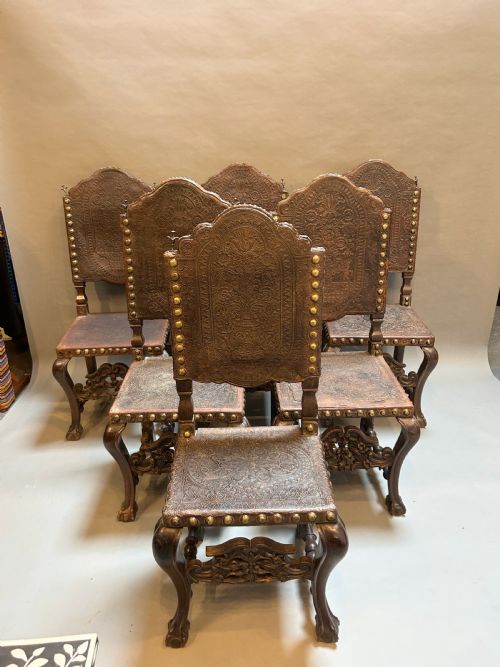


Brown Wood High Chair
A brown wood high chair is a sturdy vernacular seat raised for a child or fashioned with an elevated back, offering rustic character to a room.
Brown Wood High Chair
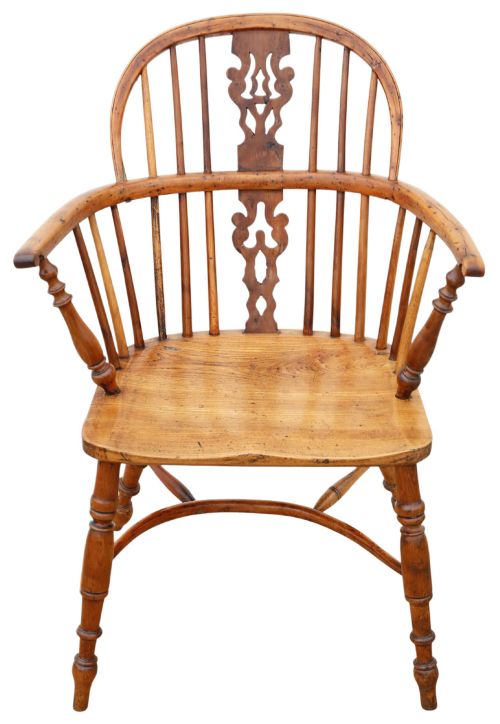
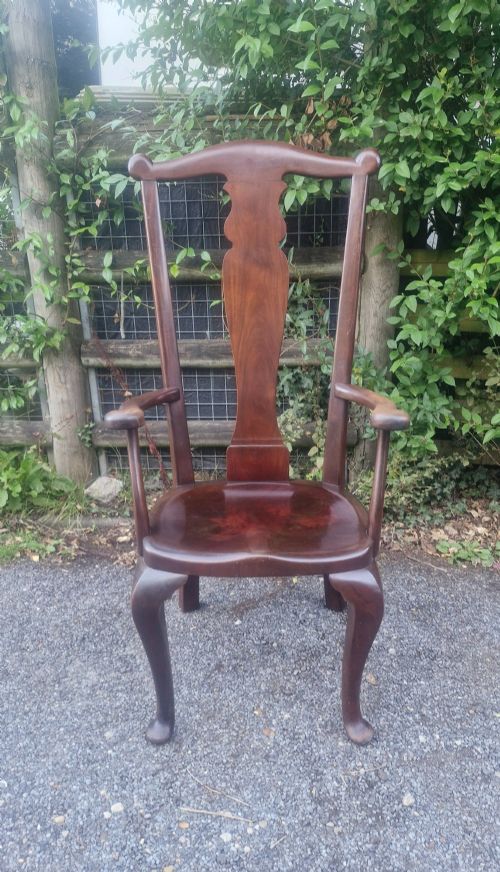
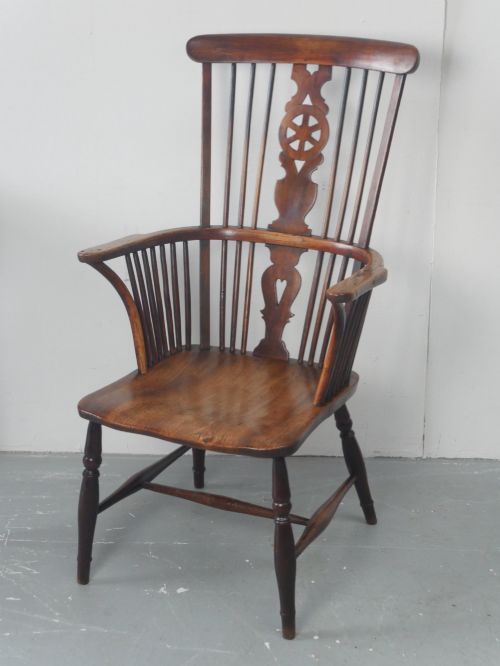
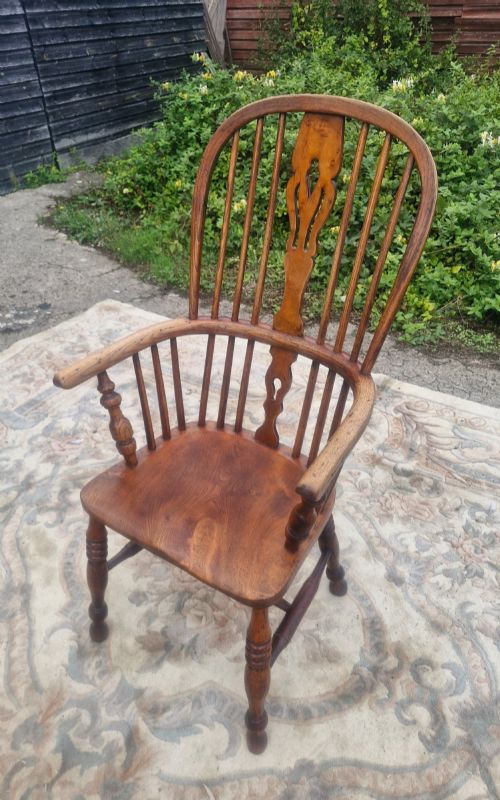
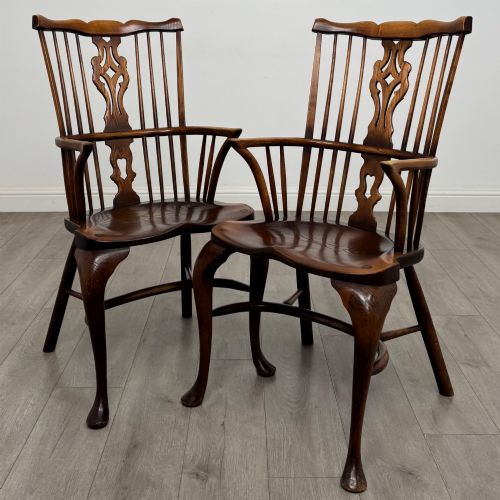
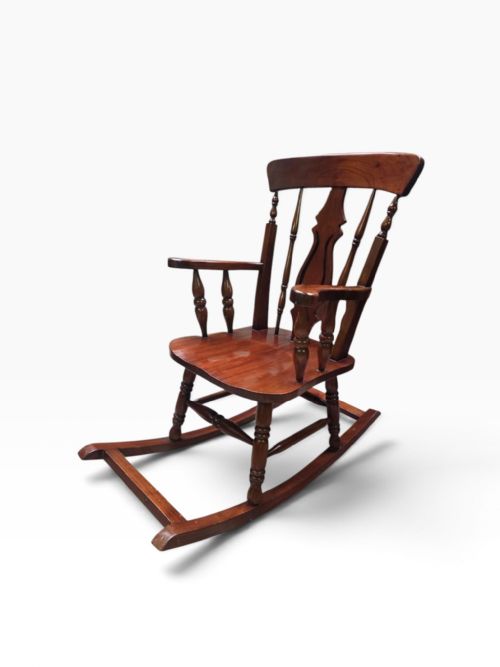
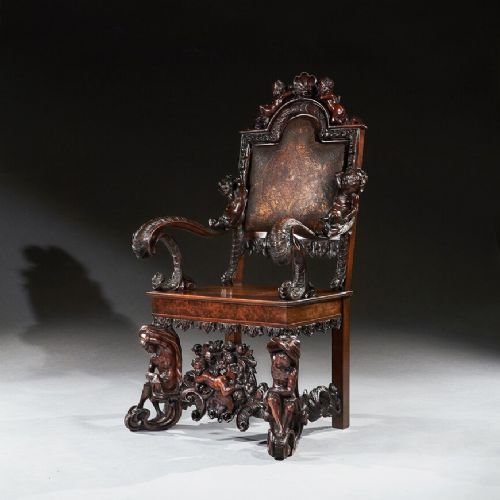
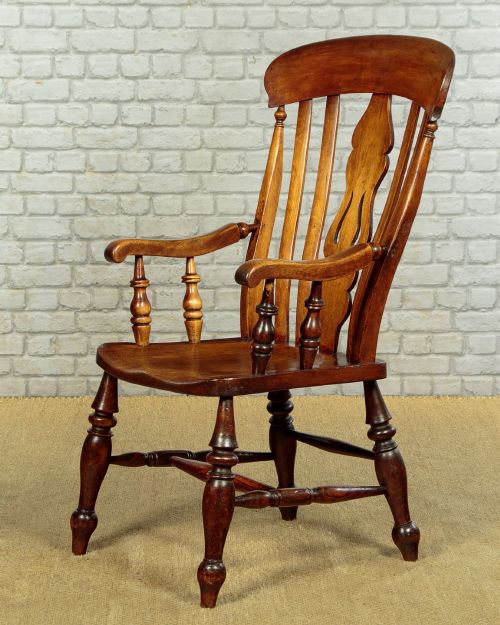
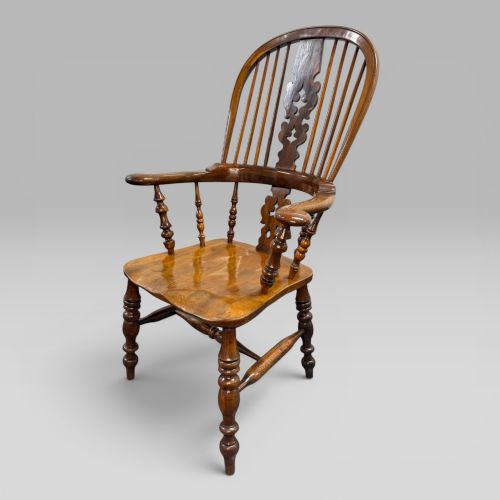
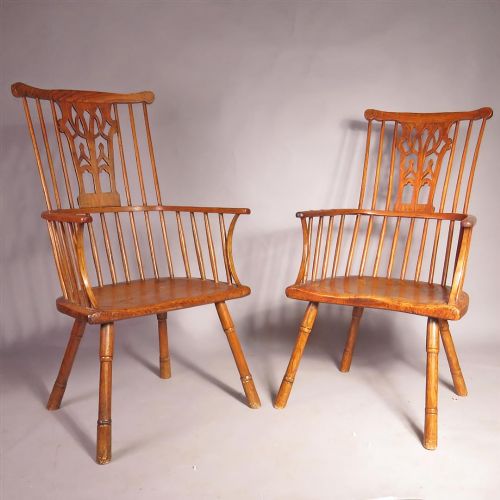
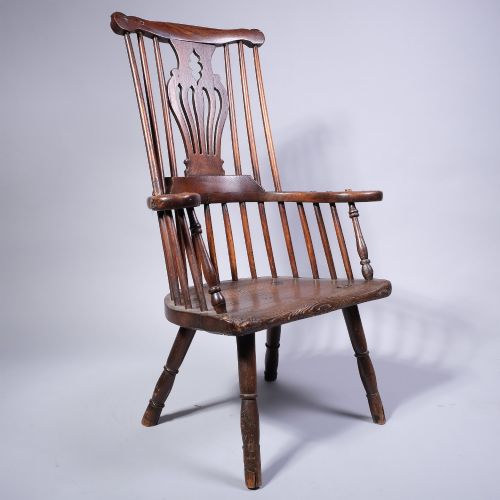
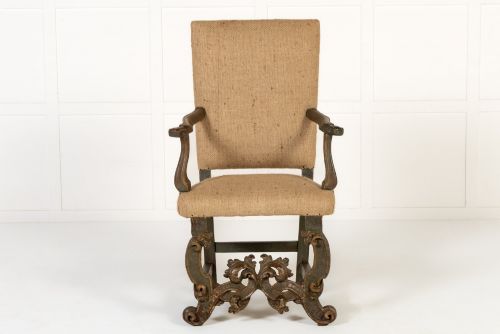
A brown wood high chair brings together traditional domestic seating and elevated child or high-back forms found in the nineteenth and eighteenth centuries. The pieces on this page span vernacular country styles such as English Country, Georgian, and Victorian.
Buyers encounter regional Windsor forms alongside formal dining and desk chairs built from native timbers. These seating pieces serve both as decorative items and functional chairs rooted in historical cabinet making.
Materials and construction
Craftsmen built these chairs using native hardwoods such as elm, oak, yew, fruitwood, and ash, often combining two or three timbers in a single frame for structural strength. Seat bases were typically carved from solid elm or fruitwood, while spindles and legs utilised ash or yew.
Joinery relied on traditional stick and Windsor techniques where turned legs and back spindles fit directly into bored holes within the solid plank seat. Frame construction also employed mortise and tenon joints secured with wooden pegs.
Listings feature items spanning the seventeenth century through to the Edwardian period, constructed in elm, oak, yew, mahogany, and ash.
Differences in quality
Quality rests upon the selection of timbers and the finesse of the turning on the legs and spindles. Chairs with distinct grain patterns in the yew or elm display a higher grade of material selection by the maker.
Structural integrity and the retention of original components dictate the standing of a piece. Examples that retain their original surface patination and balanced proportions without excessive replacement timber stand apart from heavily altered items.
Duncan McKellar of Fenwick·Gabbitass of Worksop·Andrea Brustolon
The Brown Wood High Chair Glossary
- Windsor chair
- A wooden chair constructed with a solid timber saddle seat into which the back legs and spindles are wedged directly. This form developed deep roots in English country vernacular furniture.
- Comb back
- A Windsor chair variation where the top rail resembles the teeth of a comb, often featuring an extension of the central vertical spindles. This design provides robust support to the upper back.
- Vernacular
- Furniture made by local regional craftsmen using traditional methods and native materials rather than following strict metropolitan academic designs. These pieces reflect the practical needs of rural households.
- Carver
- An armchair, particularly one designed for use at the head of a dining table or as a companion to smaller side chairs. They frequently feature open elbow rests.
- Broadarm
- A Windsor chair featuring an exaggerated, wide flat wooden armrest on one or both sides for writing or resting. This regional variant is particularly associated with Yorkshire.
Brown Wood High Chair: Frequently Asked Questions
What woods are used in brown wood high chairs?
Makers selected native timbers such as elm, ash, yew, oak, and fruitwood. These woods provided the necessary flexibility for steam-bent components and the density required for solid plank seats.
Different timbers were frequently combined within a single frame to balance weight and durability.
How do I identify a Windsor style high chair?
A Windsor chair is characterised by its heavy solid wood seat, into which the legs and back spindles are anchored independently. This construction method avoids bulky underframes.
Regional variations include comb backs, high backs, and broad arms.
Are these chairs suitable for daily use?
Most of these chairs were built for enduring domestic service using robust timbers and traditional joinery. Their solid construction allows them to withstand regular seating when placed on level floors.
Care should be taken to maintain stable humidity levels to protect antique wood joints.
How are different periods distinguished?
Eighteenth-century examples often display simpler, heavier turning and generous proportions suited to country houses. Nineteenth-century pieces reflect Victorian revival interests and industrial timber preparation.
Stylistic cues like faux bamboo or Carolean carving point directly to Victorian revivals.