
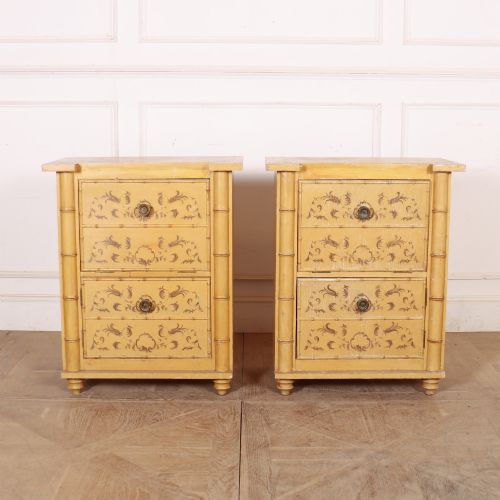


French Faux Bamboo Furniture
French faux bamboo furniture brings whimsical ingenuity to interiors, transforming sturdy European hardwoods and metals into convincing oriental cane.
French Faux Bamboo Furniture
French faux bamboo furniture encompasses an eclectic mix of practical household items shaped by nineteenth-century Japonisme and the Aesthetic Movement. These pieces span bedroom, hallway and occasional furnishings produced from the mid nineteenth century through to the early decades of the twentieth century.
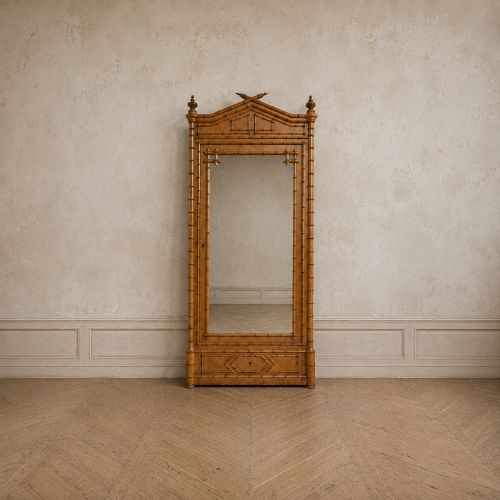
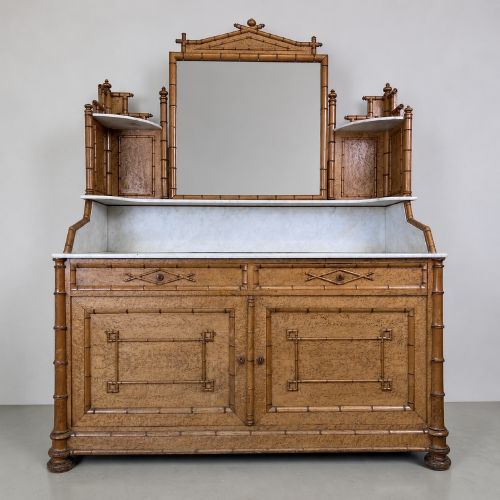
Buyers encountering this selection will find a diverse range of forms, from substantial mirrored armoires and marble-topped washstands to smaller bedside cabinets, side chairs and hall stands. The aesthetic borrows heavily from nineteenth-century continental tastes, interpreting natural cane structures through European cabinetmaking traditions.
Construction relies heavily upon domestic timbers and alternative materials styled to mimic exotic grasses, resulting in items that served both utilitarian and decorative roles in period homes. The surviving examples demonstrate how continental workshops adapted imported motifs into everyday domestic utility.
How they were made
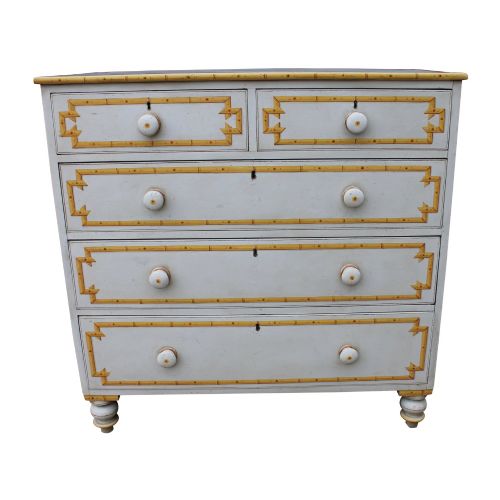
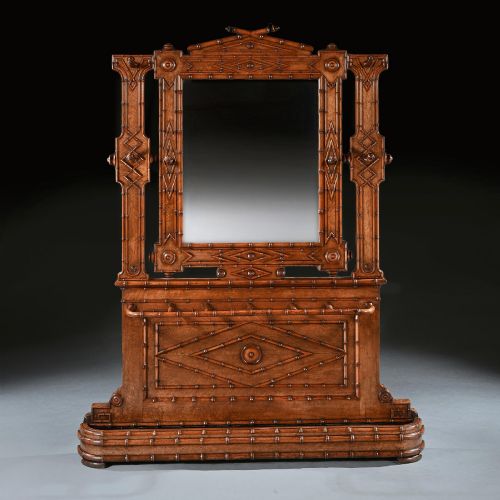
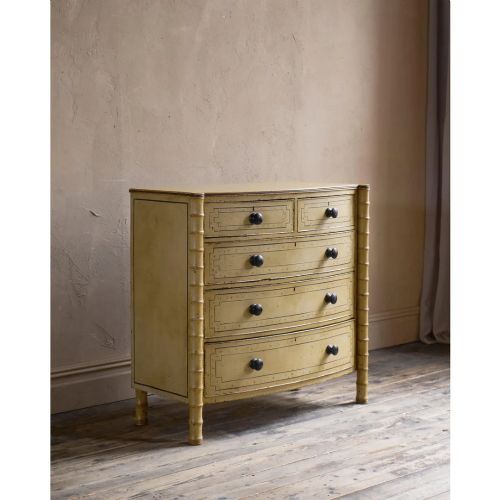
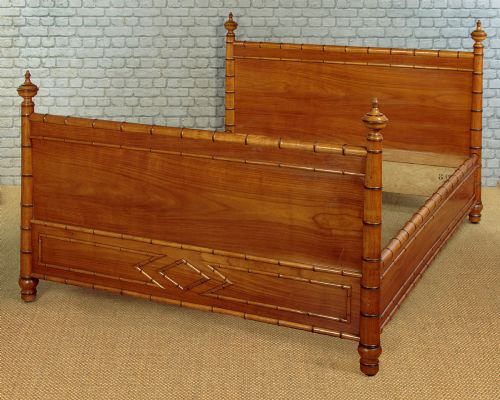
Carpenters shaped solid woods such as pine, beech, cherry wood and birdseye maple by turning and carving the timber to replicate the distinct nodes and rings of natural bamboo. Paintwork or staining was then applied to simulate the mottled, variegated surfaces of real cane.
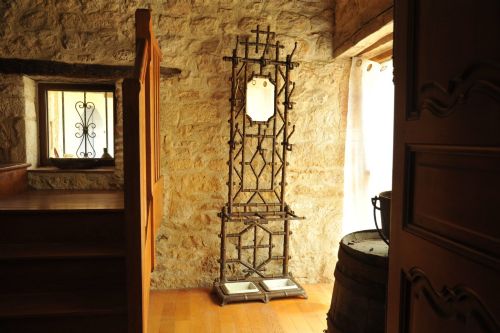
Beyond timber, makers utilised cast iron, brass and metal to cast robust frameworks for hallway stands and specialised racks, replicating hollow joints and segments in rigid metal. Glass and marble inserts were frequently integrated into dressing cabinets, washstands and commodes to provide durable, decorative upper surfaces.
French Faux Bamboo Furniture Retail Price Guide 2026
Typical asking prices for french faux bamboo furniture among the pieces listed under this phrase on Sellingantiques today, from the lower quarter to the upper quarter. They describe what is for sale here now, not the wider market.
Object forms range from large bedroom armoires and washstands down to small accessories including fishing rod rests and magazine racks.
What varies in quality
Quality in these pieces is dictated by the fidelity of the simulated turning and the depth of the finish, where skilled carvers rendered convincing cane nodes rather than simple grooved cylinders. The selection of base woods also dictates standard, with figured timbers like birdseye maple marking out finer cabinetwork.
Structural integrity and the retention of original decorative painted surfaces separate standard utilitarian items from exceptional pieces designed for fashionable nineteenth-century interiors. Integration of secondary elements, such as fitted marble slabs, original bevelled mirror glass and brass hardware, further elevates the status of individual items.
The French Faux Bamboo Furniture Glossary
- Japonisme
- The influence of Japanese art and design on Western culture during the late nineteenth century. This movement heavily inspired the adoption of bamboo motifs in European furniture.
- Armoire
- A tall wardrobe or cupboard used for storing clothing. In faux bamboo styles, these large pieces often feature mirrored doors and internal shelving.
- Commode
- A low chest of drawers or cabinet originating in France. Nineteenth-century examples often incorporate marble tops and simulated bamboo turnings.
- Washstand
- A piece of furniture designed to hold a basin and pitcher for washing. These frequently include marble surfaces and tiled backs within simulated bamboo frames.
- Aesthetic Movement
- A late nineteenth-century design movement that emphasised visual and sensory beauty over narrative or practical function. Furniture from this period prioritised artistic styling.
French Faux Bamboo Furniture: Frequently Asked Questions
What woods were used for faux bamboo?
Cabinetmakers primarily used European hardwoods such as beech, pine, walnut and cherry wood to construct these items. Finer examples frequently incorporated decorative veneers like birdseye maple over a secondary timber base.
Metal components cast from iron or brass were also utilised for items requiring greater structural load-bearing capacity, such as hall stands and umbrella holders.
How do I date faux bamboo furniture?
Dating relies upon stylistic context, construction methods and associated design movements like the Aesthetic Movement or French Napoleon III period. Most surviving pieces date from the late nineteenth century through to the early twentieth century.
The presence of original hardware, plate glass mirrors and specific timber choices helps narrow the production era within this broad span.
Were these pieces made in France?
Many examples originate from French workshops influenced by continental Japonisme and nineteenth-century design trends. These pieces reflect specific French cabinetmaking forms, including armoires, washstands and commodes.
Makers across Europe adopted the style, producing similar domestic items adapted to local regional tastes and requirements.
How do I care for faux bamboo surfaces?
Maintenance requires gentle dusting with a soft cloth to protect the painted or stained surfaces that simulate cane nodes. Avoid harsh chemical cleaners that might degrade the historic finish.
Marble tops and glass elements require appropriate non-abrasive cleaning solutions to preserve the surrounding timber and metal framework.